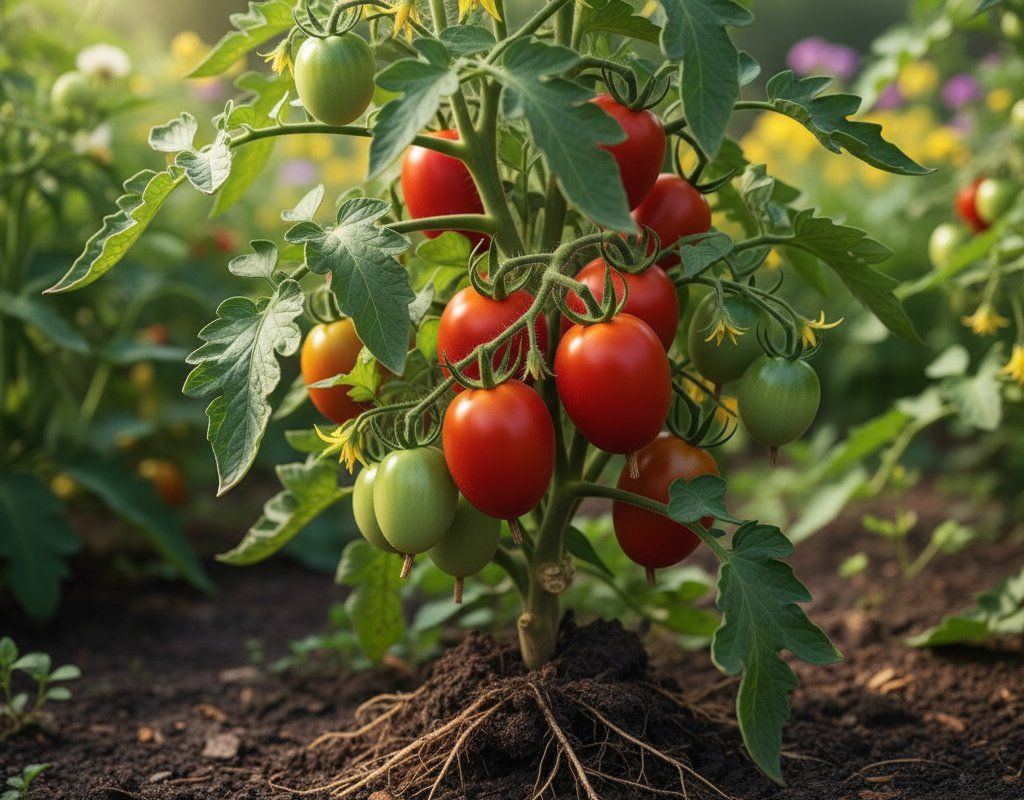
Roma Tomatoes in Zone 8B — Desert Southwest
Solanum lycopersicum · Your Complete 2026 Planting Guide
Missed Seed Starting? No Problem!
Wait for starts to become available.
What to Do
Starts will be available at nurseries in 7 days (around March 11).
How to Plant Roma Tomatoes in Zone 8B — Desert Southwest
Here are all your options for getting roma tomatoes in the ground, from the easiest method to more advanced approaches.
Start Seeds Indoors
RecommendedLate January through mid February
around January 28
Then transplant: Mid March through early April
Start seeds 6-8 weeks before transplanting outdoors.
Buy Starts
Works WellMid March through early April
around March 11
Plant purchased starts after last frost (February 25).
Direct Sow Seeds
ChallengingDirect sowing is not typical for Roma Tomatoes.
Transplant Outdoors
Timing InfoMid March through early April
around March 11
Wait until nighttime temperatures stay above 50°F.
You have a nice window — no need to rush.
Overview
Roma tomatoes are absolute champions in the Desert Southwest, delivering meaty, paste-perfect fruit that's ideal for our region's strong flavors and preserving needs. These determinate workhorses produce concentrated harvests of thick-walled tomatoes with minimal seeds — perfect for salsa, sauce, and drying in our abundant sunshine. Their compact growth habit handles our extreme heat better than sprawling indeterminate varieties, while their concentrated harvest timing lets you process bushels before the worst summer heat hits.
Growing Romas here means working with our harsh summer reality, but that's exactly why timing matters so much. Yes, we face extreme heat, alkaline soil, and water challenges, but our 279-day growing season gives you flexibility most gardeners only dream of. Plant early enough, and you'll harvest before the brutal summer peak forces your plants into survival mode.
Starting Seeds Indoors
Start your Roma seeds indoors during late January through mid-February, about 6 weeks before our last frost window. Use seed-starting trays filled with quality potting mix, and keep them consistently warm — around 70-75°F for best germination. A heat mat helps tremendously during our cooler winter nights.
Bottom watering works best for tomato seedlings since it prevents damping-off disease and keeps the leaves dry. Pour water into the tray beneath your seed cells rather than watering from above. This mimics our region's natural moisture patterns better than overhead watering.
Our very early spring character means you can't afford to start too late. Seeds started in March struggle to establish before the extreme heat hits, so stick to that late January through mid-February window. Place your seedlings under grow lights or in the brightest south-facing window you have — our winter sun is strong but the days are still short.
Transplanting Outdoors
Transplant your Roma seedlings outdoors from mid-March through early April, after hardening them off for a full week. Start the hardening process by placing them outside for just an hour or two, gradually increasing their outdoor time daily until they're spending full days outside. Our Desert Southwest spring can swing from mild to surprisingly warm quickly, so don't rush this process.
Space your transplants 24-36 inches apart to ensure good air circulation — critical in our arid climate where stressed plants become disease magnets. The wider spacing also helps each plant access adequate water and nutrients from our challenging alkaline soil.
Watch for late cold snaps during transplant season. Our mild winters can fool you, but a surprise freeze in late March can devastate unprotected transplants. Keep row covers handy, or be prepared to bring potted plants back inside if temperatures threaten to drop below 45°F at night.
Watering Roma Tomatoes in Zone 8B (Desert Southwest)
Watering Romas correctly in the Desert Southwest requires understanding our unique moisture challenges. These plants need consistent, deep watering — about 2 inches per week through the growing season, increasing to 2.5-3 inches during extreme heat periods. Check soil moisture with the finger test: stick your finger 2 inches deep near the plant base. If it's dry at that depth, it's time to water.
Water deeply at the base of the plant, never overhead. Our arid climate means foliar diseases are less common than in humid regions, but water on leaves during extreme heat can cause scald damage. Apply water slowly so it penetrates rather than running off our often-compacted desert soils. Soaker hoses work exceptionally well here.
Inconsistent watering is Roma tomatoes' biggest enemy, especially in our climate. The irregular moisture creates blossom end rot on the elongated fruit — you'll see dark, sunken patches on the bottom of developing tomatoes. This happens when roots can't uptake calcium consistently due to drought-flood cycles. Mulch heavily with organic matter to buffer soil moisture swings.
During monsoon season (July-September), adjust your watering schedule based on natural rainfall. Our brief but intense storms can provide significant moisture, but don't rely on them entirely. The sporadic nature of monsoon rains means you'll still need to supplement, especially during dry spells between storm systems.
Supporting Your Roma Tomatoes
Install tomato cages or stakes at planting time — trying to add support later risks damaging established root systems. Romas are determinate varieties, so they stay more compact than indeterminate types, but their heavy fruit load still benefits from solid support. Standard 4-5 foot cages work perfectly, or use 6-foot stakes driven 18 inches deep.
For caged plants, gently guide branches through the cage openings as they grow, keeping the developing fruit clusters supported. Roma tomatoes set fruit heavily over a shorter period, which means branches can snap under the weight without adequate support. This concentrated fruiting habit is actually perfect for our Desert Southwest growing pattern.
With staked plants, tie branches loosely using soft cloth strips or tomato ties, never wire or string that can cut into stems. Check ties weekly as plants grow — what fits today might be too tight next week. The determinate growth habit means less ongoing training work compared to indeterminate varieties.
🧪Fertilizing Roma Tomatoes
Feeding Schedule
Organic Fertilizer Options
Harvest Time
Your first Romas will be ready from late May through mid-July, about 75 days after transplanting. Look for deep red color throughout the fruit with no green shoulders or bottom. The flesh should feel firm but give slightly to gentle pressure — rock-hard fruit isn't ripe, but overly soft tomatoes have passed their prime for sauce-making.
Harvest by gently twisting the fruit until it releases from the stem, or cut the stem with clean garden shears. Properly ripe Romas detach easily without damaging the plant. Check plants every 2-3 days during peak harvest — in our heat, fruit can go from perfect to overripe quickly.
As determinate varieties, Romas produce most of their fruit within a 2-3 week window rather than continuously through the season. This concentrated harvest is ideal for processing large batches of sauce or paste. Plan your preservation schedule accordingly — you'll likely have more ripe fruit than you can eat fresh.
When early December frost threatens, harvest all remaining fruit regardless of size or color. Green and partially ripe Romas will continue ripening indoors if stored in a warm spot out of direct sunlight. Wrap individual fruits in newspaper or place them in paper bags to speed the process.
Common Problems in Zone 8B (Desert Southwest)
Blossom End Rot This appears as dark, sunken, leathery patches on the bottom (blossom end) of developing fruit. It's not a disease but a calcium deficiency caused by inconsistent watering — exactly what happens when plants experience the drought-flood cycles common in desert gardening. Our alkaline soil often contains plenty of calcium, but plants can't uptake it during water stress periods. Maintain consistent soil moisture through deep, regular watering and heavy organic mulching. Remove affected fruit immediately since they won't recover.
Early Blight Brown spots with distinctive concentric rings (bullseye pattern) start on lower leaves and move upward, eventually causing leaves to yellow and drop. This fungal disease thrives in warm conditions but needs moisture to spread — usually through soil splash onto lower leaves. In the Desert Southwest, this typically occurs during monsoon season or from overhead watering. Remove affected leaves immediately (don't compost them), mulch heavily to prevent soil splash, and water only at the base of plants. Good air circulation through proper spacing helps prevent spread.
Fusarium Wilt Plants wilt on one side first, then entirely, despite adequate soil moisture. Leaves turn yellow starting from the bottom, and cutting the stem reveals brown streaks inside. This soil-borne fungus loves warm soil temperatures — common in our region — and persists for years once established. There's no cure for infected plants; remove and destroy them immediately. Plant only fusarium-resistant varieties (marked with 'F' on seed packets), rotate crops on a 4-year cycle, and maintain soil pH above 6.5.
Desert Southwest Specific Challenges Our extreme heat and low humidity stress tomato plants beyond what most growing guides address. Sunscald appears as white, papery patches on fruit exposed to intense afternoon sun — position plants where they receive morning sun but some afternoon protection. The combination of alkaline soil, caliche hardpan, and water scarcity creates unique growing challenges that require consistent deep watering, soil amendment with organic matter, and strategic placement to maximize success.
Best Companions for Roma Tomatoes
Plant these nearby for healthier Roma Tomatoes and better harvests.
View Full Companion Planting Chart →



Companion Planting Details
Plant basil alongside your Romas — it naturally repels aphids and whiteflies while thriving in similar growing conditions. The aromatic oils also may improve tomato flavor, and you'll have fresh basil ready when your Roma harvest comes in for sauce-making. Carrots work well as ground cover between tomato plants, helping break up our compacted desert soils while using space efficiently.
Marigolds planted around the tomato bed help deter nematodes and other soil pests common in warm climates, while parsley provides beneficial insect habitat without competing heavily for nutrients. Avoid planting brassicas (cabbage family) or fennel near tomatoes — brassicas can stunt tomato growth through allelopathic effects, while fennel inhibits tomato development and attracts pests that target both crops. Skip corn as a companion since both are heavy nitrogen feeders that will compete in our nutrient-challenged alkaline soils.
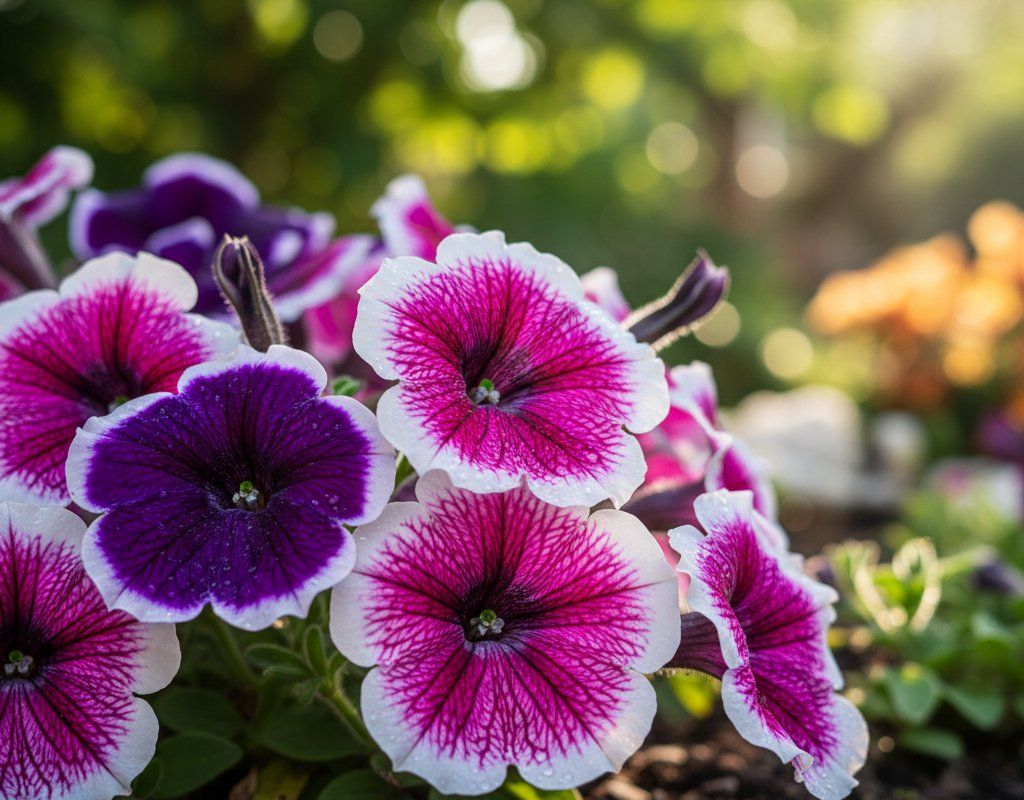
🌸Best Flowers to Plant with Roma Tomatoes
These flowers protect your Roma Tomatoes from pests and attract pollinators for better harvests.
For Pest Control


For Pollinators

Get a Reminder When It's Time to Plant
We'll email you when key planting windows open for your zone.