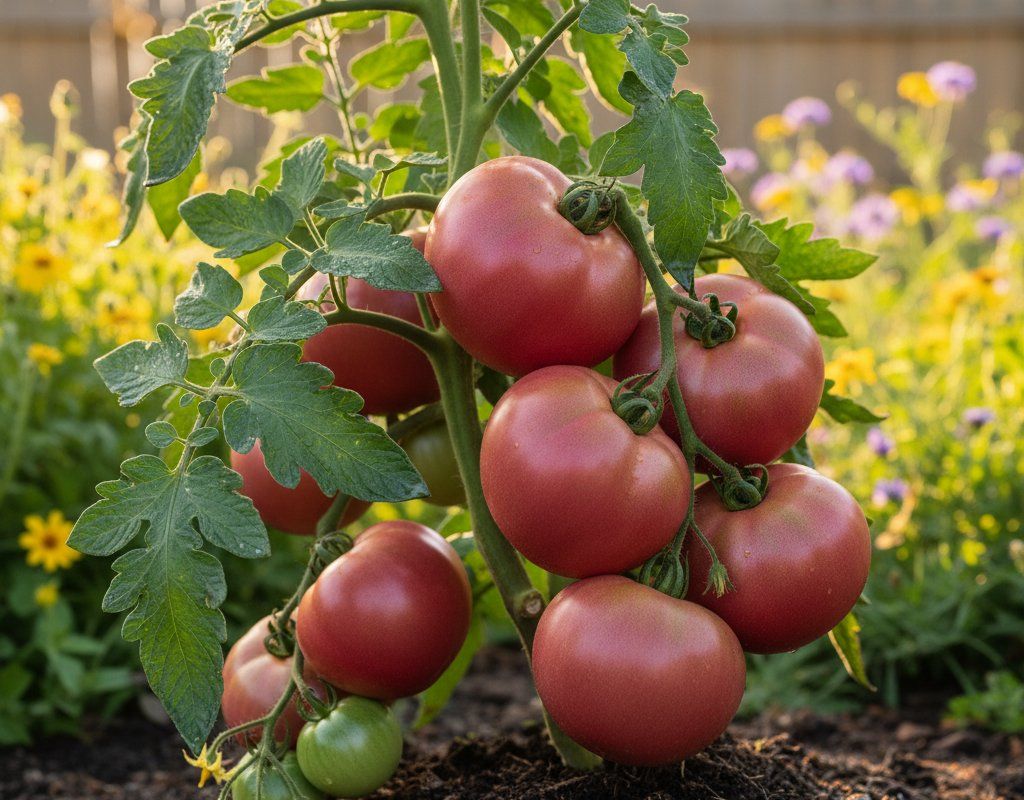
Brandywine Tomatoes in Zone 8B — Pacific Northwest
Solanum lycopersicum · Your Complete 2026 Planting Guide
Ideal Time: Start Seeds Indoors!
This is the perfect time for the biggest, best harvest.
Start Seeds Now
- Start seeds in trays or pots with seed-starting mix
- Keep soil moist and warm (70-80°F)
- Transplant outdoors Mid April through early May
Not Starting from Seed?
Buy starts around April 19 — that works great too!
How to Plant Brandywine Tomatoes in Zone 8B — Pacific Northwest
Here are all your options for getting brandywine tomatoes in the ground, from the easiest method to more advanced approaches.
Start Seeds Indoors
RecommendedEarly to late March
around March 8
Then transplant: Mid April through early May
Start seeds 6-8 weeks before transplanting outdoors.
Buy Starts
Works WellMid April through early May
around April 19
Plant purchased starts after last frost (April 5).
Direct Sow Seeds
ChallengingDirect sowing is not typical for Brandywine Tomatoes.
Transplant Outdoors
Timing InfoMid April through early May
around April 19
Wait until nighttime temperatures stay above 50°F.
Plan to transplant within a few weeks of your target date.
Overview
Brandywine tomatoes offer Pacific Northwest gardeners the chance to grow one of the most beloved heirloom varieties, with their complex, sweet flavor and impressive 1-2 pound fruits. In our mild summer climate, these indeterminate plants thrive without the stress of extreme heat, allowing their signature potato-leaf foliage to develop fully while the cool nights enhance their rich, old-fashioned tomato taste that puts grocery store varieties to shame.
While Brandywine's 90-day maturity might seem challenging for warm-season crops in our region, our 210-day growing season provides plenty of time when you start seeds indoors and time your transplanting right. The key is working with our wet springs and dry summers rather than against them, giving these heat-loving plants the head start they need to produce their spectacular harvest before our first frost arrives in early November.
Starting Seeds Indoors
Start your Brandywine seeds indoors during early to late March, about 6 weeks before you plan to transplant them outside. This timing works perfectly with our slow spring warm-up, allowing seedlings to develop strong root systems while outdoor soil temperatures gradually rise.
Set up seed trays with quality seed-starting mix and place them on a heat mat or in a consistently warm spot (70-75°F is ideal). Bottom watering works exceptionally well for tomato seedlings—set trays in shallow water and let the soil absorb moisture from below, which prevents damping-off disease common in our humid spring conditions.
Once seedlings emerge, provide 14-16 hours of light daily using grow lights positioned 2-3 inches above the plants. Our overcast spring days don't provide enough light for sturdy growth, so supplemental lighting is essential for preventing leggy, weak seedlings that struggle after transplanting.
Transplanting Outdoors
Transplant your Brandywine seedlings outdoors from mid-April through early May, after soil temperatures consistently stay above 60°F and nighttime temperatures remain above 50°F. Our region's unpredictable spring weather makes timing crucial—wait for settled conditions rather than rushing into a warm spell that might be followed by a cold snap.
Harden off seedlings gradually over 7-10 days, starting with just 2-3 hours outdoors in filtered light and gradually increasing exposure. This process is especially important in the Pacific Northwest where the transition from indoor growing to our cool, sometimes windy spring conditions can shock tender plants.
Space Brandywine plants 36-48 inches apart to ensure adequate air circulation—critical for preventing disease issues that can plague large-fruited heirlooms in our region. Choose the sunniest, most protected spot in your garden, as these plants need all the warmth they can get during our mild summers to reach their full potential.
Watering Brandywine Tomatoes in Zone 8B (Pacific Northwest)
Consistent moisture is absolutely critical for Brandywine tomatoes, as these large-fruited heirlooms are particularly prone to cracking when watering becomes irregular. In our dry-summer climate, you'll need to provide about 1-2 inches of water per week once temperatures warm up, but the timing and method matter more than the total amount.
During our wet spring months, focus on drainage and avoid overwatering—let the soil surface dry slightly between waterings. Use the finger test: stick your finger 2 inches deep into the soil, and water only when it feels dry at that depth. As summer progresses and our rainfall drops off, you'll gradually increase watering frequency while maintaining this consistent moisture level.
Water at the base of plants rather than overhead to prevent foliar diseases that can devastate Brandywines. Our dry-summer humidity actually helps here—less ambient moisture means lower disease pressure overall. Set up soaker hoses or use drip irrigation for the most efficient delivery, especially during July and August when consistent watering becomes most critical.
Watch for signs of stress: wilting during the heat of the day (even our mild 82°F days), yellowing lower leaves, or fruit with dark, sunken spots on the blossom end indicate watering issues. Apply 2-3 inches of organic mulch around plants to maintain even soil moisture and reduce your watering workload during the dry summer months.
Supporting Your Brandywine Tomatoes
Brandywine tomatoes absolutely require strong support systems due to their indeterminate growth habit and heavy fruit load—mature plants can reach 6-8 feet tall with individual fruits weighing 1-2 pounds. Install sturdy 6-foot stakes or heavy-duty tomato cages at planting time, as trying to add support later risks damaging the root system.
For stakes, use 2x2 inch wooden posts or metal stakes driven at least 18 inches deep, then tie the main stem loosely every 12-15 inches as it grows. Soft ties or strips of old t-shirt work better than wire or string, which can cut into stems as they thicken. With cages, choose ones with large openings (6 inches square minimum) so you can easily reach through to harvest those big fruits.
The potato-leaf foliage of Brandywine varieties provides less shade coverage than regular tomato leaves, which means fruit gets better sun exposure but also needs more protection from our occasional hot spells. Position supports to allow some late afternoon shade if your garden gets intense western sun exposure.
Pruning & Maintaining Brandywine Tomatoes
Prune Brandywine tomatoes moderately to balance fruit production with disease prevention—these heirlooms are more susceptible to foliar diseases than modern hybrids, making air circulation crucial. Remove suckers (shoots growing between main stems and branches) when they're 2-4 inches long, but don't obsess over getting every single one.
Focus your pruning efforts on the lower portion of the plant: remove all leaves and suckers up to the first flower cluster once fruits begin forming. This improves air circulation at soil level where disease problems typically start, especially important during our humid spring conditions. Continue removing suckers throughout the growing season, but leave some upper foliage to protect developing fruit.
As our first frost approaches in early November, pinch off growing tips in late September to encourage the plant to focus energy on ripening existing fruits rather than producing new flowers. Remove any obviously diseased or yellowing foliage throughout the season, but don't over-prune—Brandywines need adequate leaf cover to photosynthesize properly in our mild summer conditions.
🧪Fertilizing Brandywine Tomatoes
Feeding Schedule
Organic Fertilizer Options
Harvest Time
Your first Brandywine tomatoes should be ready from mid-July through late August, about 90 days from transplanting. These beauties ripen from the inside out, so look for fruits that yield slightly to gentle pressure and show deep pink-red coloring, though the shoulders (top portion) often remain green—this is completely normal for Brandywine varieties.
Harvest by gently twisting and lifting, or use clean pruning shears to cut the stem just above the fruit. Check plants every 2-3 days during peak season, as ripe fruits left on the vine too long become prone to cracking and attract pests. The complex flavor continues developing even after picking, so don't hesitate to harvest fruits that are just starting to turn color.
Brandywines continue producing until frost, giving you a steady harvest through our excellent fall growing conditions. As nighttime temperatures begin dropping in October, harvest all fruits showing any color change—they'll ripen perfectly indoors on a kitchen counter. Green fruits can also ripen indoors if wrapped in newspaper, though the flavor won't be quite as intense.
When our first frost threatens in early November, harvest all remaining fruits regardless of size or color. Even small green tomatoes make excellent fried green tomatoes or green tomato relish, ensuring nothing goes to waste from your precious Brandywine plants.
Common Problems in Zone 8B (Pacific Northwest)
Cracking Circular or radial splits in the tomato skin that expose the flesh underneath, often leading to rot. Brandywine varieties are particularly prone to this issue, especially during our transition from dry summer weather to fall rains. The problem occurs when fruits absorb water faster than their skin can expand, typically after irregular watering or sudden rainfall following dry periods. Maintain consistent soil moisture throughout the growing season using mulch and regular watering schedules. Harvest fruits as soon as they begin showing color rather than waiting for full ripeness on the vine.
Low Yields Despite healthy-looking plants, Brandywine tomatoes often produce fewer fruits than modern hybrid varieties—this is partly their nature as an heirloom variety. In our cool spring conditions, poor early pollination can compound the problem when nighttime temperatures stay below 55°F during flowering. Our short warm season also limits the total number of fruit cycles these slow-maturing plants can complete. Hand-pollinate early flowers by gently shaking plants or using a small brush to transfer pollen. Provide consistent nutrition with balanced fertilizer, avoiding excess nitrogen which promotes leafy growth at the expense of fruit production.
Disease Susceptibility Brandywines lack the disease resistance genes found in modern hybrids, making them vulnerable to late blight, early blight, and bacterial diseases—particularly problematic during our wet spring weather. You'll notice yellowing leaves, dark spots, or wilting that progresses up the plant despite adequate watering. Our humid spring conditions followed by dry summers create perfect disease cycles for many tomato pathogens. Improve air circulation through proper spacing and pruning, apply preventative copper fungicide during wet spring weather, and remove affected foliage immediately. Consider growing Brandywines in containers with fresh soil if garden soil harbors persistent disease issues.
Catfacing Deep grooves, scars, and malformed blossom ends that make fruits look deeply ridged and lumpy rather than smooth. This deformity is more common in large-fruited varieties like Brandywine and typically results from cool temperatures during flowering—exactly what we experience during our slow spring warm-up. While the fruits are perfectly edible, severe catfacing affects appearance and can create crevices where rot develops. Wait to transplant until nighttime temperatures consistently stay above 55°F, even if this means a later start. Use row covers or wall-of-water protectors for early plantings to maintain warmer microclimates around flowers.
Pacific Northwest Specific Challenges Our region's combination of cool springs, mild summers, and excellent fall conditions creates unique challenges for heat-loving Brandywines. The slow soil warming delays transplanting, while our moderate summer heat means these plants never get the sustained warmth they'd receive in hotter climates. However, our dry summers reduce many disease pressures, and cool nights actually improve flavor development—making the extra effort worthwhile for these exceptional tomatoes.
Best Companions for Brandywine Tomatoes
Plant these nearby for healthier Brandywine Tomatoes and better harvests.
View Full Companion Planting Chart →



Companion Planting Details
Plant basil around your Brandywine tomatoes for natural pest deterrence and improved flavor—many gardeners swear the basil actually makes their tomatoes taste better. Carrots make excellent companions since their deep taproots don't compete with tomato root systems, while parsley planted nearby attracts beneficial insects that prey on tomato pests. Marigolds provide natural nematode control and add color to your tomato patch, though stick to compact varieties that won't shade your plants in our already-limited summer sun.
Avoid planting brassicas like cabbage, broccoli, or kale near Brandywines, as these cool-season crops prefer different growing conditions and can harbor diseases that affect tomatoes. Keep fennel and corn away from your tomato area as well—fennel produces compounds that can inhibit tomato growth, while corn attracts tomato hornworms and competes for nutrients. In our Pacific Northwest gardens where space is often limited, focus on companions that either actively benefit the tomatoes or at least don't compete for the prime sunny real estate these heat-loving plants desperately need.
🌸Best Flowers to Plant with Brandywine Tomatoes
These flowers protect your Brandywine Tomatoes from pests and attract pollinators for better harvests.
For Pest Control

Get a Reminder When It's Time to Plant
We'll email you when key planting windows open for your zone.