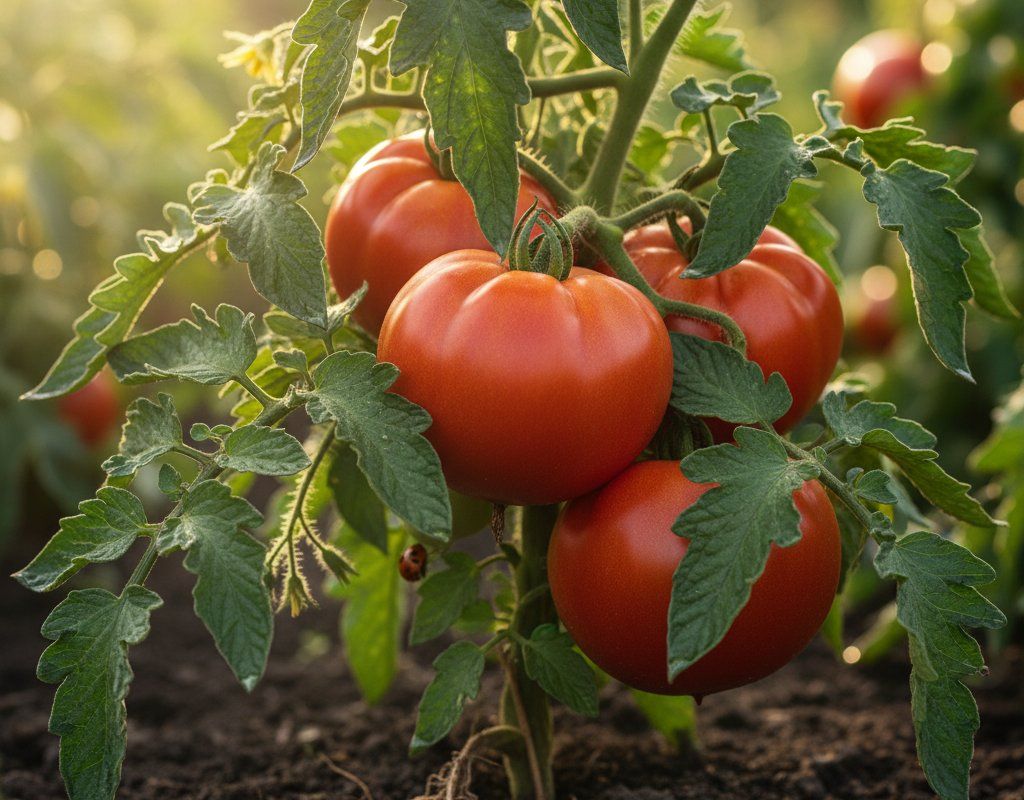
Beefsteak Tomatoes in Zone 8B — Southern California
Solanum lycopersicum · Your Complete 2026 Planting Guide
Time to Buy Starts!
Seed starting window passed, but starts are available now.
Buy Starts Now
Head to your local nursery, Home Depot, or farmers market for transplants.
- Look for stocky plants with dark green leaves
- Avoid leggy seedlings or plants already flowering
- Check that roots aren't circling the pot (rootbound)
How to Plant Beefsteak Tomatoes in Zone 8B — Southern California
Here are all your options for getting beefsteak tomatoes in the ground, from the easiest method to more advanced approaches.
Start Seeds Indoors
RecommendedMid January through early February
around January 18
Then transplant: Early to late March
Start seeds 6-8 weeks before transplanting outdoors.
Buy Starts
Works WellEarly to late March
around March 1
Plant purchased starts after last frost (February 15).
Direct Sow Seeds
ChallengingDirect sowing is not typical for Beefsteak Tomatoes.
Transplant Outdoors
Timing InfoEarly to late March
around March 1
Wait until nighttime temperatures stay above 50°F.
You have a nice window — no need to rush.
Overview
Beefsteak tomatoes are the crown jewel of Southern California home gardens, delivering those massive, juicy slices that make store-bought tomatoes taste like cardboard. With our nearly year-round growing season and abundant sunshine, you can grow specimens that rival anything from fancy farmer's markets — and there's nothing quite like the satisfaction of harvesting a one-pound tomato you started from a tiny seed. Our Mediterranean-style climate provides the perfect conditions for these heat-loving giants to reach their full potential.
While beefsteaks demand consistent water and careful timing in our drought-prone region, your 298-day growing season gives you plenty of flexibility to work with their longer maturity period. The key is starting early enough to beat our intense summer heat inland while taking advantage of those mild winter months for seed starting. With proper planning, you'll be harvesting restaurant-quality tomatoes from late spring through fall.
Starting Seeds Indoors
Start your beefsteak tomato seeds indoors from mid-January through early February, about six weeks before your transplant window opens. This timing takes advantage of Southern California's very early spring character while giving these slower-maturing varieties enough lead time to produce before summer heat becomes overwhelming. You'll want to use seed-starting trays filled with quality potting mix, keeping them at 70-75°F for optimal germination.
Set up your seedlings under grow lights or in a bright, south-facing window once they emerge. Bottom watering works especially well for tomato seedlings — place your seed trays in shallow pans of water and let the soil absorb moisture from below. This prevents damping-off disease and encourages strong root development.
Keep your indoor environment consistently warm during our sometimes-chilly winter nights. A heat mat under the seed trays helps maintain steady soil temperature, which is crucial for reliable germination in those cooler January and February weeks.
Transplanting Outdoors
Transplant your beefsteak seedlings outdoors from early to late March, once nighttime temperatures consistently stay above 50°F. This window aligns perfectly with Southern California's early spring warmth while avoiding the risk of late cold snaps that can stress young plants. Before transplanting, harden off your seedlings gradually over one week by placing them outside for increasing hours each day.
Space your plants 36-48 inches apart — beefsteaks need this generous spacing to accommodate their eventual size and ensure good air circulation in our sometimes humid coastal conditions. The wider spacing also makes it easier to provide the deep, consistent watering these thirsty plants require.
March transplanting in Southern California often means dealing with occasional Santa Ana wind conditions, so protect newly transplanted seedlings with temporary windbreaks or row covers until they establish strong root systems. Choose a calm day for transplanting when possible, and water deeply immediately after planting.
Watering Beefsteak Tomatoes in Zone 8B (Southern California)
Beefsteak tomatoes have high water needs that become critical during Southern California's long, dry summer months. These large-fruited varieties need about 2 inches of water per week, delivered through deep, infrequent waterings rather than daily sprinkles. Check soil moisture by sticking your finger 2 inches deep — if it's dry at that depth, it's time to water.
During our typical summer heat with highs around 92°F and low humidity, you'll likely need to water 2-3 times per week, soaking the soil to at least 12 inches deep. Water at the base of plants rather than overhead to minimize disease risk and water waste — crucial considerations during frequent water restrictions. Early morning watering works best, allowing plants to absorb moisture before the day heats up.
Inconsistent watering causes more problems with beefsteaks than almost any other issue, leading to cracking, blossom end rot, and poor fruit development. The transition from winter's natural rainfall to summer's complete dryness requires careful attention to maintain steady soil moisture. Mulch heavily around plants with 3-4 inches of organic matter to help retain moisture and reduce evaporation.
Watch for signs of water stress: wilting during the hottest part of the day (even with adequate moisture), fruit cracking after watering dry soil, or dark, leathery patches developing on fruit bottoms. Overwatering shows up as yellowing lower leaves and poor fruit flavor, though this is less common than underwatering in our arid climate.
Supporting Your Beefsteak Tomatoes
Install extra-sturdy support systems at planting time — beefsteak tomatoes produce heavy fruit that can snap branches or topple entire plants without proper support. Use either heavy-duty tomato cages (at least 6 feet tall) or thick wooden stakes with strong ties. The indeterminate growth habit means these plants will continue growing and producing until frost, potentially reaching 6-8 feet in our long growing season.
Thick wooden stakes or metal t-posts work better than thin bamboo for the eventual weight these plants will carry. If using stakes, install them about 6 inches from the plant to avoid root damage, and tie the main stem loosely with soft materials like cloth strips or tomato ties. Avoid wire or thin string that can cut into stems as they grow.
Train your plants by gently weaving the main stem through cage openings or tying it to stakes every 12-18 inches of growth. Support individual heavy fruit clusters with pantyhose or cloth slings tied to the main support structure — this prevents branches from breaking under the weight of multiple large tomatoes. Check and adjust ties throughout the growing season as stems thicken.
Pruning & Maintaining Beefsteak Tomatoes
Remove suckers (shoots growing between the main stem and branches) regularly to direct the plant's energy into fewer, larger fruits rather than excessive foliage. Start this process when plants are about 12 inches tall and continue throughout the growing season. Leave the main stem and primary branches, but pinch out most suckers when they're small and easy to remove.
Prune away the lowest leaves that touch the ground to improve air circulation and prevent soil-borne diseases — particularly important in Southern California's occasionally humid conditions near the coast. Remove any yellowing or diseased leaves promptly throughout the season.
As your growing season extends into late fall, start topping the plants (removing the growing tip) around mid-October to encourage existing fruits to ripen before the first frost in early December. This "determinate" approach helps you get the most from your harvest rather than having plants put energy into new growth that won't have time to mature.
🧪Fertilizing Beefsteak Tomatoes
Feeding Schedule
Organic Fertilizer Options
Harvest Time
Expect your first harvest from late May through mid-July, about 85 days after transplanting. Beefsteak tomatoes are ready when they develop their full color and give slightly to gentle pressure when cupped in your hand. Don't wait for them to get soft on the vine — harvest when they just begin to yield to pressure and let them finish ripening on your kitchen counter.
The large size of beefsteaks means they can take longer to ripen fully on the plant, especially during hot weather when the plant focuses energy on survival rather than fruit development. Pick fruits at the "breaker" stage (first blush of color) during heat waves and let them finish ripening indoors in air conditioning.
Harvest regularly to encourage continued production throughout Southern California's extended growing season. Twist and pull ripe fruits gently, or use clean pruning shears to cut the stem just above the fruit. Handle these heavy tomatoes carefully to avoid bruising.
As your first frost approaches in early December, harvest all remaining green fruits regardless of size. Large green beefsteaks ripen well indoors when stored in a warm, dark place — wrap them individually in newspaper or place them in paper bags to speed the process. This final harvest can extend your tomato season well into winter.
Common Problems in Zone 8B (Southern California)
Cracking appears as splits in the tomato skin, either in concentric circles around the stem or radiating lines from the stem end. These splits expose the flesh and can lead to rot, especially problematic during Southern California's low humidity when the exposed areas dry out quickly. Cracking happens when heavy watering or unexpected rain follows a dry period — the fruit absorbs water faster than the skin can stretch. Maintain consistent soil moisture through regular deep watering and heavy mulching. Harvest fruits promptly when they reach the breaker stage rather than leaving them on the vine to crack.
Catfacing creates deep crevices, scars, and deformities on the blossom end, making fruits look lumpy and misshapen. This problem occurs when cool temperatures during flowering interfere with proper pollination — something that can happen during Southern California's variable spring weather or unseasonably cool periods. While the fruits look ugly, they're perfectly edible. Avoid planting too early when nights are still cool, and use row covers during unexpected cold snaps to maintain warmer temperatures around flowers.
Blossom end rot shows up as sunken, dark brown or black leathery patches on the bottom of fruits. This isn't a disease but a calcium deficiency caused by inconsistent watering — particularly common in Southern California where we transition from winter rain to bone-dry summers. The key fix is consistent moisture through deep, regular watering and heavy mulching. Don't over-fertilize with nitrogen, which can interfere with calcium uptake, and remove affected fruits to redirect the plant's energy.
Slow ripening means your large green tomatoes seem stuck and won't turn red despite reaching full size. Beefsteak varieties naturally ripen more slowly than smaller types, but excessive heat (common inland during summer), too much nitrogen fertilizer, or insufficient sunlight can slow the process further. Reduce nitrogen applications once fruits begin forming, ensure plants get full sun exposure, and remove excess foliage that might shade developing fruits.
Southern California's unique climate challenges — particularly the extreme heat inland and our extended dry periods — make consistent watering the most critical factor for beefsteak success. The combination of low humidity and intense sun can quickly stress plants that aren't receiving adequate moisture, while our mild winters allow diseases to overwinter that might be killed by harder freezes in other regions.
Best Companions for Beefsteak Tomatoes
Plant these nearby for healthier Beefsteak Tomatoes and better harvests.
View Full Companion Planting Chart →



Companion Planting Details
Plant basil around your beefsteak tomatoes — it naturally repels aphids and whiteflies while thriving in the same hot, sunny conditions. Carrots make excellent companions because their deep taproots don't compete with tomato roots, and they help break up clay soil common in many Southern California gardens. Parsley attracts beneficial insects that prey on tomato pests, while marigolds planted nearby deter nematodes that can be problematic in our year-round growing climate.
Avoid planting brassicas (cabbage, broccoli, kale) near your tomatoes since they're heavy feeders that compete for nutrients, and their different watering needs don't align with tomatoes' consistent moisture requirements. Skip fennel entirely — it inhibits tomato growth through allelopathic compounds. Corn creates too much shade for heat-loving tomatoes and can harbor similar pests, making it a poor neighbor in the intensive growing spaces most Southern California gardeners work with.
🌸Best Flowers to Plant with Beefsteak Tomatoes
These flowers protect your Beefsteak Tomatoes from pests and attract pollinators for better harvests.


Get a Reminder When It's Time to Plant
We'll email you when key planting windows open for your zone.