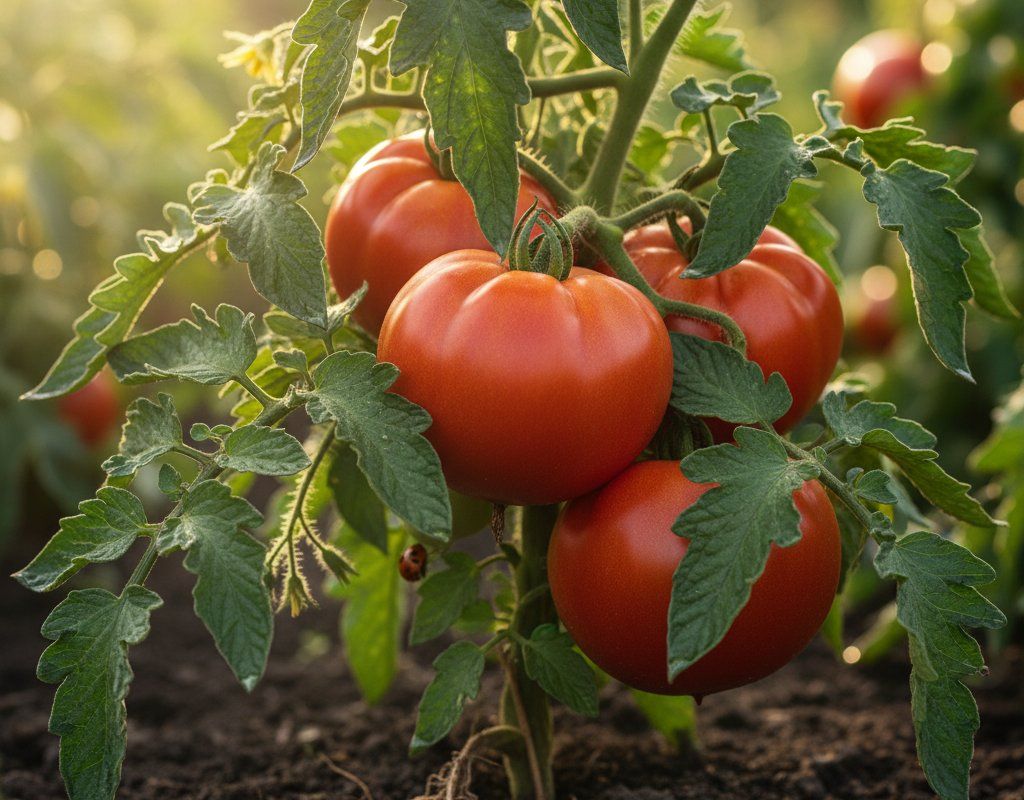
Beefsteak Tomatoes in Zone 8B — Southeast
Solanum lycopersicum · Your Complete 2026 Planting Guide
Missed Seed Starting? No Problem!
Wait for starts to become available.
What to Do
Starts will be available at nurseries in 20 days (around March 24).
How to Plant Beefsteak Tomatoes in Zone 8B — Southeast
Here are all your options for getting beefsteak tomatoes in the ground, from the easiest method to more advanced approaches.
Start Seeds Indoors
RecommendedEarly to late February
around February 10
Then transplant: Late March through late April
Start seeds 6-8 weeks before transplanting outdoors.
Buy Starts
Works WellLate March through late April
around March 24
Plant purchased starts after last frost (March 10).
Direct Sow Seeds
ChallengingDirect sowing is not typical for Beefsteak Tomatoes.
Transplant Outdoors
Timing InfoLate March through late April
around March 24
Wait until nighttime temperatures stay above 50°F.
You have a nice window — no need to rush.
Overview
Beefsteak tomatoes are the heavyweight champions of Southeast gardens, producing those magnificent, meaty slices that make every summer sandwich worth waiting for. In our hot and humid climate with its 255-day growing season, these giants have plenty of time to develop their full, complex flavor that puts grocery store tomatoes to shame. You'll get fruit that can weigh over a pound each, perfect for fresh eating, thick slices for BLTs, and that unmatched satisfaction of growing something truly spectacular.
Our Southeast climate does present some challenges for these large-fruited beauties — the humidity can encourage disease pressure, and our clay soil needs attention for proper drainage. However, with the right timing and techniques, you can absolutely succeed with beefsteaks here. Starting indoors in late winter gives you a head start, and our long, warm growing season means you'll be harvesting from mid-summer well into fall.
Starting Seeds Indoors
Start your beefsteak tomato seeds indoors during early to late February, about 6 weeks before you plan to transplant them outside. This timing works perfectly with our moderate spring character, giving seedlings time to develop strong root systems before facing outdoor conditions. You'll want seed trays filled with quality seed-starting mix, placed in a warm spot where temperatures stay between 70-75°F.
Bottom watering works best for tomato seedlings — place your seed trays in shallow pans of water and let the soil absorb moisture from below. This prevents damping-off disease and keeps the soil surface from staying too wet. Once seedlings emerge, they'll need bright light from a south window or grow lights positioned 2-3 inches above the plants.
As your seedlings develop their first true leaves, you can transplant them into individual 4-inch pots. Keep them in that warm, bright location and gradually reduce watering frequency to encourage strong root development. By late March, your plants should be sturdy enough to begin the hardening-off process.
Transplanting Outdoors
Plan to transplant your beefsteak seedlings outdoors between late March and late April, when nighttime temperatures consistently stay above 50°F and the last frost risk has passed. Our Southeast spring can be unpredictable with temperature swings, so don't rush this step — these tender plants will sulk or die if exposed to cold. A week of hardening off is essential: start by placing plants outside for just an hour or two, gradually increasing their outdoor time each day.
Space your beefsteak plants 36-48 inches apart to allow for their massive size and improve air circulation. Good airflow is critical in our humid climate to prevent fungal diseases that love our moist conditions. Choose a spot with full sun and well-draining soil — if you're dealing with heavy clay soil like many of us have, consider raised beds or amend with compost to improve drainage.
Plant them slightly deeper than they were in their pots, burying part of the stem to encourage additional root development. Install your support system at planting time rather than later, when you might damage the roots. These plants will get enormous, and our afternoon thunderstorms can easily topple unsupported plants loaded with heavy fruit.
Watering Beefsteak Tomatoes in Zone 8B (Southeast)
Beefsteak tomatoes are thirsty plants that demand consistent, deep watering throughout our hot summer months. These large fruits are mostly water, and any stress from drought will lead to cracking, catfacing, and poor fruit development. The key is maintaining steady moisture without creating waterlogged conditions that invite root rot in our humid environment.
Use the finger test weekly: stick your finger 2 inches into the soil near the base of the plant. If it's dry at that depth, it's time to water. During our typical 92°F summer days, you'll likely need to provide 1-1.5 inches of water per week through deep, infrequent watering sessions. Water at the base of plants rather than overhead — our high humidity means wet foliage stays wet longer, creating perfect conditions for fungal diseases.
Early morning is the best time to water, giving plants time to absorb moisture before the heat peaks and allowing any accidental leaf moisture to dry quickly. Despite our wet-summer climate with 45-55 inches of annual rainfall, summer can bring dry spells between our afternoon thunderstorms. Don't rely entirely on natural rainfall — those brief, intense storms often run off clay soil without penetrating deeply.
Apply a thick layer of mulch around your plants to help maintain consistent soil moisture and reduce the wet-dry cycles that cause fruit cracking. Watch for signs of water stress: wilting during hot afternoons (even with adequate soil moisture is normal), but persistent wilting, yellowing lower leaves, or small, hard fruit indicate inadequate water. Overwatering shows up as yellow leaves, soft stems, and increased disease problems.
Supporting Your Beefsteak Tomatoes
Beefsteak tomatoes absolutely require sturdy support from the moment you transplant them. These indeterminate giants will grow 6-8 feet tall and produce fruit that can weigh over a pound each — flimsy tomato cages will collapse under the weight. Use heavy-duty cages at least 6 feet tall, or stake with thick wooden or metal posts and soft ties.
Install your support system at planting time to avoid damaging the extensive root system later. If using stakes, drive them at least 12 inches into the ground and position them 6 inches away from the plant stem. As the plant grows, tie the main stem to the stake every 12-18 inches using soft materials like cloth strips or specialized plant ties — never use wire or string that can cut into the stem.
The combination of our afternoon thunderstorms and heavy fruit makes proper support even more critical in the Southeast. Individual branches may need additional support as fruit develops, especially the lower branches that bear the largest tomatoes. Consider using small stakes or hanging the heavy fruit clusters from the main support structure to prevent branches from snapping under their own weight.
Pruning & Maintaining Beefsteak Tomatoes
Regular pruning keeps beefsteak tomatoes productive and healthy in our humid Southeast climate. Remove suckers (shoots growing between the main stem and branches) when they're small and soft — you can simply pinch them off with your fingers. Leave the main stem and 3-4 strong side branches, directing the plant's energy into fewer but larger fruit rather than excessive foliage.
Remove the lower leaves once fruit begins to set, especially any foliage touching the ground. This improves air circulation around the base of the plant, reducing disease pressure in our humid conditions. Continue removing lower leaves as the plant grows, keeping the bottom 12 inches of stem clear. Also remove any yellowing or diseased leaves immediately to prevent problems from spreading.
As first frost approaches in mid-November, you can top the plants by pinching out the growing tips about 4-6 weeks beforehand. This stops new flower production and directs energy into ripening existing fruit. Some Southeast gardeners also reduce watering slightly in fall to concentrate flavors, but don't let plants become drought-stressed as this can trigger more cracking.
🧪Fertilizing Beefsteak Tomatoes
Feeding Schedule
Organic Fertilizer Options
Harvest Time
Your first beefsteak tomatoes should be ready for harvest between mid-June and early August, about 85 days after transplanting. Unlike smaller varieties, beefsteaks ripen from the inside out, so don't wait for them to turn completely red on the vine. Harvest when the fruit has developed its deep base color but still has some firmness when you cup it gently in your hand.
The classic harvest test is the "give" test — a ripe beefsteak will yield slightly to gentle pressure but shouldn't feel soft or squishy. The skin often shows a glossy sheen when ready. Harvest early in the morning when temperatures are cooler and fruit has maximum firmness. Use a sharp knife or pruning shears rather than pulling, which can damage the vine and delay subsequent fruit development.
Beefsteaks continue producing until first frost, typically giving you harvests well into October here in the Southeast. Check your plants every 2-3 days during peak season, as fruit can go from perfect to overripe quickly in our heat. If a hard frost threatens in mid-November, harvest all remaining fruit regardless of size — green beefsteaks ripen well indoors when placed in a paper bag with a banana.
For the best flavor, let tomatoes finish ripening at room temperature rather than refrigerating them. Our long growing season means you can often get a second flush of smaller fruit in fall if you keep plants well-watered and remove spent fruit promptly to encourage continued flowering.
Common Problems in Zone 8B (Southeast)
Cracking You'll see splits in the tomato skin, either as concentric circles around the stem end or radial lines running from stem to blossom end. The splits expose the flesh and make fruit prone to rot. This happens when plants get a heavy dose of water after a dry period — the fruit absorbs water faster than the skin can expand. Our cycle of dry spells followed by afternoon thunderstorms creates perfect conditions for this problem. Maintain consistent soil moisture with deep, regular watering and thick mulch. Harvest fruit promptly when ripe, and consider crack-resistant beefsteak varieties.
Catfacing Deep crevices, scars, and deformities appear on the blossom end, making fruit look lumpy and misshapen. Cool nighttime temperatures during flowering cause incomplete pollination, and beefsteaks are particularly susceptible. This often happens when you transplant too early in spring and cool nights interfere with flower development. Wait until nighttime temperatures stay consistently above 55°F before transplanting, and use row covers for protection during unexpected cool spells. The ugly fruit is still perfectly edible.
Blossom End Rot A sunken, dark brown or black leathery patch develops on the bottom of the fruit. This isn't a disease but a calcium deficiency caused by inconsistent watering — the wet-dry cycles common in our clay soil prevent proper calcium uptake. The most effective fix is consistent watering with thick mulch to maintain even soil moisture. Avoid over-fertilizing with nitrogen, which can interfere with calcium absorption. Remove affected fruit to redirect plant energy.
Slow to Ripen Large green tomatoes seem to hang forever without turning red, even past their expected 85-day maturity. Beefsteaks are naturally slower than smaller varieties, but excessive nitrogen fertilizer, insufficient sunlight, or surprisingly, temperatures above 95°F can delay ripening. Our summer heat actually slows color development when it gets too extreme. Reduce nitrogen fertilizer mid-season, ensure full sun exposure, and be patient — fall's cooler temperatures often trigger a final ripening surge.
Southeast Specific Challenges Our hot, humid summers and heavy clay soil create additional challenges for beefsteaks. The combination of high humidity and afternoon thunderstorms increases disease pressure, especially for these large-leafed plants. Japanese beetles may feast on foliage, and deer find the plants irresistible. Combat humidity issues with proper spacing and pruning, protect from pests with row covers when needed, and improve clay drainage with raised beds or heavy compost additions.
Best Companions for Beefsteak Tomatoes
Plant these nearby for healthier Beefsteak Tomatoes and better harvests.
View Full Companion Planting Chart →



Companion Planting Details
Plant basil near your beefsteak tomatoes — it genuinely helps repel aphids and other pests while thriving in similar growing conditions. Carrots make excellent ground-level companions, breaking up clay soil with their taproots and taking up little space. Parsley provides beneficial insect habitat without competing for resources, and marigolds offer pest deterrence plus bright color, though choose compact varieties that won't shade your tomatoes.
Avoid planting brassicas like cabbage or broccoli nearby, as they're heavy nitrogen feeders that will compete with your hungry beefsteaks. Fennel releases chemicals that can stunt tomato growth, and corn attracts many of the same pests, including corn earworm which also targets tomatoes. In our Southeast heat, these spacing and companion choices become even more critical for air circulation and reducing disease pressure.
🌸Best Flowers to Plant with Beefsteak Tomatoes
These flowers protect your Beefsteak Tomatoes from pests and attract pollinators for better harvests.


Get a Reminder When It's Time to Plant
We'll email you when key planting windows open for your zone.