Gardening in Zone 8B — Southeast
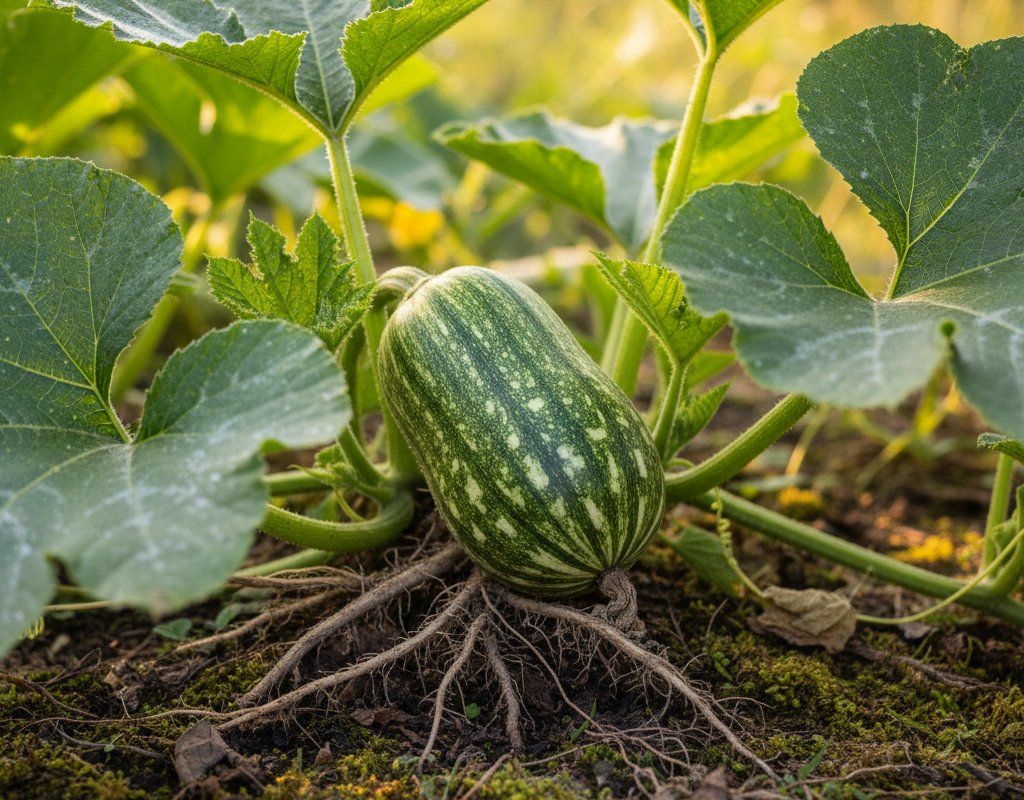
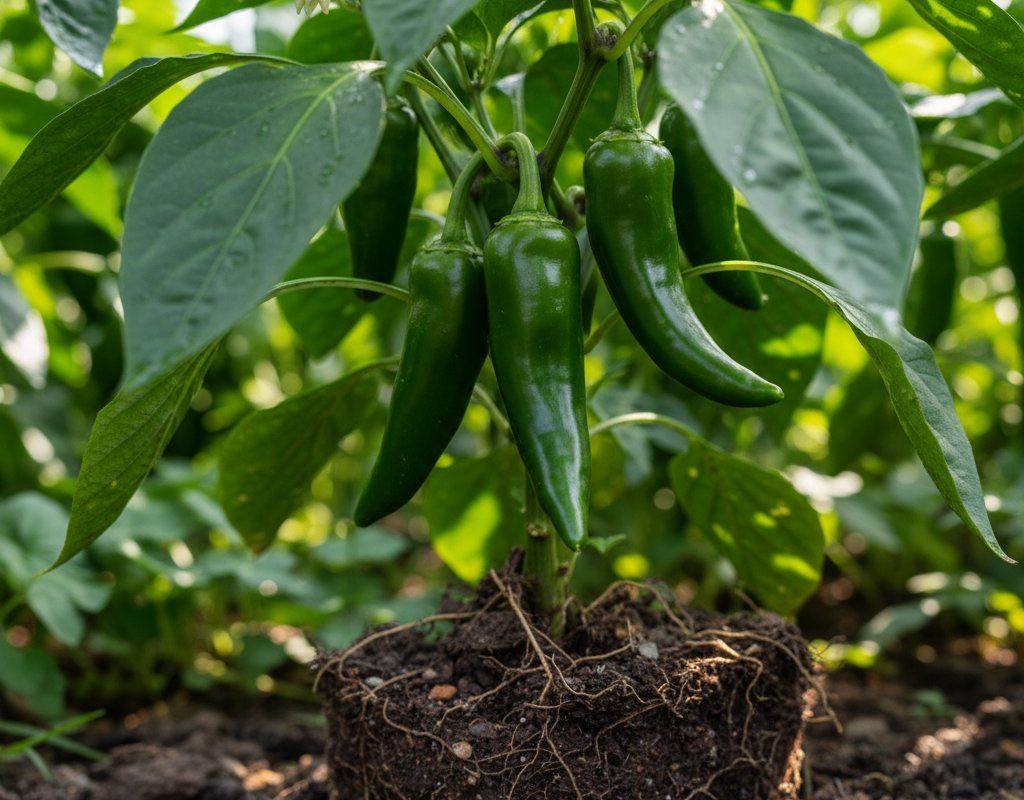
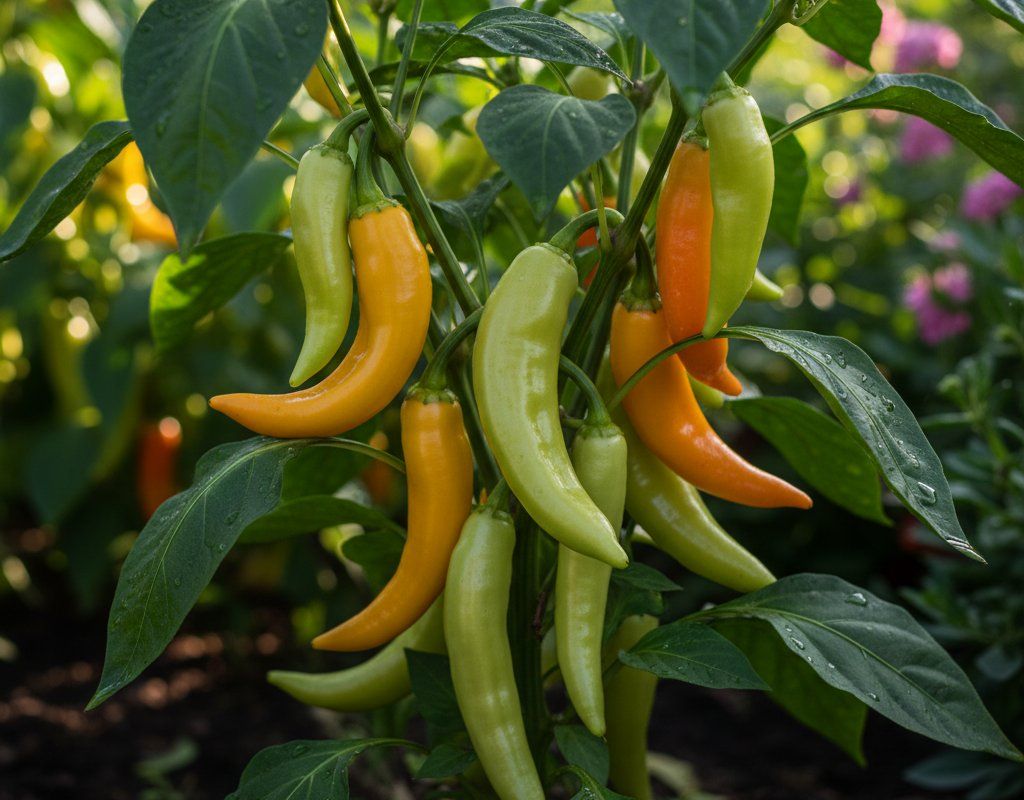
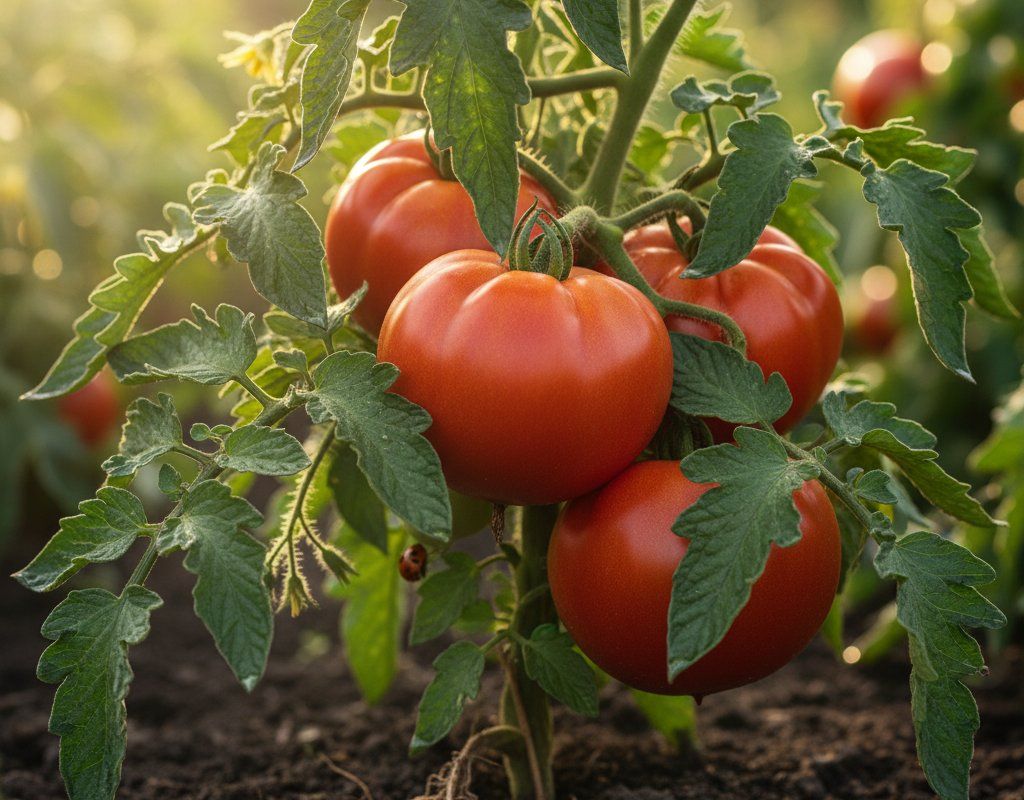
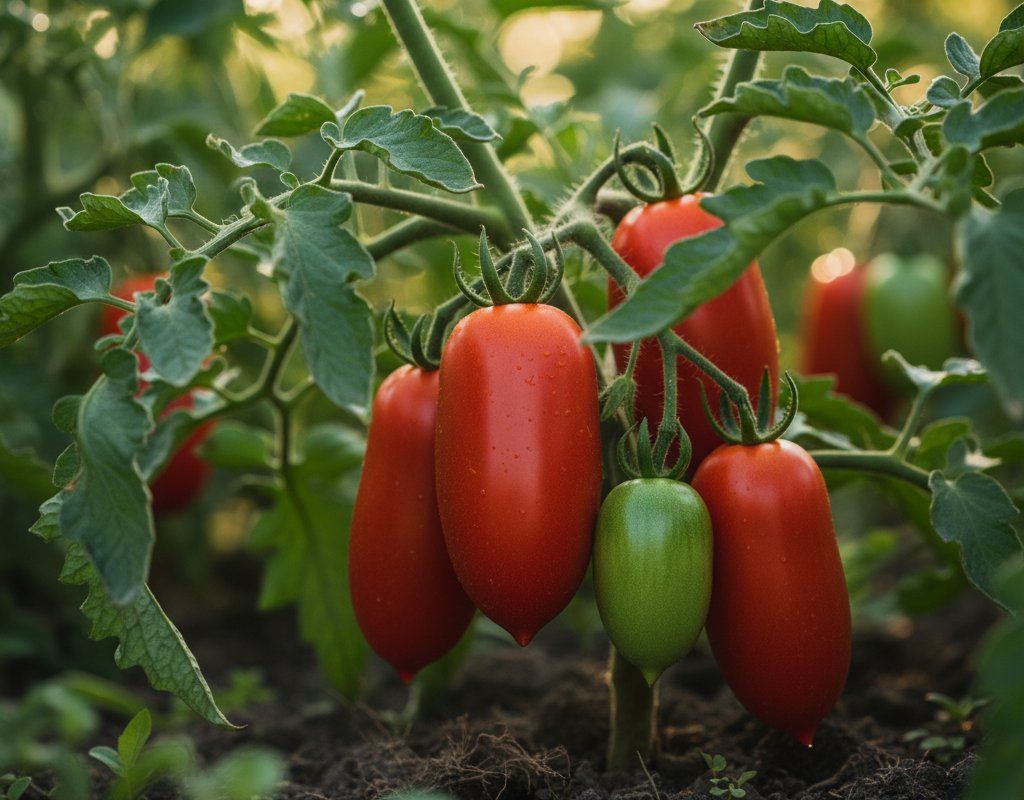
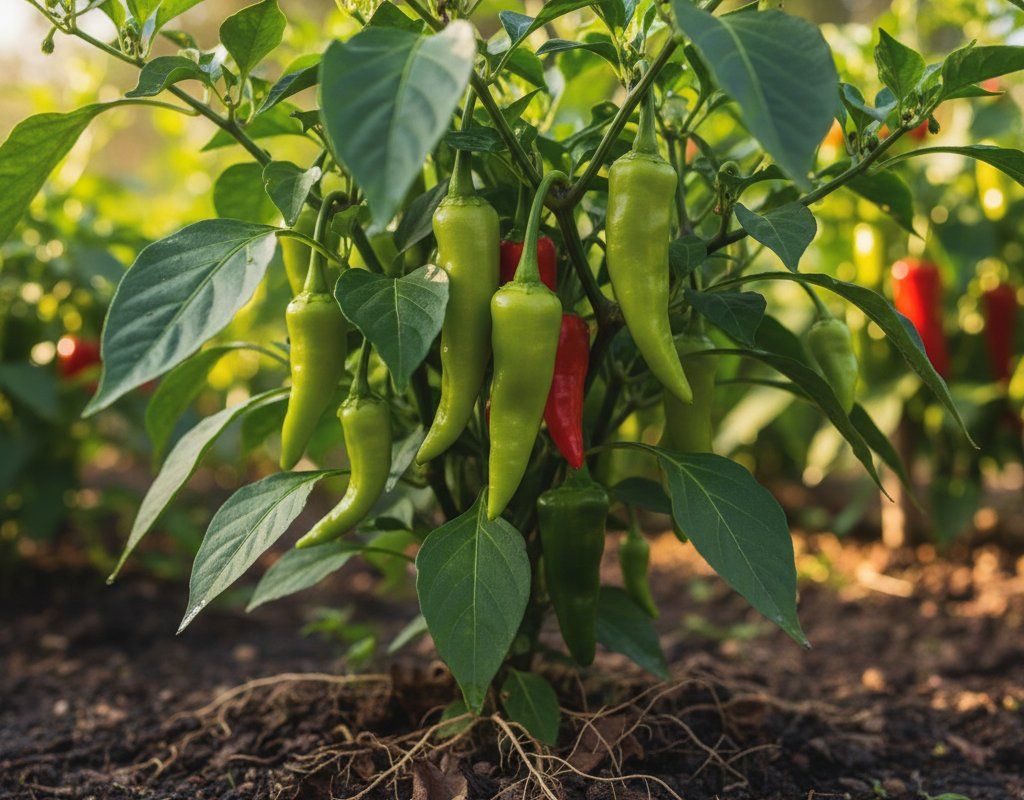
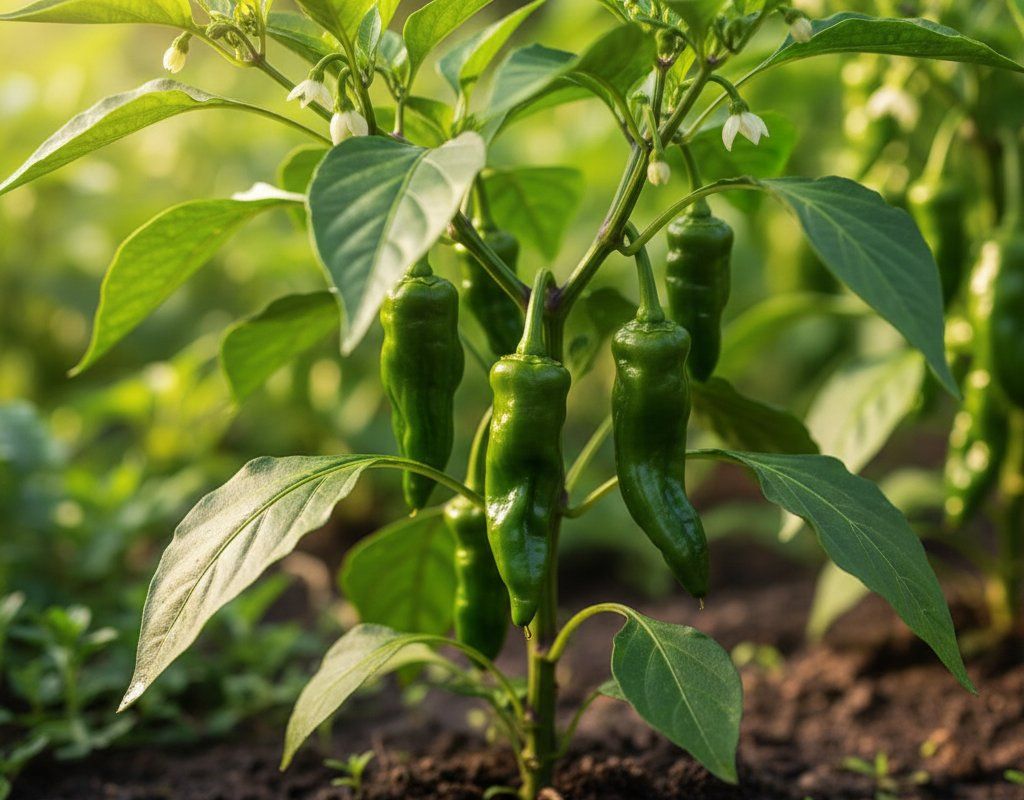
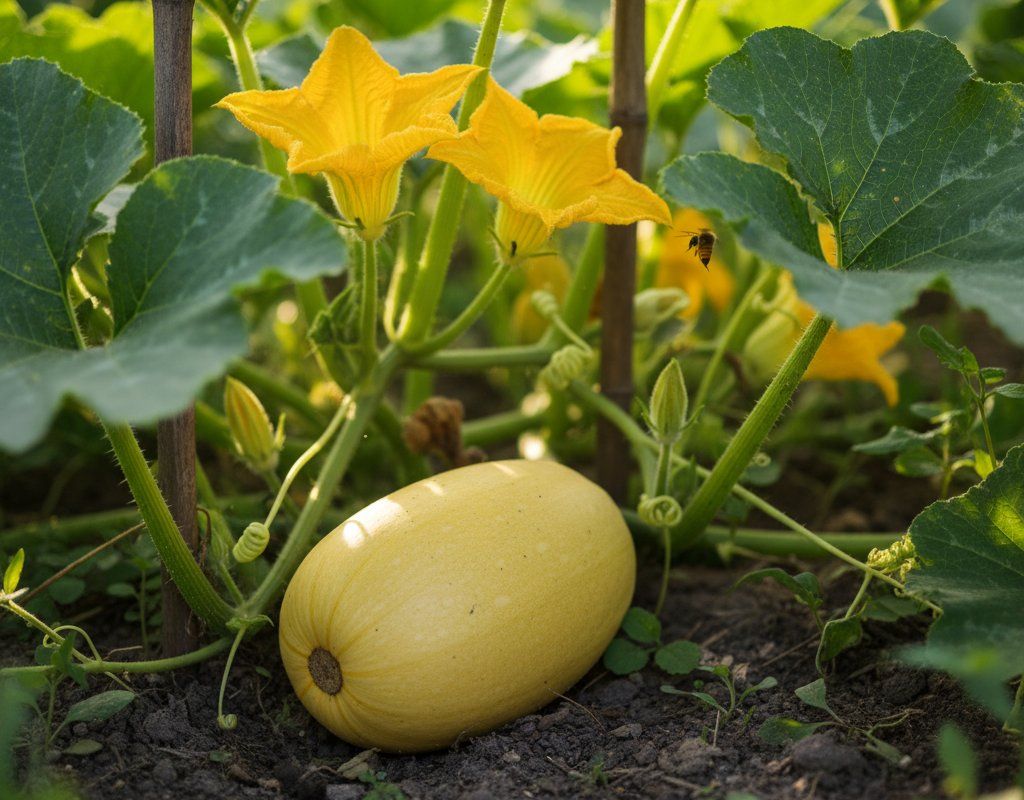
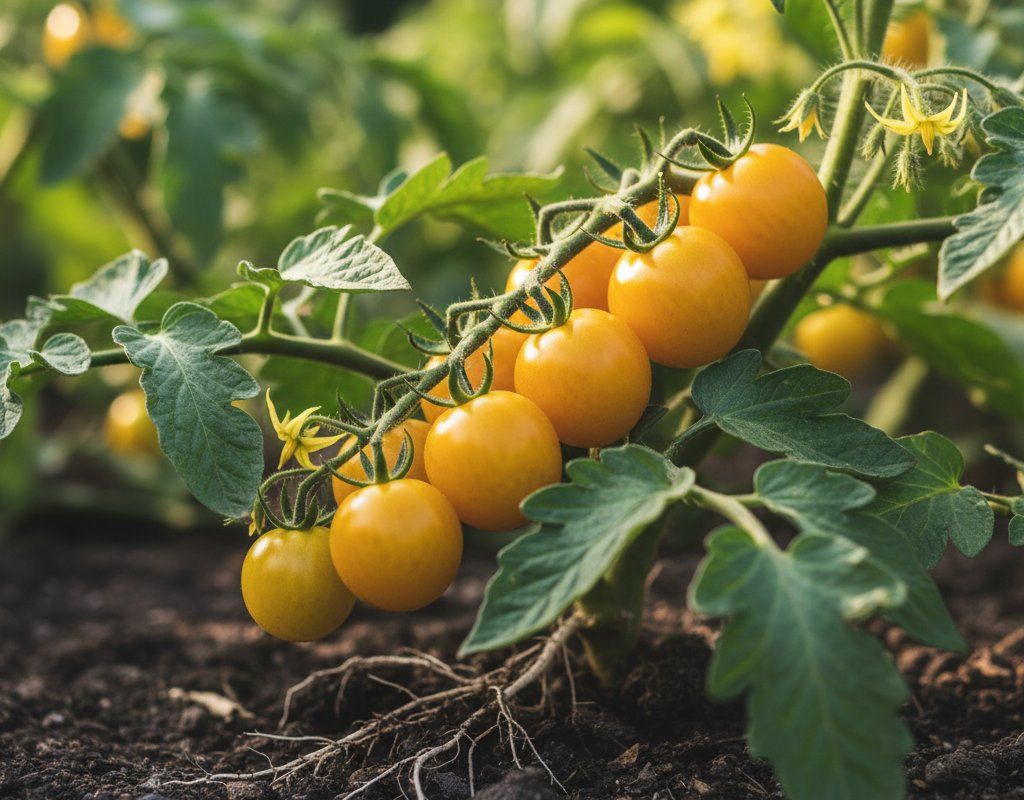
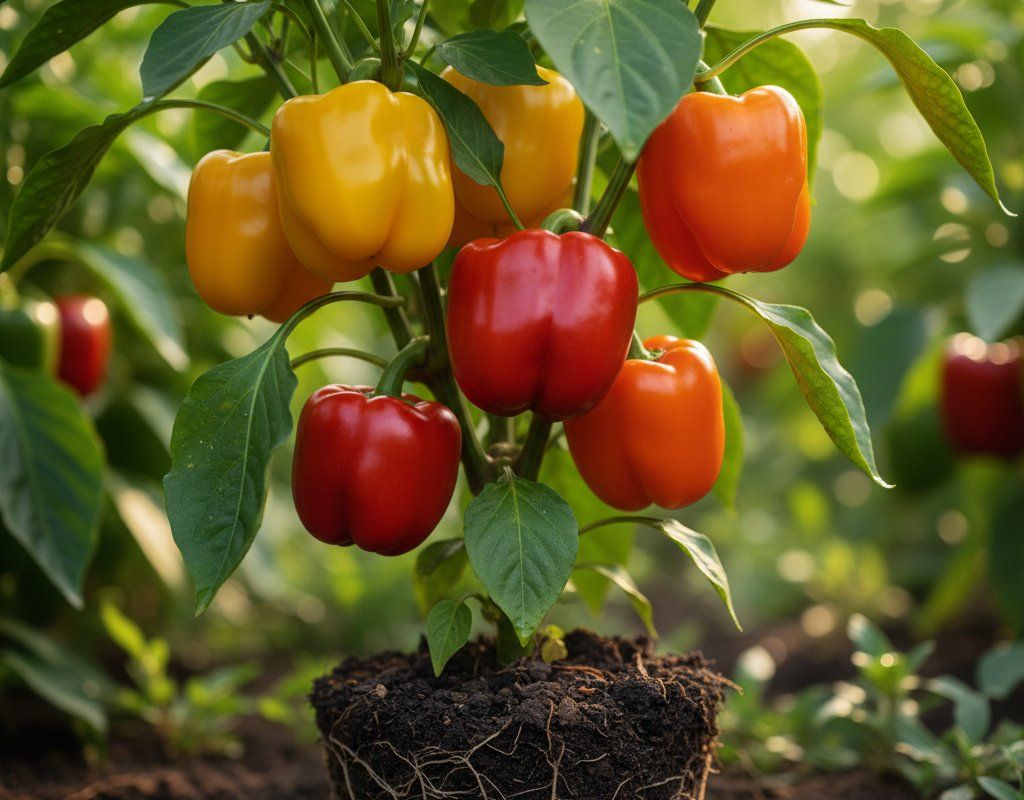
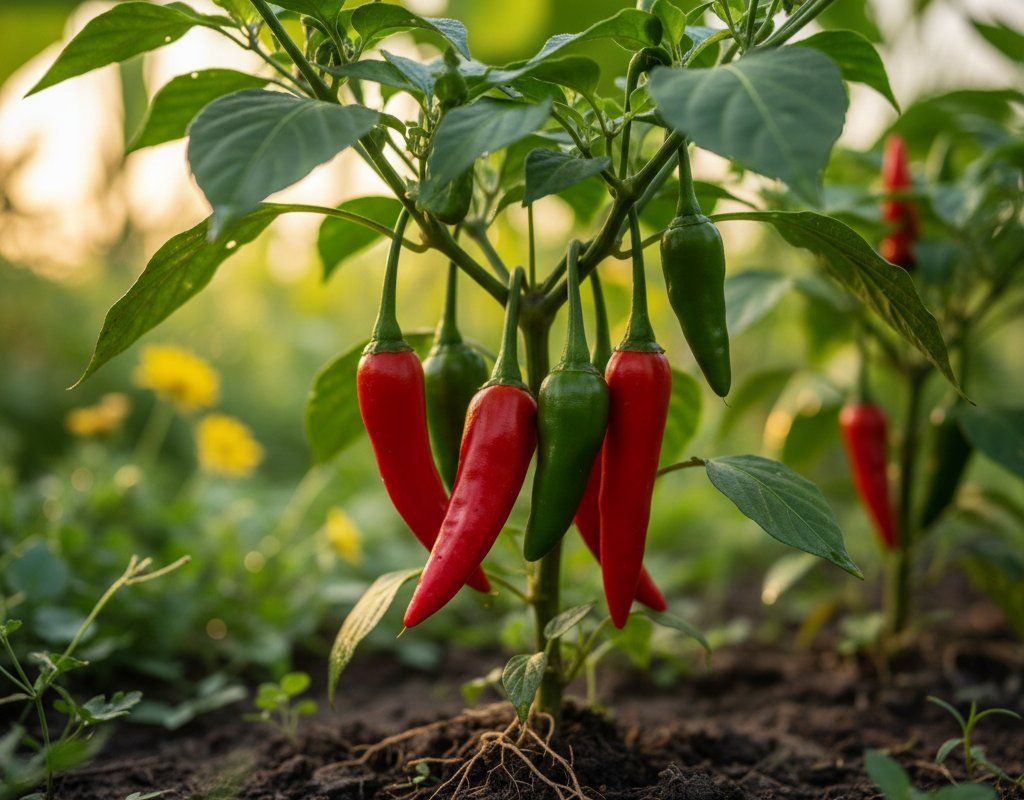
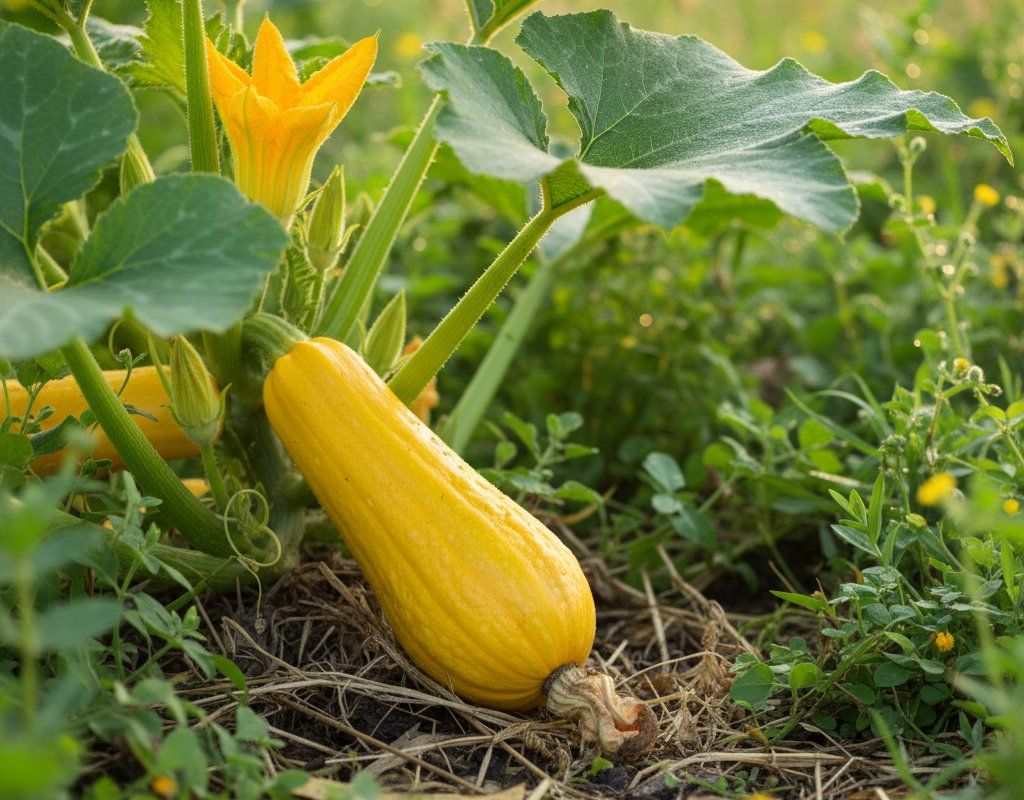
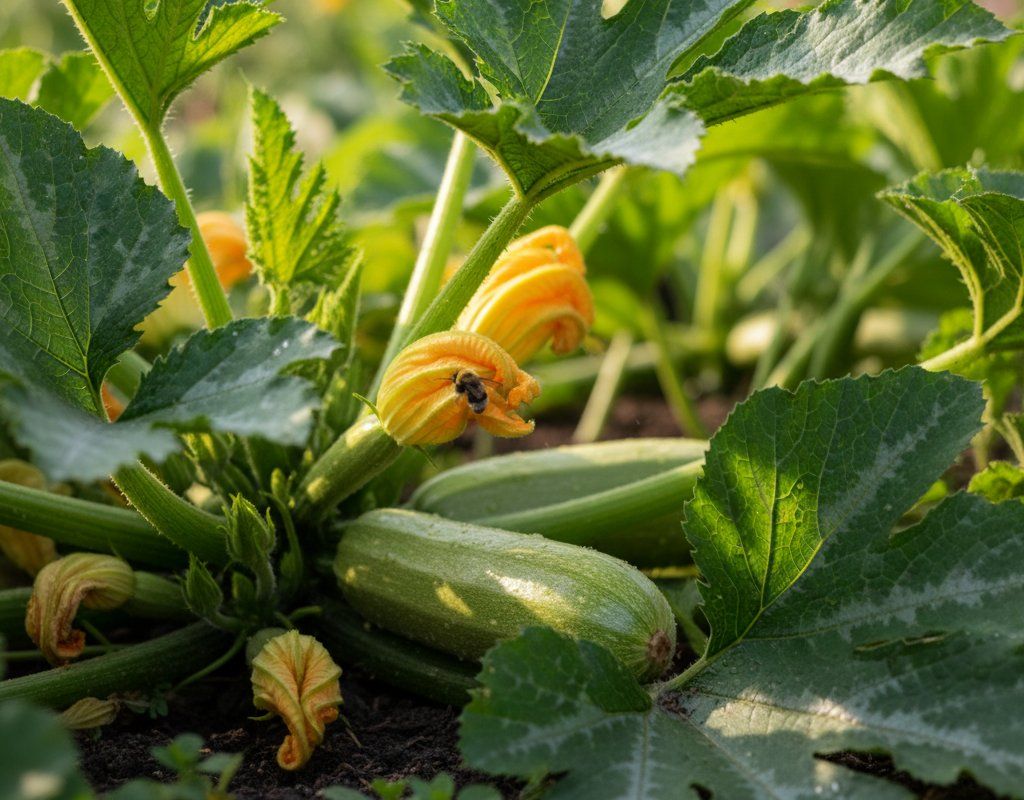
Zone 8B is a gardener's playground with an impressively long 245-day growing season. Your garden gets warm temperatures early and stays productive well into autumn, giving you incredible flexibility for crop selection. You'll find this zone particularly forgiving for heat-loving plants like tomatoes, peppers, and squash, which absolutely thrive in the extended warm periods.
The primary challenge in Zone 8B is managing water and heat, especially during intense summer months. Your garden will need strategic mulching, smart irrigation, and heat-tolerant plant selections. However, the advantages far outweigh the challenges - you can grow an astonishing variety of vegetables, herbs, and even some fruits with relative ease.
✓ Regional Advantages
- • Long growing season
- • Reliable summer rain
- • Excellent for warm-season crops
⚠ Regional Challenges
- • Humidity and fungal disease
- • Japanese beetles
- • Deer
- • Clay soil
- • Summer heat
Southeast Climate Profile
Hot, humid summers with distinct seasons and afternoon thunderstorms
Best Plants for Zone 8B
103 plants thrive in Zone 8B's 255-day growing season. Click any plant for zone-specific planting dates.
🍅Fruiting Vegetables (37)

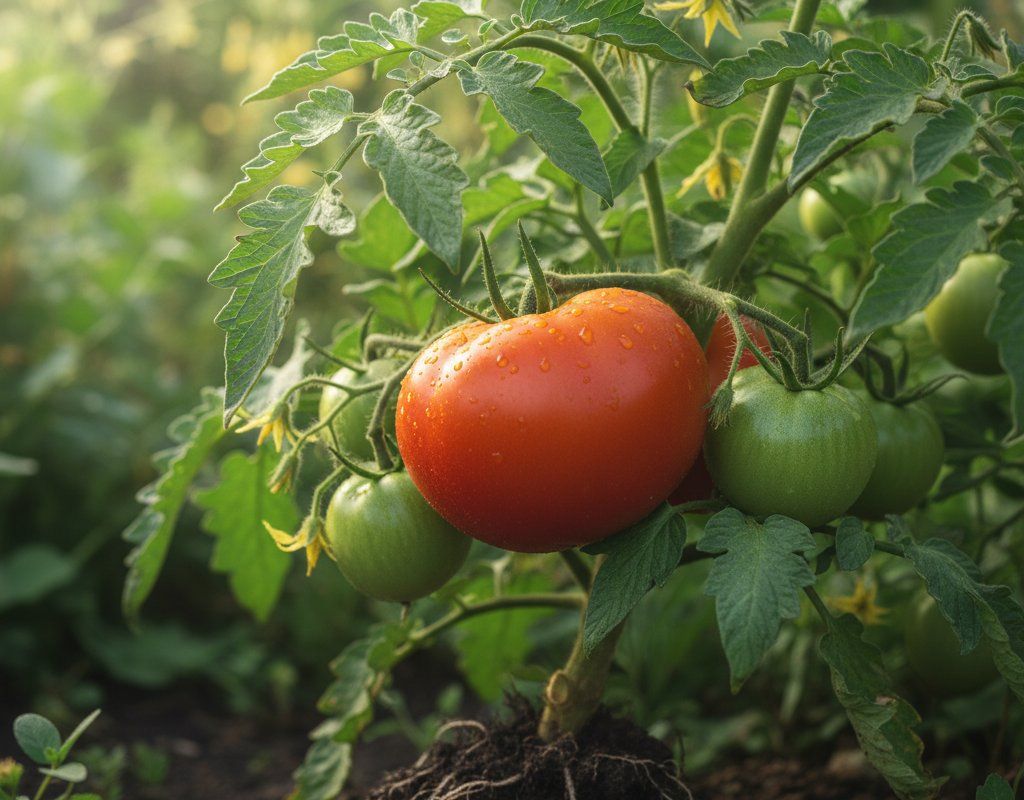
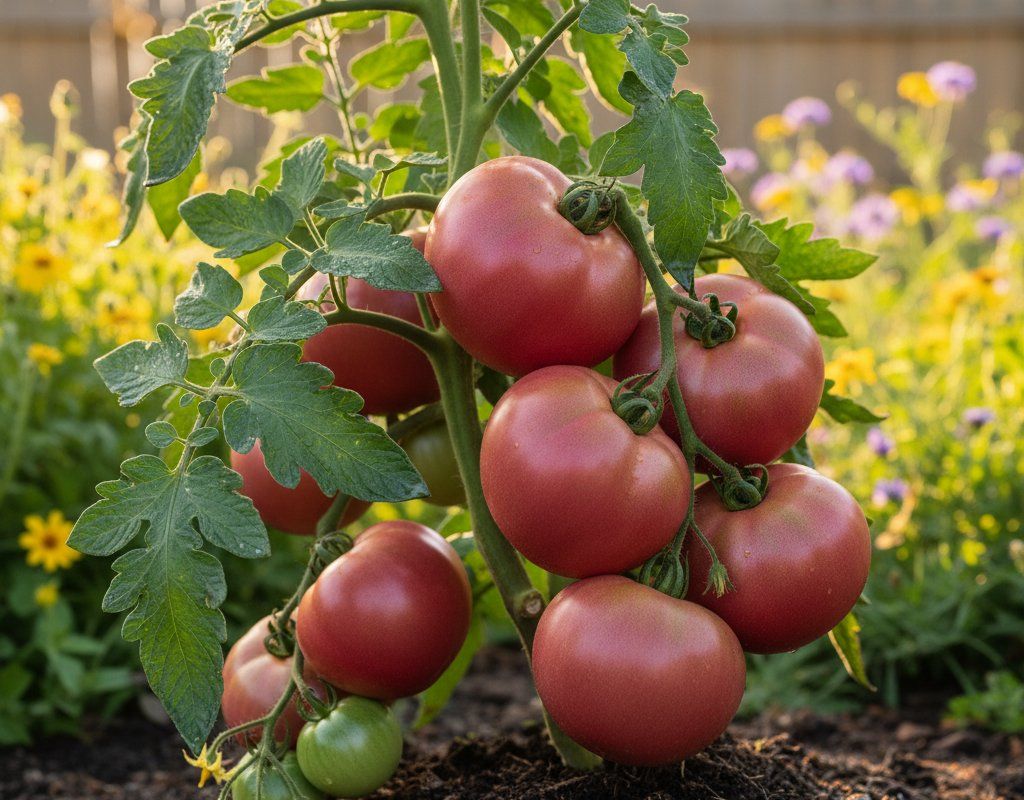
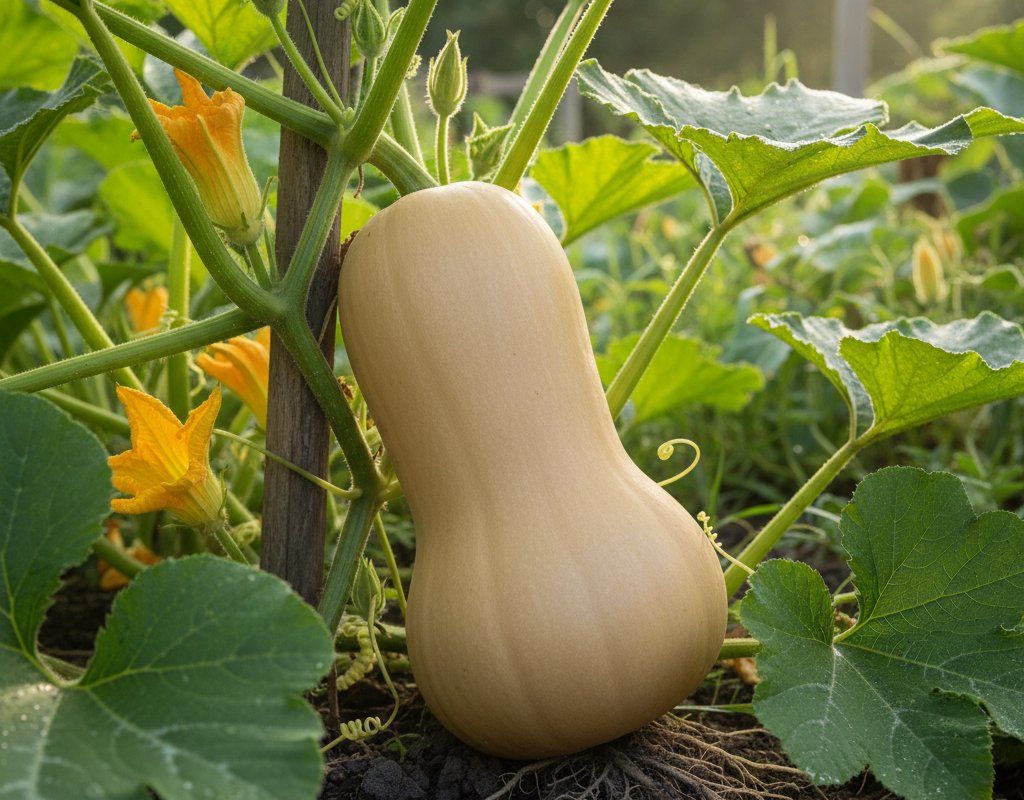
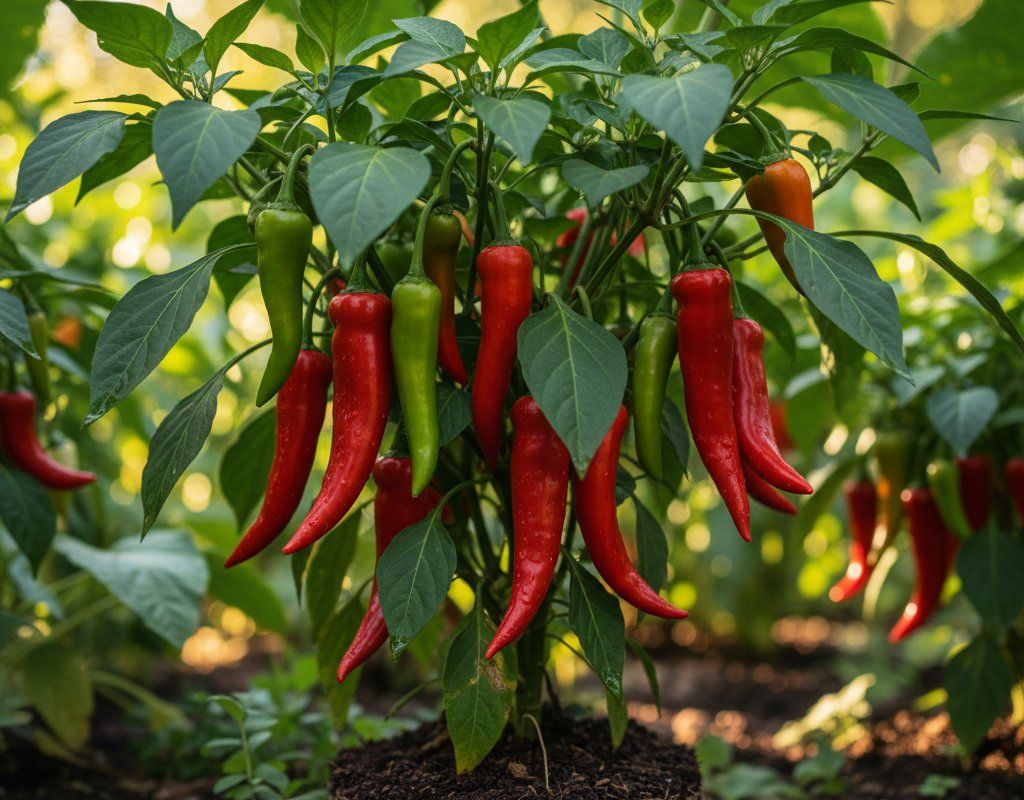
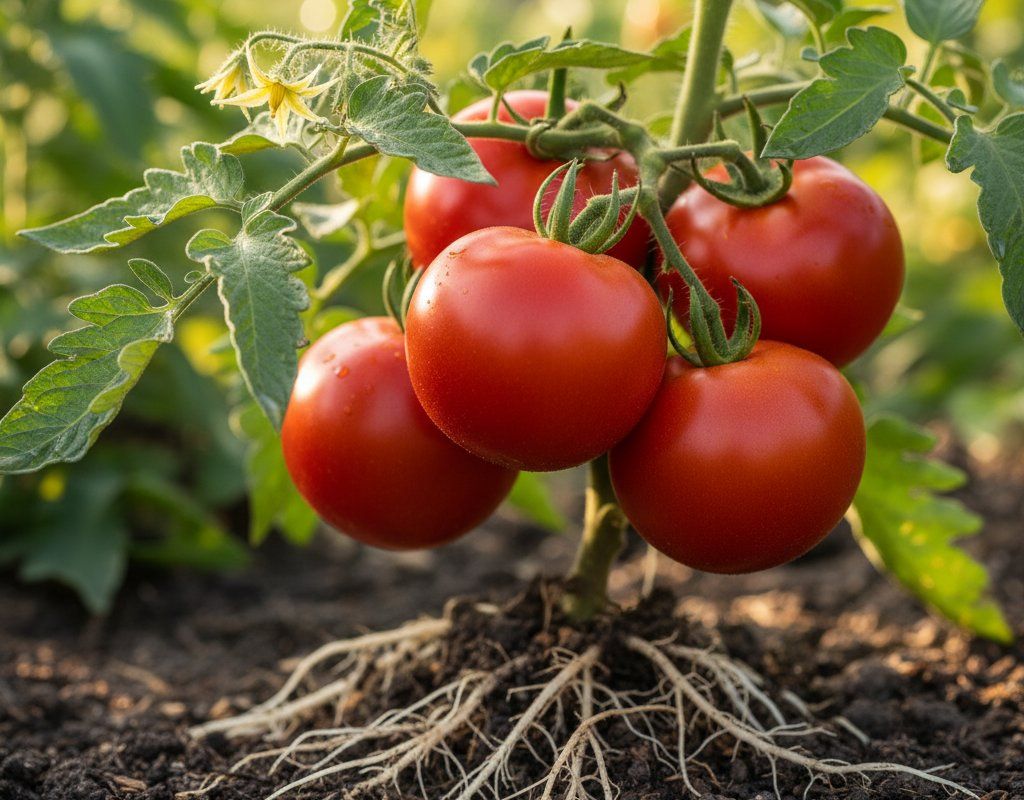

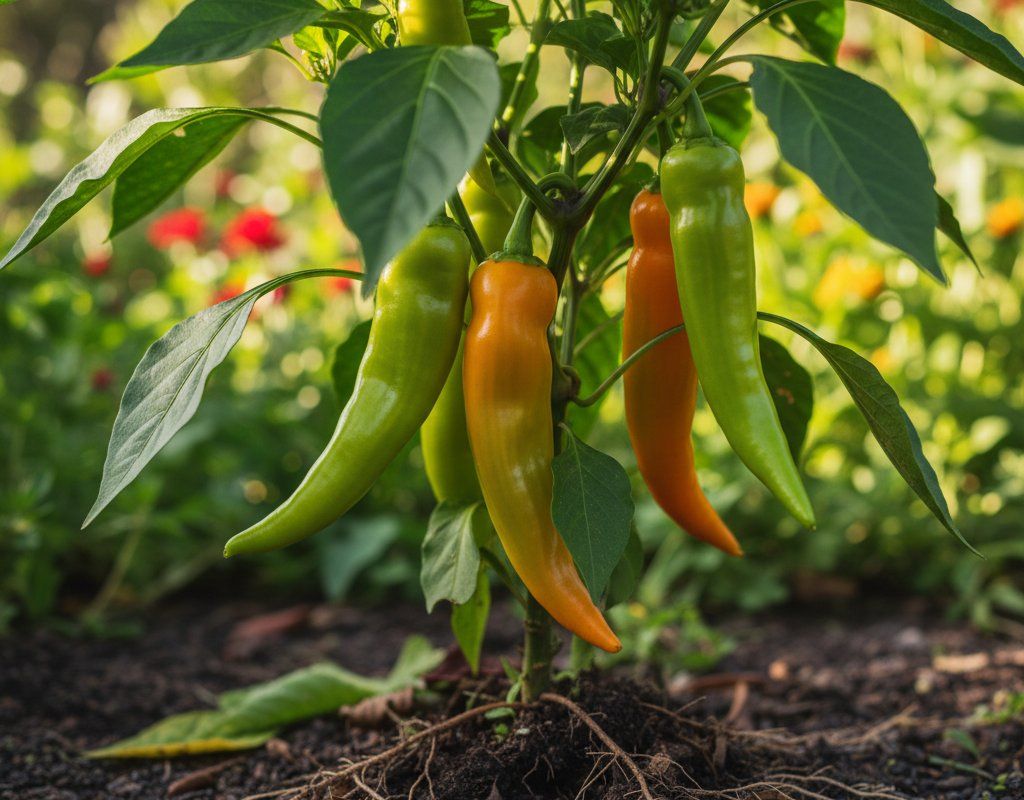

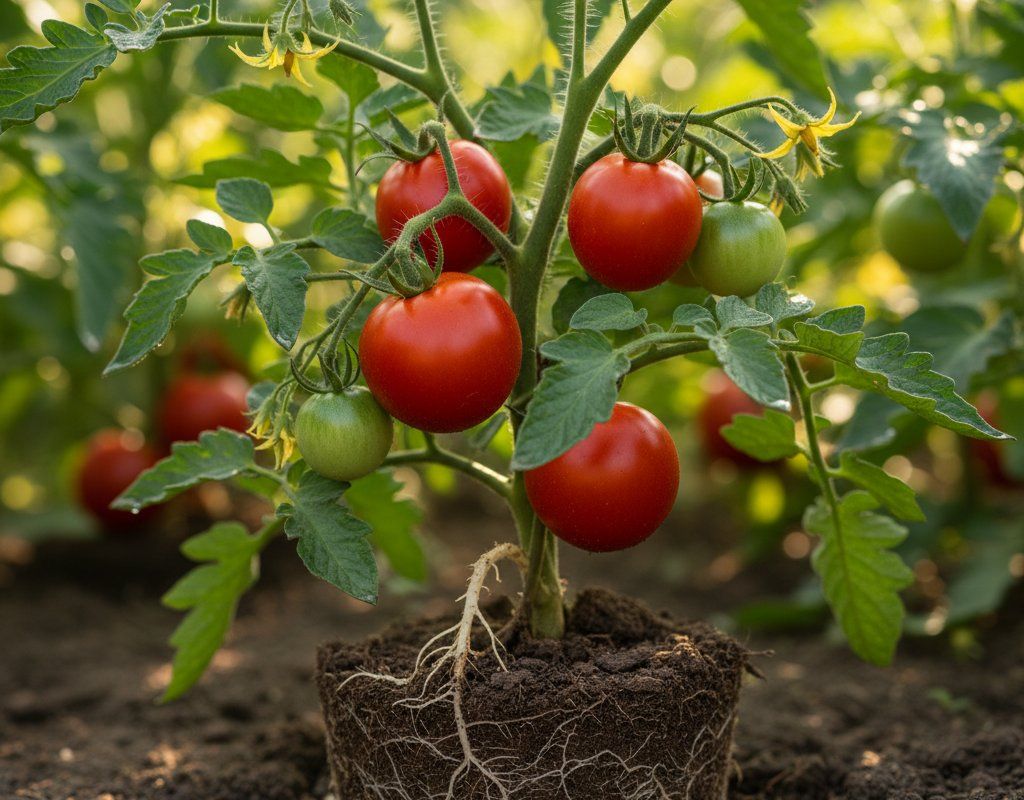
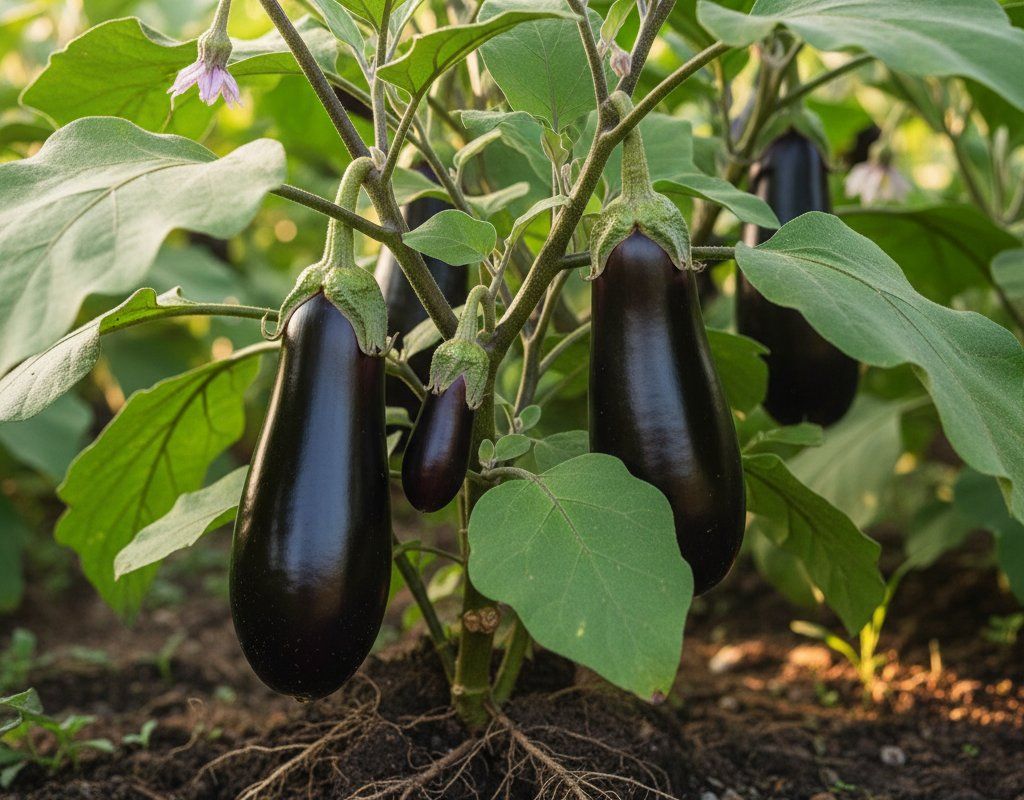

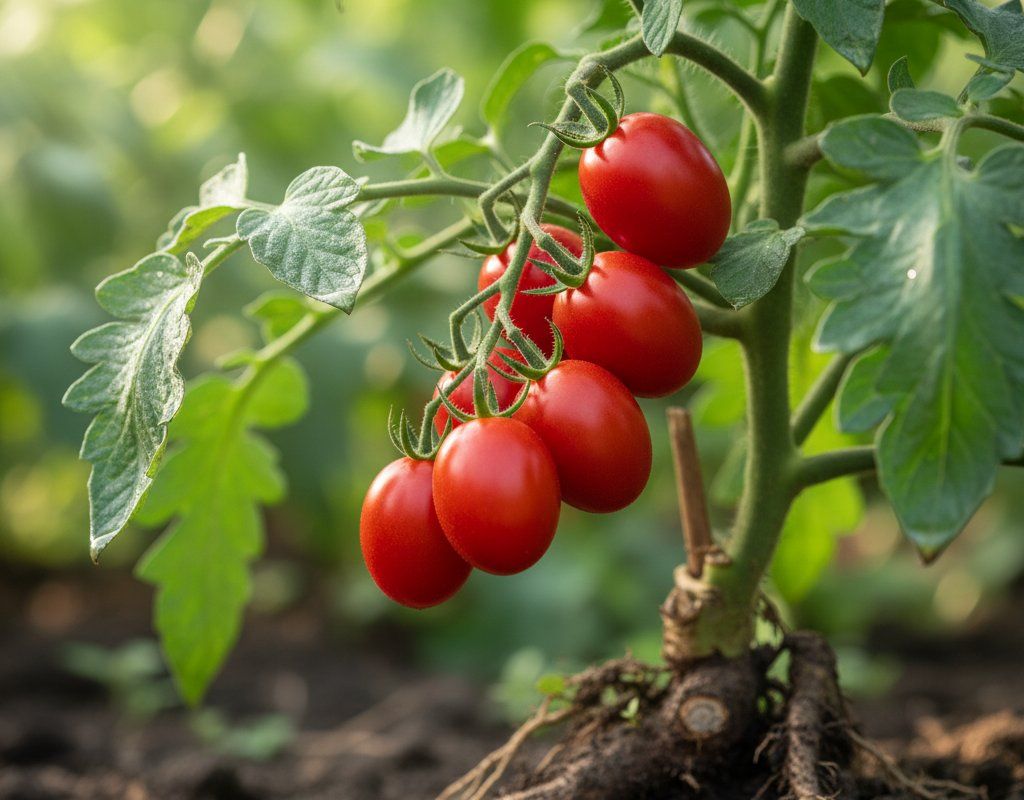
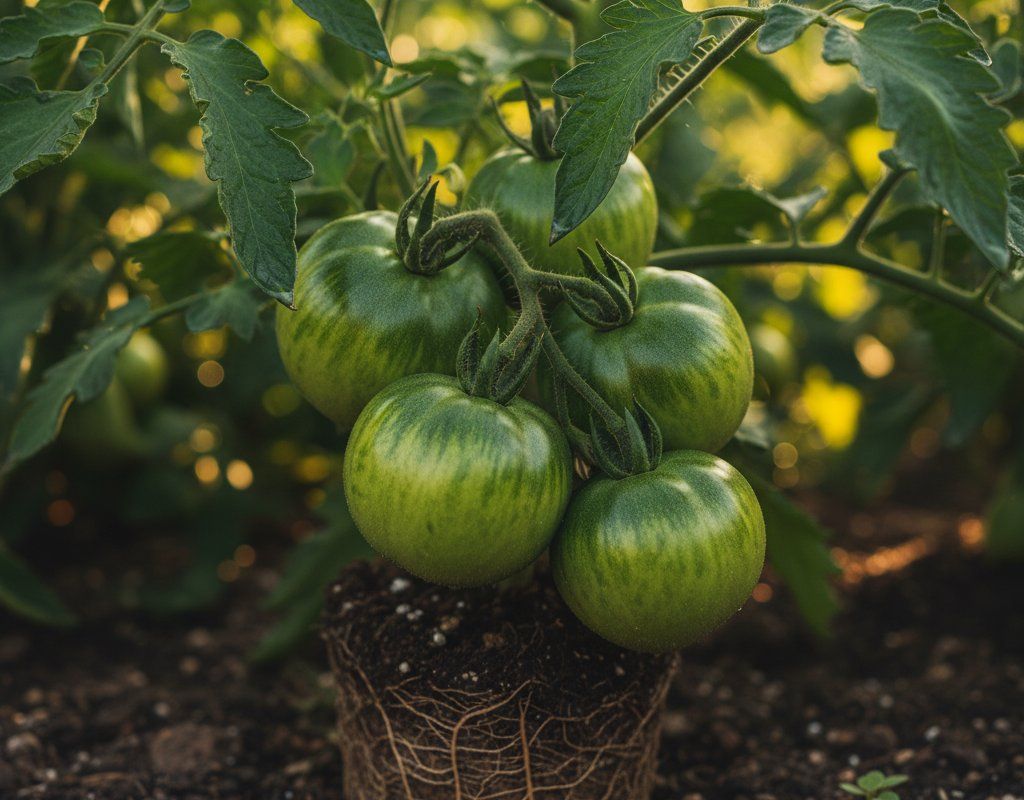
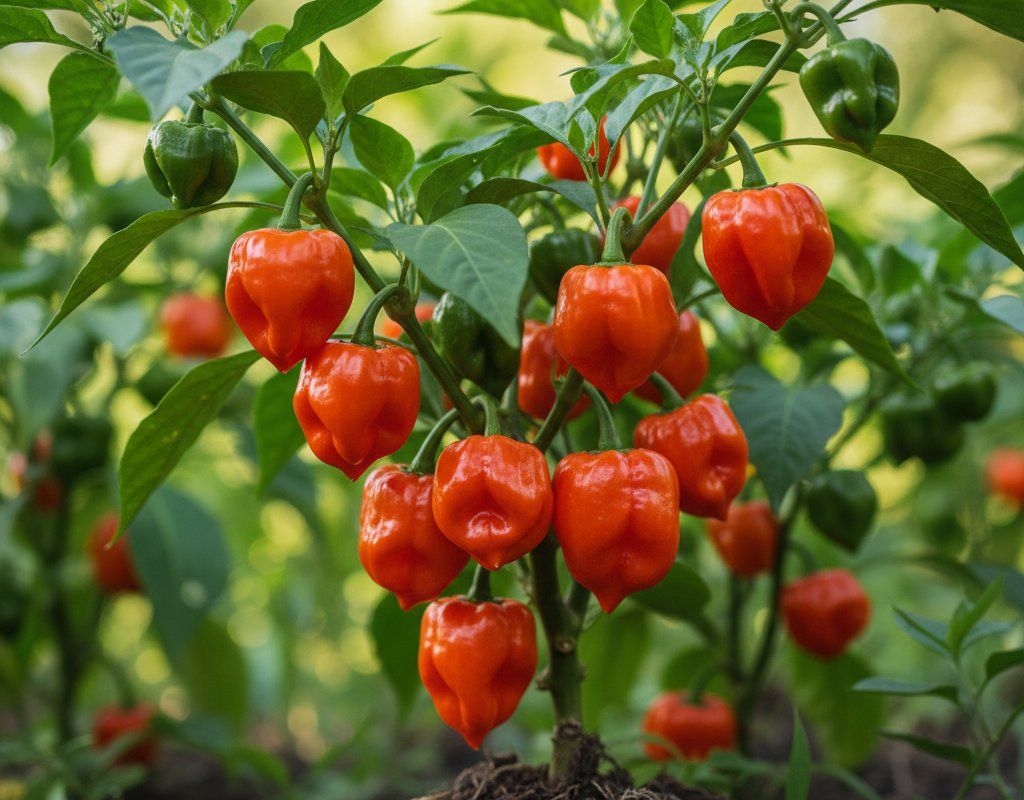
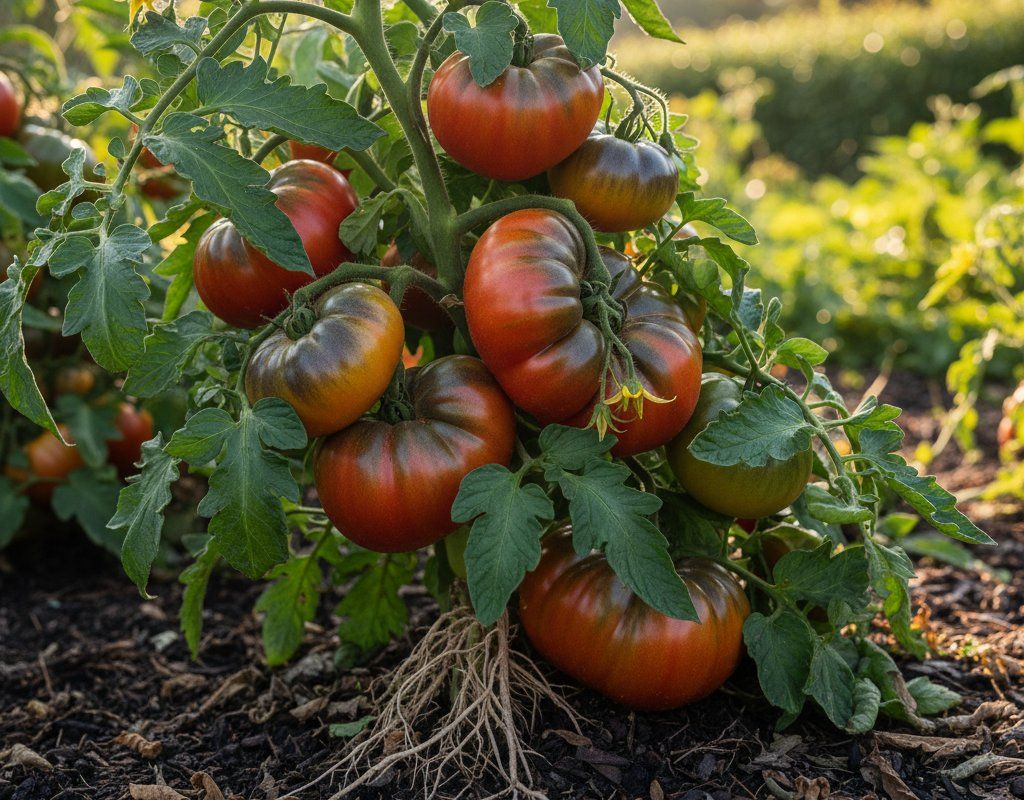
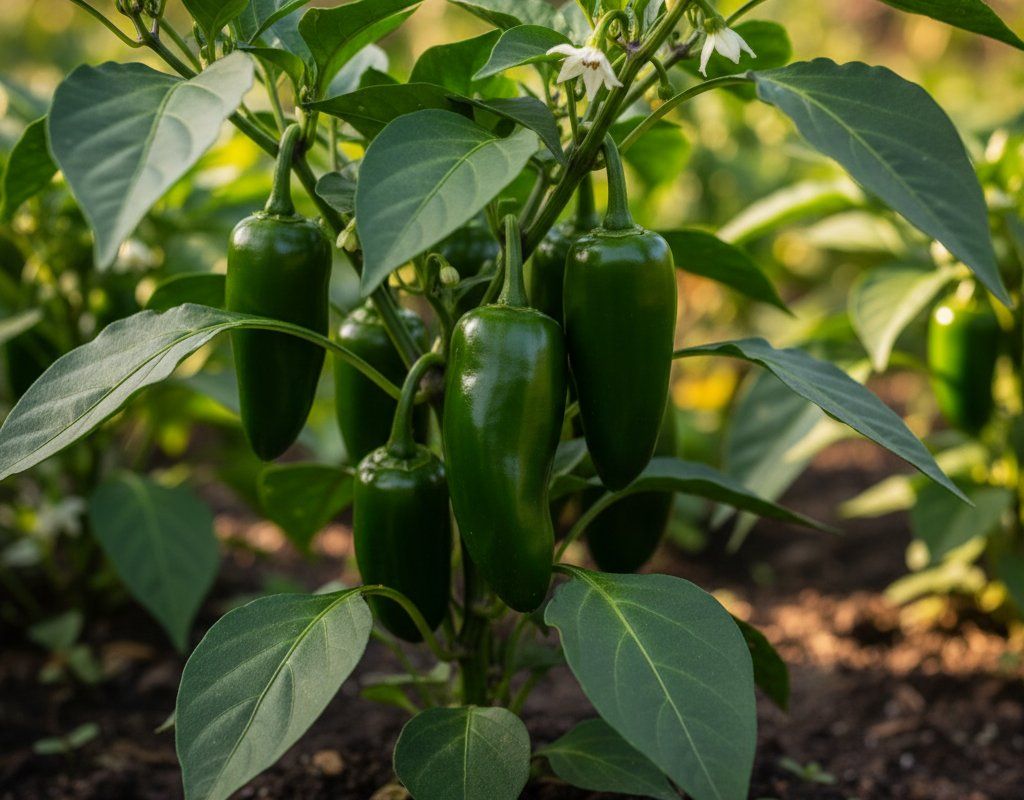

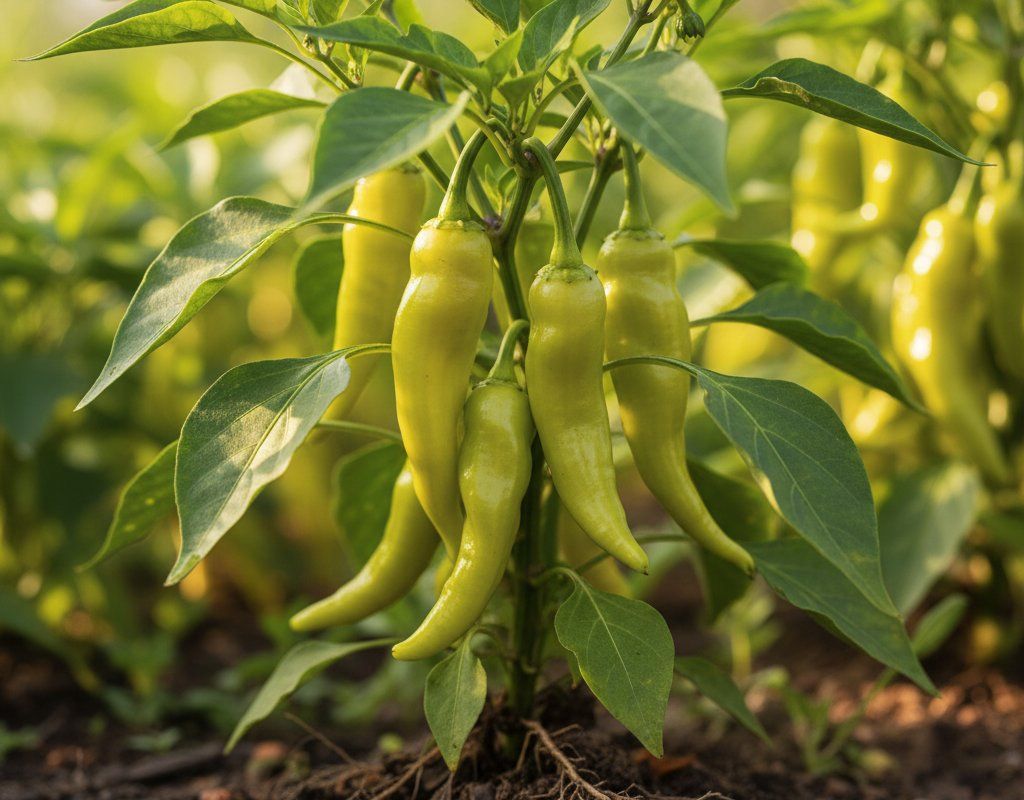
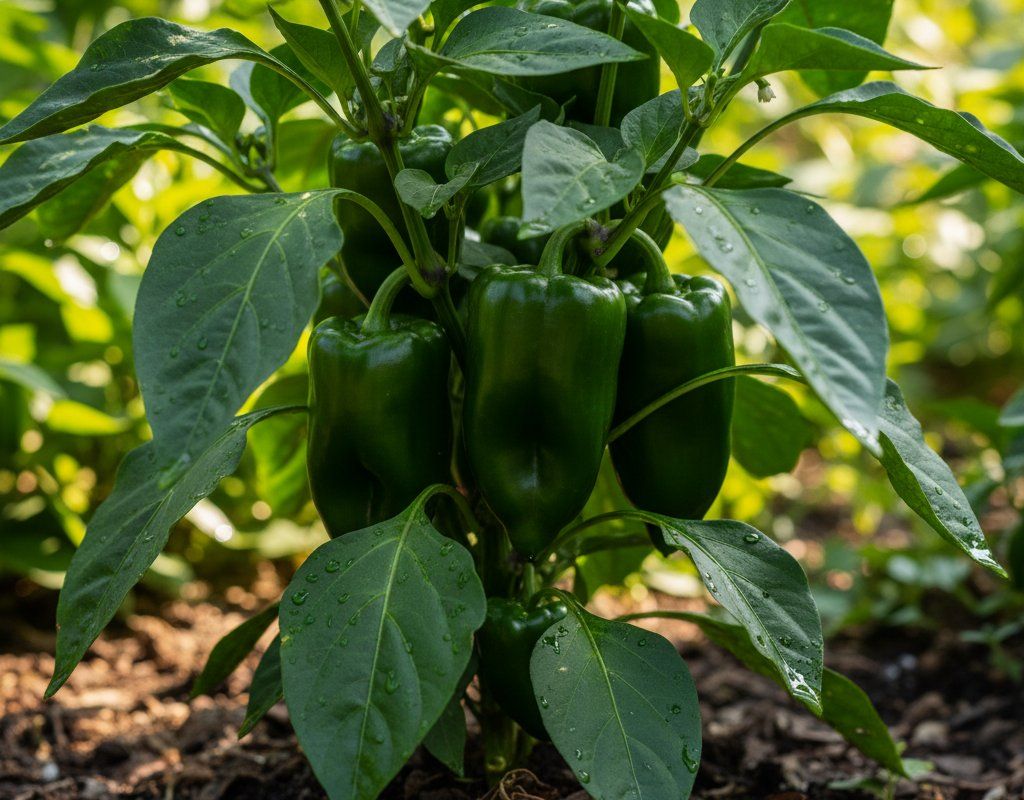

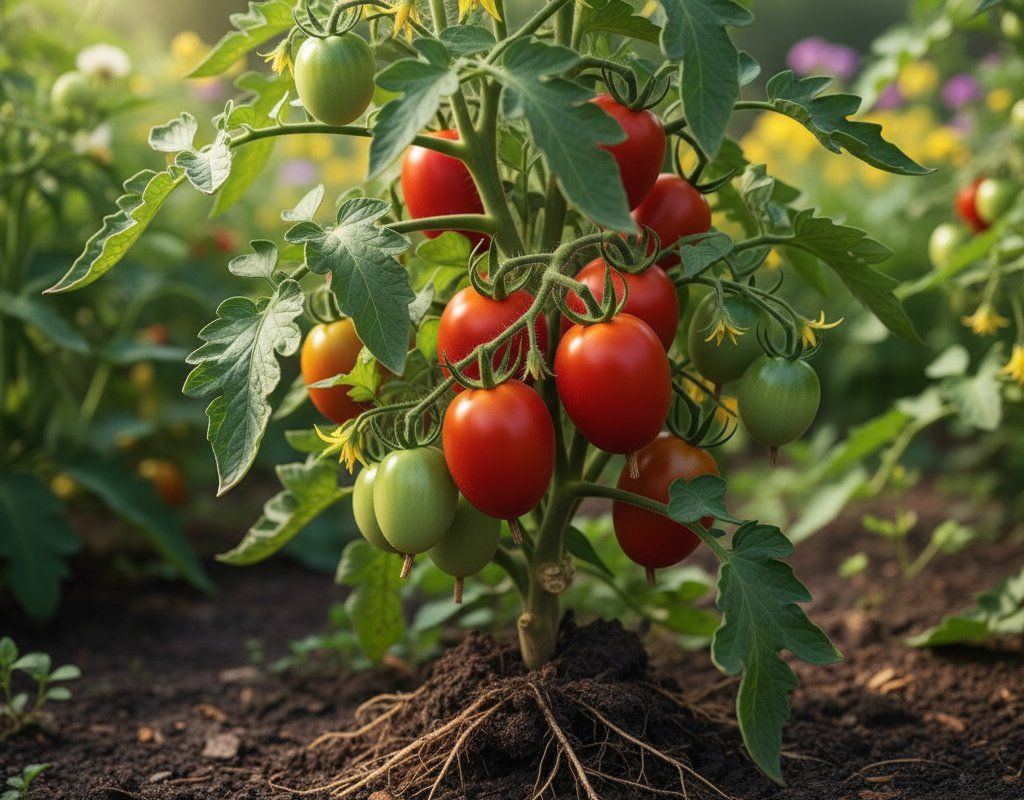


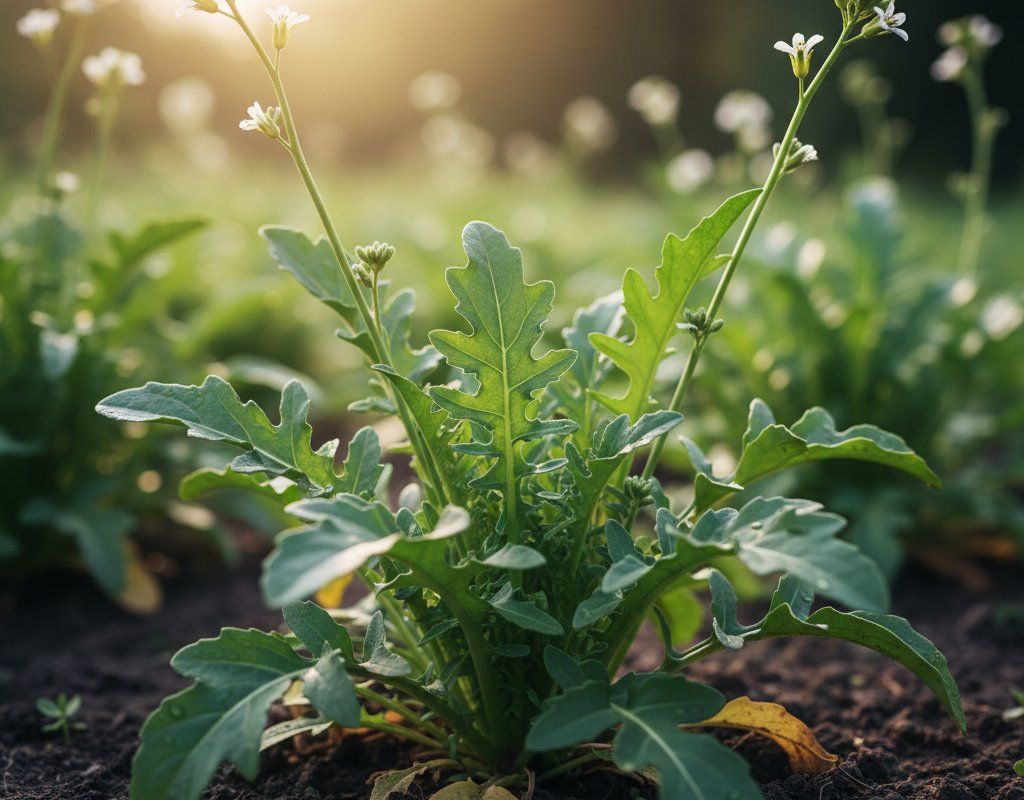
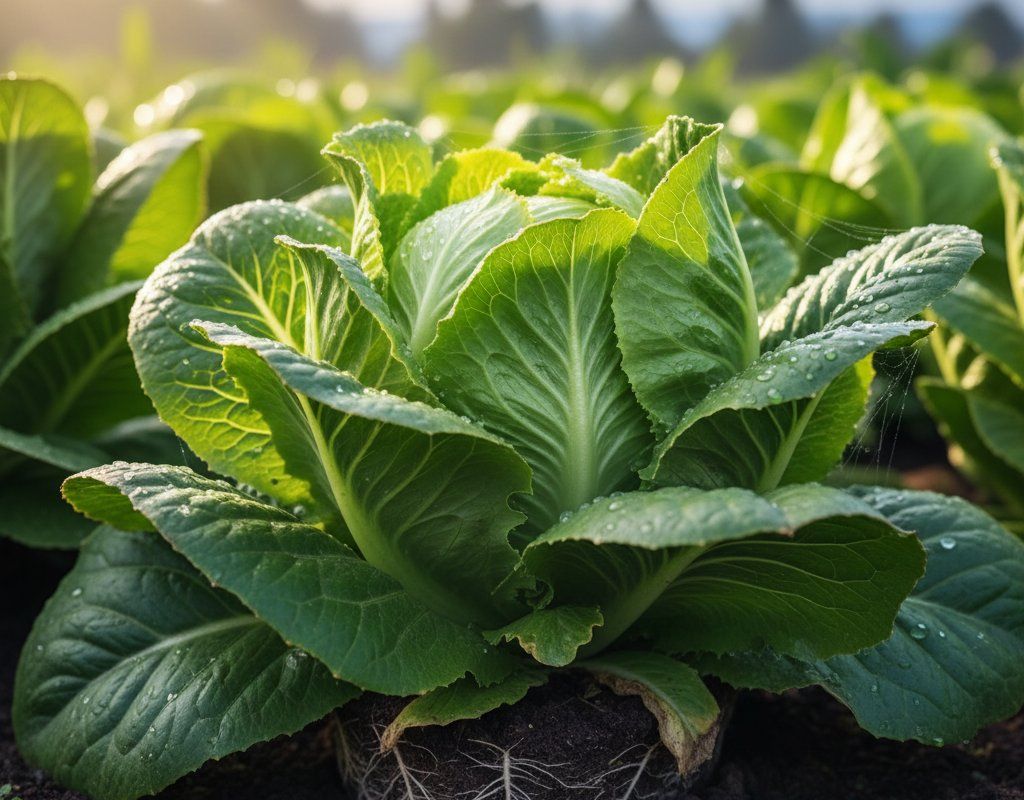
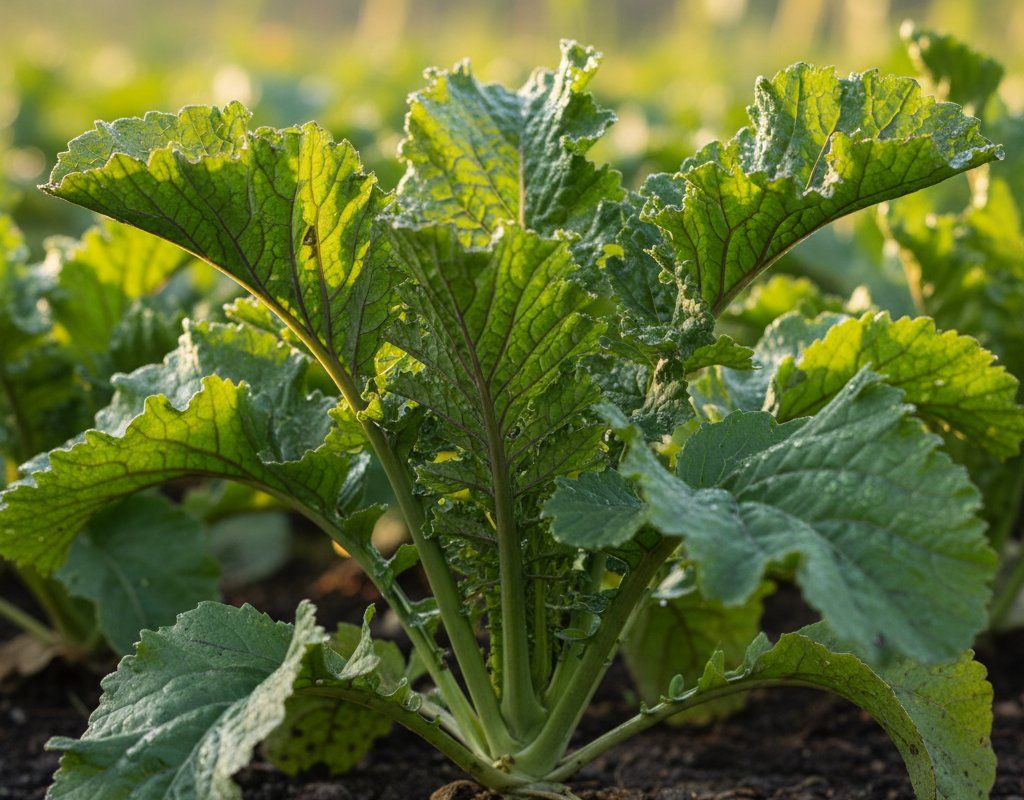
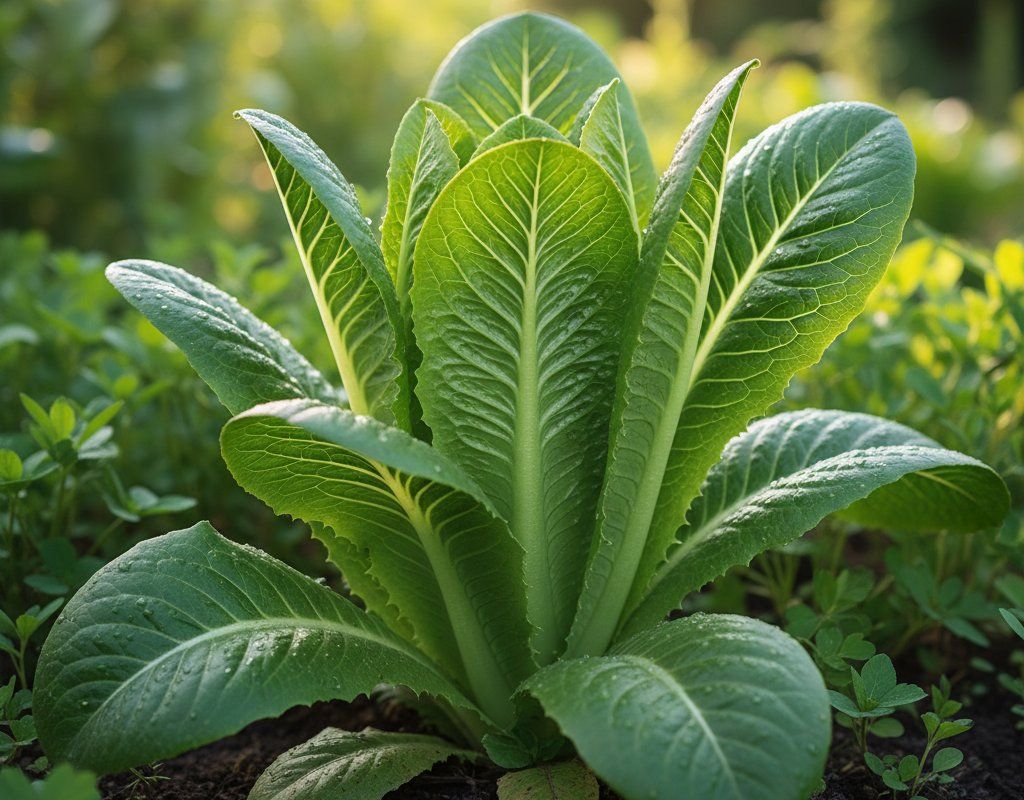
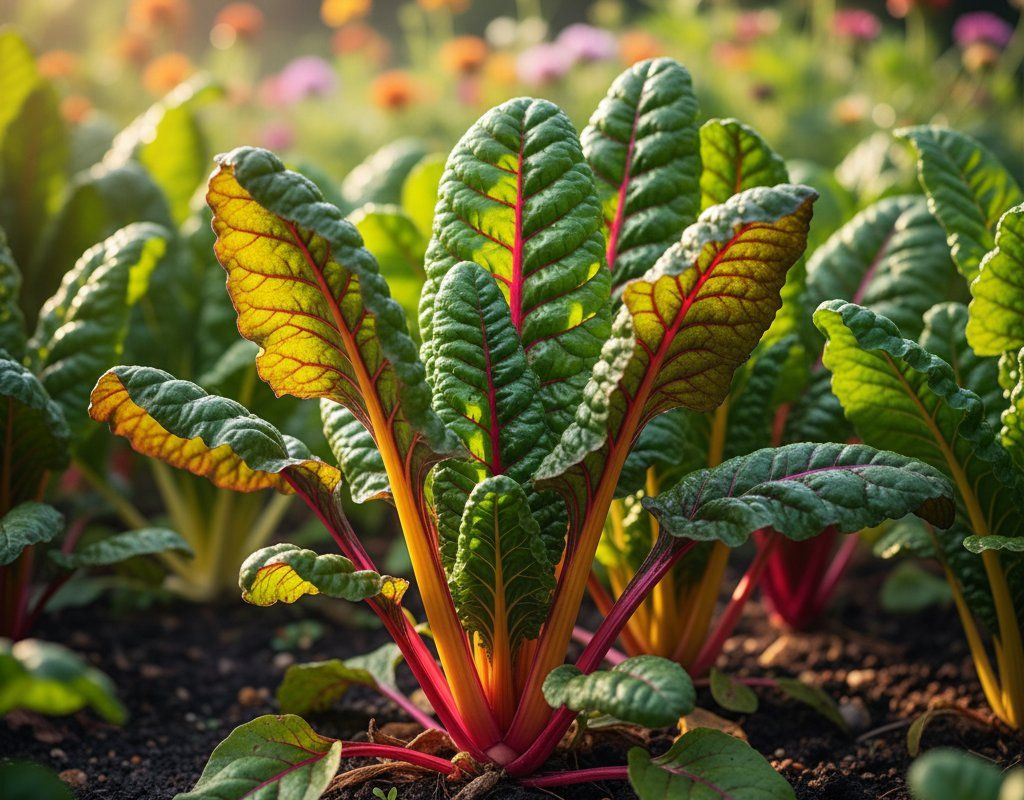
🥬Leafy Greens (9)



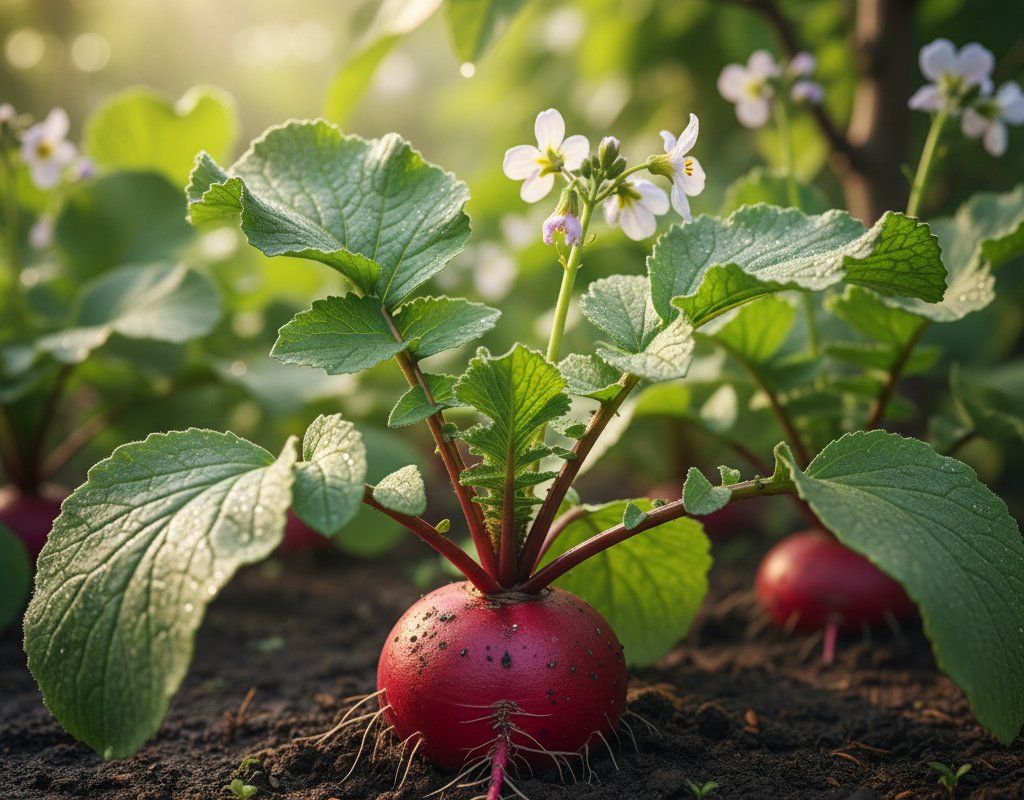
🥕Root Vegetables (5)



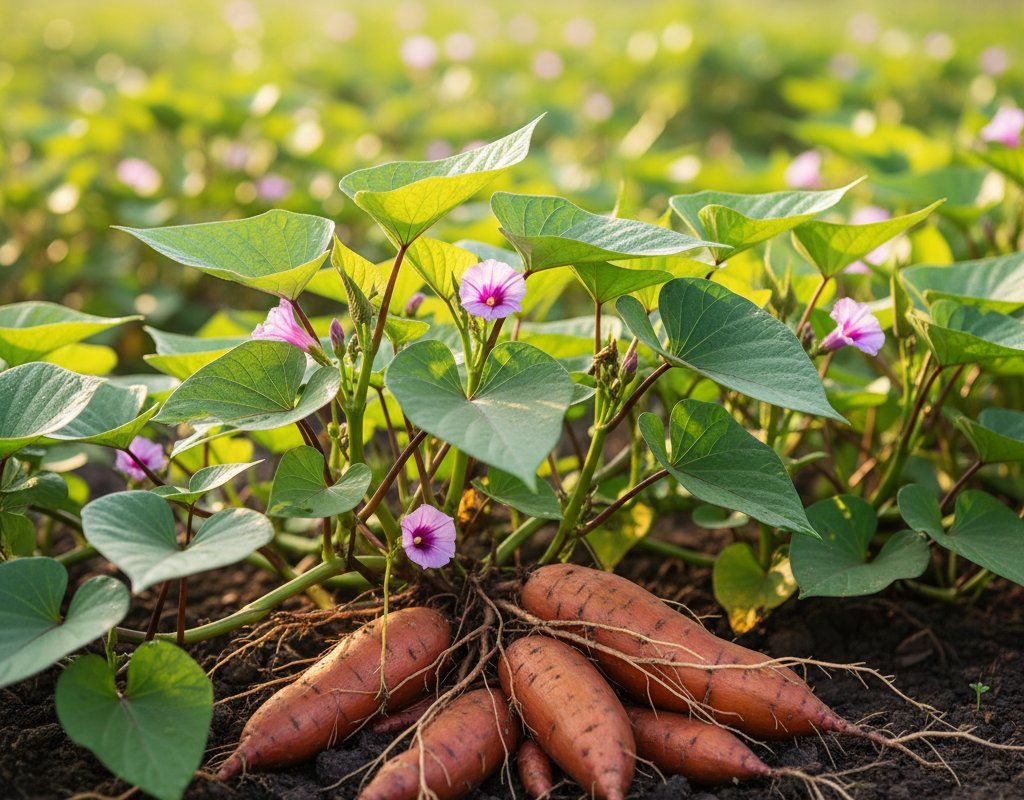
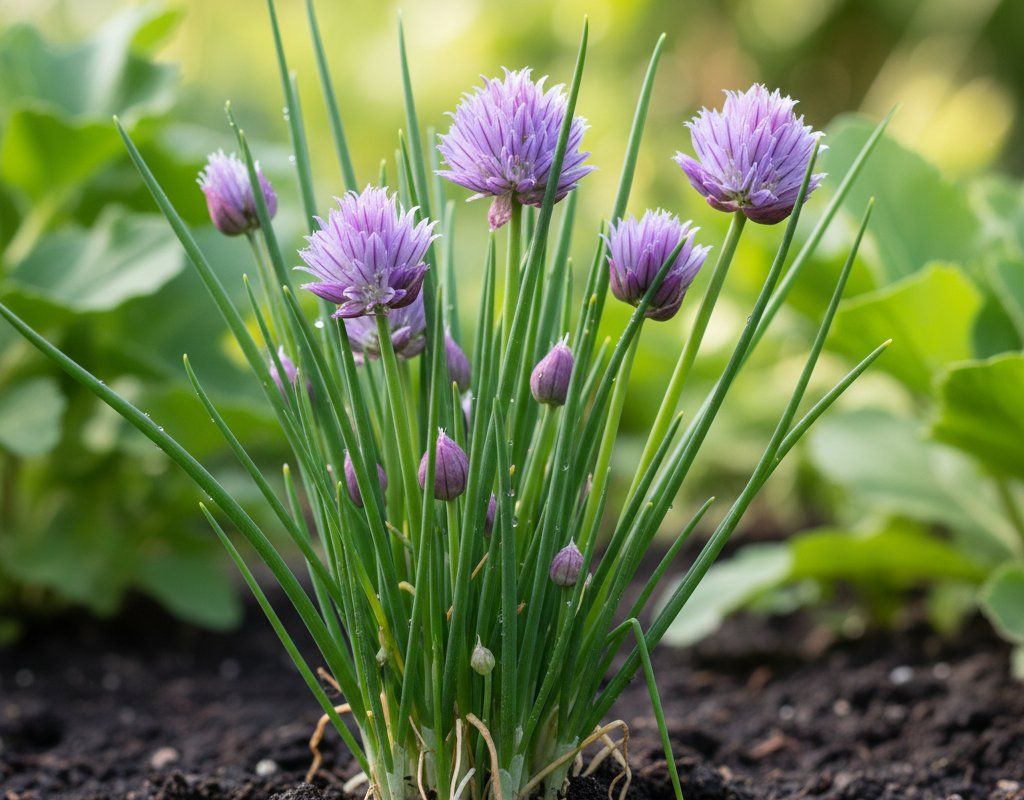
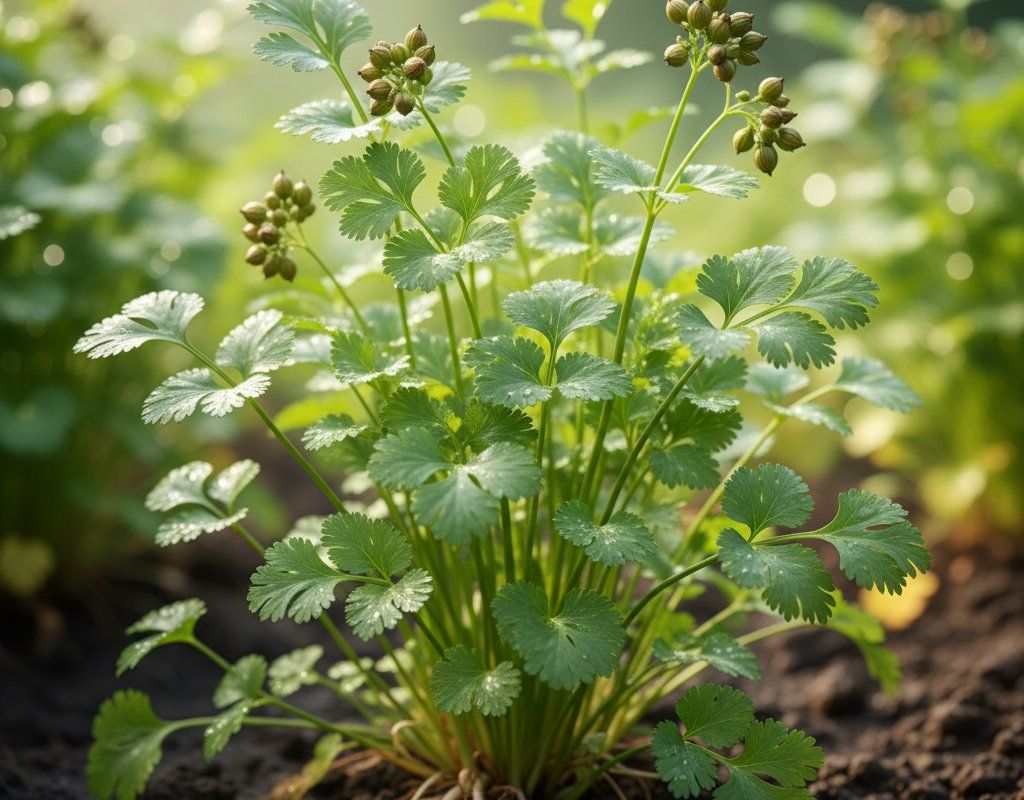
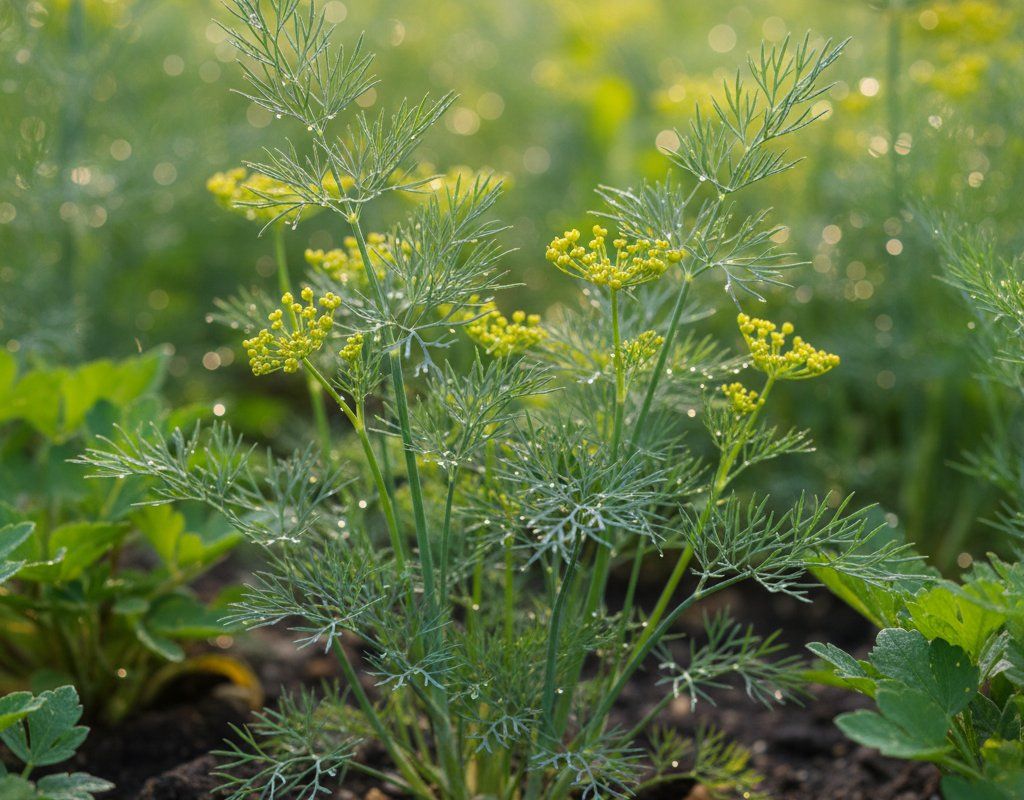
🌿Herbs (12)


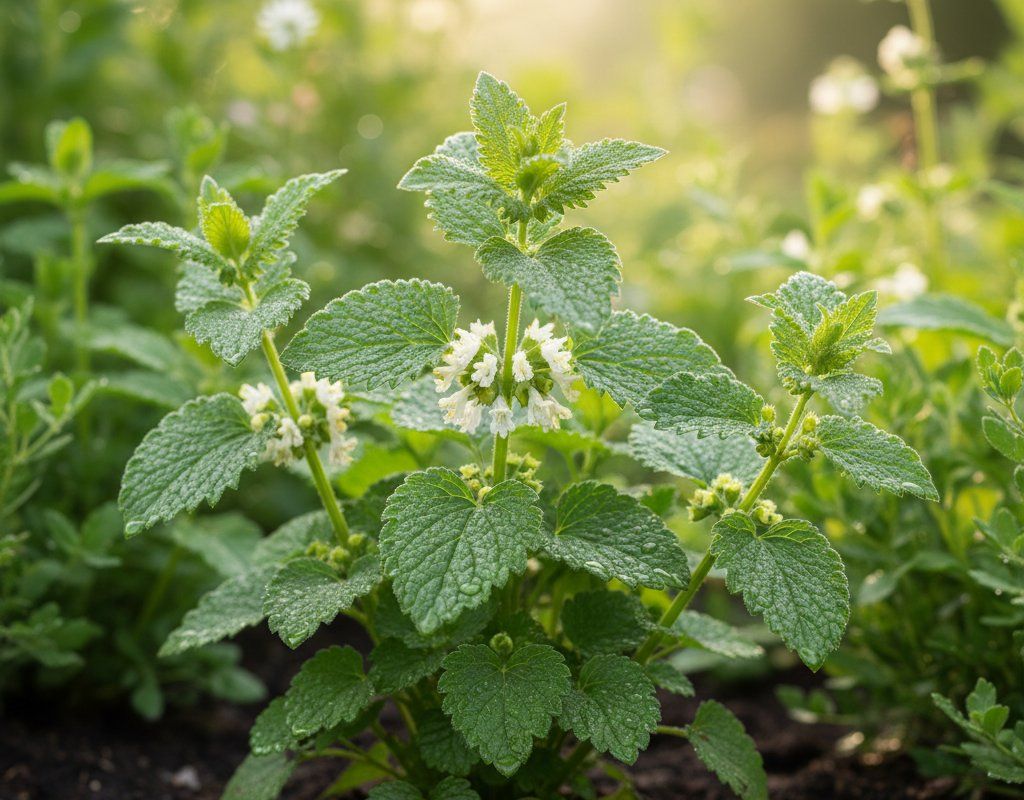

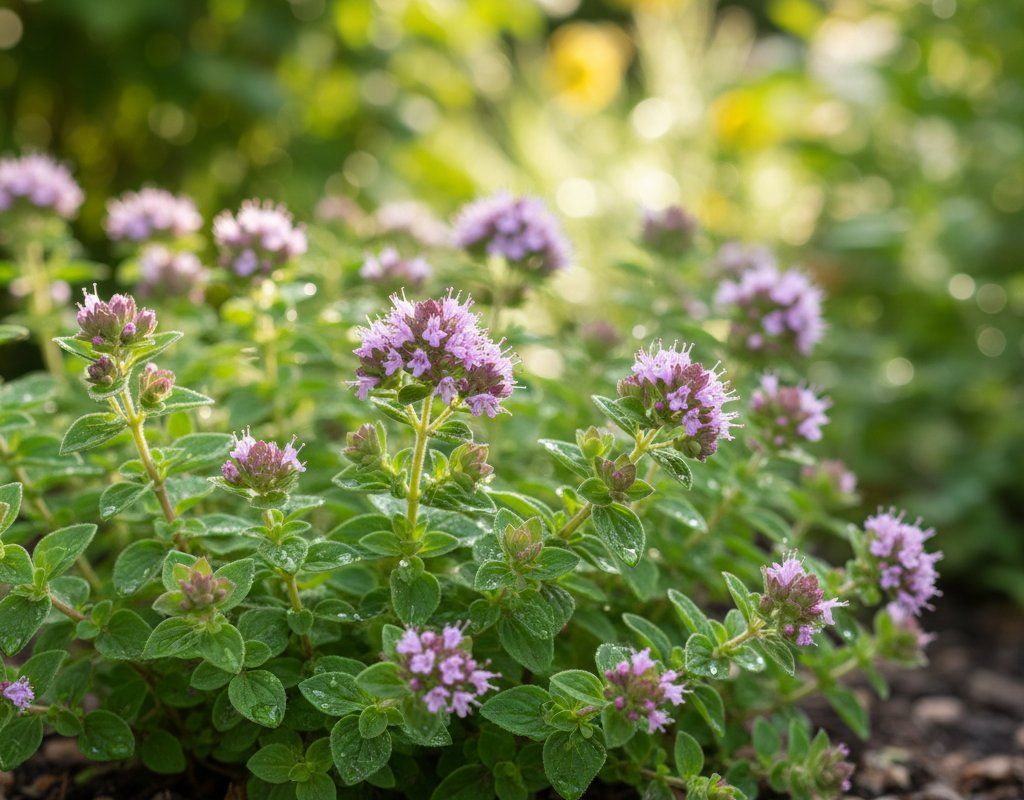

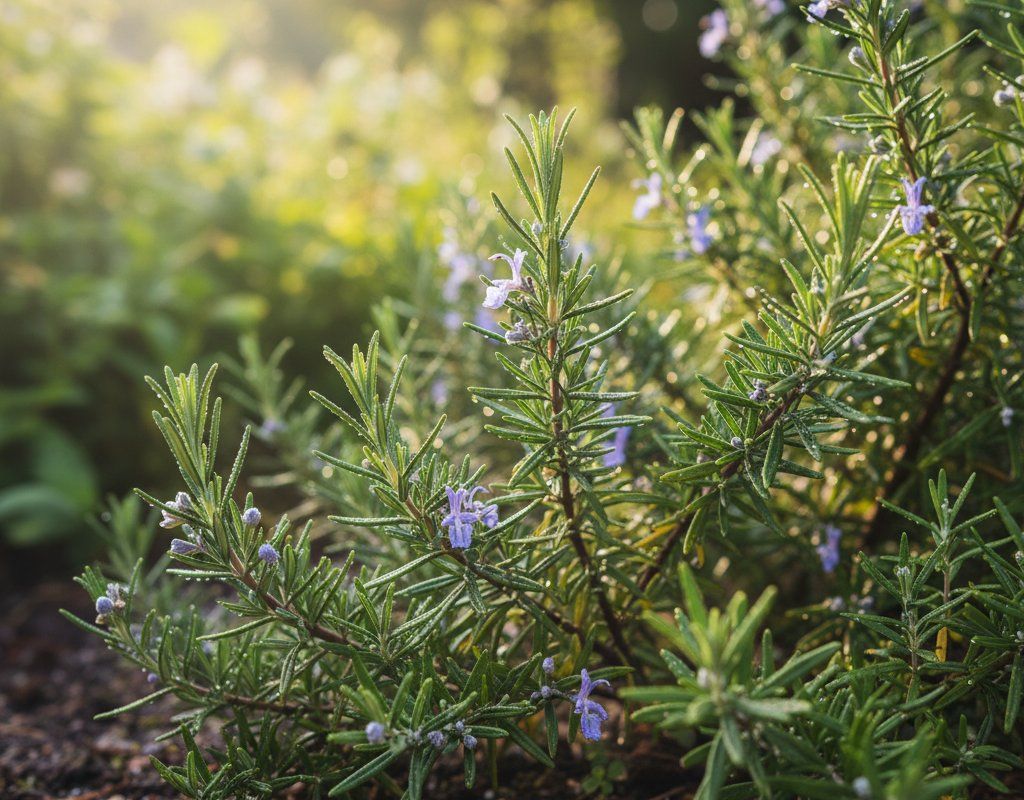
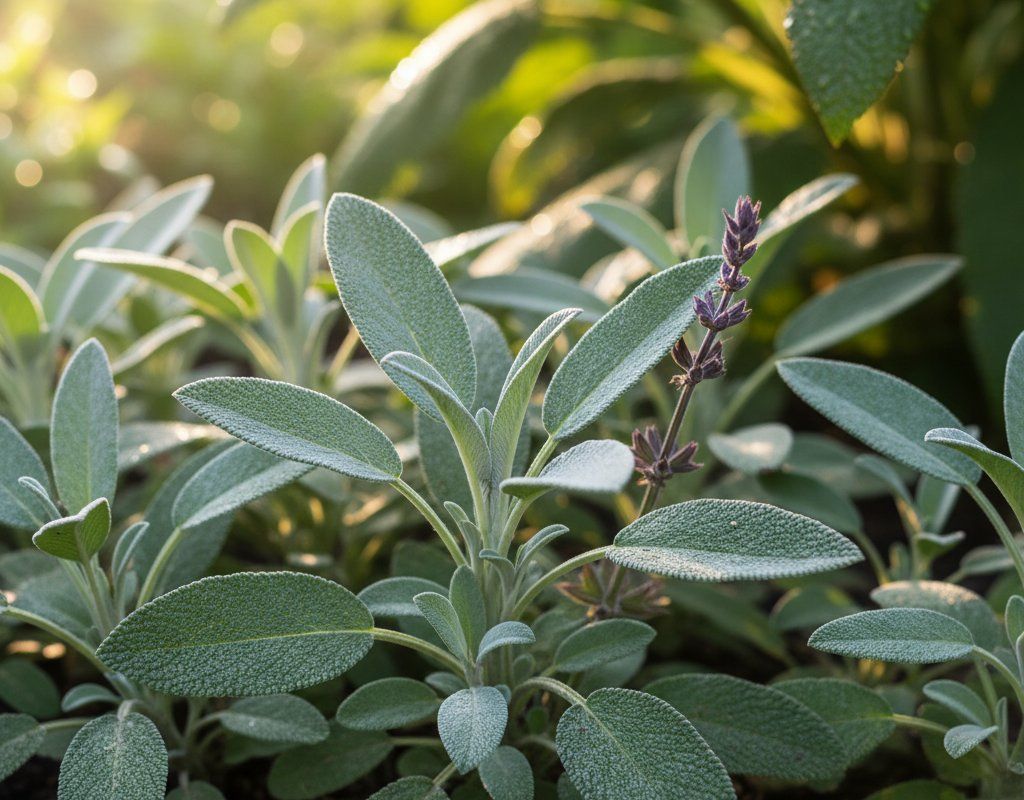



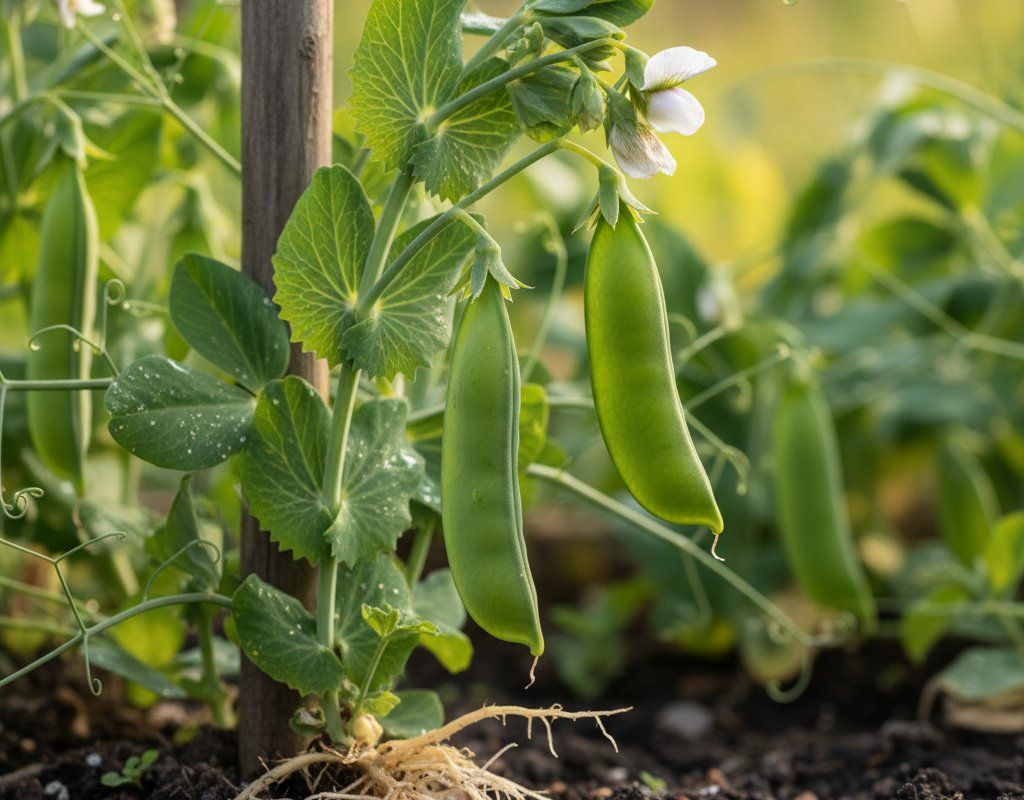
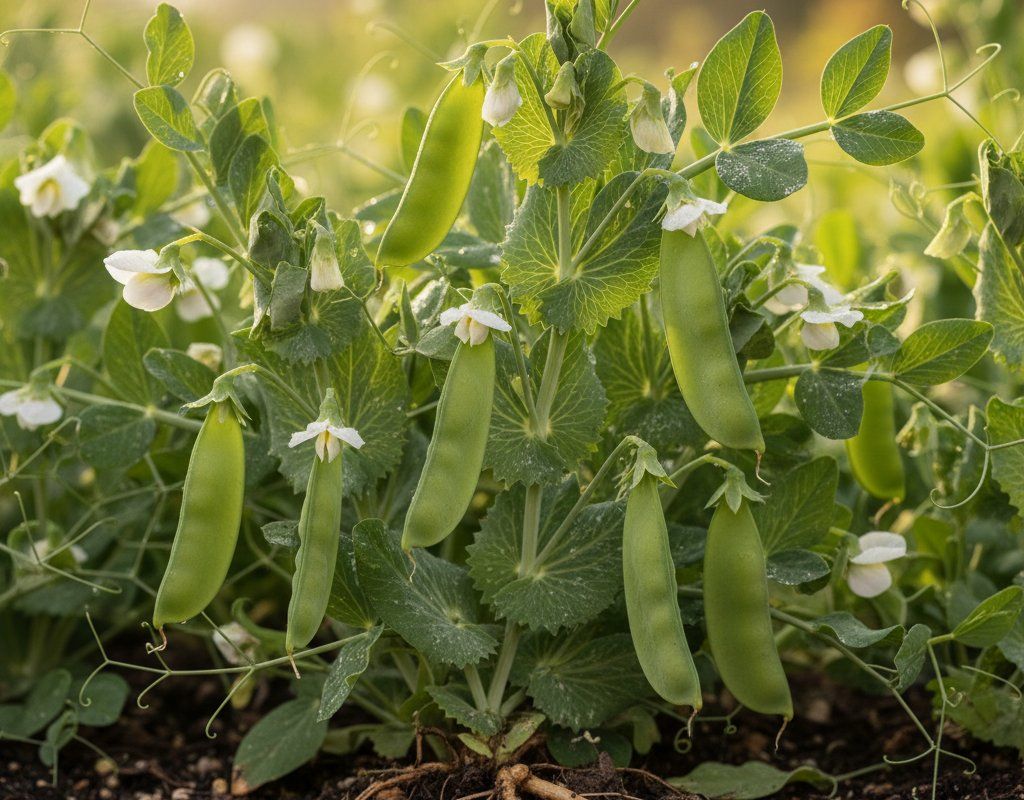
🍉Melons (2)
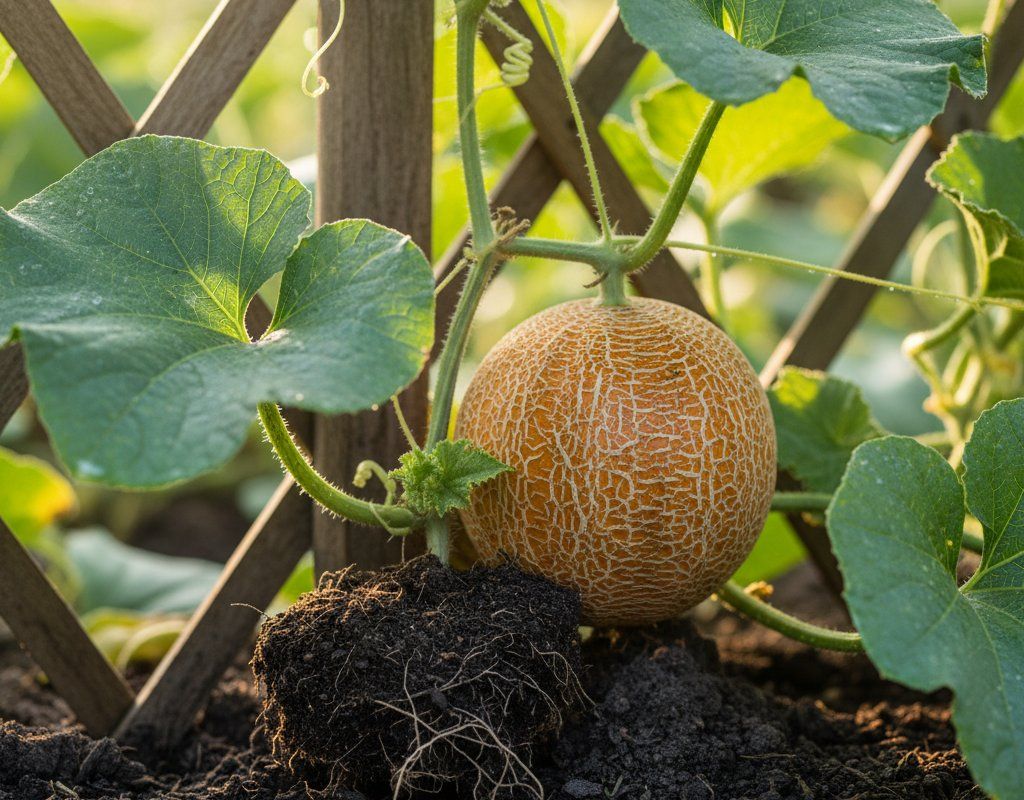
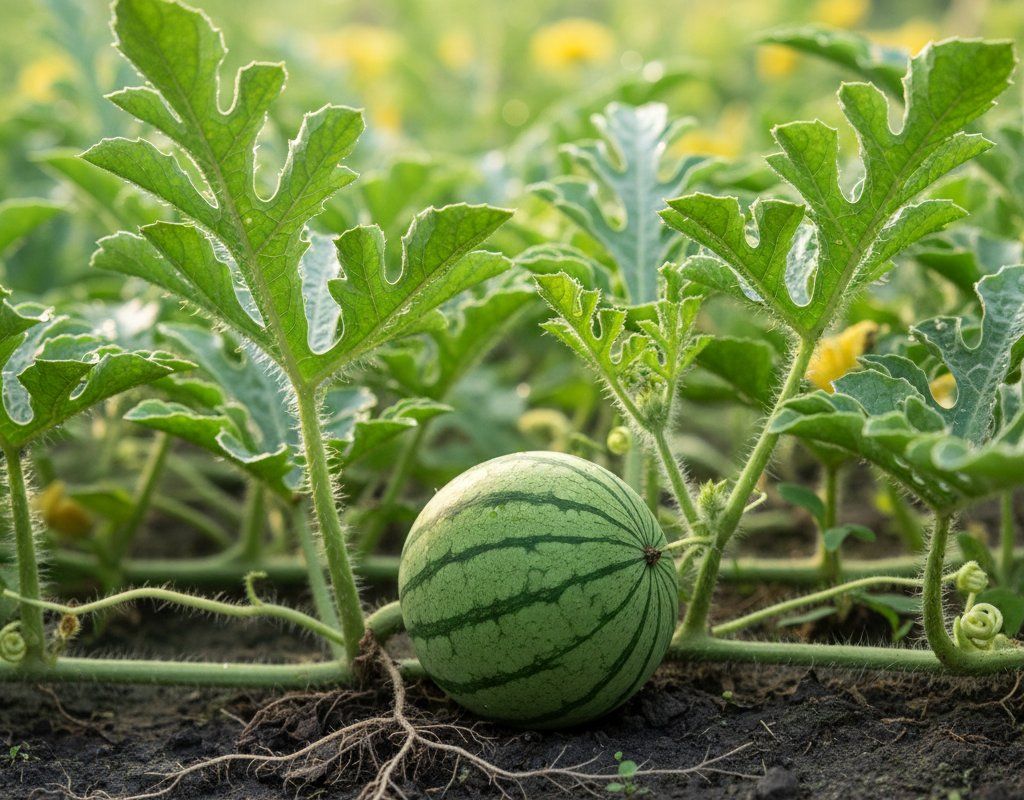
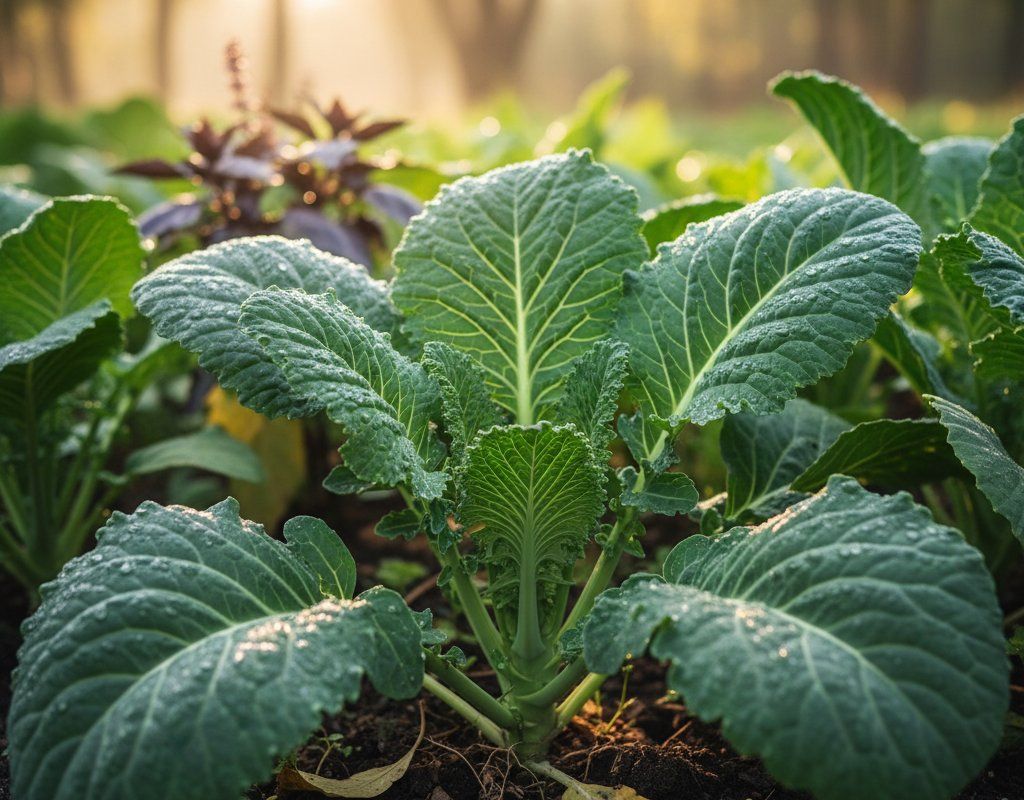
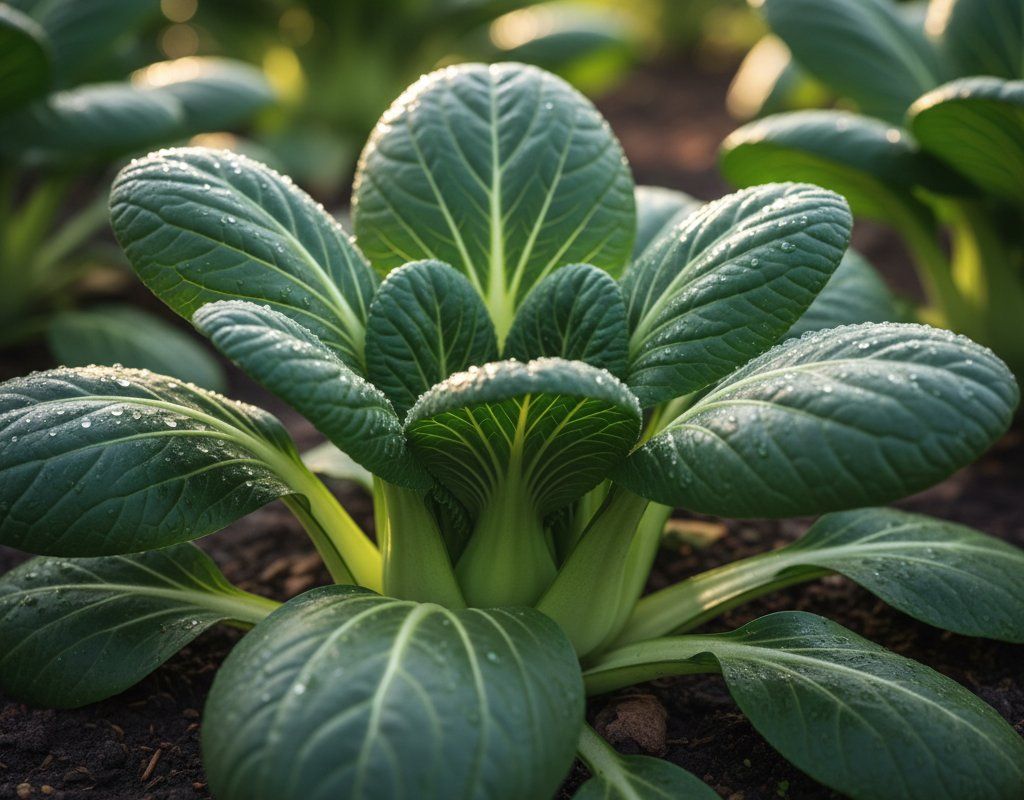
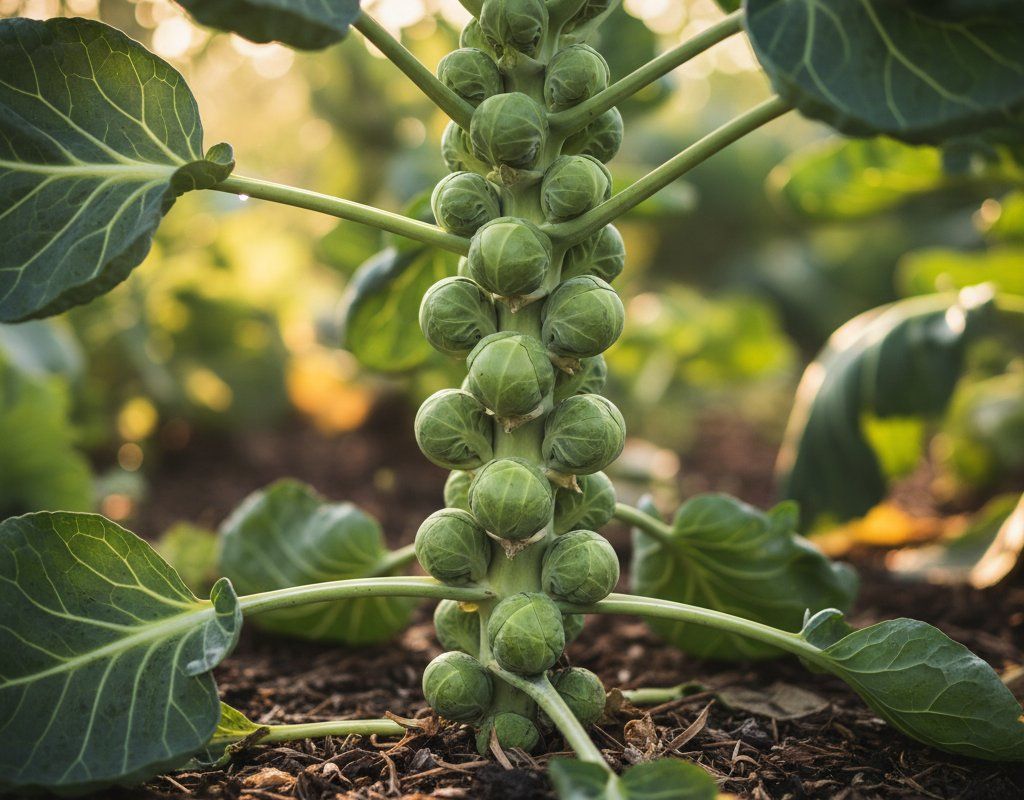
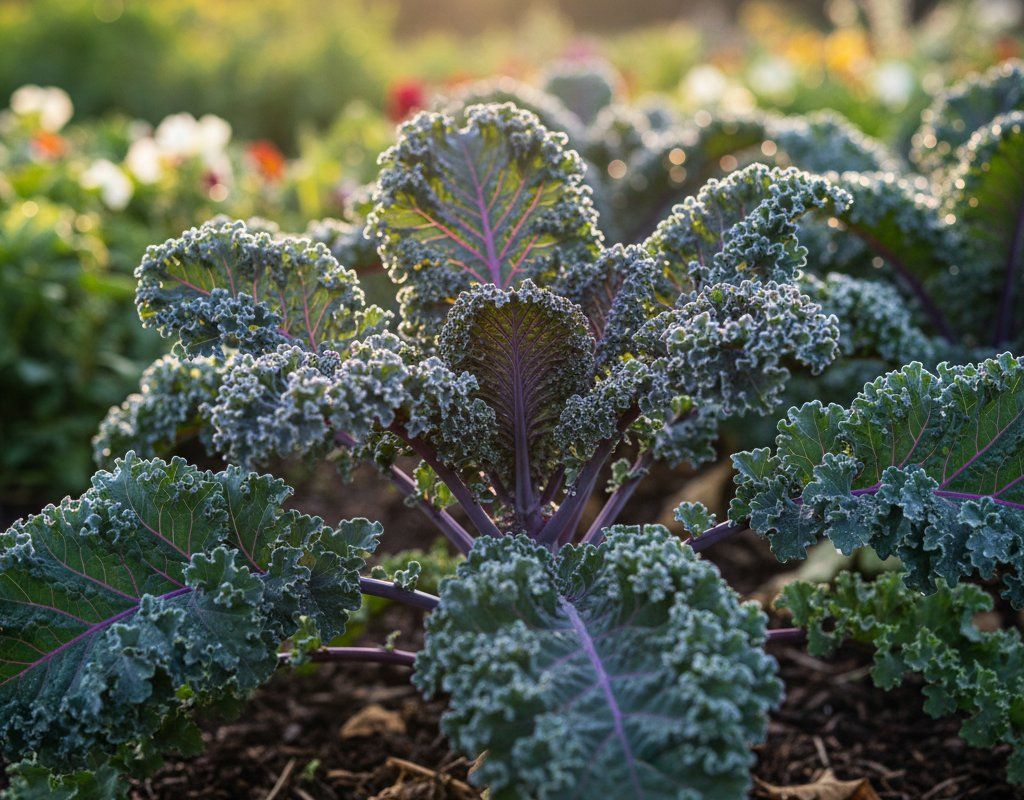
🥦Brassicas (6)



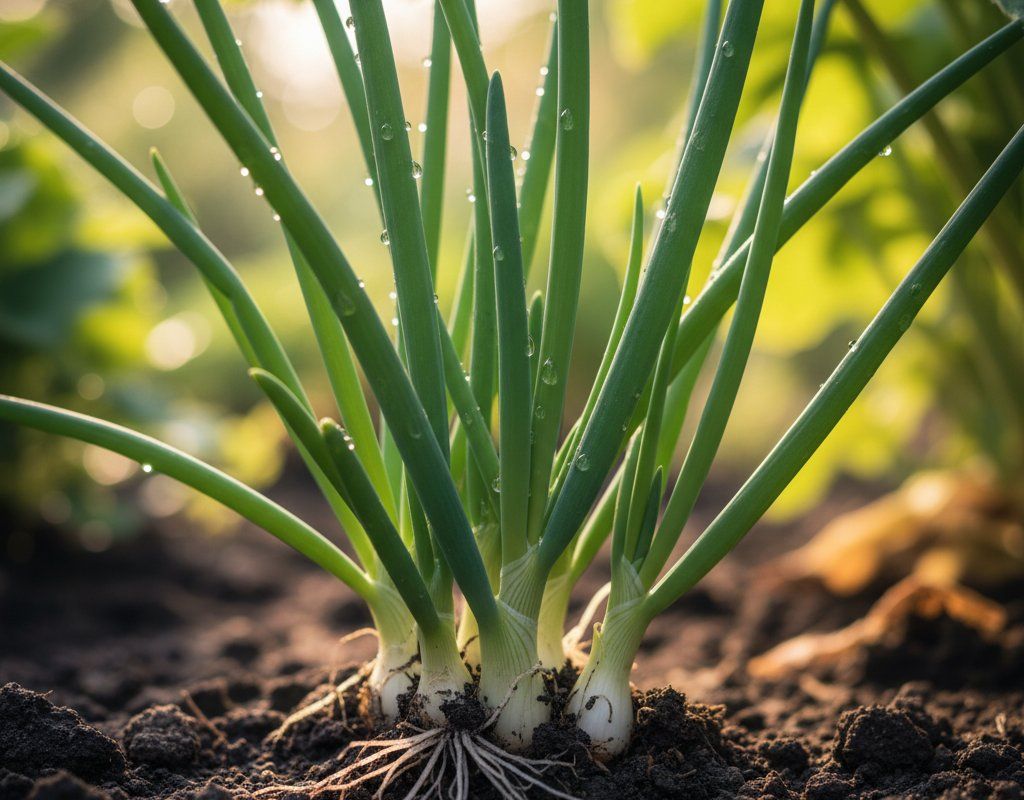
🧅Alliums (3)


🌽Grains (1)

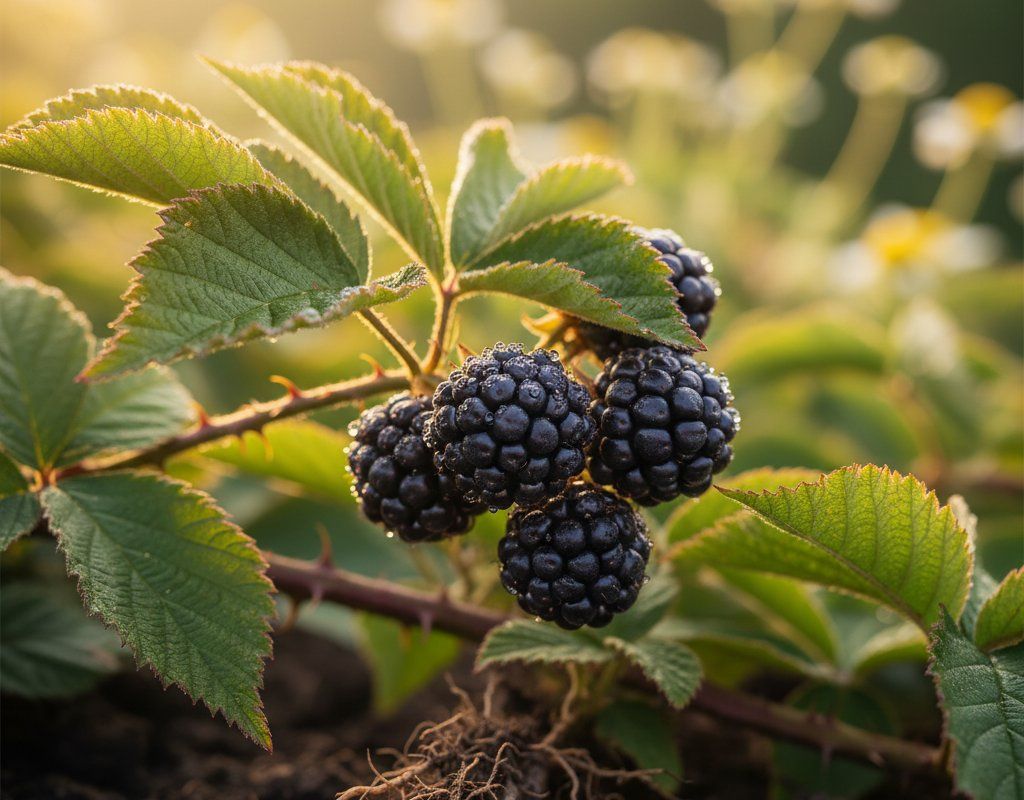
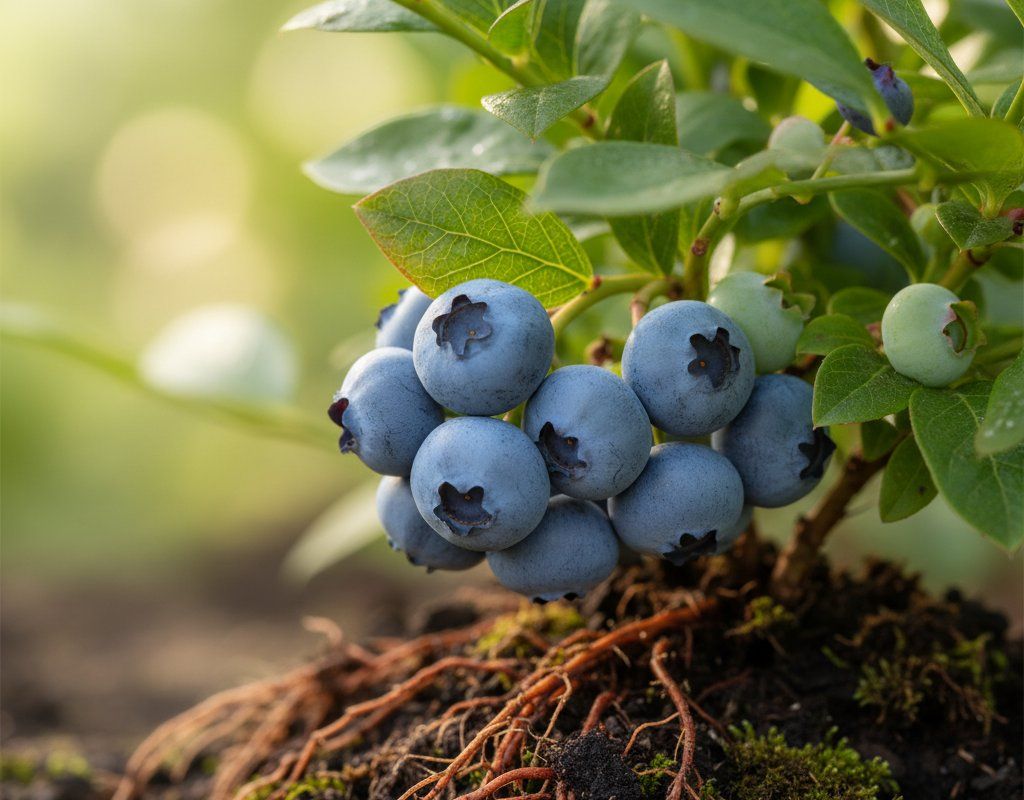
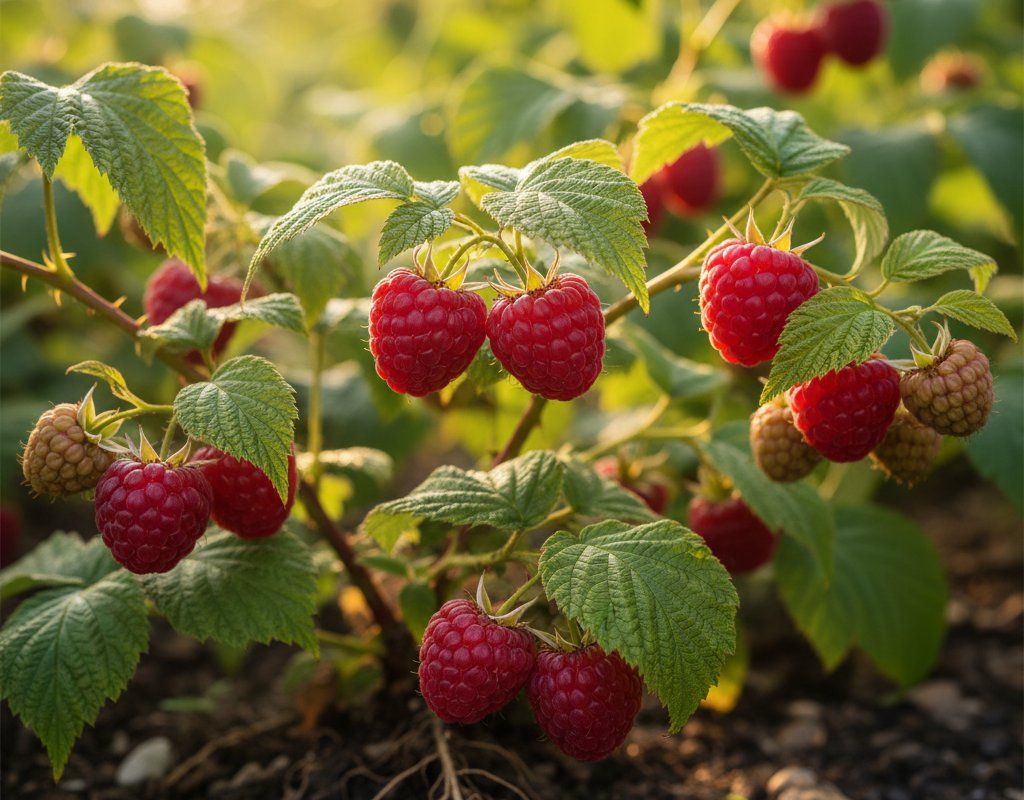

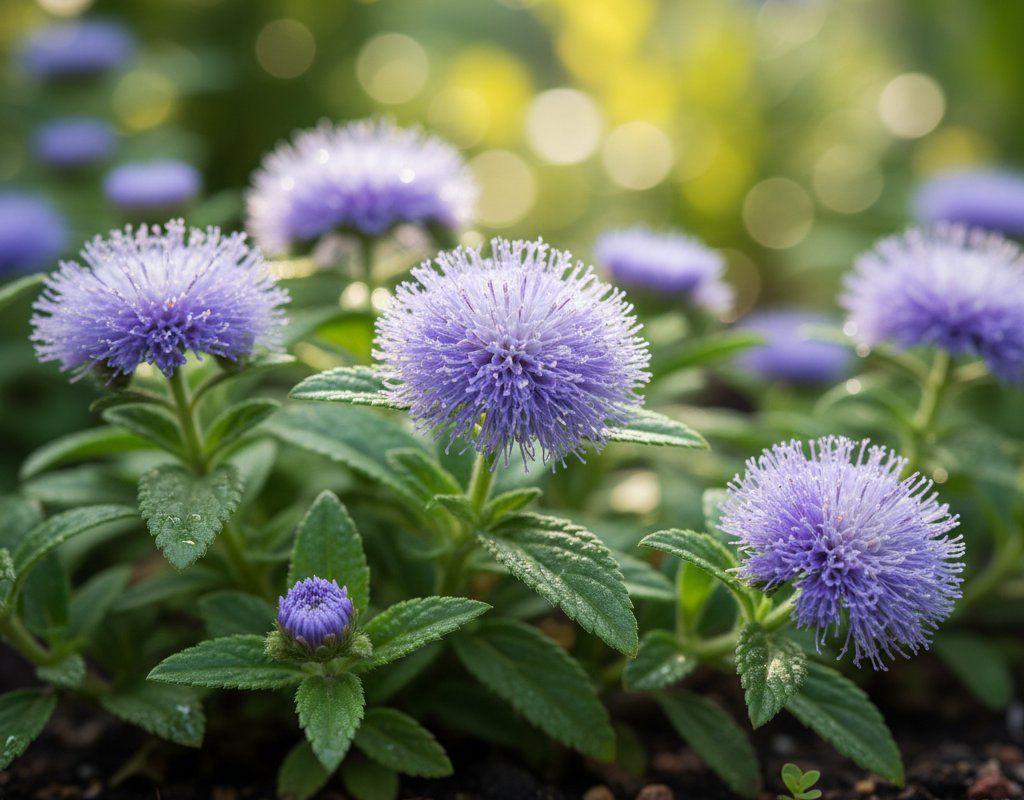
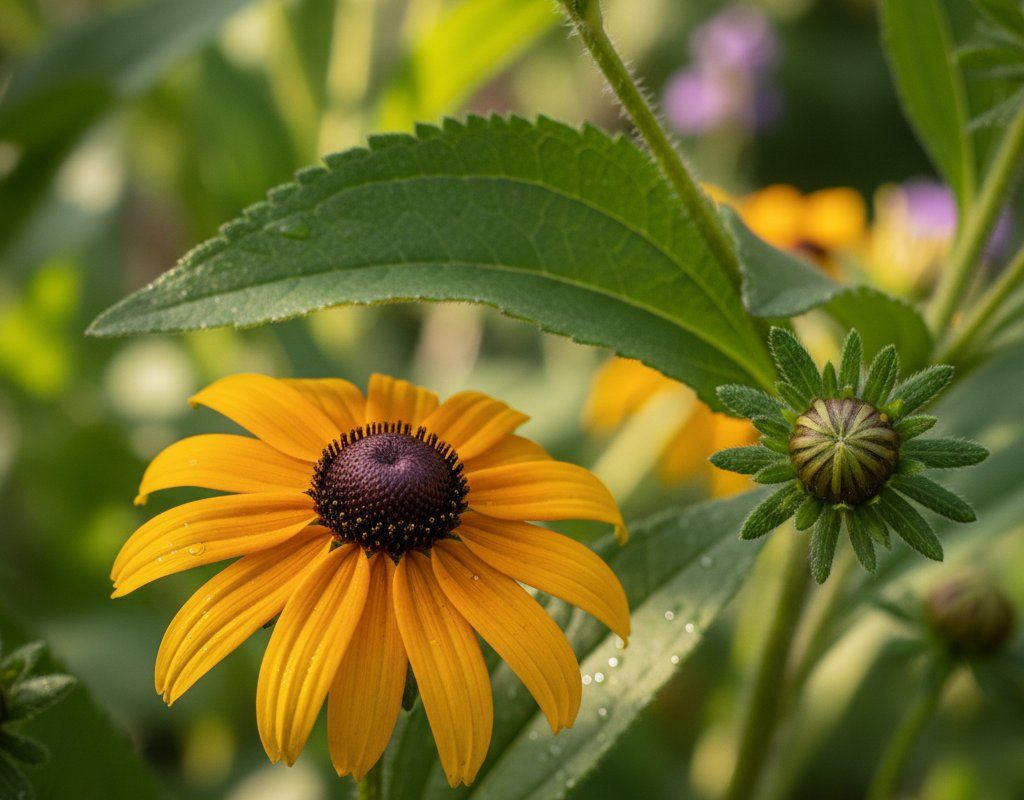
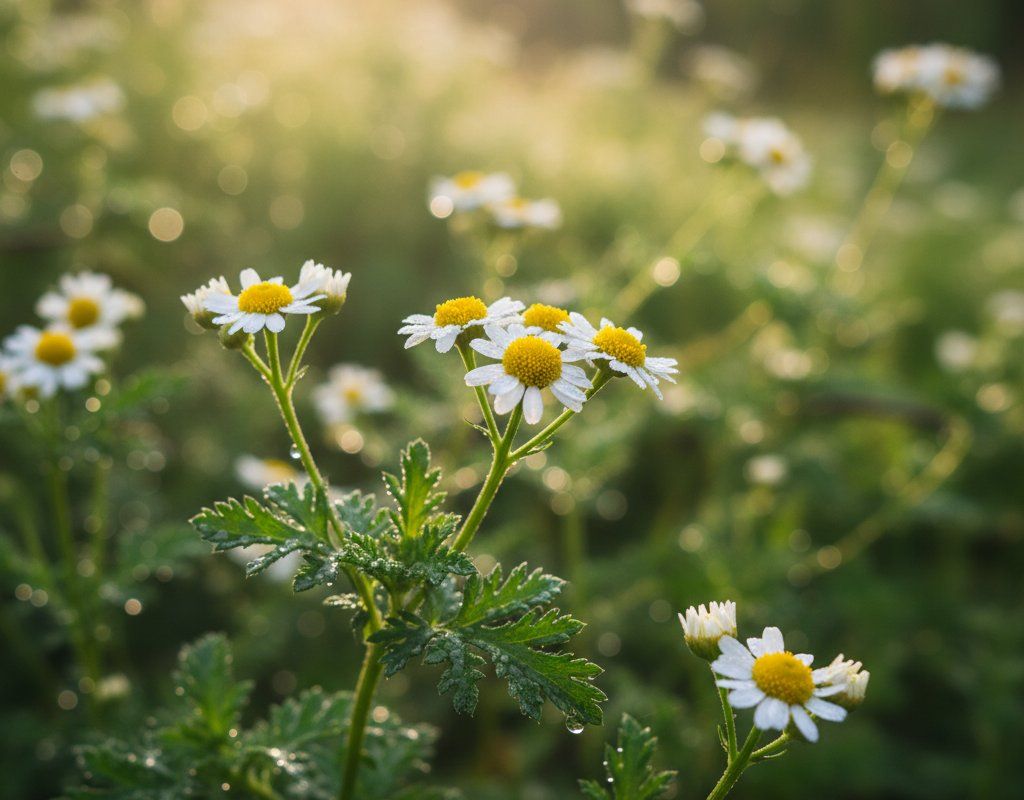
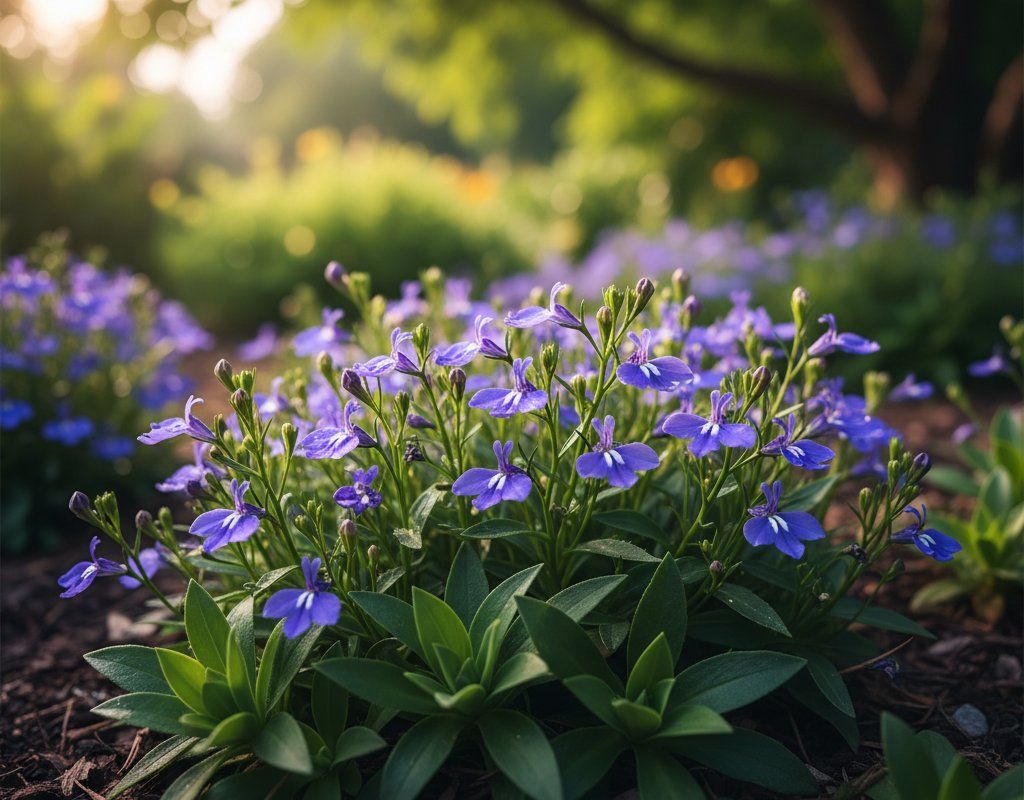
🌸Companion Flowers (20)
















Month-by-Month Planting Calendar
What to do each month in your Zone 8B garden.
In January, Zone 8B gardeners should focus on detailed garden planning and seed ordering. Start reviewing your garden layout, researching new varieties that perform well in warm climates, and getting your seed starting supplies organized. If you have a protected area, you might even start some cool-season crops like lettuce and spinach.
February is prime preparation time in Zone 8B. Begin preparing garden beds by adding compost, checking soil conditions, and planning your spring planting schedule. You can start seeds indoors for tomatoes, peppers, and herbs, and potentially plant early cool-season vegetables directly in the ground.
March brings exciting planting opportunities in Zone 8B. Start transplanting cool-season vegetables like broccoli and cabbage, and direct sow root crops such as carrots and radishes. Prepare your warm-season garden areas by amending soil and setting up trellises for climbing vegetables.
April is a bustling month for Zone 8B gardeners. Plant heat-loving vegetables like tomatoes, peppers, and squash after the last frost, and continue succession planting of quick-growing crops like lettuce and beans. Start monitoring for early pest activity and ensure consistent moisture as temperatures rise.
In May, your Zone 8B garden hits full swing. Focus on maintaining newly planted vegetables, providing adequate water and monitoring for signs of heat stress. Continue planting warm-season crops and start thinking about providing afternoon shade for more delicate plants.
June demands water management and heat protection in Zone 8B. Mulch heavily, water deeply and early in the morning, and provide shade cloth for sensitive plants. Continue harvesting cool-season crops and enjoy the first fruits of your summer vegetables.
July is peak summer in Zone 8B, so prioritize plant hydration and heat management. Water early, use thick mulch, and consider temporary shade structures for vegetables struggling with intense heat. Continue harvesting summer crops and monitor for pest activity.
In August, maintain your heat-stressed garden with consistent watering and careful monitoring. Continue harvesting summer crops and start planning your fall garden. Begin preparing areas for fall vegetable planting and consider starting seeds for cool-season crops.
September offers a welcome transition in Zone 8B. Start planting fall crops like lettuce, kale, and carrots, and begin removing spent summer plants. Prepare garden beds for winter by adding compost and considering cover crops.
October is an ideal planting month in Zone 8B. Direct sow cool-season vegetables, transplant fall crops, and continue cleaning up summer garden areas. Begin protecting sensitive plants as occasional cold fronts move through.
In November, focus on winterizing your Zone 8B garden. Plant garlic, cover crops, and continue harvesting fall vegetables. Prepare garden beds for winter by adding organic matter and protecting tender perennials.
December is a planning and maintenance month in Zone 8B. Review your garden's performance, order seeds for next year, and perform winter garden maintenance. Continue harvesting cool-season crops and protect sensitive plants during occasional cold snaps.
Common Challenges in Zone 8B (Southeast)
Zone 8B has about 245 frost-free days — eight full months of growing potential. Drought and heat are the twin challenges.
Summer temperatures frequently exceed 100°F in many 8B regions, and rainfall can be inconsistent. Plants need careful watering — too much encourages root rot and fungal disease, too little causes wilting and blossom drop.
The long, hot summer creates a mid-year gap where most temperate vegetables struggle. Nematodes are a persistent soil pest in sandy soils.
On the positive side, the mild winter means you can grow cool-season vegetables from October through March with little to no frost protection.
Season Extension Tips
Your real growing advantage is winter. While northern gardeners are thumbing through seed catalogs, you can be harvesting broccoli, lettuce, carrots, beets, peas, and spinach from outdoor beds with no protection at all most years.
Start warm-season crops very early — February seed starting indoors, March transplanting. Get the most out of spring before extreme heat arrives in June.
Plant heat-lovers (okra, sweet potatoes, peppers that tolerate heat) for summer production. Begin fall cool-season planting in September, transplanting brassicas started indoors during the hottest weeks.
Soil Preparation
Organic matter breaks down very quickly in Zone 8B heat. Add compost frequently — at least 2-3 inches before each major planting season (spring and fall).
Biochar mixed into beds helps retain nutrients and moisture in sandy soils while providing lasting carbon that doesn't decompose as fast as compost. Drip irrigation is strongly recommended over overhead watering: it reduces disease, wastes less water, and delivers moisture directly to roots.
Mulch is non-negotiable in summer — 4-6 inches of straw, wood chips, or pine needles keeps soil temperature 10-15°F cooler than bare soil.