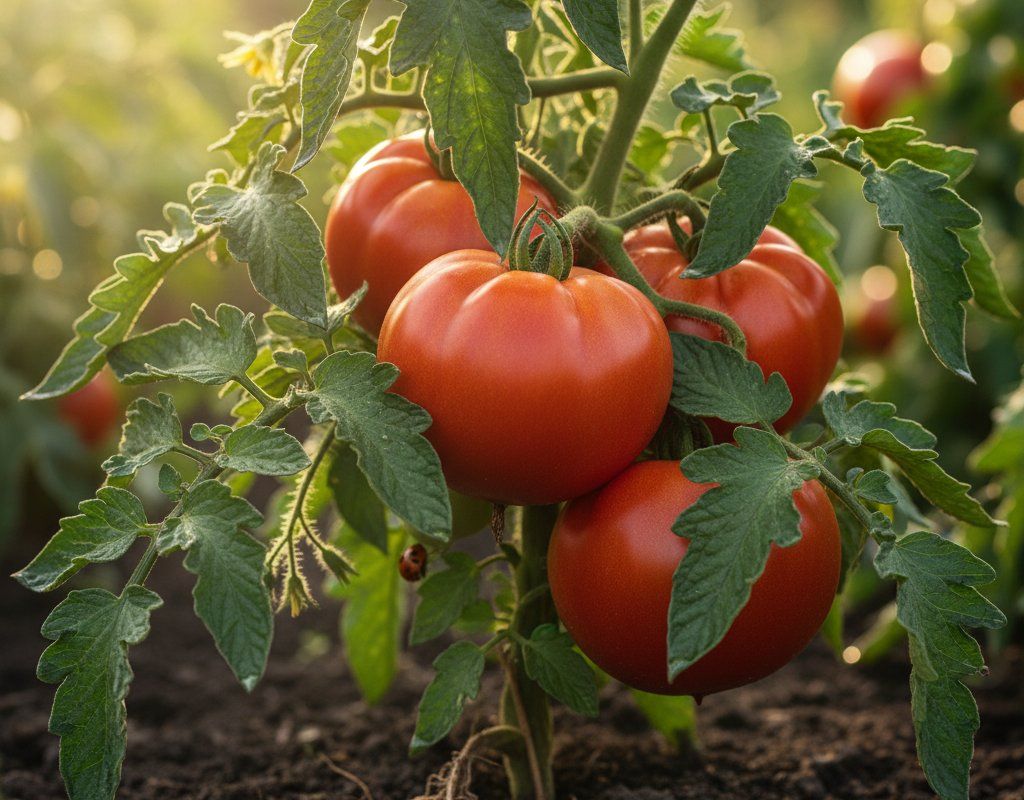
Beefsteak Tomatoes in Zone 9A — Texas
Solanum lycopersicum · Your Complete 2026 Planting Guide
Time to Buy Starts!
Seed starting window passed, but starts are available now.
Buy Starts Now
Head to your local nursery, Home Depot, or farmers market for transplants.
- Look for stocky plants with dark green leaves
- Avoid leggy seedlings or plants already flowering
- Check that roots aren't circling the pot (rootbound)
How to Plant Beefsteak Tomatoes in Zone 9A — Texas
Here are all your options for getting beefsteak tomatoes in the ground, from the easiest method to more advanced approaches.
Start Seeds Indoors
RecommendedMid January through early February
around January 18
Then transplant: Early to late March
Start seeds 6-8 weeks before transplanting outdoors.
Buy Starts
Works WellEarly to late March
around March 1
Plant purchased starts after last frost (February 15).
Direct Sow Seeds
ChallengingDirect sowing is not typical for Beefsteak Tomatoes.
Transplant Outdoors
Timing InfoEarly to late March
around March 1
Wait until nighttime temperatures stay above 50°F.
You have a nice window — no need to rush.
Overview
Beefsteak tomatoes are the crown jewel of any Texas garden, producing those massive, meaty slices that make store-bought tomatoes look like toys. These giants can weigh over a pound each and deliver the kind of rich, complex flavor that makes every sandwich memorable. In Texas, you get the advantage of our long growing season and intense sunshine to develop maximum flavor in these heat-loving plants.
Yes, our unpredictable weather and brutal summer heat can challenge even experienced gardeners, but beefsteaks actually thrive in our climate when you time things right. With 293 growing days to work with, you have plenty of opportunity to master the art of timing your plantings to avoid the worst heat while still getting a fantastic harvest before our first frost in early December.
Starting Seeds Indoors
Start your beefsteak tomato seeds indoors from mid-January through early February, about 6 weeks before you plan to transplant. This timing works perfectly with Texas's early spring character, giving your plants a strong head start before the heat kicks in. Use seed trays or small pots filled with quality seed-starting mix, and keep them warm - a heat mat helps ensure consistent germination in our variable winter weather.
Bottom watering works best for tomato seedlings since it encourages strong root development without creating the damp surface conditions that invite fungal problems. Place your seed trays in a shallow pan of water and let the soil absorb moisture from below. Once your seedlings develop their first true leaves, provide 12-14 hours of grow light daily - our winter sun isn't quite strong enough on its own.
Keep seedlings at 65-70°F during the day and slightly cooler at night. As they grow, transplant them into larger 4-inch pots when they outgrow their starting containers, usually around 3-4 weeks after germination.
Transplanting Outdoors
Transplant your beefsteak tomatoes outdoors from early to late March, when nighttime temperatures consistently stay above 50°F. This timing lets you beat the worst of our Texas heat while avoiding any late cold snaps that could damage tender plants. Before transplanting, harden off your seedlings over a full week by gradually exposing them to outdoor conditions - start with just a few hours of morning sun and work up to full days outside.
Space your beefsteak plants 36-48 inches apart to allow for their massive size and ensure good air circulation. These indeterminate varieties will sprawl significantly, and crowded plants struggle more in our humid conditions. Choose a spot with full sun (6-8 hours daily) but consider afternoon protection if possible - even heat-loving tomatoes appreciate some relief from our brutal summer afternoons.
Plant deep, burying about two-thirds of the stem to encourage strong root development. Texas weather can turn harsh quickly, so give your transplants the best possible start with deep roots and sturdy stems.
Watering Beefsteak Tomatoes in Zone 9A (Texas)
Beefsteaks have high water needs and absolutely cannot handle drought stress - those massive fruits require consistent deep watering to develop properly. In Texas, this means being particularly vigilant about maintaining even soil moisture despite our unpredictable rainfall patterns. Water stress causes fruit cracking and catfacing, two problems that become worse under our intense sun and variable humidity.
During spring (March-May), water deeply twice per week, providing about 1-1.5 inches total. As temperatures climb into the 90s and beyond, increase to every other day with deep soaking, aiming for 2-2.5 inches per week. Use the finger test - stick your finger 2 inches into the soil near the base of the plant. If it's dry at that depth, it's time to water.
Always water at the base rather than overhead, especially important in Texas where variable humidity can create perfect conditions for fungal diseases. Soaker hoses or drip irrigation work exceptionally well for consistent, deep watering without wetting the foliage. Early morning watering allows plants to absorb moisture before the day's heat hits.
Watch for signs of water stress: wilting during the heat of the day (normal), but also wilting in morning or evening (problem), yellowing lower leaves, or small, hard fruits. Overwatering shows up as consistently yellow leaves and weak growth. A 3-4 inch layer of organic mulch helps maintain consistent soil moisture and keeps roots cooler during our brutal summer months.
Supporting Your Beefsteak Tomatoes
Beefsteak tomatoes produce heavy fruit that can easily snap branches, so install sturdy support at planting time. Heavy-duty tomato cages (at least 6 feet tall) or thick wooden stakes work best - those flimsy store-bought cages won't cut it for these giants. If using stakes, choose 2x2 inch posts driven 18-24 inches deep and tie plants with soft cloth strips or tomato ties.
As plants grow, train the main stem upward and secure it regularly - don't wait until branches start drooping under fruit weight. Indeterminate varieties like beefsteaks keep growing all season, often reaching 6-8 feet in our long Texas growing season. Check ties weekly and loosen them as stems thicken to prevent girdling.
Consider using a combination approach: sturdy cages for main support with additional stakes for particularly heavy fruit clusters. In Texas, where sudden storms and high winds are common, extra support prevents losing an entire season's worth of growth to weather damage.
Pruning & Maintaining Beefsteak Tomatoes
Remove suckers (shoots growing between main stem and branches) regularly to direct the plant's energy into fewer, larger fruits. For beefsteaks, this is especially important since you want maximum size rather than quantity. Pinch small suckers with your fingers, but use clean pruners for larger ones to avoid damaging the main stem.
Strip off lower leaves that touch the ground to improve air circulation - crucial in Texas where humidity can fluctuate and create disease-friendly conditions. Remove any yellowing or diseased leaves immediately to prevent problems from spreading. About 6-8 inches of clear space between soil and lowest leaves works well.
As first frost approaches in early December, top your plants (remove growing tips) about 4-6 weeks beforehand to encourage existing fruits to ripen rather than setting new ones that won't have time to mature. This "topping" technique helps you get the most from your plants before cold weather hits.
🧪Fertilizing Beefsteak Tomatoes
Feeding Schedule
Organic Fertilizer Options
Harvest Time
Expect your first beefsteak harvest from late May through mid-July, roughly 85 days after transplanting. These massive tomatoes ripen from the bottom up - the blossom end changes color first, followed by the shoulders near the stem. A ripe beefsteak feels heavy for its size and gives slightly when you cup it gently in your hands.
Don't wait for perfect deep red color on the vine, especially during peak Texas heat when fruits can split or develop sun scald. Harvest when tomatoes show full color development but still feel firm, then let them finish ripening indoors at room temperature. This prevents many of the quality problems that develop during our brutal summer afternoons.
Since beefsteaks are indeterminate, you'll get continuous harvest throughout the season with proper care. Pick ripe fruits promptly to encourage more production - leaving overripe tomatoes on the vine signals the plant to slow down. Each plant can produce 10-15 pounds of fruit over the season when conditions are right.
As first frost approaches in early December, harvest all mature green fruits and bring them indoors to ripen. Wrap individual green tomatoes in newspaper and store at 65-70°F - they'll continue ripening for weeks, extending your harvest well into winter.
Common Problems in Zone 9A (Texas)
Fruit Cracking Split tomato skins with either circular rings around the stem or radiating lines from top to bottom expose flesh to rot and ruin your beautiful beefsteaks. Texas weather causes this more than most places - heavy rain or irrigation after dry spells makes fruits absorb water faster than skins can stretch. Our unpredictable rainfall patterns make consistent watering challenging but absolutely essential. Water deeply and regularly rather than letting soil dry out, mulch heavily to buffer moisture changes, and harvest promptly when fruits start showing color to avoid splits during ripening.
Catfacing Deep grooves, scars, and malformed lumpy fruits that look like they've been clawed develop on the blossom end. Cool nighttime temperatures during flowering (below 55°F) cause incomplete pollination, and beefsteaks are particularly susceptible. In Texas, this happens most often with early plantings when March nights can still dip unexpectedly cool. Wait until nighttime lows consistently stay above 50°F before transplanting, or use row covers for protection. The ugly fruit is still perfectly edible - just slice around the damaged areas.
Blossom End Rot Dark, sunken, leathery patches on the bottom of fruits start small but can consume half the tomato. This isn't a disease but a calcium deficiency triggered by inconsistent watering - exactly what happens in Texas with our drought-to-flood weather patterns. The most effective fix is consistent, deep watering throughout the season. Mulch heavily, avoid over-fertilizing with nitrogen (which interferes with calcium uptake), and maintain even soil moisture. Remove affected fruits immediately so the plant puts energy into healthy ones.
Slow Ripening Large green tomatoes that seem to stall and won't turn red despite reaching full size frustrate Texas gardeners, especially late in the season. While heat usually speeds ripening, extreme temperatures above 95°F can actually slow color development. Too much nitrogen fertilizer, inadequate sunlight from overgrowth, or natural variety characteristics all contribute. Reduce nitrogen feeding mid-season, prune excess foliage to let light reach fruits, and be patient - beefsteaks naturally ripen slower than smaller varieties.
Texas Specific Challenges Our hot-to-extreme summer heat and variable humidity create perfect conditions for rapid disease spread if plants get stressed, while unpredictable rainfall makes consistent watering a constant challenge. Fire ants often build nests in mulched tomato beds, requiring occasional treatment, and sudden hailstorms can destroy months of careful growing in minutes.
Best Companions for Beefsteak Tomatoes
Plant these nearby for healthier Beefsteak Tomatoes and better harvests.
View Full Companion Planting Chart →



Companion Planting Details
Plant basil nearby for natural pest control and improved flavor - the aromatic oils help repel aphids and hornworms while the shallow roots don't compete with tomato root systems. Carrots make excellent companions since they break up soil as they grow, improving drainage around tomato roots, while parsley attracts beneficial insects that prey on tomato pests. Marigolds planted throughout the tomato patch help deter nematodes and other soil pests, particularly important in Texas where warm soil temperatures year-round allow pest populations to build up.
Avoid planting brassicas (cabbage, broccoli, cauliflower) near tomatoes since they're heavy nitrogen feeders that compete for nutrients, and their roots release compounds that can inhibit tomato growth. Fennel produces allelopathic chemicals that stunt most plants including tomatoes, while corn attracts the same hornworms that devastate tomatoes, essentially providing them with a breeding ground right next to your vulnerable plants.
🌸Best Flowers to Plant with Beefsteak Tomatoes
These flowers protect your Beefsteak Tomatoes from pests and attract pollinators for better harvests.


Get a Reminder When It's Time to Plant
We'll email you when key planting windows open for your zone.