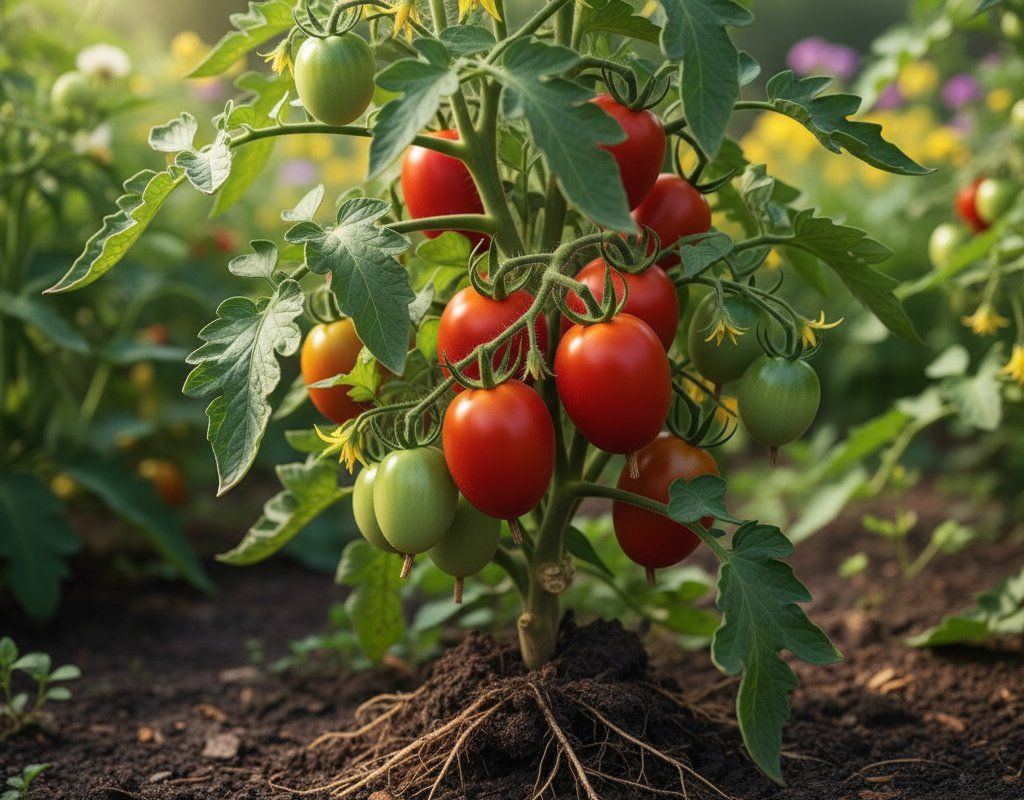
Roma Tomatoes in Zone 9A — Texas
Solanum lycopersicum · Your Complete 2026 Planting Guide
Time to Buy Starts!
Seed starting window passed, but starts are available now.
Buy Starts Now
Head to your local nursery, Home Depot, or farmers market for transplants.
- Look for stocky plants with dark green leaves
- Avoid leggy seedlings or plants already flowering
- Check that roots aren't circling the pot (rootbound)
How to Plant Roma Tomatoes in Zone 9A — Texas
Here are all your options for getting roma tomatoes in the ground, from the easiest method to more advanced approaches.
Start Seeds Indoors
RecommendedMid January through early February
around January 18
Then transplant: Early to late March
Start seeds 6-8 weeks before transplanting outdoors.
Buy Starts
Works WellEarly to late March
around March 1
Plant purchased starts after last frost (February 15).
Direct Sow Seeds
ChallengingDirect sowing is not typical for Roma Tomatoes.
Transplant Outdoors
Timing InfoEarly to late March
around March 1
Wait until nighttime temperatures stay above 50°F.
You have a nice window — no need to rush.
Overview
Roma tomatoes are absolutely worth the effort in Zone 9A Texas, delivering meaty, thick-walled paste tomatoes perfect for our love affair with salsa, sauce, and canning. These determinate workhorses produce heavy yields of elongated, nearly seedless fruit that holds up beautifully to the Texas heat while giving you that concentrated tomato flavor store-bought varieties can't touch. The determinate habit means you'll get a focused harvest window - perfect for preserving season when you want pounds of tomatoes at once rather than a few here and there.
While our unpredictable weather and brutal summer heat can challenge any tomato, Roma's shorter growing season works in your favor here. With our 293-day growing season, you can start early indoors, transplant after our last frost in mid-February, and harvest before the worst Texas heat hits. The key is working with our climate's rhythm rather than fighting it.
Starting Seeds Indoors
Start your Roma seeds indoors from mid-January through early February, giving yourself about 6 weeks before transplanting outdoors. In Texas, this timing lets you take advantage of our early spring character while avoiding the stress of starting seeds during summer's heat. Use seed trays filled with quality seed-starting mix, and keep them consistently warm - around 70-75°F for best germination.
Set up grow lights about 4 inches above the emerging seedlings, running them 12-14 hours daily. Bottom watering works best for tomato seedlings since it encourages strong root development without creating the moisture conditions that invite damping off disease. Keep the soil consistently moist but not waterlogged.
Once your seedlings develop their first true leaves, thin to the strongest plant per cell and begin weekly fertilizing with diluted liquid fertilizer. With our early spring schedule, you'll have sturdy transplants ready just as our soil warms and frost danger passes.
Transplanting Outdoors
Transplant your Roma seedlings outdoors from early to late March, after soil temperatures consistently reach 60°F and night temperatures stay above 50°F. This timing usually coincides with our last frost window, though always keep row covers handy for those unexpected late February or early March cold snaps that Texas loves to throw at us.
Harden off your seedlings gradually over one week by increasing their outdoor exposure daily - start with 2 hours of morning sun and work up to full days. Space Roma plants 24-36 inches apart since these determinate varieties stay more compact than indeterminate types but still need good air circulation to prevent disease in our variable humidity.
Plant deep, burying about two-thirds of the stem to encourage a strong root system that can handle our heat and drought stress. The buried stem will develop additional roots, giving your plants better access to water and nutrients when summer intensity arrives.
Watering Roma Tomatoes in Zone 9A (Texas)
Consistent watering is absolutely critical for Roma tomatoes in Texas - these paste varieties are particularly prone to blossom end rot when moisture fluctuates. With our unpredictable rainfall ranging from 15-50 inches annually and summer highs hitting 97°F regularly, you can't rely on nature alone. Check soil moisture by pushing your finger 2 inches deep; if it's dry, it's time to water.
Provide 1-2 inches of water weekly, increasing to 2-3 inches during our brutal summer months when temperatures soar and hot winds pull moisture from both soil and plants. Water deeply at the base rather than overhead - our variable humidity means wet foliage can invite fungal problems, while overhead watering during extreme heat can actually stress plants further.
During spring establishment, water every 2-3 days with deep soaks. Once summer heat kicks in, you may need daily watering, especially for container-grown plants. The elongated Roma fruits are particularly susceptible to blossom end rot when watering is inconsistent, so maintaining even moisture is more important than with round tomato varieties.
Apply 3-4 inches of organic mulch around plants to buffer against our temperature swings and help soil retain moisture during drought periods. Watch for overwatering signs like yellowing lower leaves, and underwatering signs like wilting during morning hours or fruit with leathery dark bottoms.
Supporting Your Roma Tomatoes
Roma tomatoes benefit from caging or staking despite their determinate growth habit, mainly because they produce such heavy fruit loads that branches can break under the weight. Since these varieties typically reach 3-4 feet tall rather than the 6+ feet of indeterminate types, shorter cages work perfectly - look for 42-54 inch cages rather than the tall ones.
Install support systems at planting time to avoid disturbing roots later. For staking, use sturdy 6-foot stakes driven 12 inches into the ground, leaving 4-5 feet above soil level. Tie plants loosely with soft materials like cloth strips or tomato ties, creating figure-8 loops that won't cut into stems as they grow.
Train plants by gently guiding main stems upward and removing suckers that develop between main stem and branches. With determinate varieties like Roma, you don't need aggressive pruning - just remove bottom branches that touch soil and any suckers below the first flower cluster to improve air circulation.
🧪Fertilizing Roma Tomatoes
Feeding Schedule
Organic Fertilizer Options
Harvest Time
Expect your first Roma harvest from mid-May through early July, about 75 days from transplanting. These paste tomatoes are ready when they develop deep red color throughout and feel firm but give slightly to gentle pressure. Unlike slicing tomatoes, Romas should feel dense and heavy for their size when properly ripe.
Harvest by gently twisting and lifting - ripe fruit should detach easily from the stem without excessive force. If you have to pull hard, give it another day or two. Check plants daily once fruiting begins since determinate varieties like Roma tend to ripen much of their crop within a 2-3 week window.
Since Roma is determinate, you'll get one concentrated harvest period rather than continuous production all season. This works perfectly for canning and sauce-making projects. As our first frost approaches in early December, harvest all remaining fruit regardless of color - green tomatoes will ripen indoors if kept in a warm, dark location.
If frost threatens unexpectedly, harvest everything and sort by ripeness. Fully developed green fruits will ripen on kitchen counters within 1-2 weeks, while smaller green tomatoes work well for fried green tomato recipes or pickling.
Common Problems in Zone 9A (Texas)
Blossom End Rot Look for sunken, dark brown or black leathery patches on the bottom (blossom end) of developing fruit. This often affects the first fruits of the season and is particularly common on Roma's elongated fruit shape. It's not a disease but a calcium deficiency caused by inconsistent watering - exactly what happens during our drought-to-flood cycles. The single most effective fix is consistent watering. Mulch heavily to maintain even soil moisture and avoid over-fertilizing with nitrogen, which interferes with calcium uptake.
Early Blight Watch for brown spots with distinctive concentric rings (bullseye pattern) starting on lower leaves and spreading upward. Leaves yellow and drop as the fungal disease progresses. This thrives in our warm, humid conditions and spreads via soil splash during heavy rains. Remove and destroy affected leaves immediately (don't compost them). Mulch to prevent soil splash, water at the base rather than overhead, and improve air circulation through proper spacing. Copper fungicide can slow the spread.
Fusarium Wilt Notice wilting that starts on one side of the plant first, then spreads. Leaves yellow starting on one side, and if you cut the stem open, you'll see brown streaks inside. This soil-borne fungus persists for years and enters through roots, with our warm soil temperatures favoring its development. There's no cure once infected - remove and destroy the entire plant. Prevention means planting resistant varieties (look for 'F' on seed labels), rotating crops on a 4-year cycle, and maintaining soil pH above 6.5.
Texas Specific Challenges Our combination of extreme heat, unpredictable rainfall, and variable humidity creates perfect storm conditions for tomato stress. The rapid temperature swings between cool mornings and blazing afternoons can crack developing fruit, while flash floods followed by drought create the inconsistent moisture that triggers blossom end rot in Roma's elongated fruits.
Best Companions for Roma Tomatoes
Plant these nearby for healthier Roma Tomatoes and better harvests.
View Full Companion Planting Chart →



Companion Planting Details
Plant basil alongside your Roma tomatoes - it naturally repels aphids and whiteflies while thriving in similar growing conditions. The aromatic oils may also improve tomato flavor, plus you'll have fresh basil ready when your Roma harvest comes in for sauce-making. Carrots work well as ground cover companions since their shallow roots don't compete with tomato roots, and marigolds planted nearby help deter nematodes and other soil pests while adding color to your garden beds.
Avoid planting brassicas like cabbage or broccoli near tomatoes since they're heavy feeders that compete for the same nutrients, and their different watering needs create management headaches in our unpredictable Texas climate. Skip fennel entirely - it releases compounds that can stunt tomato growth, and corn creates too much shade while attracting similar pests like hornworms.
🌸Best Flowers to Plant with Roma Tomatoes
These flowers protect your Roma Tomatoes from pests and attract pollinators for better harvests.
For Pest Control



For Pollinators

Get a Reminder When It's Time to Plant
We'll email you when key planting windows open for your zone.