
Basil in Zone 10B — Desert Southwest
Ocimum basilicum · Your Complete 2026 Planting Guide
Harvest Time!
Your Basil should be producing now!
Harvest Tips
Harvest in the morning after dew dries for the best flavor.
How to Plant Basil in Zone 10B — Desert Southwest
Here are all your options for getting basil in the ground, from the easiest method to more advanced approaches.
Direct Sow Seeds
RecommendedLate January through mid November
around January 29
Consider succession planting every 2-3 weeks for continuous harvest.
Can direct sow after soil is warm, but indoor start gives earlier harvest.
Start Seeds Indoors
RecommendedMid December through early January
around December 18
Then transplant: Late January through mid March
Start seeds 6-8 weeks before transplanting outdoors.
Buy Starts
Works WellLate January through mid March
around January 29
Plant purchased starts after last frost (January 15).
Basil starts are widely available and inexpensive.
Transplant Outdoors
Timing InfoLate January through mid March
around January 29
Wait until nighttime temperatures stay above 50°F.
You have a nice window — no need to rush.
Overview
Growing basil in Zone 10B Desert Southwest gives you fresh leaves nearly year-round, with that warm, peppery flavor that no dried version can match. Our extreme heat and arid climate actually work in basil's favor for much of our 349-day growing season, creating those concentrated, aromatic oils that make restaurant chefs jealous. You'll have two distinct growing seasons to work with, and basil thrives in both our mild winters and early spring warmth.
The biggest challenge here is timing around our brutal summer heat, but that's easily manageable with proper planning. Your basil will flourish from late winter through late spring, then again through our extended fall season once temperatures drop below that plant-wilting 105°F mark.
Starting Seeds Indoors
Starting basil indoors makes sense if you want the earliest possible harvest or prefer the control of seed starting. Sow seeds mid-December through early January, about 6 weeks before your transplant window. Use seed trays with a quality potting mix and keep them consistently warm - around 70-75°F works well.
Bottom watering works best for basil seedlings since they're prone to damping off when water sits on their leaves. Place your seed trays in a bright, south-facing window or under grow lights. In our desert climate, indoor humidity levels are perfect for preventing fungal issues that plague basil in more humid regions.
Most Desert Southwest gardeners skip this step since transplants are widely available and inexpensive at nurseries, and our very early spring allows for direct outdoor planting much sooner than most regions.
Transplanting Outdoors
Transplant your basil seedlings outside from late January through mid-March, when nighttime temperatures stay consistently above 50°F. Harden them off gradually over a week by moving them outside during the day and bringing them in at night, extending the outdoor time daily.
Space plants 12-18 inches apart to ensure good air circulation in our arid climate - crowded basil invites the few fungal problems we do see here. Plant them in well-draining soil, as our alkaline desert soil can become waterlogged if drainage is poor.
Watch for unexpected cold snaps during this transplant window, though they're rare. Young basil plants will sulk or die if temperatures drop into the 40s, so have frost cloth ready for those occasional winter surprises.
Direct Sowing
Direct sowing basil works well here from late January through mid-November, though you'll skip the brutal summer months. Wait until soil temperature reaches at least 60°F - use a soil thermometer rather than guessing. Our desert soil warms quickly in late winter sunshine.
Prepare your planting area by loosening soil and mixing in compost to improve both drainage and water retention. Sow seeds about 1/4 inch deep and space them 12-18 inches apart. Keep the soil consistently moist until germination, which takes 7-10 days in warm conditions.
Direct sowing gives you a later harvest than transplants but eliminates transplant shock. However, with our extended growing season, starting with transplants in late winter gives you several extra weeks of harvest before the extreme heat hits.
Watering Basil in Zone 10B (Desert Southwest)
Basil needs consistent moisture but never soggy conditions - think of it as moderately thirsty rather than drought-tolerant. In our arid climate, this means watering more frequently than gardeners in humid regions but with excellent drainage to prevent root rot in our dense desert soils.
During our mild winter growing season, water when the top 2 inches of soil feel dry to your finger - usually every 3-4 days. As spring warms up, you'll water every other day, and during those brief periods when you're pushing basil through early summer heat, daily deep watering becomes necessary. Always use room temperature water since basil is extremely sensitive to cold water shock.
Water at the base of plants rather than overhead, especially important in our low-humidity environment where wet leaves can invite the few fungal problems we see. Drip irrigation or soaker hoses work perfectly. Apply about 1 inch of water per week, adjusting for monsoon rainfall during summer months.
Basil dramatically wilts when thirsty but recovers quickly with water - don't panic at the first sign of drooping. A 2-inch layer of mulch helps retain soil moisture and keeps roots cool, but keep it away from the stem base to prevent pest issues in our warm climate.
Pruning & Maintaining Basil
Pinch off flower buds the moment you see them forming - flowering makes basil leaves bitter and stops new leaf production. Look for the small spikes appearing at the center of the plant and pinch them back to the nearest set of leaves.
Harvest from the top down, cutting just above a leaf pair to encourage branching and bushier growth. Regular harvesting keeps plants productive throughout our long growing season. Never take more than one-third of the plant at once.
As your first frost approaches in late December, harvest heavily or bring potted plants indoors. Basil won't survive even our mild Desert Southwest winters outdoors, but you can keep plants going indoors on a sunny windowsill for fresh leaves through the coldest months.
🧪Fertilizing Basil
Feeding Schedule
Organic Fertilizer Options
Harvest Time
Your first basil harvest comes surprisingly early here - late February through early March if you planted transplants in late January. Look for plants with at least 3-4 sets of true leaves, usually about 30 days after transplanting or direct sowing.
Cut stems just above a leaf pair, taking no more than one-third of the plant at once. The leaves should feel firm and aromatic when gently rubbed. Morning harvest gives you the strongest flavor since essential oils are most concentrated before the day's heat builds.
Harvest regularly to keep plants producing - basil grown in our desert conditions can provide leaves continuously from late winter through late fall with proper care. Cut flowers immediately to maintain leaf production, and take larger harvests before extreme heat hits in late spring.
Your harvest window extends much longer than most regions thanks to our 349-day growing season. Plan your final major harvest before late December when first frost typically arrives, though you can often push harvests into early winter during mild years.
Common Problems in Zone 10B (Desert Southwest)
Downy Mildew Yellow patches appear on leaf tops with fuzzy gray-purple growth on undersides, and leaves brown and die from the bottom up. This oomycete pathogen spreads in cool, humid conditions, though it's less common in our arid Desert Southwest climate. Remove affected leaves immediately and improve air circulation between plants. Water at the base only, never overhead, and consider copper-based fungicides for prevention if you've had problems before.
Fusarium Wilt One side of the plant wilts first, then spreads, with yellowing leaves and brown streaks visible when you cut the stem open. This soil-borne fungus thrives in warm soil temperatures, making it a concern during our hot periods. No cure exists once infected - remove and destroy the entire plant. Plant resistant varieties marked with 'F' on seed packets, rotate crops every four years, and raise soil pH above 6.5 to discourage the fungus.
Aphids Clusters of tiny, soft-bodied insects appear in green, black, or white colors on stems and leaf undersides, leaving sticky honeydew residue and causing curled new growth. These sap-suckers multiply rapidly in warm weather, which means they can explode during our extended growing season. Knock them off with a strong water spray, encourage natural predators like ladybugs, or use insecticidal soap for heavy infestations. Avoid excess nitrogen fertilizer which attracts them.
Desert Southwest Specific Challenges Our extreme heat and intense sun can cause leaf scorch on basil, especially during late spring when you're trying to extend the growing season. Provide afternoon shade during the hottest months. Low humidity stress shows up as crispy leaf edges, while our alkaline soil can cause yellowing between leaf veins - amend with compost and sulfur to lower pH. Water scarcity means efficient irrigation is crucial, but overwatering in our dense desert soils causes root problems quickly.
Best Companions for Basil
Plant these nearby for healthier Basil and better harvests.
Keep Away From
Companion Planting Details
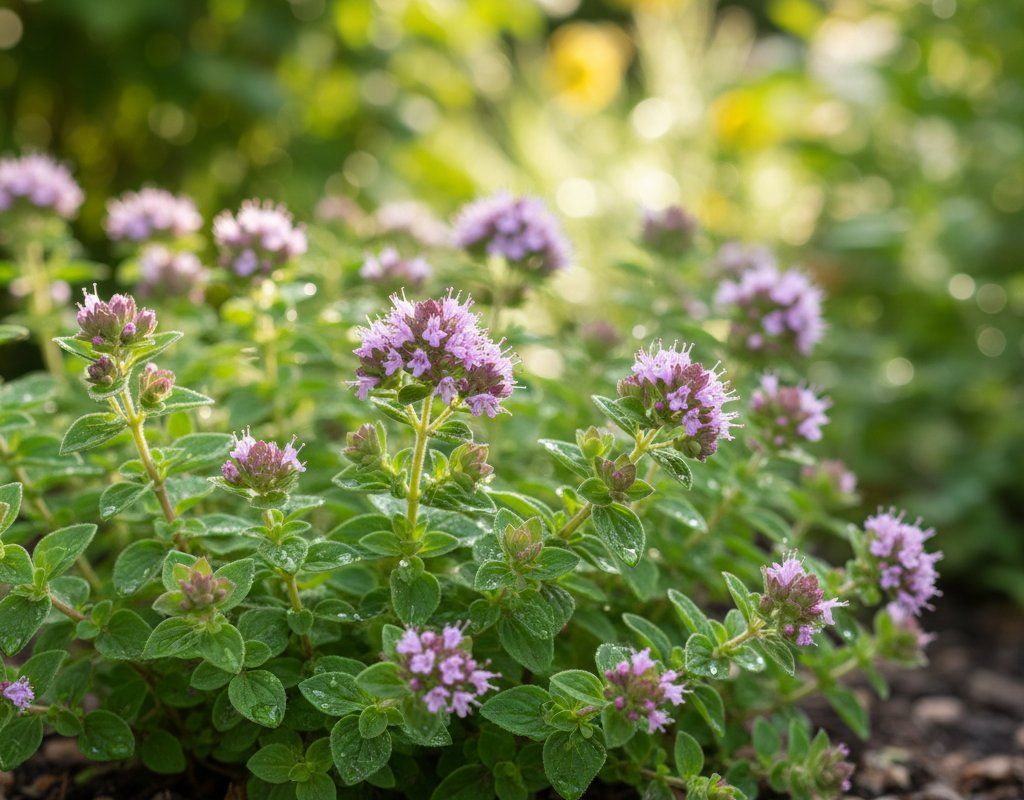
Plant basil near tomatoes and peppers - these heat-loving companions have similar water needs and basil's strong scent may help deter some pests from your nightshade crops. The shared growing season timing works perfectly in our Desert Southwest climate, and you'll have the perfect ingredients for fresh salsa within arm's reach. Oregano makes another excellent neighbor since both herbs appreciate good drainage and moderate water in our arid conditions.
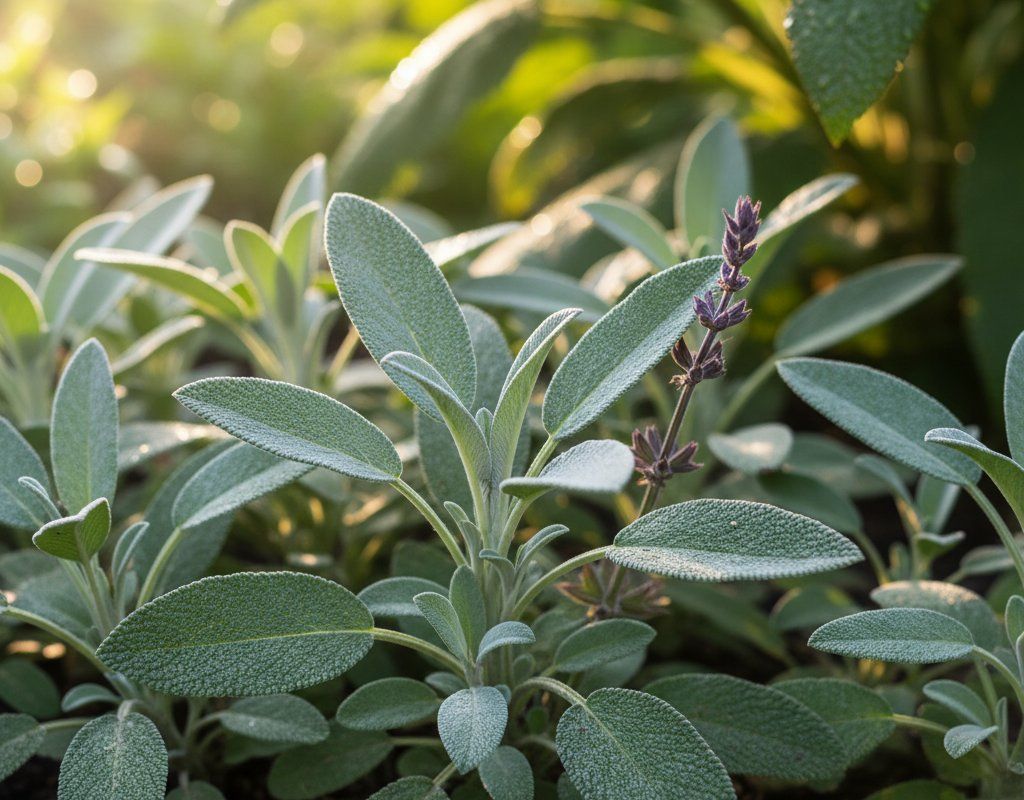
Avoid planting basil near sage or rue, as these Mediterranean herbs prefer drier conditions than basil and can inhibit basil's growth through allelopathic compounds. In our intense desert sun, give basil companions that won't compete for the precious afternoon shade you'll want to provide during the hottest parts of the growing season.
🌸Best Flowers to Plant with Basil
These flowers protect your Basil from pests and attract pollinators for better harvests.
For Pest Control




Get a Reminder When It's Time to Plant
We'll email you when key planting windows open for your zone.