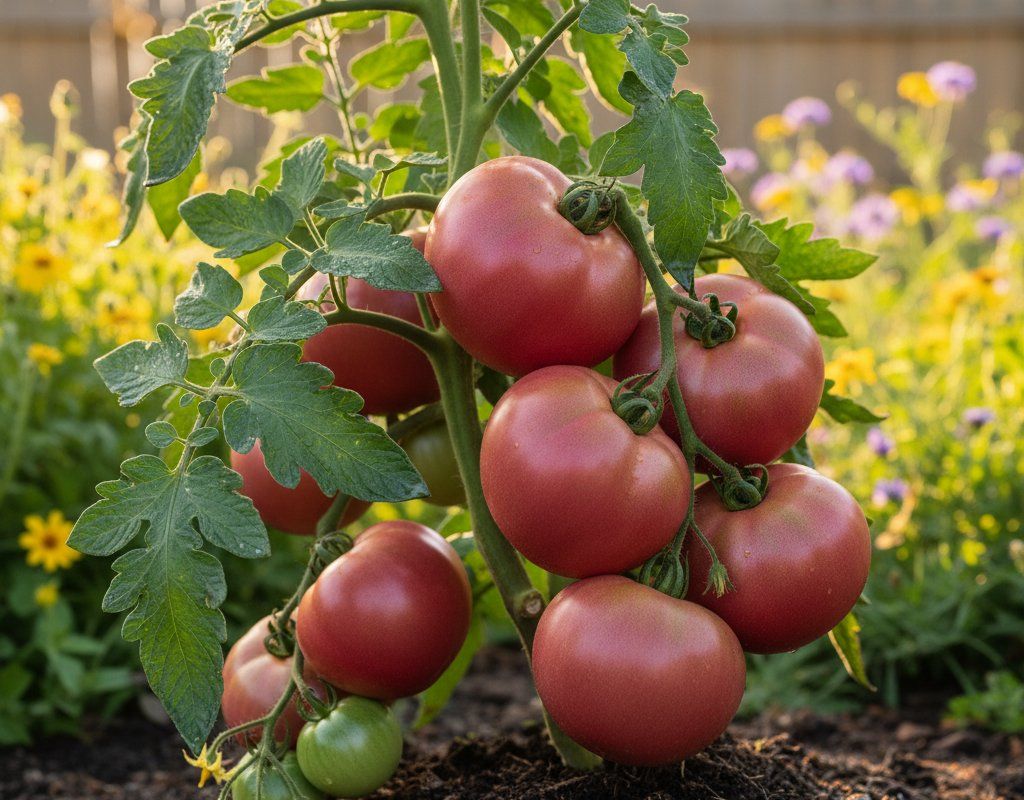
Brandywine Tomatoes in Zone 3B — Midwest
Solanum lycopersicum · Your Complete 2026 Planting Guide
Planning Ahead — Great!
You’re ahead of the season. Here’s when to start.
Mark Your Calendar
How to Plant Brandywine Tomatoes in Zone 3B — Midwest
Here are all your options for getting brandywine tomatoes in the ground, from the easiest method to more advanced approaches.
Start Seeds Indoors
RecommendedMid to late April
around April 22
Then transplant: Early June
Start seeds 6-8 weeks before transplanting outdoors.
Buy Starts
Works WellEarly June
around June 3
Plant purchased starts after last frost (May 20).
Direct Sow Seeds
ChallengingDirect sowing is not typical for Brandywine Tomatoes.
Transplant Outdoors
Timing InfoEarly June
around June 3
Wait until nighttime temperatures stay above 50°F.
Plan to transplant within a few weeks of your target date.
Overview
Brandywine tomatoes deliver that old-fashioned beefsteak flavor that makes your mouth water just thinking about a thick slice on a summer sandwich. Here in the Midwest, our fertile soil and reliable summer heat create ideal conditions for these magnificent heirlooms to develop their signature sweet-tart complexity. While they take longer to ripen than hybrids, the payoff in taste is absolutely worth the wait.
Our 118-day growing season gives Brandywine plenty of time to mature if you start early indoors and plant after the soil warms. Yes, our variable spring weather means you'll need to be patient and wait until early June for transplanting, but that timing actually works perfectly with Brandywine's heat-loving nature.
Starting Seeds Indoors
Start your Brandywine seeds indoors from mid to late April, about six weeks before you plan to transplant outdoors. This timing works well with our moderate-to-late spring pattern, giving seedlings time to develop strong root systems before facing Midwest summer conditions.
Set up your seed trays in a warm spot (70-75°F) with good light - a sunny south window or grow lights work best. Plant seeds about ¼ inch deep in quality seed-starting mix. Use bottom watering when possible to prevent damping-off disease; just set your trays in shallow water and let the soil absorb moisture from below.
Keep the soil consistently moist but not soggy, and expect germination in 7-10 days. Once your seedlings develop their first true leaves, you can transplant them into individual 4-inch pots to give their root systems room to grow strong before heading outdoors.
Transplanting Outdoors
Wait until early June to transplant your Brandywine seedlings outdoors - this timing ensures soil temperatures stay consistently warm and eliminates any risk of late frost damage. Our Midwest springs can throw some curveballs, so patience pays off here.
Harden off your seedlings gradually over a week by placing them outside for increasing periods each day. Start with a few hours in filtered light, then work up to full sun exposure. This process helps them adjust to outdoor conditions without shock.
Space your plants 36-48 inches apart to allow for good air circulation - Brandywines are vigorous indeterminate growers that need room to spread. The wide spacing also helps reduce disease pressure in our moderate-to-humid summer climate. Choose your sunniest spot with well-draining soil, as these plants will be in place until first frost in mid-September.
Watering Brandywine Tomatoes in Zone 3B (Midwest)
Brandywines demand consistent moisture throughout the growing season - they're not drought-tolerant like some tomato varieties. In our Midwest climate with 30-40 inches of annual rainfall, you'll still need to supplement during dry spells and manage moisture during our wet periods.
Check soil moisture by sticking your finger 2 inches deep near the base of the plant. The soil should feel like a wrung-out sponge - moist but not soggy. During typical Midwest summers, aim for about 1-2 inches of water per week, including rainfall. When temperatures hit those heat spells in the upper 80s, your plants may need daily watering.
Water at the base of the plant rather than overhead to prevent leaf diseases that thrive in our moderate-to-humid conditions. Brandywines are particularly prone to fruit cracking when they experience the dry-wet cycles common with sporadic summer storms. Consistent moisture is your best defense against this problem.
Apply a 3-inch layer of mulch around each plant to help maintain even soil moisture and reduce the need for frequent watering. Watch for signs of stress: wilting during hot afternoons indicates underwatering, while yellowing lower leaves often signals overwatering in our clay-heavy soils.
Supporting Your Brandywine Tomatoes
Install sturdy tomato cages or stakes at planting time - Brandywines produce large, heavy fruit on vigorous indeterminate vines that can easily reach 6-8 feet tall. A flimsy support system will leave you with broken plants and damaged fruit by mid-season.
Heavy-duty tomato cages (at least 5 feet tall) work well, or use 6-foot stakes with soft ties to secure the main stem every 12-18 inches as it grows. The potato-leaf foliage of Brandywines offers less natural shade than regular tomato leaves, so the fruit benefits from the structural support to prevent sun-scald.
Train the main stem upward and secure it loosely - the stem will thicken as it grows. Check your supports regularly throughout the season, especially after severe weather events that are common in our area. A well-supported Brandywine plant will produce fruit right up until first frost.
Pruning & Maintaining Brandywine Tomatoes
Prune Brandywines moderately to improve air circulation while maintaining enough foliage to protect the fruit from sun-scald. Remove suckers that grow between the main stem and branches, especially the lower ones that won't contribute much to fruit production.
Focus your pruning efforts on removing the bottom 12-18 inches of foliage once the plant is established. This prevents soil-borne diseases from splashing up during our heavy summer rains. Also remove any yellowing or diseased leaves throughout the season - Brandywines are more susceptible to disease than modern hybrids.
As first frost approaches in mid-September, you can prune off the growing tips to direct the plant's energy into ripening existing fruit rather than producing new flowers. Remove any small green tomatoes that clearly won't have time to mature, allowing the plant to focus on the larger fruits that have a chance to ripen before cold weather arrives.
🧪Fertilizing Brandywine Tomatoes
Feeding Schedule
Organic Fertilizer Options
Harvest Time
Expect your first ripe Brandywines in early to mid-September - these heirloom beauties take their time but are worth the wait. With our 90-day maturity period and early June planting, you'll have about 2-3 weeks of prime harvest before first frost typically arrives in mid-September.
Look for fruits that develop a pink-red blush with slight softness when gently pressed. The shoulders (top area around the stem) may stay green even when ripe - that's normal for Brandywines and doesn't affect flavor. Harvest by gently twisting and pulling, or use clean pruners to avoid damaging the vine.
Pick tomatoes every 2-3 days once they start ripening to encourage continued production. Brandywines can ripen beautifully off the vine, so harvest any fruits showing color before the first hard frost threatens. Store these at room temperature - never refrigerate fresh tomatoes as it destroys their flavor and texture.
When frost warnings appear, harvest all remaining fruits regardless of size. Large green tomatoes will often ripen indoors if placed in a paper bag with a ripe banana or apple. Even if they don't fully ripen, green Brandywines make excellent fried green tomatoes or salsa verde.
Common Problems in Zone 3B (Midwest)
Cracking appears as splits in the tomato skin, either in circles around the stem end or as lines radiating outward from the top. You'll often see the exposed flesh, which can lead to rot if not harvested quickly. This happens when heavy rain or watering follows a dry period - the fruit absorbs water faster than the skin can expand. Maintain consistent soil moisture with regular watering and mulching to prevent the dry-wet cycles that cause cracking. Our unpredictable summer storms make this especially challenging in the Midwest.
Low yields show up as healthy-looking plants that produce disappointingly few tomatoes. Brandywines are naturally lower-yielding than hybrids, but extremely poor production often indicates pollination problems or nutrient imbalances. Too much nitrogen creates lush foliage but few fruits. Ensure proper spacing for air circulation, use balanced fertilizer (not high-nitrogen), and consider hand-pollinating flowers during cool or still weather when natural pollinators aren't active.
Disease susceptibility manifests as various leaf spots, wilting, or fruit problems throughout the season. Unlike modern hybrids, Brandywines lack built-in disease resistance genes, making them vulnerable to common tomato diseases. Improve air circulation with wider spacing and pruning, especially important in our moderate-to-humid summers. Remove affected foliage immediately and consider preventive fungicide applications during wet periods.
Catfacing creates deep grooves, scars, and lumpy deformities on the blossom end of tomatoes, making them look twisted and ugly. Cool nighttime temperatures during flowering cause incomplete pollination, leading to these malformed fruits. This is more common with large-fruited varieties like Brandywine, especially when nights dip below 55°F during bloom time. While unsightly, catfaced tomatoes are perfectly edible - just cut away the scarred portions.
Midwest Specific Challenges: Our moderate-to-humid summer climate with wet periods creates ideal conditions for fungal diseases, while our clay soils can lead to overwatering issues. The combination of summer heat spells followed by heavy rains stresses Brandywines and increases cracking problems.
Best Companions for Brandywine Tomatoes
Plant these nearby for healthier Brandywine Tomatoes and better harvests.
View Full Companion Planting Chart →



Companion Planting Details
Plant basil near your Brandywines - it reportedly improves tomato flavor while repelling aphids and hornworms. Carrots and parsley make excellent companions since their root systems don't compete with tomatoes, and parsley attracts beneficial insects that prey on tomato pests. Marigolds planted around your tomato patch help deter nematodes and other soil pests common in our fertile Midwest soils.
Avoid planting brassicas (cabbage, broccoli, cauliflower) near tomatoes as they can stunt each other's growth and compete for nutrients. Keep fennel away from your tomato patch - it releases compounds that inhibit tomato growth. Corn should also be planted elsewhere since both crops attract similar pests and create unnecessary competition in your garden space.
🌸Best Flowers to Plant with Brandywine Tomatoes
These flowers protect your Brandywine Tomatoes from pests and attract pollinators for better harvests.
For Pest Control

Get a Reminder When It's Time to Plant
We'll email you when key planting windows open for your zone.