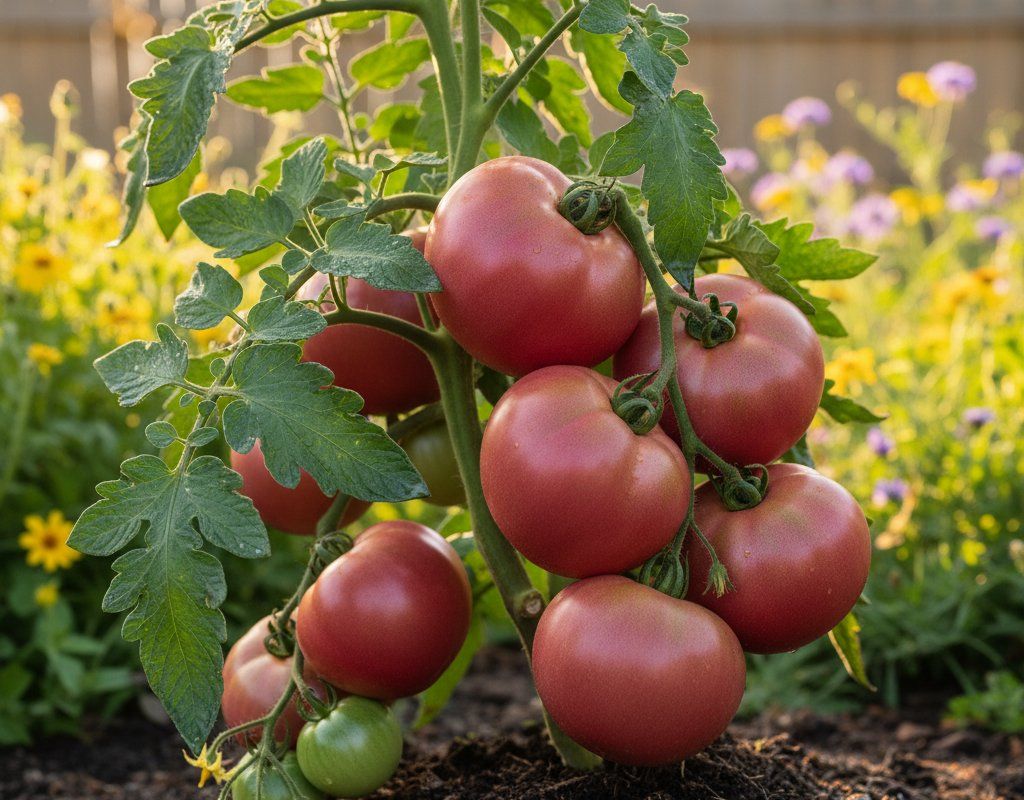
Brandywine Tomatoes in Zone 7A — Southeast
Solanum lycopersicum · Your Complete 2026 Planting Guide
Last Call for Seed Starting!
Indoor seed starting window closes in 7 days.
Start Seeds This Week
Start seeds now for transplanting later.
Or Wait for Starts
If you don’t want to start seeds, starts will be available around April 8.
How to Plant Brandywine Tomatoes in Zone 7A — Southeast
Here are all your options for getting brandywine tomatoes in the ground, from the easiest method to more advanced approaches.
Start Seeds Indoors
RecommendedMid February through mid March
around February 25
Then transplant: Early to late April
Start seeds 6-8 weeks before transplanting outdoors.
Buy Starts
Works WellEarly to late April
around April 8
Plant purchased starts after last frost (March 25).
Direct Sow Seeds
ChallengingDirect sowing is not typical for Brandywine Tomatoes.
Transplant Outdoors
Timing InfoEarly to late April
around April 8
Wait until nighttime temperatures stay above 50°F.
Plan to transplant within a few weeks of your target date.
Overview
Brandywine tomatoes bring the kind of rich, complex flavor that makes our long Southeast growing season worth every sweaty minute. These legendary heirlooms produce massive, ribbed fruits with that perfect balance of sweet and tangy that you simply can't buy in stores. In our Zone 7A climate, you'll get a solid harvest window from early July through the first frost in early November, making Brandywine an excellent choice for our extended warm season.
While Brandywine can be more challenging than modern hybrids—especially with our hot, humid summers and disease pressure—the timing window in the Southeast gives you plenty of flexibility. Our 225-day growing season means you can start seeds anytime from mid-February through mid-March and still get a full harvest. The key is working with our climate patterns rather than fighting them.
Starting Seeds Indoors
You'll want to start your Brandywine seeds indoors about 6 weeks before your last frost, which puts you in the mid-February through mid-March window. This timing works well with our moderate spring weather—you're not fighting extreme cold or rushing to get plants out too early. Set up your seed trays in a warm spot (70-75°F) with good light, either from a south window or grow lights about 6 inches above the seedlings.
Bottom watering works especially well for tomato seedlings—place your seed trays in a shallow dish and add water to the dish rather than watering from above. This keeps the soil surface from getting too soggy while ensuring the roots get adequate moisture. Your seeds should germinate in 7-10 days with consistent warmth.
Once your seedlings develop their first true leaves, you can transplant them to individual 4-inch pots. Keep them in bright light and maintain that warm temperature. By early April, they should be sturdy plants ready for hardening off.
Transplanting Outdoors
Plan to transplant your Brandywine seedlings outdoors between early and late April, after your last frost risk has passed. This gives you about a month-long window to work with, so you're not tied to one specific date. Before transplanting, spend a week hardening off your plants—start with an hour or two outdoors in a protected spot, gradually increasing their exposure to direct sun and outdoor conditions.
Space your Brandywine plants 36-48 inches apart. These indeterminate varieties get large and need excellent air circulation, especially important in our humid climate where fungal diseases can take hold quickly. The wider spacing also makes it easier to access your plants for pruning and harvesting throughout our long growing season.
Watch the weather during transplant time—our April weather can be unpredictable with late cool snaps or sudden heat waves. If temperatures are forecast to dip below 50°F at night, wait a few more days or use row covers to protect newly transplanted seedlings.
Watering Brandywine Tomatoes in Zone 7A (Southeast)
Consistent moisture is absolutely critical for Brandywine tomatoes—these heirlooms are much more prone to cracking than hybrid varieties when they experience the dry-then-wet cycle. In our Southeast climate, this means adjusting your watering strategy throughout the season. During spring, you'll likely need to water 1-2 times per week, but once our hot, humid summer kicks in, daily watering often becomes necessary.
Use the finger test to check soil moisture—stick your finger 2 inches into the soil near the base of the plant. If it's dry at that depth, it's time to water. During our typical summer heat (those 92°F days), your Brandywines will need about 1-2 inches of water per week. Our afternoon thunderstorms help, but they're unpredictable, so don't rely on them alone.
Always water at the base of the plant rather than overhead. In our humid climate, wet foliage just invites fungal diseases, and Brandywine is already more susceptible to disease than modern hybrids. A soaker hose or drip irrigation works perfectly, delivering water slowly and directly to the root zone.
Watch for signs of stress—wilting during the hottest part of the day is normal, but if plants are still wilted in early morning or evening, you need more water. Yellowing lower leaves often indicates inconsistent watering, while cracked fruit means you've hit that dry-to-wet cycle that Brandywines hate. A 2-3 inch layer of organic mulch around your plants will help maintain even soil moisture through our variable summer weather.
Supporting Your Brandywine Tomatoes
Install strong support at planting time—Brandywine's large fruits on vigorous indeterminate vines will easily topple flimsy cages or stakes. A combination works best: use 6-foot tall stakes or sturdy cages paired with soft ties to support the main stem and heavy fruit clusters. The potato-leaf foliage on Brandywine provides less shade than regular tomato leaves, so the fruits are more exposed and can get quite heavy.
As your plants grow, tie the main stem to your support every 12-18 inches, using soft materials like cloth strips or tomato ties—never wire or rough string that can cut into the stem. The large fruits will need individual support too. Use small cloth slings or tomato hammocks to cradle heavy clusters and prevent them from breaking branches.
Check and adjust your supports throughout the growing season, especially after our summer thunderstorms which can stress heavily loaded branches. By mid-summer, a well-grown Brandywine can easily reach 6-8 feet tall with multiple heavy fruit clusters, so your initial support investment pays off in preventing heartbreaking losses.
Pruning & Maintaining Brandywine Tomatoes
Remove suckers (the shoots that grow between the main stem and branches) when they're small and easy to pinch off. For Brandywine, moderate pruning works better than aggressive removal—you want to improve air circulation without sacrificing too much foliage. In our humid climate, good airflow helps prevent the fungal diseases that Brandywine is prone to developing.
Remove the lower branches that touch the soil or are within 12 inches of the ground—these are disease magnets in our wet summers. Also pinch off any yellowing or spotted leaves throughout the season, which helps redirect energy to fruit production and reduces disease pressure.
As we approach first frost in early November, you can top your plants (remove the growing tip) about 4-6 weeks beforehand. This stops new flower production and directs energy into ripening existing fruit. In our Zone 7A climate, this timing usually falls in late September or early October, giving you a final push of ripe tomatoes before the season ends.
🧪Fertilizing Brandywine Tomatoes
Feeding Schedule
Organic Fertilizer Options
Harvest Time
Expect your first ripe Brandywines between early July and mid-August, about 90 days from transplanting. The exact timing depends on when you transplanted and how our spring weather develops—a cool, wet spring pushes harvest later, while warm conditions move it up. Watch for the characteristic pink-red color with slight softness when gently squeezed.
Don't worry if the shoulders (top portion around the stem) stay green or yellow—that's completely normal for Brandywine and doesn't affect flavor. Harvest when the bottom portion shows good color and gives slightly to pressure. These large fruits can weigh over a pound, so twist gently while supporting the fruit to avoid damaging the vine.
Pick regularly to encourage continued production throughout our long summer. Brandywine will keep producing until first frost, giving you a harvest window that can extend from July into November. During peak season in August and September, you might be picking ripe fruits every 2-3 days.
As we approach first frost in early November, harvest any green fruits larger than golf ball size. They'll ripen indoors on a counter or windowsill over several weeks, extending your Brandywine season well into winter. The flavor won't be quite as good as vine-ripened, but it's still better than anything from the store.
Common Problems in Zone 7A (Southeast)
Cracking You'll see splits in the tomato skin, either as concentric circles around the stem or as radial lines extending from the stem toward the blossom end. The cracks can expose the flesh and lead to rot, ruining what should be perfect fruit. In our Southeast climate, this often happens after our heavy afternoon thunderstorms hit dry soil, causing the fruit to absorb water faster than the skin can expand. Brandywine is particularly prone to this compared to hybrid varieties.
Maintain consistent soil moisture through regular watering and a thick mulch layer. During our unpredictable summer weather with alternating dry spells and downpours, drip irrigation or soaker hoses work better than overhead sprinklers. Harvest fruit as soon as it's ripe rather than leaving it on the vine.
Low Yields Despite healthy-looking plants, you get far fewer tomatoes than expected—maybe 10-15 fruits per plant instead of the 20-30 you hoped for. In our humid climate, poor pollination is often the culprit when our native bees are less active during hot, muggy days. Heirloom varieties like Brandywine are also naturally lower-yielding than modern hybrids bred for production.
Ensure adequate spacing (36-48 inches) for good air circulation and bee access. Hand-pollinate during our hottest weeks by gently tapping flower clusters in the morning. Avoid over-fertilizing with nitrogen, which creates lush foliage at the expense of fruit. Consistent watering helps too—stressed plants drop blossoms.
Disease Susceptibility Yellow or brown spots on leaves, wilting despite adequate moisture, or dark lesions on stems signal the fungal diseases that love our hot, humid summers. Brandywine lacks the disease resistance genes bred into modern hybrids, making it more vulnerable to early blight, late blight, and bacterial spot—all common in our Southeast climate.
Improve air circulation with proper spacing and regular pruning. Apply preventative fungicide sprays every 2-3 weeks during humid weather. Remove affected foliage immediately and dispose of it (not in compost). Water at soil level, never on leaves. Rotate your tomato crops to different garden areas each year.
Catfacing Deep crevices, scars, and lumpy deformities on the blossom end make your tomatoes look like they grew around obstacles. The fruit is perfectly edible but unsightly and hard to slice evenly. Cool nighttime temperatures during flowering cause incomplete pollination, and Brandywine's large fruits are especially prone to this problem.
Avoid transplanting too early when nights still dip below 55°F. Use row covers during cool snaps in April and early May. The deformed fruits are still delicious—just use them for sauce or cooking rather than slicing fresh.
Southeast Specific Challenges Our combination of hot days, warm nights, and high humidity creates perfect conditions for rapid disease development, especially on susceptible varieties like Brandywine. The frequent afternoon thunderstorms can exacerbate cracking problems, while Japanese beetles often target the large, exposed fruits. Clay soil common in our region can lead to inconsistent moisture that stresses the plants, and summer heat stress can cause blossom drop during our hottest weeks in July and August.
Best Companions for Brandywine Tomatoes
Plant these nearby for healthier Brandywine Tomatoes and better harvests.
View Full Companion Planting Chart →



Companion Planting Details
Plant basil nearby—it repels aphids and thrips while some gardeners swear it improves tomato flavor. Carrots and parsley work well as understory plants, making use of space without competing for nutrients, and their fine foliage helps break up humidity around your tomato plants. Marigolds planted throughout your tomato area help deter nematodes and other soil pests that can be problematic in our long, warm growing season.
Avoid planting brassicas (cabbage, broccoli, etc.) near your Brandywines—they're heavy nitrogen feeders that compete with tomatoes, and they can harbor diseases that affect both plant families. Skip fennel entirely, as it can stunt tomato growth. Corn isn't a good neighbor either since both crops are heavy feeders and tall corn can shade your tomatoes during our already challenging summer heat.
🌸Best Flowers to Plant with Brandywine Tomatoes
These flowers protect your Brandywine Tomatoes from pests and attract pollinators for better harvests.
For Pest Control

Get a Reminder When It's Time to Plant
We'll email you when key planting windows open for your zone.