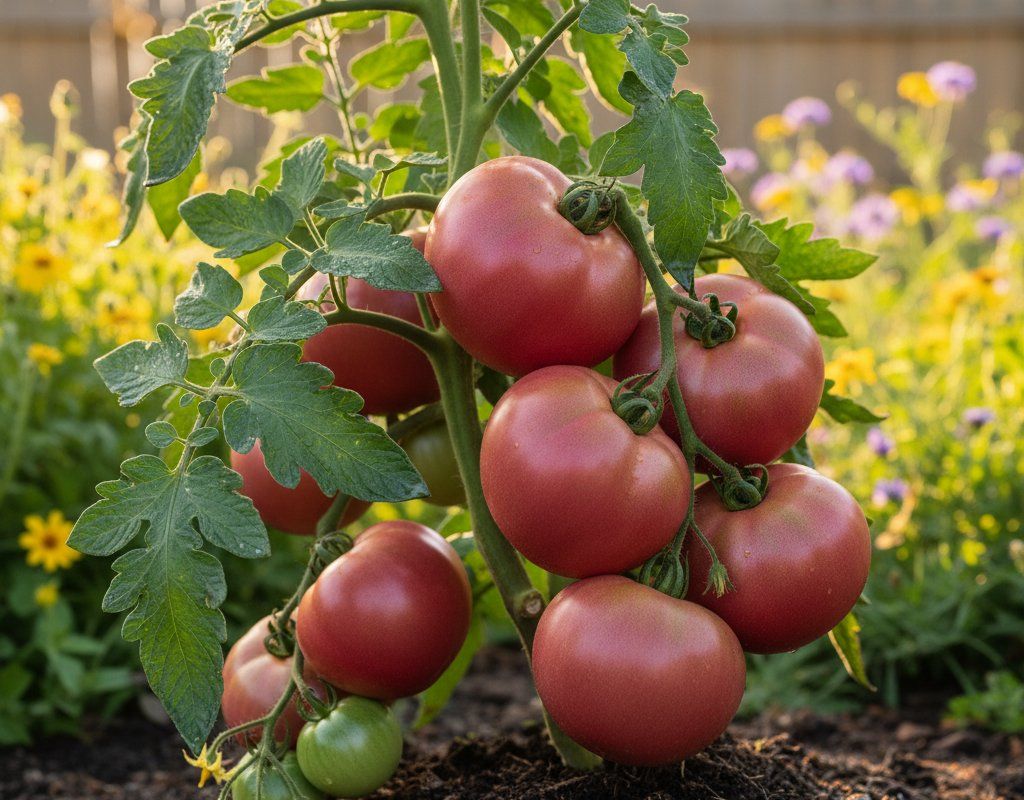
Brandywine Tomatoes in Zone 9A — Florida
Solanum lycopersicum · Your Complete 2026 Planting Guide
Time to Buy Starts!
Seed starting window passed, but starts are available now.
Buy Starts Now
Head to your local nursery, Home Depot, or farmers market for transplants.
- Look for stocky plants with dark green leaves
- Avoid leggy seedlings or plants already flowering
- Check that roots aren't circling the pot (rootbound)
How to Plant Brandywine Tomatoes in Zone 9A — Florida
Here are all your options for getting brandywine tomatoes in the ground, from the easiest method to more advanced approaches.
Start Seeds Indoors
RecommendedLate December through mid January
around January 4
Then transplant: Mid February through early March
Start seeds 6-8 weeks before transplanting outdoors.
Buy Starts
Works WellMid February through early March
around February 15
Plant purchased starts after last frost (February 1).
Direct Sow Seeds
ChallengingDirect sowing is not typical for Brandywine Tomatoes.
Transplant Outdoors
Timing InfoMid February through early March
around February 15
Wait until nighttime temperatures stay above 50°F.
Plan to transplant within a few weeks of your target date.
Overview
Brandywine tomatoes are the crown jewel of heirloom varieties, and they absolutely shine in Florida's Zone 9A climate when you time them right. These massive, pink-red beauties deliver that old-fashioned tomato flavor that makes store-bought varieties taste like cardboard, and they're perfect for our reversed growing season where we plant in fall and harvest through winter and spring. With our 327-day growing season, you can enjoy these spectacular fruits from late spring right up until our first frost in late December.
Yes, Brandywines are more challenging than modern hybrids—they're prone to cracking and diseases in our humid climate. But here's the thing: our long, mild winters and early springs give you the perfect window to grow them successfully. Start them indoors during our coolest months and transplant before the brutal summer heat arrives, and you'll be rewarded with tomatoes that remind you why gardening is worth every bit of effort.
Starting Seeds Indoors
You'll need to start Brandywine seeds indoors between late December and mid-January, about 6 weeks before your transplant date. This timing works perfectly with Florida's reversed calendar—while northern gardeners are planning, you're already growing. Set up your seed trays in a warm spot (70-75°F is ideal) with good light, either from a south-facing window or grow lights.
Fill your seed trays with quality seed-starting mix and plant seeds about ¼ inch deep. Keep the soil consistently moist using bottom watering—set your trays in shallow pans of water rather than watering from above. This prevents fungal issues that love our humidity and gives you more even germination.
Your seedlings should emerge in 7-10 days and be ready for transplanting by mid-February through early March. Give them plenty of light once they sprout, and start hardening them off about a week before transplant time.
Transplanting Outdoors
Plan to transplant your Brandywine seedlings between mid-February and early March, when nighttime temperatures consistently stay above 50°F. This timing gets them established before our intense summer heat arrives, giving them the cool spring weather they need to set fruit properly. Wait too long, and the summer heat will stress them before they can produce.
Harden off your seedlings gradually over 7-10 days, starting with just 2-3 hours outside in a protected spot and increasing daily. Florida's late winter can still surprise you with cold snaps, so watch the weather and be ready to bring them inside if temperatures threaten to drop into the 40s.
Space your plants 36-48 inches apart—these indeterminate vines get massive and need excellent air circulation in our humid climate. Plant them deep, burying about two-thirds of the stem to encourage strong root development. Install your support system at planting time since you won't want to disturb those roots later.
Watering Brandywine Tomatoes in Zone 9A (Florida)
Brandywines need consistent, deep watering throughout their growing season—about 1-2 inches per week depending on rainfall and temperature. Here in Florida, you'll need to adjust your watering schedule as we move from dry winter through wet summer. During the cooler transplant season, water every 2-3 days, but as temperatures climb into the 80s and 90s, daily watering becomes essential.
Use the finger test to check soil moisture: stick your finger 2 inches into the soil near the base of the plant. If it's dry at that depth, it's time to water. Always water at the base of the plant rather than overhead—our extreme humidity already creates perfect conditions for fungal diseases, and wet foliage just makes it worse.
The key with Brandywines is avoiding the wet-dry cycle that causes fruit cracking. These heirlooms are notorious for splitting when they get a big drink after being stressed. During our wet summer months (June through September), you might barely need to water at all, but stay vigilant for dry spells between storms.
Apply 2-3 inches of mulch around your plants to maintain even soil moisture and reduce the need for daily watering. Pine straw or shredded hardwood work well here, but keep mulch 2-3 inches away from the stem to prevent collar rot in our humid conditions.
Supporting Your Brandywine Tomatoes
Brandywine tomatoes absolutely require strong support—these indeterminate vines can reach 6-8 feet tall and produce fruit that can weigh over a pound each. Install sturdy tomato cages (at least 6 feet tall) or strong stakes with soft ties at planting time. Trying to add support later will damage the extensive root system these plants develop.
For staking, use 8-foot treated posts driven 2 feet into the ground, and tie the main stem every 12-18 inches as it grows. Use soft materials like cloth strips or specialized tomato ties—never use wire or hard ties that can cut into the growing stems. The potato-leaf foliage of Brandywines provides less natural support than regular tomato leaves, so you'll need to be more vigilant about tying.
Train your plants by gently weaving the main stem around stakes or through cage openings as they grow. Check your supports weekly during the peak growing season—Florida's afternoon thunderstorms and occasional tropical weather can quickly topple unsupported plants loaded with heavy fruit.
Pruning & Maintaining Brandywine Tomatoes
Prune your Brandywine plants moderately to improve air circulation—crucial in our humid Florida climate where fungal diseases thrive. Remove suckers (shoots growing between the main stem and branches) when they're small, focusing on those below the first flower cluster and any growing from the base of the plant. Don't go overboard though—some suckers can become productive fruiting branches.
Remove lower leaves that touch the ground or show any signs of disease, and thin out dense foliage in the center of the plant to promote airflow. This is especially important here where morning dew sits on leaves for hours in our humid conditions. Do your pruning early in the day so wounds can dry quickly.
As first frost approaches in late December, you can either let plants continue producing small fruits or do a final pruning to direct energy into ripening existing fruit. Many Florida gardeners choose to harvest green tomatoes before frost and ripen them indoors, since Brandywines ripen well off the vine.
🧪Fertilizing Brandywine Tomatoes
Feeding Schedule
Organic Fertilizer Options
Harvest Time
Expect your first Brandywine tomatoes between mid-May and late June, about 90 days from transplanting. These beauties are ready when they develop their characteristic pink-red color with slight softness when gently squeezed. Don't worry if the shoulders (area around the stem) stay greenish—that's normal for Brandywines and doesn't affect flavor.
Harvest regularly to encourage continued production, picking fruits as soon as they start showing color. Brandywines can crack easily if left on the vine too long, especially after rain or heavy watering. A slightly underripe tomato will ripen perfectly on your kitchen counter and won't risk splitting.
During peak season (late spring through early summer), check your plants every other day. The combination of our heat and humidity speeds ripening considerably once fruits start turning. Handle these delicate heirlooms gently—they bruise more easily than hybrid varieties but the flavor makes the extra care worthwhile.
As your first frost date approaches in late December, harvest all remaining fruits regardless of size. Green Brandywines ripen beautifully indoors when wrapped in newspaper and stored in a cool, dark place. This extends your harvest well into January, giving you months of incredible homegrown tomatoes.
Common Problems in Zone 9A (Florida)
Cracking You'll see splits in the tomato skin, either in circles around the stem (concentric) or in lines radiating outward (radial). This exposes the flesh and often leads to rot. Brandywines are particularly prone to this in our climate because they develop such large, thin-skinned fruits. The problem gets worse during our wet summer months when heavy rains follow dry spells, causing the fruit to absorb water faster than the skin can expand. Maintain consistent soil moisture through regular watering and thick mulching, and harvest fruits as soon as they start showing color rather than waiting for full ripeness on the vine.
Low Yields Your plants look healthy but produce disappointingly few tomatoes compared to hybrid varieties. This is partly the nature of heirloom Brandywines—they're bred for flavor, not production efficiency. However, low yields can worsen in our climate due to poor pollination during hot weather or nutrient imbalances in sandy Florida soil. Ensure consistent watering and feed with a balanced fertilizer that's higher in phosphorus than nitrogen (too much nitrogen gives you all leaves, no fruit). Hand-pollinate flowers during the hottest weather by gently shaking the flower clusters or using a small paintbrush to transfer pollen.
Disease Susceptibility Brandywines lack the disease resistance bred into modern hybrids, making them vulnerable to our humid climate's fungal and bacterial problems. You'll see yellowing leaves, brown spots, or entire branches dying back. The combination of our extreme humidity, warm nights, and wet summers creates perfect conditions for diseases like early blight, septoria leaf spot, and bacterial wilt. Space plants farther apart than usual (48 inches), prune for better air circulation, and water only at soil level. Apply preventative fungicide sprays during humid periods, and remove affected foliage immediately.
Catfacing Your tomatoes develop deep crevices, scars, and deformities on the blossom end, making them look lumpy and misshapen. This happens when cool temperatures during flowering (below 55°F at night) interfere with proper pollination. While the fruit is still edible, it's cosmetically unappealing. In Florida, this typically occurs if you transplant too early and get a late cold snap. Wait until nighttime temperatures consistently stay above 50°F before transplanting, and be prepared to protect plants with row covers if unexpected cold threatens during flowering.
Florida Specific Challenges Our extreme humidity and wet summers create the perfect storm for tomato diseases, while sandy soils require more frequent watering and fertilizing. Nematodes in the soil can attack roots, and afternoon thunderstorms can damage heavy-laden branches. The key to success with Brandywines in Florida is getting them established early, providing excellent drainage and air circulation, and being prepared to harvest before our first frost in late December.
Best Companions for Brandywine Tomatoes
Plant these nearby for healthier Brandywine Tomatoes and better harvests.
View Full Companion Planting Chart →



Companion Planting Details
Plant basil alongside your Brandywines—it naturally repels aphids and whiteflies while thriving in the same warm conditions. Carrots and parsley make excellent understory plants that won't compete for space or nutrients, and their different root zones actually complement the tomatoes' deep feeding habits. Marigolds scattered throughout the tomato patch help deter nematodes, which are a serious problem in Florida's sandy soils.
Avoid planting brassicas like cabbage or broccoli near your tomatoes—they're heavy feeders that will compete for nutrients, and they prefer cooler weather that conflicts with tomato growing season. Keep fennel far away as it can inhibit tomato growth, and avoid corn since both crops attract similar pests and diseases. In our humid climate, good air circulation is crucial, so don't overcrowd with too many companion plants.
🌸Best Flowers to Plant with Brandywine Tomatoes
These flowers protect your Brandywine Tomatoes from pests and attract pollinators for better harvests.
For Pest Control

Get a Reminder When It's Time to Plant
We'll email you when key planting windows open for your zone.