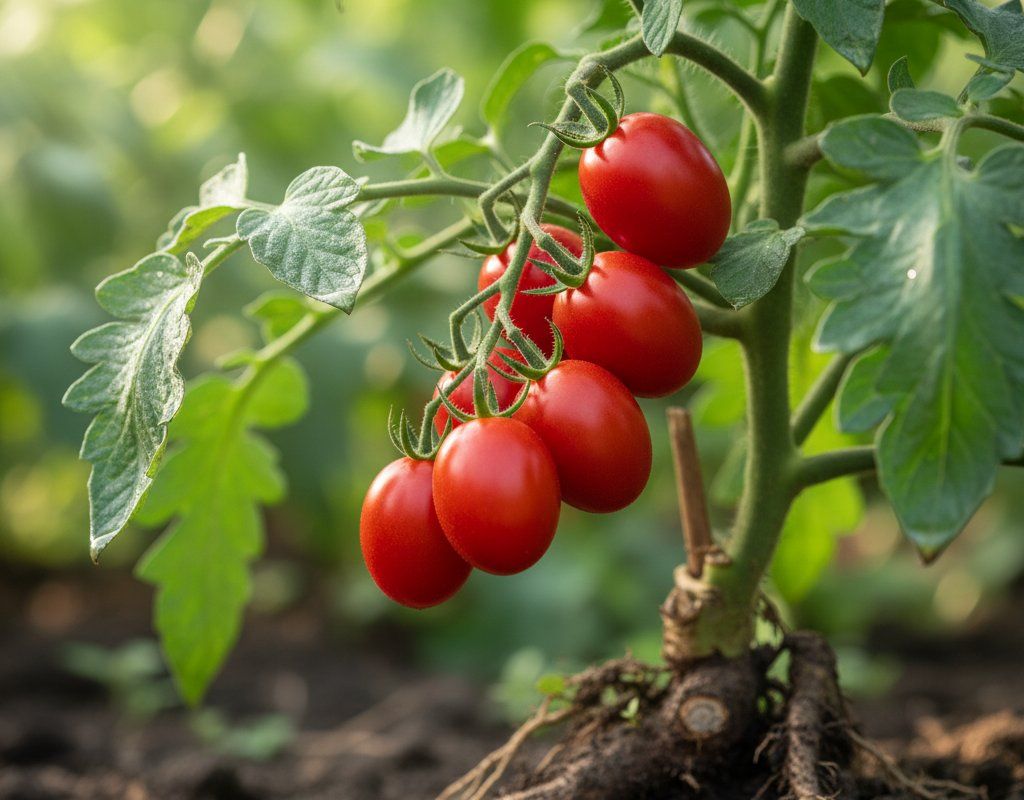
Grape Tomatoes in Zone 10B — Desert Southwest
Solanum lycopersicum var. cerasiforme · Your Complete 2026 Planting Guide
Check Planting Details Below
See the full planting guide for timing information.
How to Plant Grape Tomatoes in Zone 10B — Desert Southwest
Here are all your options for getting grape tomatoes in the ground, from the easiest method to more advanced approaches.
Start Seeds Indoors
RecommendedMid December through early January
around December 18
Then transplant: Late January through late February
Start seeds 6-8 weeks before transplanting outdoors.
Buy Starts
Works WellLate January through late February
around January 29
Plant purchased starts after last frost (January 15).
Direct Sow Seeds
ChallengingDirect sowing is not typical for Grape Tomatoes.
Transplant Outdoors
Timing InfoLate January through late February
around January 29
Wait until nighttime temperatures stay above 50°F.
You have a nice window — no need to rush.
Overview
Grape tomatoes thrive in our Desert Southwest climate, delivering sweet, concentrated flavor in bite-sized packages that make summer cooking a breeze. These prolific producers excel in our Zone 10B conditions, offering better heat tolerance than many cherry varieties while maintaining that perfect pop-in-your-mouth texture. Their thicker skin resists cracking better than delicate cherry tomatoes, making them ideal for our intense sun and occasional monsoon deluges.
While our extreme heat and arid conditions present challenges for any tomato, grape varieties adapt well to desert gardening with proper timing and care. Our 349-day growing season gives you flexibility to plant early and harvest before the brutal summer heat hits hardest. The key is working with our mild winters and very early spring character rather than fighting the desert's summer survival mode.
Starting Seeds Indoors
Start your grape tomato seeds indoors from mid-December through early January, giving them about six weeks to develop before transplanting. This timing takes advantage of our very early spring character while ensuring plants are established before extreme heat arrives. Set up seed trays in a warm location with consistent temperatures around 70-75°F – a sunny windowsill or heat mat works perfectly.
Sow seeds about ¼ inch deep in quality seed-starting mix, keeping the soil consistently moist but not waterlogged. Bottom watering works exceptionally well for tomato seeds, preventing damping-off while maintaining steady moisture. Place trays under grow lights or in your brightest window, providing 12-14 hours of light daily.
Once seedlings develop their first true leaves, usually within 2-3 weeks, thin to the strongest plants and begin weekly feeding with diluted liquid fertilizer. Keep them indoors until late January, gradually reducing watering frequency to encourage stronger root development before the hardening-off process begins.
Transplanting Outdoors
Transplant your grape tomato seedlings outdoors from late January through late February, when nighttime temperatures consistently stay above 50°F. Our Desert Southwest location allows this early planting window since our last frost typically occurs around mid-January, giving you confidence to get plants established early.
Begin hardening off seedlings one week before transplanting by gradually exposing them to outdoor conditions. Start with 2-3 hours of morning sun, avoiding our intense afternoon heat even in winter. Increase exposure daily until plants can handle full outdoor conditions comfortably.
Space plants 24-36 inches apart to ensure adequate air circulation – this becomes crucial once our extreme heat arrives. Plant in well-amended soil and water thoroughly after transplanting. Consider temporary row cover or shade cloth if unexpected cold snaps threaten, though this timing usually avoids weather extremes in our region.
Watering Grape Tomatoes in Zone 10B (Desert Southwest)
Grape tomatoes require consistent, deep watering throughout their growing season, especially crucial in our arid Desert Southwest climate. Plan to provide 1-2 inches of water weekly through deep, infrequent watering sessions rather than daily sprinkles. The finger test works perfectly – check soil moisture 2 inches deep, watering when it feels dry at that depth.
Water at the base of plants rather than overhead to minimize disease issues and reduce water loss to evaporation in our dry air. Drip irrigation or soaker hoses work exceptionally well here, delivering water efficiently while keeping foliage dry. Morning watering gives plants time to absorb moisture before our intense afternoon sun hits.
Watch for signs of water stress – wilting during peak afternoon heat even with moist soil indicates normal behavior, but wilting in morning or evening signals immediate watering needs. Overwatering shows as yellowing lower leaves and stunted growth, while underwatering causes blossom end rot and reduced fruit production.
Apply 3-4 inches of organic mulch around plants to conserve precious water and maintain soil moisture between irrigations. Wood chips or shredded bark work well in our climate, breaking down slowly while suppressing weeds and moderating soil temperature during extreme heat periods.
Supporting Your Grape Tomatoes
Grape tomatoes produce vigorous indeterminate vines that require sturdy support throughout their growing season. Install heavy-duty tomato cages at planting time, choosing cages at least 5-6 feet tall with wide spacing between wires for easy harvest access. Standard store-bought cages often prove too flimsy for these prolific producers.
Alternatively, use wooden or metal stakes with soft ties to train main stems upward. Drive stakes 12-18 inches deep and at least 6-8 feet above ground to accommodate full plant height. As vines grow, gently tie them to supports every 12 inches, allowing room for stem expansion.
Train side branches through cage openings or tie them to stakes as plants develop. Grape tomato clusters become quite heavy when fully loaded with fruit, so ensure support systems can handle the weight. Check ties regularly and adjust as stems thicken to prevent girdling.
Pruning & Maintaining Grape Tomatoes
Grape tomatoes benefit from light pruning focused on removing suckers and lower leaves rather than aggressive trimming. Remove suckers – shoots growing between main stems and branches – when they're 2-3 inches long by pinching them off with your fingers. This directs energy into fruit production without stressing the plant.
Strip away lower leaves that touch the soil or show signs of disease, maintaining good air circulation around the base of plants. This becomes especially important as our monsoon season approaches, reducing disease pressure from soil splash and improving airflow in humid conditions.
As first frost approaches in late December, remove flower clusters that won't have time to mature. This concentrates the plant's remaining energy into ripening existing fruit. Consider topping plants 4-6 weeks before expected frost to encourage final fruit development rather than continued vine growth.
🧪Fertilizing Grape Tomatoes
Feeding Schedule
Organic Fertilizer Options
Harvest Time
Your first grape tomatoes will be ready for harvest from late March through mid-May, approximately 60 days after transplanting. Look for fruits that have developed full color – typically deep red, though some varieties produce orange or yellow fruits. Ripe grape tomatoes feel firm with just slight give when gently squeezed, and their thicker skin provides better keeping quality than cherry varieties.
Harvest by gently twisting and pulling individual tomatoes or cutting entire clusters with clean scissors. Pick fruits every 2-3 days during peak season to encourage continued production. Grape tomatoes will continue ripening off the vine, so harvest slightly underripe fruits if extreme heat threatens to damage them on the plant.
The continuous harvest nature of grape tomatoes means you'll enjoy fresh fruit for several months if you maintain consistent care. As our extreme heat builds through late spring, provide afternoon shade cloth to extend the harvest season and prevent sunscald on developing fruits.
When first frost threatens in late December, harvest all remaining fruits regardless of ripeness. Green tomatoes will ripen indoors within 2-3 weeks when stored in a warm, dark location. This final harvest often provides enough tomatoes to last through the holidays.
Common Problems in Zone 10B (Desert Southwest)
Cracking Splits appear in the tomato skin, either as concentric circles around the stem or radial lines extending from the stem end. The exposed flesh becomes vulnerable to rot and insects. In our Desert Southwest climate, cracking typically occurs when monsoon rains follow extended dry periods, causing fruit to absorb water faster than the skin can expand. Maintain consistent watering schedules and apply mulch to moderate soil moisture fluctuations. Harvest promptly when fruits reach full color to minimize exposure time.
Blossom End Rot Dark, sunken, leathery patches develop on the bottom (blossom end) of fruits, often affecting the season's first tomatoes most severely. This calcium deficiency results from inconsistent watering rather than actual soil calcium shortage – our alkaline desert soils typically contain adequate calcium. The problem intensifies during our extreme heat when plants struggle with water uptake. Establish consistent deep watering schedules and maintain heavy mulch to prevent the wet-dry cycles that trigger this condition.
Early Blight Brown spots with distinctive concentric rings appear on lower leaves first, creating a target or bullseye pattern that spreads upward through the plant. Affected leaves yellow and drop, weakening the plant's productivity. This fungal disease thrives when soil splashes onto foliage during watering or rain. Water at plant bases using drip irrigation or soaker hoses, maintain good spacing for air circulation, and remove affected leaves immediately. Our low humidity generally reduces disease pressure, but monsoon conditions can create favorable environments for early blight.
Desert Southwest Specific Challenges Our extreme heat and intense UV radiation can cause sunscald on exposed fruits, creating white or yellow patches that never ripen properly. Afternoon shade cloth becomes essential as temperatures climb above 100°F. The combination of alkaline soil and mineral-rich water may cause nutrient lockout, requiring soil amendments and occasional soil testing to maintain proper pH levels for optimal nutrient uptake.
Best Companions for Grape Tomatoes
Plant these nearby for healthier Grape Tomatoes and better harvests.
View Full Companion Planting Chart →



Companion Planting Details
Plant basil alongside your grape tomatoes for natural pest deterrence and improved flavor – many gardeners swear basil enhances tomato taste while repelling aphids and whiteflies. Carrots make excellent ground-level companions, breaking up our often-compacted desert soil while not competing for nutrients in the same soil layer. Marigolds provide beneficial pest control by deterring nematodes and other soil-dwelling pests, particularly valuable in our warm climate where pest populations can explode.
Avoid planting brassicas like cabbage or broccoli near tomatoes, as they compete for similar nutrients and can harbor diseases that affect both plant families. Fennel produces compounds that inhibit tomato growth, while corn creates too much shade and attracts similar pests without providing benefits. In our intense Desert Southwest sun, focus on companions that provide ground cover and pest control rather than additional shade competition.
🌸Best Flowers to Plant with Grape Tomatoes
These flowers protect your Grape Tomatoes from pests and attract pollinators for better harvests.
For Pest Control

Get a Reminder When It's Time to Plant
We'll email you when key planting windows open for your zone.