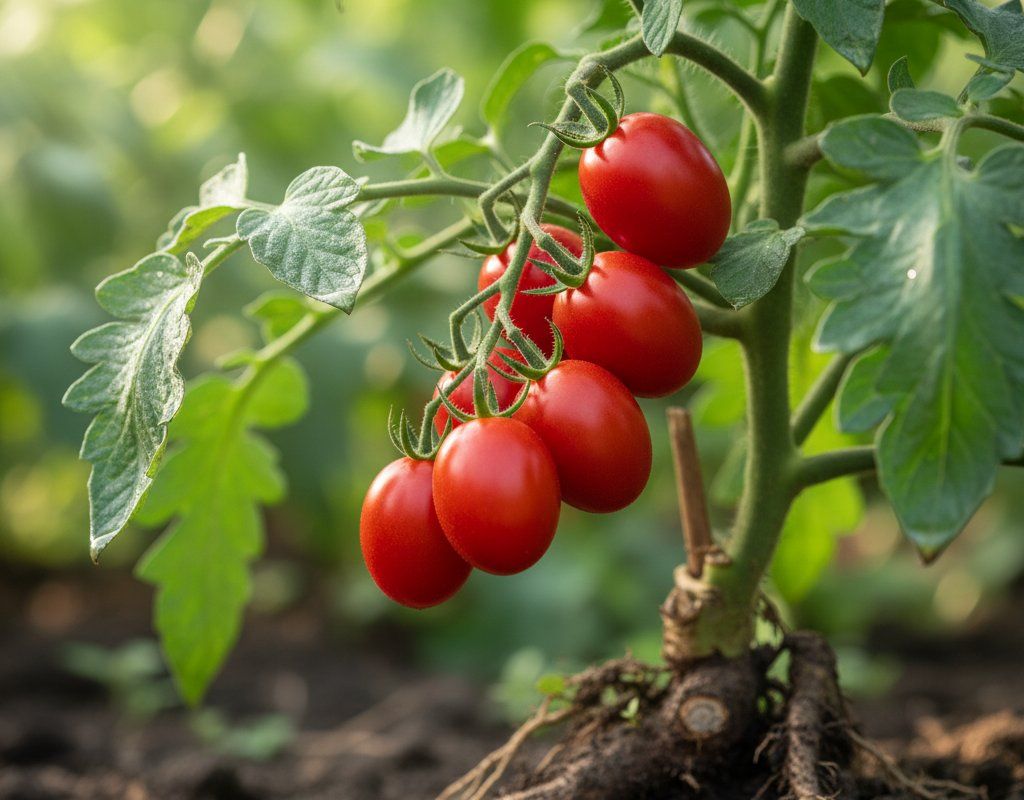
Grape Tomatoes in Zone 6B — Northeast
Solanum lycopersicum var. cerasiforme · Your Complete 2026 Planting Guide
Planning Ahead — Great!
You’re ahead of the season. Here’s when to start.
Mark Your Calendar
How to Plant Grape Tomatoes in Zone 6B — Northeast
Here are all your options for getting grape tomatoes in the ground, from the easiest method to more advanced approaches.
Start Seeds Indoors
RecommendedMid March through early April
around March 18
Then transplant: Late April through late May
Start seeds 6-8 weeks before transplanting outdoors.
Buy Starts
Works WellLate April through late May
around April 29
Plant purchased starts after last frost (April 15).
Direct Sow Seeds
ChallengingDirect sowing is not typical for Grape Tomatoes.
Transplant Outdoors
Timing InfoLate April through late May
around April 29
Wait until nighttime temperatures stay above 50°F.
You have a nice window — no need to rush.
Overview
Grape tomatoes are perfect for our Northeast gardens, delivering that sweet-tart flavor in bite-sized packages that ripen reliably even in our shorter growing season. Unlike full-size slicers that struggle to mature before our mid-October frost, these productive indeterminates pump out clusters of oblong fruits from late June straight through to frost, giving you months of snacking tomatoes and salad additions.
Yes, our 183-day growing season feels rushed compared to warmer zones, and those late spring temperature swings can make outdoor planting tricky. But grape tomatoes actually thrive in our cool Northeast nights, which concentrate their sugars and reduce pest pressure. Start them indoors during our unpredictable March weather, and you'll have strong transplants ready when our soil finally warms up.
Starting Seeds Indoors
Start your grape tomato seeds indoors from mid-March through early April, about 6 weeks before you plan to transplant outside. Since our Northeast springs are notoriously late and changeable, indoor starting isn't optional—it's the key to getting a full harvest before October's first frost.
Set up seed trays with good drainage and place them somewhere consistently warm, around 70-75°F. A sunny south window works, but you'll get more reliable germination with a heat mat underneath. Bottom watering prevents damping-off disease and keeps those delicate seedlings from getting waterlogged in our often-humid spring air.
Once seedlings emerge and develop their first true leaves, give them plenty of light—either a sunny window or grow lights positioned 3-4 inches above the plants. You'll know they're ready for transplanting when they're 4-6 inches tall with sturdy stems and the outdoor nighttime temperatures stay consistently above 50°F.
Transplanting Outdoors
Plan to transplant your grape tomatoes outdoors from late April through late May, once soil temperatures reach 60°F and nighttime lows stay above 50°F consistently. Our rocky New England soil warms slowly, so resist the urge to plant too early even if we get a warm April spell.
Harden off your seedlings gradually over a full week, starting with just 2-3 hours of outdoor exposure and building up to full days. This is crucial in our Northeast climate where even late May can bring unexpected cool snaps that shock tender plants.
Space your transplants 24-36 inches apart in full sun—they need every bit of light during our moderate summers. Work some compost into our typically rocky soil at planting time, and consider raised beds if drainage is an issue. Plant slightly deeper than the seedlings were in their containers, burying part of the stem to encourage strong root development.
Watering Grape Tomatoes in Zone 6B (Northeast)
Grape tomatoes need consistent moisture throughout our Northeast growing season, requiring about 1-2 inches of water per week including rainfall. The good news is our region's even 40-50 inch annual rainfall pattern means you won't be constantly battling drought like gardeners in drier climates.
During our moderate summer heat (typical highs around 82°F), check soil moisture by sticking your finger 2 inches deep near the plants. If it feels dry at that depth, it's time to water. Our moderate-to-humid conditions mean you should water at the base rather than overhead—wet foliage in humid air invites fungal problems.
Early in the season and during dry spells, water deeply 2-3 times per week rather than light daily watering. This encourages deep root growth and prevents the wet-dry cycles that lead to blossom end rot and fruit cracking. A thick mulch layer helps maintain even moisture in our sometimes-rocky soil.
Watch for signs of water stress: wilting during the day (especially if soil is dry), yellowing lower leaves, or small, tough fruits. Overwatering shows up as yellow leaves with brown edges and weak, spindly growth—less common here than in areas with intense heat, but possible during our humid summers.
Supporting Your Grape Tomatoes
Install sturdy cages or stakes at planting time since grape tomatoes are vigorous indeterminate growers that can easily reach 6 feet tall in our growing season. Standard tomato cages work well, but choose the tallest ones you can find—the flimsy short cages will be overwhelmed by midsummer.
For staking, use 6-foot posts and tie the main stem loosely with soft cloth strips every 12 inches as it grows. Check ties regularly since rapid growth during our productive summer months can cause tight ties to girdle stems.
Train the main stems up through the cage or tie to stakes, but don't worry about perfect organization—grape tomatoes are naturally bushy and productive without fussy management. The support mainly prevents the heavy fruit clusters from snapping branches and keeps fruits off our often-wet ground.
Pruning & Maintaining Grape Tomatoes
Grape tomatoes need minimal pruning compared to large slicing varieties, but removing suckers that grow between the main stem and branches helps focus energy into fruit production. Do this light pruning weekly throughout the growing season, simply pinching off suckers when they're small and tender.
Remove the bottom branches that touch the ground or grow within 12 inches of soil level—this prevents soil splash that can spread early blight, common in our moderate-to-humid summers. Also trim any yellowing or diseased leaves as you spot them.
As our first frost approaches in mid-October, stop pruning and let the plant put all its energy into ripening existing fruits. About 3-4 weeks before expected frost, you can pinch off flower clusters that won't have time to develop—this helps existing tomatoes ripen faster.
🧪Fertilizing Grape Tomatoes
Feeding Schedule
Organic Fertilizer Options
Harvest Time
Expect your first grape tomatoes from late June through mid-August, about 60 days from transplanting. This timing works perfectly with our growing season, giving you 2-3 months of continuous harvest before our mid-October frost arrives.
Harvest when fruits are fully colored but still firm with just slight give when gently squeezed. Grape tomatoes have thicker skins than cherry types, so they hold up well on the vine and rarely crack. The oblong shape and deep color are your best indicators—they should pull off easily with a gentle twist.
Pick regularly, even daily during peak season, to encourage continued production. Don't worry about harvesting every fruit at perfect ripeness—grape tomatoes will continue ripening indoors for several days after picking, making them forgiving for weekend gardeners.
When frost threatens in October, harvest all remaining fruits regardless of color. Green and partially ripe tomatoes will continue ripening indoors for weeks if kept at room temperature. Store them in a single layer, checking regularly and removing any that start to soften or show spots.
Common Problems in Zone 6B (Northeast)
Cracking
Concentric circles or radial splits around the stem area, exposing the flesh underneath. While grape tomatoes crack less than cherry types due to their thicker skins, it still happens during our variable Northeast weather patterns. Heavy rain after dry periods—common in our climate—causes fruit to absorb water faster than the skin can expand. Water consistently rather than letting plants go dry between our typical summer thunderstorms, and harvest promptly when fruits are ripe.
Blossom End Rot
Dark, sunken, leathery patches on the bottom (blossom end) of fruits, often affecting the first tomatoes of the season. This isn't a disease but a calcium uptake problem caused by inconsistent watering—the plant can't access soil calcium during dry spells. With our moderate summers and even rainfall, this is less common than in hotter regions, but still shows up after dry periods followed by heavy rain. Maintain consistent soil moisture with mulch and regular watering, and avoid over-fertilizing with nitrogen which interferes with calcium uptake.
Early Blight
Brown spots with distinctive target or bullseye patterns starting on lower leaves, then spreading upward until leaves yellow and drop. This fungal disease thrives in our moderate-to-humid Northeast summers, especially when soil splashes onto lower leaves during rainfall. Remove affected leaves immediately (don't compost them), mulch to prevent soil splash, and water at the base rather than overhead. Good air circulation through proper spacing helps, and copper fungicide can slow the spread during humid periods.
Northeast Specific Challenges
Our moderate heat and moderate-to-humid conditions actually favor grape tomatoes over larger varieties, but the consistent moisture that helps these plants also creates perfect conditions for fungal diseases. The even 40-50 inch rainfall means overwatering is rarely an issue, but the humidity requires attention to air circulation and base watering rather than overhead sprinklers.
Best Companions for Grape Tomatoes
Plant these nearby for healthier Grape Tomatoes and better harvests.
View Full Companion Planting Chart →



Companion Planting Details
Plant basil near your grape tomatoes—it reportedly improves flavor while deterring aphids and hornworms with its strong scent. Carrots make excellent neighbors since their deep roots don't compete with tomatoes' shallow feeder roots, and parsley attracts beneficial insects that prey on tomato pests. Marigolds planted throughout the tomato bed help repel nematodes and add bright color while requiring similar care.
Avoid planting brassicas like cabbage or broccoli near tomatoes since they're heavy nitrogen feeders that compete for nutrients, and their different watering needs don't match well. Keep fennel away from all tomato family plants as it inhibits their growth, and avoid corn since it attracts similar pests and creates too much shade for proper tomato ripening in our moderate Northeast light conditions.
🌸Best Flowers to Plant with Grape Tomatoes
These flowers protect your Grape Tomatoes from pests and attract pollinators for better harvests.
For Pest Control

Get a Reminder When It's Time to Plant
We'll email you when key planting windows open for your zone.