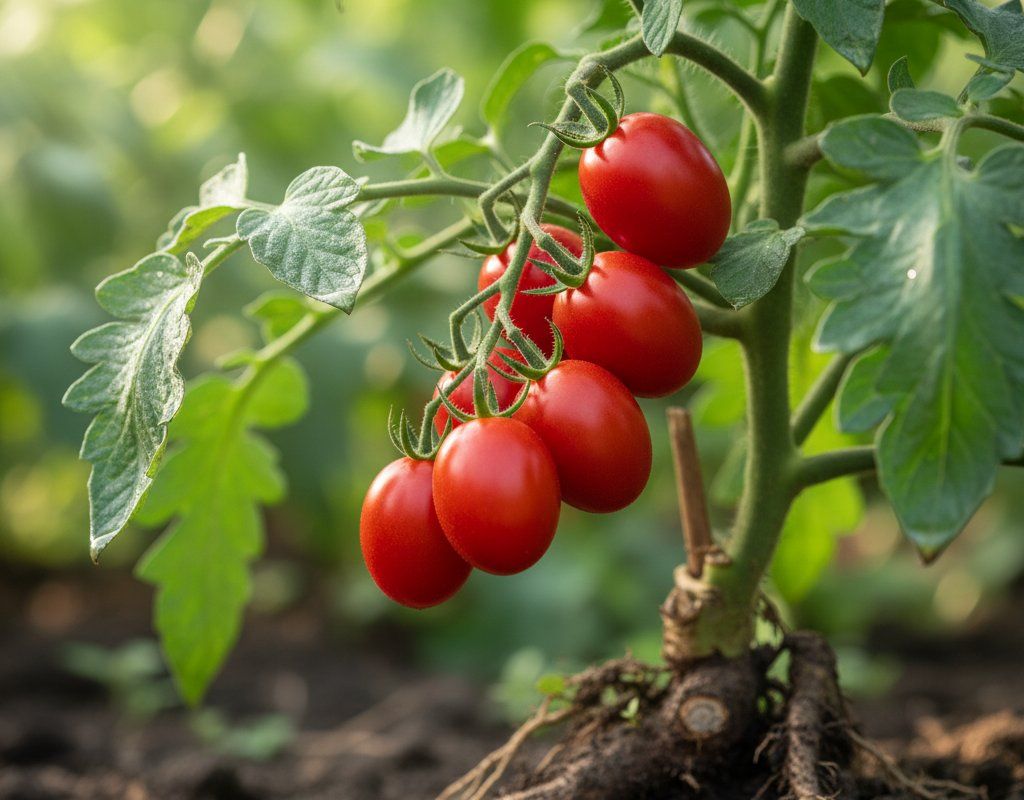
Grape Tomatoes in Zone 6B — Southeast
Solanum lycopersicum var. cerasiforme · Your Complete 2026 Planting Guide
Ideal Time: Start Seeds Indoors!
This is the perfect time for the biggest, best harvest.
Start Seeds Now
- Start seeds in trays or pots with seed-starting mix
- Keep soil moist and warm (70-80°F)
- Transplant outdoors Mid April through mid May
Not Starting from Seed?
Buy starts around April 19 — that works great too!
How to Plant Grape Tomatoes in Zone 6B — Southeast
Here are all your options for getting grape tomatoes in the ground, from the easiest method to more advanced approaches.
Start Seeds Indoors
RecommendedEarly to late March
around March 8
Then transplant: Mid April through mid May
Start seeds 6-8 weeks before transplanting outdoors.
Buy Starts
Works WellMid April through mid May
around April 19
Plant purchased starts after last frost (April 5).
Direct Sow Seeds
ChallengingDirect sowing is not typical for Grape Tomatoes.
Transplant Outdoors
Timing InfoMid April through mid May
around April 19
Wait until nighttime temperatures stay above 50°F.
You have a nice window — no need to rush.
Overview
Grape tomatoes are perfect for our hot, humid Southeast summers, giving you that sweet-tart flavor in a convenient bite-sized package that holds up beautifully to our afternoon thunderstorms. Unlike their delicate cherry tomato cousins, grape tomatoes have thicker skins that resist cracking during our wet spells, and they produce prolifically throughout our long growing season. You'll get clusters of oblong, ruby-red fruits that are perfect for snacking, salads, or roasting.
Yes, our Zone 6B climate brings challenges like disease pressure from all that humidity and Japanese beetles munching on leaves, but the timing windows for grape tomatoes work in your favor. With our 208-day growing season stretching from mid-April through late October, you have plenty of time to start seeds indoors during our moderate spring weather and enjoy harvests well into fall.
Starting Seeds Indoors
Start your grape tomato seeds indoors during early to late March, about 6 weeks before you plan to transplant them outside. Our moderate spring weather makes indoor starting manageable since you won't be fighting extreme temperature swings that can stress seedlings.
Set up seed trays with a quality seed-starting mix and place them in a warm spot around 70-75°F. A heat mat works well, but the top of your water heater or refrigerator can provide gentle warmth too. Once seeds germinate in 7-10 days, move them to a sunny south-facing window or under grow lights for 12-14 hours daily.
Use bottom watering by setting trays in shallow pans of water rather than watering from above. This prevents fungal issues that our humid Southeast climate already encourages, and it helps develop stronger root systems. Your seedlings will be ready to harden off by mid-April when our spring weather becomes more reliable.
Transplanting Outdoors
Plan to transplant your grape tomato seedlings outside from mid-April through mid-May, after your last frost risk passes and soil temperatures stay consistently above 60°F. In our Southeast climate, this timing usually coincides with when dogwoods finish blooming and oak leaves reach quarter-size.
Spend a full week hardening off your plants by gradually exposing them to outdoor conditions. Start with 2-3 hours in filtered sunlight, then increase daily exposure. Watch for late cold snaps during this period since our spring weather can still surprise us with temperature drops.
Space your plants 24-36 inches apart to allow for good air circulation, which is crucial in our humid climate to prevent fungal diseases. The wider spacing also gives you room to install sturdy support systems and makes harvesting easier once those indeterminate vines start sprawling.
Watering Grape Tomatoes in Zone 6B (Southeast)
Grape tomatoes need consistent, deep watering throughout our hot, humid summers, typically requiring 1-2 inches per week including rainfall. While we usually get 45-55 inches of rain annually, it doesn't always come when your plants need it most. During dry spells, especially in July and August when temperatures hit 92°F regularly, you'll need to supplement.
Use the finger test to check soil moisture: stick your finger 2 inches deep near the plant base. If it's dry at that depth, it's time to water. Water deeply at the base rather than overhead to reduce disease pressure from our humid conditions. A soaker hose or drip irrigation works perfectly for this.
Watch for signs of inconsistent watering: wilting during hot afternoons (normal), yellowing bottom leaves (underwatering), or dark spots on fruit bottoms (blossom end rot from water stress). Our clay soil can be tricky since it holds water but becomes hard when dry, so checking moisture levels regularly is essential.
Apply 2-3 inches of organic mulch around plants to maintain even soil moisture and prevent soil splash onto lower leaves. This is especially important in our climate where afternoon thunderstorms can create perfect conditions for fungal diseases to spread.
Supporting Your Grape Tomatoes
Install sturdy tomato cages or stakes at planting time since grape tomatoes are vigorous indeterminate plants that can reach 6 feet tall in our long growing season. Standard 5-foot tomato cages work well, but choose ones with wider rings to accommodate the plant's sprawling growth habit and make harvesting easier.
For staking, use 6-foot stakes driven 18 inches deep and tie plants loosely with soft materials like cloth strips or tomato ties. As plants grow, continue tying every 12-18 inches up the stake, keeping ties loose enough to allow stem expansion.
The key is getting support in place early before roots establish fully. Our spring rains can make soil soft, so driving stakes after planting might damage root systems. Train main stems upward and let side branches spread naturally within the cage structure.
Pruning & Maintaining Grape Tomatoes
Grape tomatoes need lighter pruning than their larger cousins since they produce prolifically without aggressive sucker removal. Focus on removing suckers that grow between the main stem and larger branches, especially those below the first fruit cluster. This improves air circulation, which is crucial in our humid Southeast climate.
Remove lower leaves that touch the ground or show any disease spots, as these become entry points for fungal problems that thrive in our hot, humid conditions. Keep pruning throughout the season, but don't go overboard – grape tomatoes naturally produce smaller fruit in clusters, so you want to maintain good leaf coverage for photosynthesis.
As first frost approaches in late October, pinch growing tips about 4-6 weeks beforehand to encourage the plant to ripen existing fruit rather than producing new flowers. This strategy helps you get the most from your harvest before cold weather arrives.
🧪Fertilizing Grape Tomatoes
Feeding Schedule
Organic Fertilizer Options
Harvest Time
Your first grape tomatoes will be ready from mid-June through early August, about 60 days from transplant, depending on when you planted and our spring weather patterns. Look for fruits that have turned fully colored – usually deep red, though some varieties ripen to yellow or purple – and feel firm with just slight give when gently squeezed.
The oblong shape should be well-developed, and grape tomatoes will have slightly thicker skin than cherry types, making them less prone to cracking during our summer thunderstorms. Harvest by gently twisting and pulling, or use clean scissors to cut the stem just above where it connects to the cluster.
Check plants daily during peak season since grape tomatoes ripen in waves, and leaving overripe fruit on the vine can attract pests and reduce overall production. Pick regularly to encourage continued flowering and fruit set throughout our long, hot summer.
As first frost threatens in late October, harvest all remaining fruit, including green ones. Grape tomatoes ripen well indoors when stored in a paper bag with a ripe apple or banana. You can also pull entire plants and hang them upside down in a garage or basement to continue ripening.
Common Problems in Zone 6B (Southeast)
Cracking appears as splits in the tomato skin, either in concentric circles around the stem or radiating lines from the stem end. While grape tomatoes resist cracking better than cherry types due to their thicker skin, heavy rains after dry periods can still cause this issue. Our summer thunderstorms following hot, dry spells create perfect conditions for cracking. Maintain consistent soil moisture with mulching and regular watering, and harvest promptly when fruit reaches full color.
Blossom end rot shows up as dark, sunken, leathery patches on the bottom end of fruit, often affecting the season's first tomatoes. This isn't a disease but a calcium uptake problem triggered by inconsistent watering – common in our clay soil that can go from bone dry to waterlogged quickly. Keep soil moisture even through mulching and consistent watering, avoid over-fertilizing with nitrogen, and remove affected fruits to redirect plant energy.
Early blight appears as brown spots with distinctive concentric rings (bullseye pattern) on lower leaves first, then spreads upward causing yellowing and leaf drop. Our hot, humid summers create ideal conditions for this fungal disease, especially when soil splashes onto lower leaves during thunderstorms. Remove affected leaves immediately, mulch heavily to prevent soil splash, water at plant bases only, and ensure good air circulation through proper spacing.
Southeast Specific Challenges: Our combination of high humidity, frequent afternoon storms, and clay soil creates a challenging environment for tomatoes. The humidity encourages fungal diseases, while our clay soil can create water stress through poor drainage or become too dry between rains. Japanese beetles may also chew on leaves during summer, and deer pressure can be significant in suburban areas.
Best Companions for Grape Tomatoes
Plant these nearby for healthier Grape Tomatoes and better harvests.
View Full Companion Planting Chart →



Companion Planting Details
Plant basil near your grape tomatoes – it naturally repels aphids and thrips while supposedly improving tomato flavor, plus you'll have fresh herbs for all those tomatoes you'll be harvesting. Carrots make excellent companions since their deep taproots break up our clay soil and don't compete with tomatoes for nutrients. Marigolds planted around the garden perimeter help deter nematodes and other soil pests while adding color.
Avoid planting brassicas like cabbage or broccoli near tomatoes since they're heavy nitrogen feeders that compete for nutrients, and they can harbor similar pests. Keep fennel away from tomatoes as it can inhibit growth, and avoid corn since it attracts similar pests like hornworms and can create too much shade in our already humid environment where good air circulation is essential.
🌸Best Flowers to Plant with Grape Tomatoes
These flowers protect your Grape Tomatoes from pests and attract pollinators for better harvests.
For Pest Control

Get a Reminder When It's Time to Plant
We'll email you when key planting windows open for your zone.