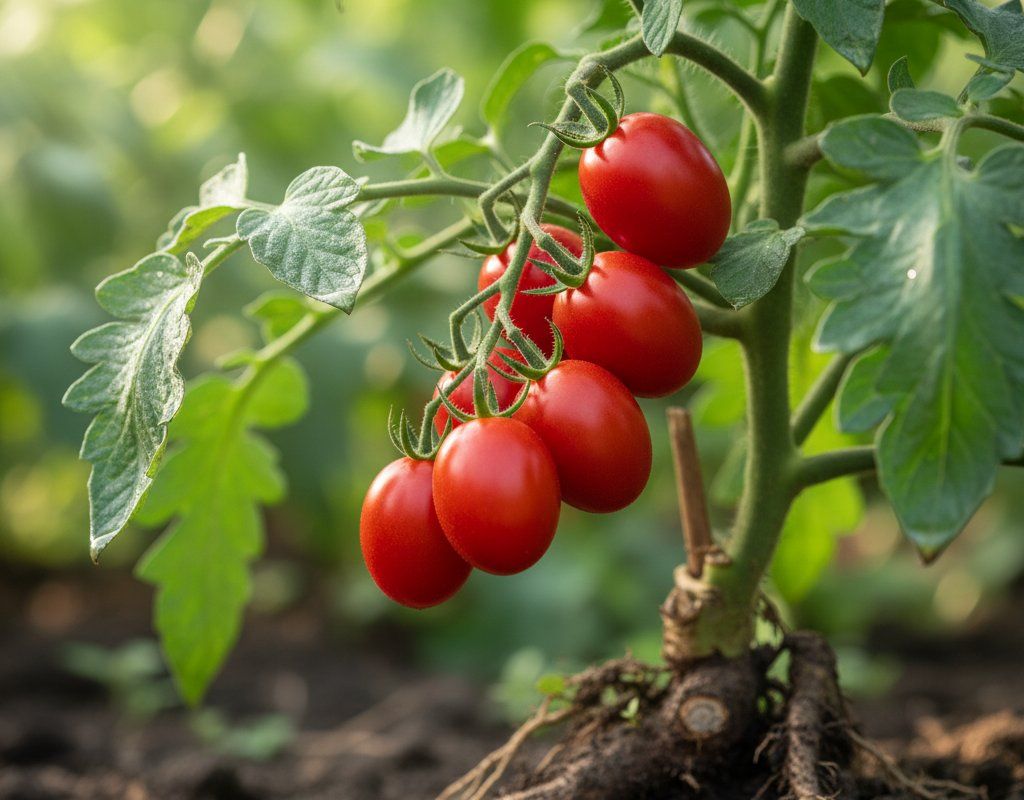
Grape Tomatoes in Zone 8A — Gulf Coast
Solanum lycopersicum var. cerasiforme · Your Complete 2026 Planting Guide
Missed Seed Starting? No Problem!
Wait for starts to become available.
What to Do
Starts will be available at nurseries in 11 days (around March 15).
How to Plant Grape Tomatoes in Zone 8A — Gulf Coast
Here are all your options for getting grape tomatoes in the ground, from the easiest method to more advanced approaches.
Start Seeds Indoors
RecommendedLate January through mid February
around February 1
Then transplant: Mid March through mid April
Start seeds 6-8 weeks before transplanting outdoors.
Buy Starts
Works WellMid March through mid April
around March 15
Plant purchased starts after last frost (March 1).
Direct Sow Seeds
ChallengingDirect sowing is not typical for Grape Tomatoes.
Transplant Outdoors
Timing InfoMid March through mid April
around March 15
Wait until nighttime temperatures stay above 50°F.
You have a nice window — no need to rush.
Overview
Here on the Gulf Coast, grape tomatoes are pure gold for our long growing season. These bite-sized beauties offer all the sweet-tart flavor of larger tomatoes with a satisfying pop and thicker skin that handles our humidity better than delicate cherry varieties. You'll harvest bowlfuls from mid-May straight through our first frost in late November, making them perfect for fresh eating, roasting, and preserving through our extended harvest window.
Yes, our steamy summers and disease pressure can challenge tomatoes, but grape varieties tend to be more resilient than their larger cousins. With our 269-day growing season and early spring start, you have plenty of time to get strong plants established before the real heat hits. The key is getting your timing right – and that's completely manageable when you know what to expect.
Starting Seeds Indoors
Start your grape tomato seeds indoors during late January through mid-February, about six weeks before you plan to transplant outside. This timing takes advantage of our early spring character while giving seedlings enough time to develop strong root systems before facing Gulf Coast humidity.
Set up your seed trays in a warm spot (70-75°F works perfectly) with good light – either a sunny south window or grow lights about 4 inches above the seedlings. Plant seeds about ¼ inch deep in quality seed starting mix. Bottom watering works best here – place your seed trays in a shallow pan of water and let the soil absorb moisture from below. This prevents fungal issues that can develop quickly in our humid conditions.
Keep soil consistently moist but not soggy, and expect germination in 7-10 days. Once seedlings develop their second set of true leaves, you can transplant them into larger pots to continue growing until outdoor planting time arrives.
Transplanting Outdoors
Plan to transplant your grape tomato seedlings outside from mid-March through mid-April, after our last frost risk passes in early March. Even though temperatures are warming, don't rush – those late-season cold snaps can still surprise us, and tender tomato plants won't survive even a light frost.
Spend a full week hardening off your seedlings before transplanting. Start with just an hour or two outside in filtered light, gradually increasing their outdoor time and sun exposure each day. This process is crucial here because our spring sun can be surprisingly intense, and humidity levels start climbing quickly once temperatures warm up.
Space your transplants 24-36 inches apart to ensure good air circulation – this becomes critical during our humid summers when fungal diseases thrive in crowded, still air. Choose a spot with morning sun and, if possible, some afternoon protection from the most brutal summer heat.
Watering Grape Tomatoes in Zone 8A (Gulf Coast)
Grape tomatoes need consistent, deep watering throughout our Gulf Coast growing season, especially during those stretches of 93°F days with stifling humidity. While we receive 50-65 inches of rainfall annually, it often comes in feast-or-famine patterns that can stress your plants. Summer afternoon storms might dump an inch in thirty minutes, followed by a week of blazing heat.
Your goal is maintaining even soil moisture without creating waterlogged conditions that invite root rot. Check soil moisture with the finger test – stick your finger 2 inches deep near the base of the plant. If it's dry at that depth, it's time to water deeply. During peak summer, this usually means 1-2 inches per week, delivered slowly so water penetrates rather than running off.
Always water at the base of plants, never overhead – our extreme humidity creates perfect conditions for foliar diseases when leaves stay wet. A soaker hose or drip system works beautifully here. Water early morning so any splashed moisture can evaporate quickly rather than sitting on leaves in our muggy air.
Watch for signs of stress: wilted leaves during the day (normal in extreme heat), yellowing lower leaves (often overwatering in our clay soils), or blossom end rot (inconsistent moisture). A 2-3 inch layer of mulch helps tremendously in maintaining even moisture and keeping soil temperatures down during our long, hot summers.
Supporting Your Grape Tomatoes
Install sturdy tomato cages or stakes at planting time, before roots spread and you risk damaging them later. Grape tomatoes are indeterminate growers, meaning they'll keep growing taller and producing fruit until frost kills them in late November. Standard 6-foot tall tomato cages work well, though you might need to add height as plants mature during our extended growing season.
Heavy-duty cages are worth the investment here because these plants become vigorous and heavy with fruit, especially during our long harvest period. The constant humidity can also weaken stakes over time, so check stability periodically. Position cages to allow good air circulation – this becomes crucial during summer when stagnant air invites fungal problems.
Train main stems up through the center of cages, and gently weave branches through the wire supports as they grow. During our active growing months from April through June, you'll need to guide growth weekly to keep everything contained and properly supported.
Pruning & Maintaining Grape Tomatoes
Grape tomatoes are fairly forgiving when it comes to pruning – they'll produce well with just light maintenance throughout the season. Focus on removing suckers (shoots growing between main stem and branches) when they're small and easy to pinch off. You don't need to be as aggressive as with large tomato varieties.
Remove lower branches that touch the ground to prevent soil splash and reduce disease pressure – particularly important in our humid climate where fungal spores thrive. Strip off any yellowing or spotted leaves throughout the season, especially during summer when disease pressure peaks. This improves air circulation and removes potential infection sources.
As we approach late November and first frost threatens, you can top the plants by pinching growing tips. This redirects energy into ripening existing fruit rather than developing new flowers that won't have time to mature. About a month before expected frost, stop removing suckers to let the plant focus on finishing its crop.
🧪Fertilizing Grape Tomatoes
Feeding Schedule
Organic Fertilizer Options
Harvest Time
Your first grape tomatoes will be ready from mid-May through early July, about 60 days after transplanting. Look for fruits that have developed their full oblong shape and turned completely red (or whatever their mature color should be). Unlike cherry tomatoes, grape varieties have thicker skin with a satisfying firmness when ripe – they'll give slightly to gentle pressure but won't be soft.
Harvest by gently twisting and pulling, or use clean scissors to cut stems. The thick skin means less cracking than other small tomatoes, but prompt harvesting still encourages continued production. During peak season in our long growing season, you'll likely harvest every 2-3 days to keep up with production.
Regular picking is especially important during our hot, humid summers when overripe fruit can quickly develop problems. As hurricane season approaches, harvest any nearly ripe tomatoes before storms hit – they'll continue ripening indoors and won't be lost to wind damage.
When late November frost finally threatens, harvest all remaining fruit regardless of ripeness. Green tomatoes will continue ripening indoors if stored in a warm spot, though they won't develop quite the same flavor as vine-ripened fruit. You can extend harvest by covering plants during light frost warnings, often gaining several extra weeks of production.
Common Problems in Zone 8A (Gulf Coast)
What it looks like: Splits in the tomato skin, either as concentric circles around the stem end or radial lines running from stem to bottom. The exposed flesh is vulnerable to rot and makes fruit unusable.
What causes it: Our Gulf Coast pattern of heavy afternoon storms followed by dry spells creates the perfect conditions for cracking. When fruit absorbs water quickly after being stressed by drought, the skin can't expand fast enough to accommodate the swollen flesh inside.
How to fix/prevent it: Maintain consistent soil moisture through mulching and regular watering rather than letting plants cycle between drought and flood. Harvest promptly when fruit reaches full color. While grape tomatoes have thicker skins than cherry types and crack less frequently, they're not immune during our wild weather swings.
What it looks like: Sunken, dark brown or black leathery patches on the bottom (blossom end) of fruit. Usually affects the first fruits of the season most severely, making them completely unusable.
What causes it: This isn't actually a disease but a calcium deficiency triggered by inconsistent watering. Our clay soils often have adequate calcium, but drought stress prevents plants from absorbing it properly – then sudden heavy rains compound the problem.
How to fix/prevent it: Consistent watering is the single most effective solution. Mulch heavily to maintain even soil moisture during our temperature swings. Avoid over-fertilizing with nitrogen, which can interfere with calcium uptake. Remove affected fruits immediately so the plant can focus energy on healthy development.
What it looks like: Brown spots with distinctive concentric rings (bullseye or target pattern) on lower leaves first, then spreading upward. Affected leaves turn yellow and drop, weakening the entire plant.
What causes it: This fungal disease thrives in our warm, humid conditions and spreads through soil splash onto lower leaves. Our frequent afternoon storms create perfect conditions for spores to spread from infected soil to healthy plants.
How to fix/prevent it: Remove and destroy affected leaves immediately – never compost them. Mulch around plants to prevent soil splash during heavy rains. Water at the base only, never overhead, to keep foliage dry. Space plants properly for air circulation and consider copper fungicide applications during particularly humid periods.
Gulf Coast Specific Challenges: Our extreme humidity and frequent rainfall create constant disease pressure that requires vigilant monitoring. The combination of intense heat and moisture stress makes consistent watering and good air circulation absolutely critical for healthy grape tomato production.
Best Companions for Grape Tomatoes
Plant these nearby for healthier Grape Tomatoes and better harvests.
View Full Companion Planting Chart →



Companion Planting Details
Plant basil nearby – it naturally repels aphids and thrips while improving tomato flavor, plus you'll have fresh herbs for all those tomatoes you'll be harvesting. Carrots work well as ground cover between tomato plants, helping break up our dense clay soil without competing for nutrients. Parsley provides beneficial insect habitat while requiring minimal space, and marigolds help deter nematodes that can be problematic in our warm soils.
Avoid planting brassicas (cabbage, broccoli, kale) near tomatoes – they compete for similar nutrients and can harbor diseases that affect both plant families. Skip fennel entirely as it releases compounds that inhibit tomato growth. Don't plant corn nearby since both crops attract similar pests and create too much shade and competition during our intense growing season.
🌸Best Flowers to Plant with Grape Tomatoes
These flowers protect your Grape Tomatoes from pests and attract pollinators for better harvests.
For Pest Control

Get a Reminder When It's Time to Plant
We'll email you when key planting windows open for your zone.