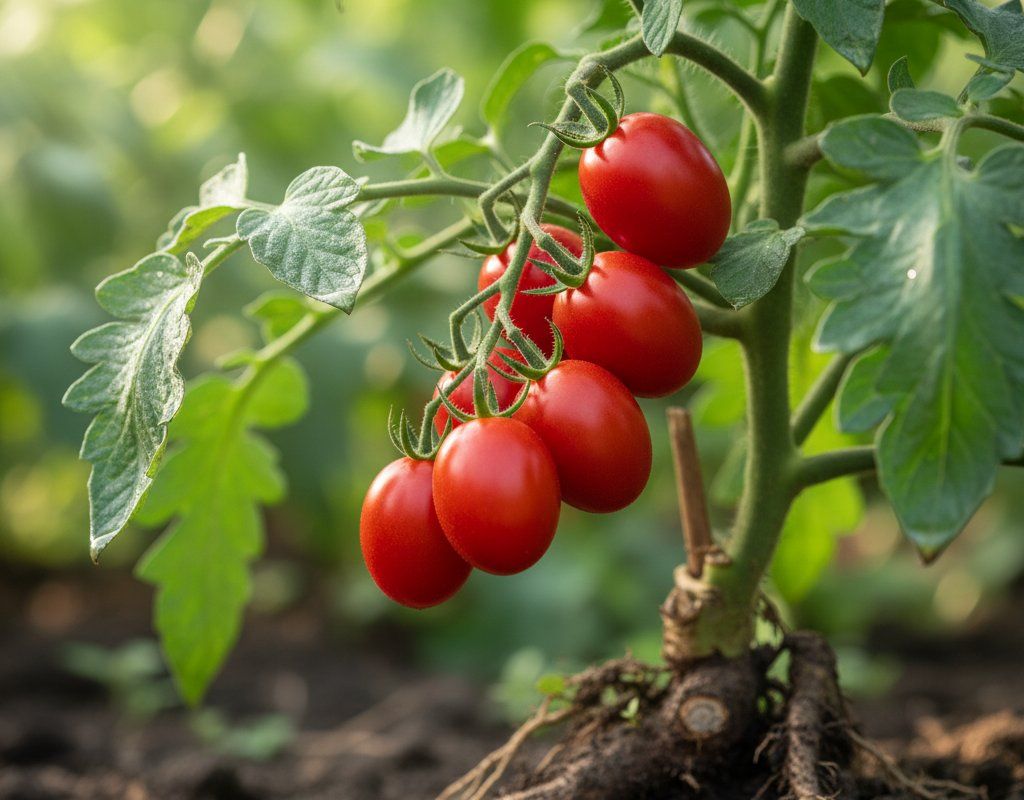
Grape Tomatoes in Zone 8B — Gulf Coast
Solanum lycopersicum var. cerasiforme · Your Complete 2026 Planting Guide
Missed Seed Starting? No Problem!
Wait for starts to become available.
What to Do
Starts will be available at nurseries in 2 days (around March 6).
How to Plant Grape Tomatoes in Zone 8B — Gulf Coast
Here are all your options for getting grape tomatoes in the ground, from the easiest method to more advanced approaches.
Start Seeds Indoors
RecommendedMid January through early February
around January 23
Then transplant: Early March through early April
Start seeds 6-8 weeks before transplanting outdoors.
Buy Starts
Works WellEarly March through early April
around March 6
Plant purchased starts after last frost (February 20).
Direct Sow Seeds
ChallengingDirect sowing is not typical for Grape Tomatoes.
Transplant Outdoors
Timing InfoEarly March through early April
around March 6
Wait until nighttime temperatures stay above 50°F.
You have a nice window — no need to rush.
Overview
Grape tomatoes thrive in our Gulf Coast gardens, offering the perfect balance of sweet flavor and meaty texture that holds up beautifully in our high humidity. These oblong gems produce prolifically throughout our long growing season, giving you clusters of bite-sized tomatoes that are less prone to cracking than cherry varieties—a real advantage when our afternoon storms roll through. Their thicker skin makes them ideal for fresh eating, roasting, or adding to salads when it's too hot to cook indoors.
While our extreme humidity and disease pressure can challenge tomato growers, grape tomatoes are surprisingly resilient when you time things right. Starting early in our 284-day growing season gives these plants plenty of time to establish strong root systems before the intense summer heat arrives. With proper watering and support, you'll be harvesting sweet clusters from early May well into fall.
Starting Seeds Indoors
Start your grape tomato seeds indoors from mid-January through early February, about six weeks before transplanting outdoors. Our early spring gives you the advantage of getting transplants established before the summer heat intensifies. Use seed starting trays filled with quality seed starting mix, and keep the soil temperature around 70-75°F for best germination.
Place your trays in a warm spot—the top of your refrigerator works well—and provide bright light once seedlings emerge. A simple shop light with LED bulbs positioned 2-3 inches above the seedlings does the job perfectly. Bottom watering works best to prevent damping off, a common problem in our humid conditions. Pour water into the tray and let the soil absorb moisture from below.
Your seedlings will be ready to transplant in 6-8 weeks when they have their first true leaves and are 3-4 inches tall. Keep them indoors until nighttime temperatures consistently stay above 50°F, which typically happens in early March along the Gulf Coast.
Transplanting Outdoors
Transplant your grape tomato seedlings outdoors from early March through early April, after the last frost has passed and soil temperatures reach 60°F. Hardening off is crucial—gradually expose your seedlings to outdoor conditions over 7-10 days, starting with just a few hours of morning sun and working up to full days outside.
Space your plants 24-36 inches apart to ensure good air circulation, which is essential in our humid climate to prevent fungal diseases. The wider spacing also gives you room to work around the plants for harvesting and maintenance. Choose a sunny location that gets 6-8 hours of direct sunlight daily.
Plant after any threat of late cold snaps has passed, but don't wait too long—getting them established before our intense summer humidity arrives gives them the best start. Our unpredictable spring weather can throw curveballs, so watch the forecast and be ready to protect young transplants if an unexpected cool front moves through.
Watering Grape Tomatoes in Zone 8B (Gulf Coast)
Grape tomatoes need consistent, deep watering to develop their characteristic sweet flavor and thick skin. In our Gulf Coast climate, this means about 1-2 inches of water per week, including rainfall. During our typical wet spring, you might not need to water much at all, but summer dry spells require daily attention.
Use the finger test—stick your finger 2 inches into the soil near the plant. If it's dry at that depth, it's time to water. Water deeply at the base of the plant rather than overhead, which is especially important in our very high humidity where wet foliage invites fungal problems. Early morning watering gives plants time to dry before the humidity peaks in late afternoon.
Our 50-65 inches of annual rainfall sounds like plenty, but it often comes in heavy downpours followed by dry stretches. This inconsistent moisture causes more problems than drought—it leads to blossom end rot and can cause the fruits to crack when they rapidly absorb water after a dry period. Mulch heavily with 2-3 inches of organic material to maintain even soil moisture between our intense afternoon storms.
Watch for signs of stress: wilting during the hottest part of the day (even with adequate moisture) is normal, but wilting that persists into evening means you need more water. Yellowing lower leaves often indicate overwatering, which is common during our wet summers when drainage becomes an issue.
Supporting Your Grape Tomatoes
Install sturdy tomato cages or stakes at planting time since grape tomatoes are vigorous indeterminate growers that can easily reach 6-8 feet tall in our long growing season. Standard 54-inch tomato cages work well, but choose heavy-duty ones that won't topple when loaded with fruit clusters and buffeted by afternoon storms.
If you prefer staking, use 6-foot stakes driven 18 inches into the ground, positioning them 6 inches from the plant base. As the main stem grows, tie it loosely to the stake every 12-18 inches using soft cloth or tomato ties. The goal is support without restricting growth—these plants will put on impressive size given our extended warm weather.
Train the main stem upward and allow the side branches to grow naturally within the cage structure. Grape tomatoes produce fruit on both main stems and side shoots, so you want good support throughout the plant. Check and adjust ties monthly, especially after our summer storms which can stress support systems.
Pruning & Maintaining Grape Tomatoes
Grape tomatoes require lighter pruning than large-fruited varieties, but some maintenance keeps them productive and healthy. Focus on removing suckers—the shoots that grow between the main stem and branches—especially the large ones at the bottom of the plant. Don't worry about getting every single sucker; grape tomatoes are naturally prolific producers.
Remove the lower leaves that touch the ground to prevent soil-borne diseases from splashing up during our frequent rain showers. Also prune any yellowing or diseased foliage throughout the season to improve air circulation. In our humid climate, good airflow around the plant is your best defense against fungal problems.
As first frost approaches in early December, top the plants by pinching out the growing tips. This redirects the plant's energy into ripening existing fruit rather than producing new flowers that won't have time to mature. You can also remove lower branches to focus energy on the upper clusters that are closest to ripening.
🧪Fertilizing Grape Tomatoes
Feeding Schedule
Organic Fertilizer Options
Harvest Time
Your first grape tomatoes will be ready from early May through late June, about 60 days after transplanting. Look for fruit that has developed full color—typically deep red—with a slight give when gently squeezed. The oblong shape should be well-formed, and the fruit should release easily from the stem with a gentle twist.
Harvest regularly every 2-3 days during peak season to keep the plants producing. Pick fruit in clusters when most tomatoes in the cluster are ripe, or pick individually as they reach peak ripeness. Unlike cherry tomatoes, grape varieties hold better on the vine for a few extra days without cracking, thanks to their thicker skin.
Continue harvesting through our long growing season—plants often produce until the first frost in early December. As temperatures begin cooling in late November, harvest green fruit and bring it indoors to ripen on your counter. Green grape tomatoes ripen well indoors, developing good flavor and color over 1-2 weeks.
The key to maximum production is consistent harvesting. Plants that carry overripe fruit slow down their production, so keep picking even if you can't use everything immediately. Grape tomatoes store well in the refrigerator for up to two weeks and freeze beautifully for winter cooking.
Common Problems in Zone 8B (Gulf Coast)
You'll notice splits in the tomato skin, either as concentric circles around the stem end or radial lines running from stem to bottom. While grape tomatoes are more resistant to cracking than cherry types, our heavy afternoon storms after dry periods can still cause problems. The thick skin that makes grape tomatoes appealing usually prevents this issue, but inconsistent watering remains the primary cause.
Maintain steady soil moisture with consistent watering and heavy mulching. Our pattern of dry spells followed by torrential downpours creates perfect cracking conditions—the fruit absorbs water faster than the skin can expand. Water deeply but less frequently rather than light daily watering, and harvest promptly when fruit reaches full color.
This appears as a sunken, dark brown or black leathery patch on the bottom (blossom end) of the fruit, often affecting your first tomatoes of the season. In our Gulf Coast climate, this calcium deficiency is almost always triggered by inconsistent watering rather than actual soil calcium problems. Our clay soils typically contain plenty of calcium, but plants can't uptake it properly during drought-stress periods.
Consistent watering is your best fix—much more effective than calcium sprays or soil amendments. Mulch heavily to maintain even soil moisture between our unpredictable rain patterns. Avoid over-fertilizing with nitrogen, which can interfere with calcium uptake. Remove affected fruit immediately so the plant can focus energy on healthy development.
Look for brown spots with distinctive concentric rings (bullseye or target pattern) starting on lower leaves and moving upward. Leaves turn yellow and drop, weakening the plant. This fungal disease thrives in our warm, humid conditions and spreads through soil splash during heavy rains—exactly what we get during summer storm season.
Remove affected leaves immediately and dispose of them (never compost diseased plant material). Mulch around plants to prevent soil splash, water at the base rather than overhead, and ensure good air circulation through proper spacing. In our high humidity, copper-based fungicides can slow the spread but won't cure infected plants. Crop rotation is essential—don't plant tomatoes in the same spot next year.
Our combination of extreme humidity, frequent flooding rains, and hurricane-force winds creates unique challenges for grape tomatoes. The very high humidity that makes our summers feel oppressive also creates perfect conditions for fungal diseases, while our wet-year-round rainfall pattern makes consistent moisture management tricky. However, these same conditions extend our growing season well into December, giving you months more harvest time than gardeners in cooler climates.
Best Companions for Grape Tomatoes
Plant these nearby for healthier Grape Tomatoes and better harvests.
View Full Companion Planting Chart →



Companion Planting Details
Basil makes an excellent companion for grape tomatoes in our humid climate—it helps repel aphids and whiteflies while improving air circulation when planted between tomato rows. The aromatic oils may also help mask tomato scents from pest insects. Plant carrots around the base of tomato plants to make use of space and improve soil structure, and add parsley as a living mulch that attracts beneficial insects while staying low enough not to compete for light.
Marigolds deserve a spot nearby for their pest-deterrent properties and bright color, though they won't solve all your insect problems in our mosquito-heavy environment. Avoid planting brassicas like cabbage or broccoli near tomatoes—they're heavy nitrogen feeders that compete for nutrients, and both crops are susceptible to similar soil-borne diseases in our wet conditions. Skip fennel entirely, as it can inhibit tomato growth, and keep corn at a distance since both crops attract similar hornworms and other pests.
🌸Best Flowers to Plant with Grape Tomatoes
These flowers protect your Grape Tomatoes from pests and attract pollinators for better harvests.
For Pest Control

Get a Reminder When It's Time to Plant
We'll email you when key planting windows open for your zone.