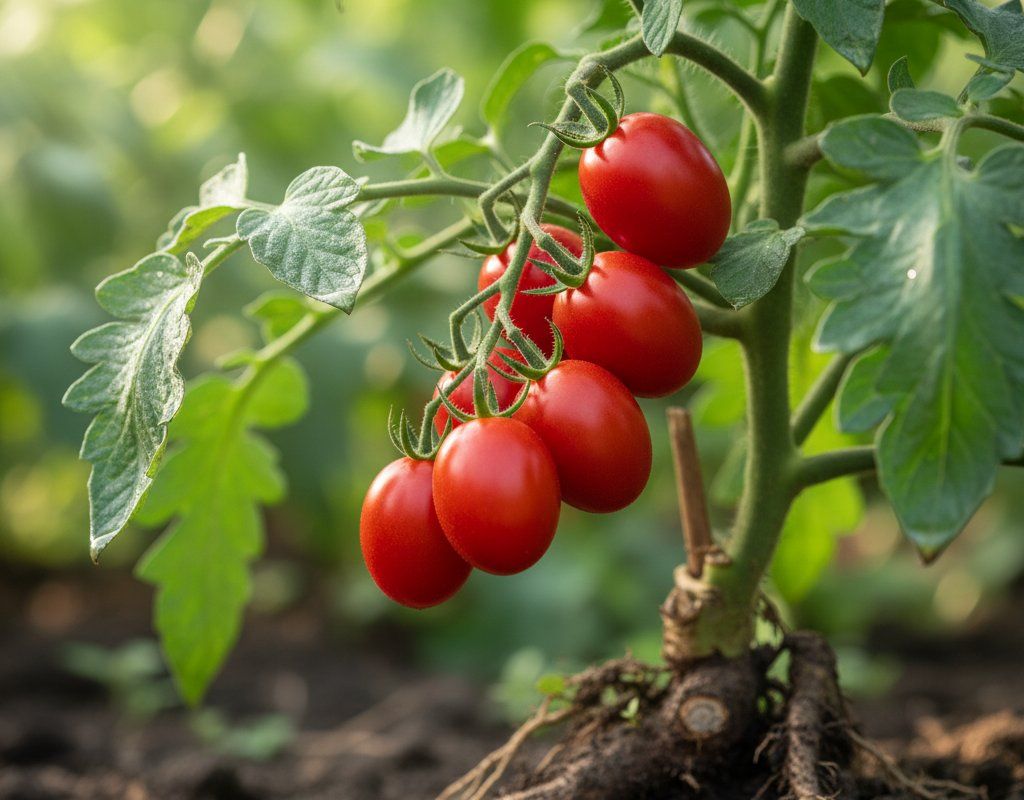
Grape Tomatoes in Zone 8B — Northern California
Solanum lycopersicum var. cerasiforme · Your Complete 2026 Planting Guide
Missed Seed Starting? No Problem!
Wait for starts to become available.
What to Do
Starts will be available at nurseries in 11 days (around March 15).
How to Plant Grape Tomatoes in Zone 8B — Northern California
Here are all your options for getting grape tomatoes in the ground, from the easiest method to more advanced approaches.
Start Seeds Indoors
RecommendedLate January through mid February
around February 1
Then transplant: Mid March through mid April
Start seeds 6-8 weeks before transplanting outdoors.
Buy Starts
Works WellMid March through mid April
around March 15
Plant purchased starts after last frost (March 1).
Direct Sow Seeds
ChallengingDirect sowing is not typical for Grape Tomatoes.
Transplant Outdoors
Timing InfoMid March through mid April
around March 15
Wait until nighttime temperatures stay above 50°F.
You have a nice window — no need to rush.
Overview
Grape tomatoes are perfect for Northern California's Mediterranean climate, delivering the sweet-tart flavor of cherry tomatoes with fewer splitting problems thanks to their thicker skin. These prolific producers thrive in our warm, dry summers and give you months of consistent harvests for snacking, salads, and roasting. Their oblong shape and firm texture make them ideal for everything from fresh eating to preserving, and they handle our typical 88°F summer highs beautifully.
While our dry summers and occasional heat waves can stress tender plants like tomatoes, grape tomatoes are surprisingly resilient once established. Your 269-day growing season means you can start early and harvest well into fall, giving you plenty of time to work around any spring temperature swings or water restrictions that might pop up during fire season.
Starting Seeds Indoors
You'll want to start your grape tomato seeds indoors during late January through mid-February, about 6 weeks before your planned transplant date. This timing takes advantage of Northern California's early spring character while avoiding any late-season cold snaps that could damage young plants.
Set up your seeds in standard seed trays filled with quality seed-starting mix, keeping them consistently warm (around 70-75°F) for the best germination. A heat mat helps in our cool winter months. Once they sprout, provide bright light with a grow lamp or sunny south-facing window, keeping the light source just a few inches above the seedlings.
Bottom watering works best for young tomato seedlings—set your seed trays in a shallow pan of water and let the soil absorb moisture from below. This prevents damping off and keeps those tender stems from getting waterlogged. As they develop their first true leaves, you can begin weekly diluted fertilizer feeds.
Transplanting Outdoors
Plan to transplant your grape tomato seedlings outdoors from mid-March through mid-April, once nighttime temperatures consistently stay above 50°F and your last frost risk has passed. Northern California's early spring can be tricky with warm days followed by surprisingly cool nights, so watch the weather forecast carefully during this transition period.
Start hardening off your seedlings about a week before transplanting by gradually exposing them to outdoor conditions. Begin with just a few hours of morning sun, then increase their outdoor time daily until they're spending full days outside. This process helps them adjust to our sometimes intense spring sun and variable temperatures.
Space your plants 24 to 36 inches apart to ensure good air circulation in our low-humidity climate. The wider spacing also makes watering and harvesting easier as these indeterminate varieties grow quite large. Choose a spot that gets at least 6-8 hours of direct sunlight, as grape tomatoes need full sun to develop their signature sweet flavor.
Watering Grape Tomatoes in Zone 8B (Northern California)
Grape tomatoes need consistent, deep watering throughout Northern California's long growing season, especially during our dry summer months. While their thicker skin makes them less prone to cracking than cherry varieties, inconsistent moisture still causes problems like blossom end rot and poor fruit development.
During spring establishment (March through May), water deeply once or twice weekly, providing about an inch of water each time. Use the finger test—stick your finger 2 inches into the soil near the plant base. If it's dry at that depth, it's time to water. As summer heat builds and rainfall drops to nearly zero, you'll likely need to water every 2-3 days, sometimes daily during heat waves.
Focus your watering at the plant base rather than overhead. Our low humidity means foliar diseases are less of a concern than in humid regions, but ground-level watering conserves precious water and reduces evaporation. Morning watering works best, giving plants time to absorb moisture before the day's heat peaks. During water restriction periods, deep, less frequent watering encourages stronger root systems.
Apply 2-3 inches of mulch around your plants to maintain consistent soil moisture and reduce watering frequency. Straw, shredded leaves, or wood chips all work well in our Mediterranean climate. Watch for signs of water stress: wilting during the hottest part of the day is normal, but if leaves stay wilted in the evening or early morning, increase your watering frequency.
Supporting Your Grape Tomatoes
Install sturdy tomato cages or stakes at planting time, as grape tomatoes are vigorous indeterminate growers that can easily reach 6-8 feet tall in our long growing season. Standard 54-inch tomato cages work well for most situations, though you might need to supplement with stakes for extra height as the season progresses.
Cages are generally easier to manage than staking since grape tomatoes produce numerous side shoots that benefit from multi-point support. If you prefer staking, use 6-foot stakes and plan to tie the main stem every 8-12 inches as it grows. Soft ties or strips of old t-shirt fabric work better than wire, which can cut into stems during windy weather.
Start training your plants early by gently guiding main stems and major branches through or around your support system. Grape tomatoes can become quite bushy, so regular training keeps fruit off the ground and improves air circulation—important in our sometimes stagnant summer air.
Pruning & Maintaining Grape Tomatoes
Grape tomatoes need less aggressive pruning than other indeterminate varieties since they naturally produce manageable growth and abundant fruit with minimal intervention. Focus on removing suckers (shoots growing between the main stem and branches) when they're small and tender, but don't stress about catching every single one.
Remove the lowest branches that touch or nearly touch the ground to prevent soil-borne diseases and improve air circulation. This is especially important during our dry summer months when dust and soil particles can splash onto low-hanging foliage during irrigation.
As your first frost approaches in late November, you can top your plants (remove growing tips) about a month beforehand to encourage existing fruit to ripen rather than putting energy into new growth. Remove any obviously diseased or damaged foliage throughout the season, but otherwise let these productive plants do their thing—over-pruning actually reduces your harvest.
🧪Fertilizing Grape Tomatoes
Feeding Schedule
Organic Fertilizer Options
Harvest Time
Expect your first grape tomatoes to ripen from mid-May through early July, about 60 days after transplanting. The exact timing depends on your specific microclimate and spring weather patterns, with warmer inland areas harvesting earlier than cooler coastal zones.
Look for fruit that's fully colored (usually deep red, though some varieties ripen to yellow or purple), oblong in shape, and gives slightly to gentle pressure while still feeling firm. Unlike cherry tomatoes, grape tomatoes have thicker skin that resists cracking, so you can let them fully ripen on the vine without worry. They'll develop the best flavor and highest sugar content when vine-ripened.
Harvest by gently twisting and pulling individual tomatoes from their stems, or cut the entire cluster and remove individual fruit as needed. Regular harvesting encourages continued production—check your plants every 2-3 days during peak season. The thick skin means these tomatoes store well at room temperature for up to a week.
As late November approaches and first frost threatens, harvest all remaining fruit regardless of ripeness stage. Green and partially colored tomatoes will continue ripening indoors at room temperature, especially if stored with a ripe apple or banana. Your plants will likely continue producing until that first frost hits, giving you months of continuous harvest in our extended growing season.
Common Problems in Zone 8B (Northern California)
Cracking appears as splits in the tomato skin, either in concentric circles around the stem end or as radial lines extending from the stem. While grape tomatoes are more resistant than cherry types, they can still crack during inconsistent watering periods common in Northern California's dry climate. Heavy irrigation after a dry spell causes fruit to absorb water faster than the skin can expand. Maintain consistent soil moisture through regular deep watering and mulching. During water restrictions, focus on steady, smaller amounts rather than feast-or-famine cycles.
Blossom end rot shows up as dark brown or black leathery patches on the bottom (blossom end) of developing fruit. This calcium deficiency problem typically affects your first fruits of the season and is triggered by our Mediterranean climate's natural wet-to-dry transition. Inconsistent watering disrupts calcium uptake even when soil calcium levels are adequate. The most effective fix is consistent watering—establish a regular schedule and stick to it through our long dry season. Heavy mulching helps maintain even soil moisture, and avoiding over-fertilizing with nitrogen prevents the problem from worsening.
Early blight appears as brown spots with distinctive concentric rings (bullseye pattern) on lower leaves, gradually spreading upward and causing leaves to yellow and drop. This fungal disease thrives in warm conditions with occasional moisture—exactly what we get during spring irrigation season. Remove affected leaves immediately (don't compost them) and mulch around plants to prevent soil splash during watering. Water at soil level rather than overhead, and ensure good spacing for air circulation in our sometimes stagnant summer air.
Northern California Specific Challenges: Our Mediterranean climate's combination of moderate-to-hot summer heat and bone-dry conditions means water management is your biggest challenge with grape tomatoes. Fire season restrictions may limit your irrigation options just when plants need consistent moisture most. The low humidity reduces some fungal pressure but intensifies water stress, while microclimates can vary dramatically—coastal gardeners deal with cool fog while inland areas face desert-like conditions.
Best Companions for Grape Tomatoes
Plant these nearby for healthier Grape Tomatoes and better harvests.
View Full Companion Planting Chart →



Companion Planting Details
Basil makes an excellent companion for grape tomatoes, naturally repelling aphids and tomato hornworms while thriving in the same warm, sunny conditions our Mediterranean climate provides. Plant carrots nearby to help break up clay soil and maximize your garden space—their deep taproots won't compete with tomato surface roots. Parsley attracts beneficial insects that prey on tomato pests, and marigolds planted around the garden border deter nematodes and whiteflies with their strong scent.
Avoid planting brassicas like cabbage or broccoli near your tomatoes, as they're heavy feeders that compete for the same nutrients and prefer cooler conditions anyway. Fennel should be kept far from tomatoes since it can inhibit their growth, and corn creates too much shade for sun-loving tomatoes while also attracting similar pests. In Northern California's water-conscious environment, grouping plants with similar irrigation needs makes the most sense for efficient garden management.
🌸Best Flowers to Plant with Grape Tomatoes
These flowers protect your Grape Tomatoes from pests and attract pollinators for better harvests.
For Pest Control

Get a Reminder When It's Time to Plant
We'll email you when key planting windows open for your zone.