
Parsley in Zone 8B — Northern California
Petroselinum crispum · Your Complete 2026 Planting Guide
Time to Buy Starts!
Seed starting window passed, but starts are available now.
Buy Starts Now
Head to your local nursery, Home Depot, or farmers market for transplants.
- Look for stocky plants with dark green leaves
- Avoid leggy seedlings or plants already flowering
- Check that roots aren't circling the pot (rootbound)
How to Plant Parsley in Zone 8B — Northern California
Here are all your options for getting parsley in the ground, from the easiest method to more advanced approaches.
Direct Sow Seeds
RecommendedMid February through early September
around February 15
Consider succession planting every 2-3 weeks for continuous harvest.
Parsley is slow to germinate (2-4 weeks). Soaking seeds helps.
Start Seeds Indoors
RecommendedMid December through early January
around December 21
Then transplant: Mid February through mid March
Start seeds 8-10 weeks before transplanting outdoors.
Start indoors 8-10 weeks early due to slow germination.
Buy Starts
Works WellMid February through mid March
around February 15
Plant purchased starts after last frost (March 1).
Transplant Outdoors
Timing InfoMid February through mid March
around February 15
Can tolerate light frost, but wait for soil to be workable.
You have a nice window — no need to rush.
Fall Planting
Early September through early October
September 23 ideal · Direct sow for fall harvest
Plant a second crop in mid-summer for fall harvest. Parsley actually prefers the cooling temperatures of fall.
Overview
Parsley thrives in Northern California's Mediterranean climate, offering both flat-leaf Italian and curly varieties that produce fresh herbs nearly year-round in our long 269-day growing season. You'll harvest continuously from late spring through winter, with the mild temperatures and morning fog (for coastal gardeners) creating ideal conditions for this versatile herb that elevates everything from soups to salads.
Our dry summers and occasional water restrictions mean timing your plantings right, but parsley's moderate water needs and ability to handle partial shade make it manageable even during drought years. The key is working with our early springs and extended falls to maximize your harvest window.
Starting Seeds Indoors
Starting parsley seeds indoors makes sense if you want an early harvest or live in a microclimate with unpredictable spring weather. Sow seeds from mid-December through early January, giving yourself about 8 weeks before transplanting outdoors in our typically early Northern California spring.
Set up seed trays with good potting mix and keep them warm (70-75°F) for the first two weeks. Parsley is notoriously slow to germinate—expect 2-4 weeks even under ideal conditions. Bottom watering works best since the small seeds can wash away with overhead watering.
Once seedlings emerge, provide bright light and gradually reduce warmth. With our early spring arrival, you'll have sturdy transplants ready when soil conditions improve in mid-February through mid-March.
Transplanting Outdoors
Transplant your parsley seedlings outdoors from mid-February through mid-March, once soil temperature consistently reaches 50°F and the heaviest winter rains have passed. Our mild winter conditions mean you can often plant earlier than gardeners in colder zones, but watch for those late winter storms that can waterlog young plants.
Harden off seedlings for a full week before transplanting, gradually increasing their outdoor exposure. This is especially important in microclimates with significant temperature swings between day and night. Space plants 6-10 inches apart in well-draining soil—parsley doesn't compete well when crowded.
Choose your location carefully since parsley will occupy the same spot for nearly two years as a biennial. Morning sun with afternoon shade works well in our moderate-to-hot summer climate, protecting plants during peak heat while maintaining good growth.
Direct Sowing
Direct sowing parsley works well from mid-February through early September, giving you flexibility to plant when it fits your garden schedule. The main advantage is avoiding transplant shock, though you'll need patience since germination takes 2-4 weeks even in ideal conditions.
Soak seeds overnight before planting to speed germination—this simple step can cut waiting time in half. Sow seeds ¼ inch deep in well-prepared soil, spacing them 6-10 inches apart. Keep the soil consistently moist during the long germination period, which can be challenging during our dry summer months.
For fall plantings (early September through early October), direct sowing often works better than transplants since the plants establish strong root systems before winter. Just ensure you have reliable water access since fall rains may not arrive until November.
Watering Parsley in Zone 8B (Northern California)
Parsley needs consistent, moderate moisture throughout our Mediterranean growing season, requiring about 1-1.5 inches of water weekly during peak summer heat. The "finger test" works perfectly—soil should feel moist 2 inches down but not soggy, especially important given our clay-heavy soils in many areas.
During germination, keep soil surface consistently damp for those crucial 2-4 weeks—this is your biggest water challenge since surface soil dries quickly in our low humidity. Once established, water deeply at the base rather than overhead to prevent fungal issues and conserve water during drought restrictions.
Summer watering becomes critical from July through September when our dry season peaks. Early morning watering works best, allowing plants to absorb moisture before afternoon heat. Mulch around plants with compost or straw to retain soil moisture and reduce watering frequency.
Watch for signs of stress: wilting despite adequate soil moisture often indicates crown rot from overwatering, while yellowing outer leaves typically signal underwatering. During water restrictions, parsley's moderate needs make it easier to maintain than thirsty vegetables, but don't let it go completely dry.
🧪Fertilizing Parsley
Feeding Schedule
Organic Fertilizer Options
Harvest Time
Your first parsley harvest begins from late April through early December, depending on when you planted and which variety you chose. Flat-leaf Italian parsley typically produces earlier and more abundantly than curly varieties, especially in our Mediterranean climate.
Start harvesting when outer stems have three distinct leaf segments and reach 4-6 inches tall. Cut stems at the base near soil level rather than pinching tips—this encourages new growth from the crown and maintains the plant's natural rosette shape.
Harvest regularly throughout the growing season, taking outer stems first and leaving the center to continue producing. During our hot summer months, harvest in early morning when stems are most crisp and flavorful. A single plant can provide fresh parsley for months with proper cutting technique.
As late November approaches and first frost threatens, harvest heavily and preserve your crop through freezing or drying. Since parsley is biennial, second-year plants focus energy on flowering rather than leaf production, so plan to replant fresh seedlings each year for best harvests.
Common Problems in Zone 8B (Northern California)
Slow Germination Seeds sitting in soil for 3-4 weeks without sprouting, especially frustrating during our dry spring conditions. This happens because parsley seeds have natural germination inhibitors and need consistent moisture to break dormancy. Soak seeds overnight before planting and keep soil surface consistently moist (not waterlogged) during the entire germination period. Consider shade cloth during hot spells to prevent soil surface from crusting over.
Carrot Rust Fly Small dark flies hovering near plants, followed by wilting foliage despite adequate watering and rusty brown tunnels visible in roots. The larvae of these flies tunnel into parsley roots just like carrots, especially problematic during our mild spring conditions when flies emerge early. Use row covers from planting through mid-May for best prevention. Interplant with onions whose scent confuses adult flies, and avoid thinning during peak fly season since bruised plant material attracts them.
Crown Rot Black, mushy stems at soil level and yellowing leaves starting from the bottom up, particularly common in heavy clay soils during winter rains. Poor drainage combined with overwatering creates perfect conditions for fungal diseases to attack the plant crown. Improve soil drainage with compost before planting and water at the base rather than overhead. Space plants properly for air circulation and avoid mulching directly against stems.
Northern California Specific Challenges: Our moderate-to-hot summers with low humidity create ideal conditions for healthy parsley growth, but the combination of clay soils and intense winter rains can lead to drainage issues. Microclimates vary wildly—coastal fog provides natural humidity while inland areas may need more frequent watering during fire season when air becomes especially dry.
Best Companions for Parsley
Plant these nearby for healthier Parsley and better harvests.
View Full Companion Planting Chart →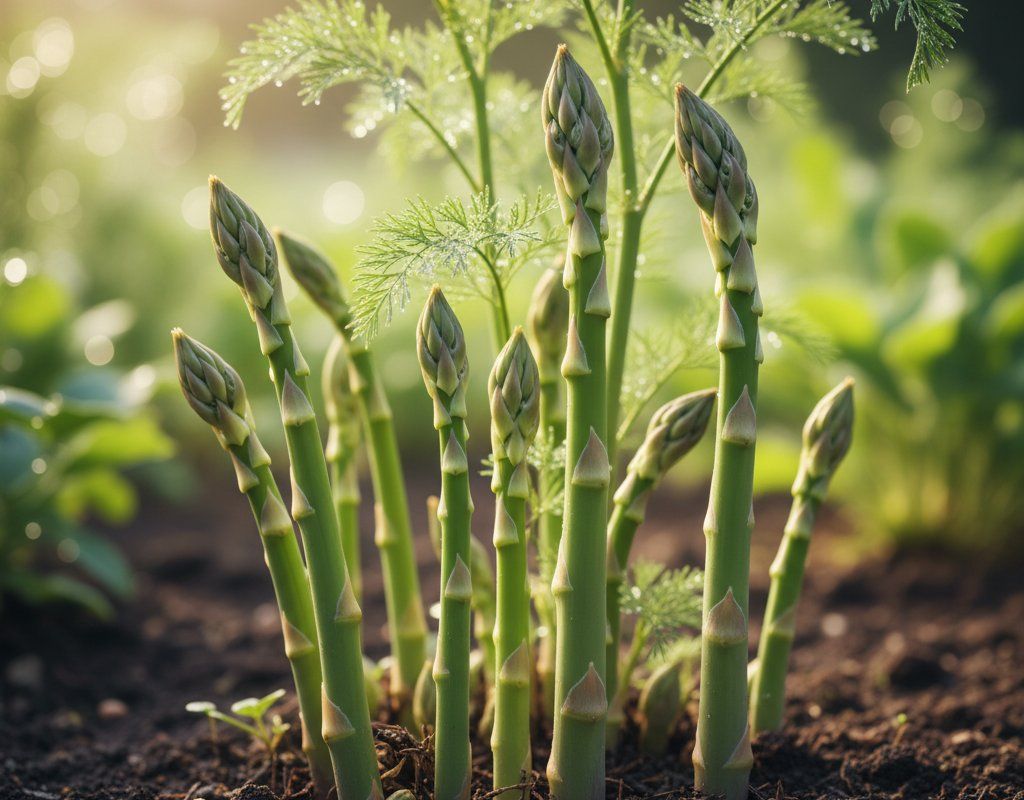



Companion Planting Details
Plant parsley near tomatoes, asparagus, corn, and roses for mutual benefits in our Mediterranean climate. Tomatoes appreciate parsley's ability to attract beneficial insects while parsley enjoys the light shade tomatoes provide during our hot afternoons. Asparagus and parsley share similar soil preferences and neither competes aggressively for space. Corn provides natural wind protection during our occasional strong Delta breezes, while parsley's low growth doesn't interfere with corn's root system.
Avoid planting parsley near lettuce and mint in Northern California gardens. Lettuce and parsley compete for the same soil nutrients and moisture level, and lettuce often suffers in the competition. Mint's aggressive spreading nature overwhelms parsley's slower growth, and mint's higher water needs conflict with parsley's preference for moderate moisture during our water-conscious growing season.
🌸Best Flowers to Plant with Parsley
These flowers protect your Parsley from pests and attract pollinators for better harvests.
For Pest Control




Get a Reminder When It's Time to Plant
We'll email you when key planting windows open for your zone.