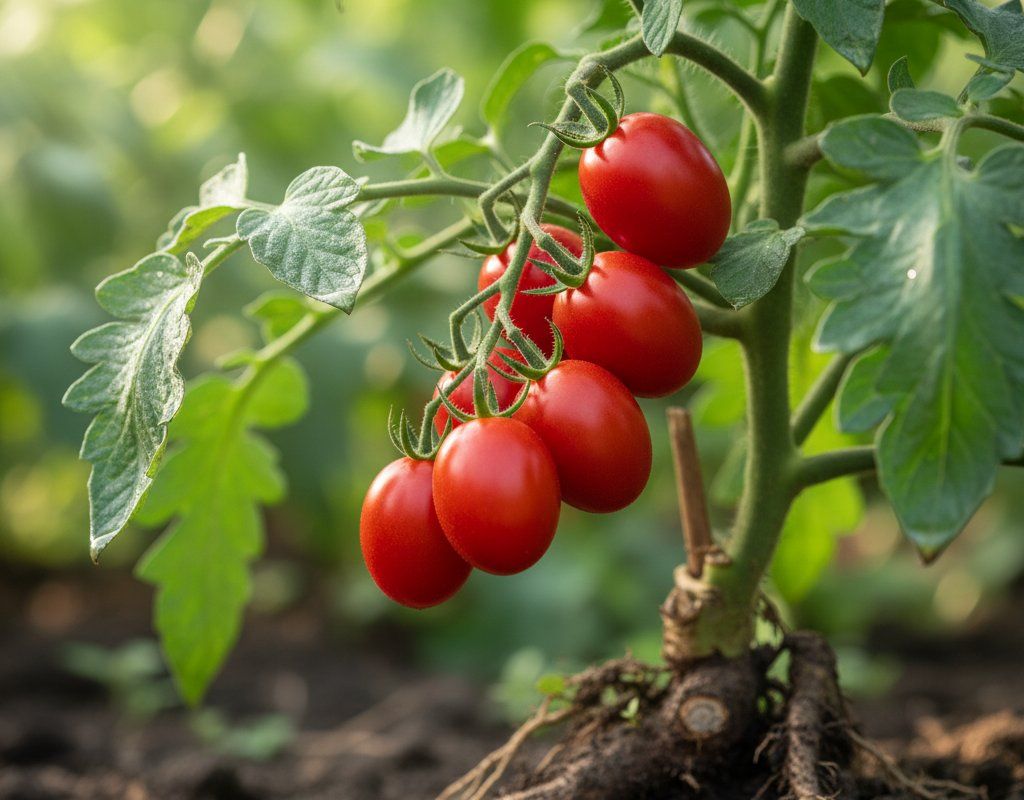
Grape Tomatoes in Zone 9A — Florida
Solanum lycopersicum var. cerasiforme · Your Complete 2026 Planting Guide
Time to Buy Starts!
Seed starting window passed, but starts are available now.
Buy Starts Now
Head to your local nursery, Home Depot, or farmers market for transplants.
- Look for stocky plants with dark green leaves
- Avoid leggy seedlings or plants already flowering
- Check that roots aren't circling the pot (rootbound)
How to Plant Grape Tomatoes in Zone 9A — Florida
Here are all your options for getting grape tomatoes in the ground, from the easiest method to more advanced approaches.
Start Seeds Indoors
RecommendedLate December through mid January
around January 4
Then transplant: Mid February through mid March
Start seeds 6-8 weeks before transplanting outdoors.
Buy Starts
Works WellMid February through mid March
around February 15
Plant purchased starts after last frost (February 1).
Direct Sow Seeds
ChallengingDirect sowing is not typical for Grape Tomatoes.
Transplant Outdoors
Timing InfoMid February through mid March
around February 15
Wait until nighttime temperatures stay above 50°F.
You have a nice window — no need to rush.
Overview
Grape tomatoes are a Florida gardener's sweet spot – literally. These prolific little fruits combine the intense flavor of cherry tomatoes with a firmer texture that holds up beautifully in our humid climate. Their thicker skins resist cracking better than most small tomato varieties, making them perfect for our unpredictable spring weather patterns. You'll harvest clusters of these oblong gems from mid-April through early June, giving you months of fresh tomatoes for salads, roasting, or snacking straight from the vine.
While Florida's reversed growing season and extreme humidity can challenge many crops, grape tomatoes actually thrive when you time them right. Our 327-day growing season means you can start seeds in the dead of winter and have plants ready to go into the ground just after our last frost risk passes in early February. The key is embracing our backward calendar – when northern gardeners are dreaming of spring, you're already starting your tomato seeds.
Starting Seeds Indoors
Start your grape tomato seeds indoors during late December through mid-January, about 6 weeks before you plan to transplant outdoors. This timing works perfectly with Florida's reversed spring – while it's still cool enough outside that tender plants would struggle, your seeds will germinate happily on a warm windowsill or under grow lights. Use seed starting mix in small cells or trays, planting seeds about ¼ inch deep.
Keep the soil consistently moist using bottom watering – set your seed trays in a shallow pan of water and let the soil absorb moisture from below. This prevents the surface from staying soggy, which can lead to damping-off disease in our humid conditions. Seeds germinate best at 70-80°F, so consider using a heating mat if your house runs cool in January.
Once seedlings emerge, they need plenty of light – either a sunny south-facing window or grow lights positioned 2-3 inches above the plants. As they develop their first true leaves, you can begin weekly feeding with diluted liquid fertilizer. By mid-February, your seedlings should be sturdy 4-6 inch plants ready for the hardening off process.
Transplanting Outdoors
Transplant your grape tomato seedlings outdoors from mid-February through mid-March, once nighttime temperatures consistently stay above 50°F. In Florida, this timing usually coincides with our last frost risk passing, though you should still watch the weather forecast for any unexpected cold snaps. A week before transplanting, begin hardening off your seedlings by gradually exposing them to outdoor conditions – start with an hour of morning sun and increase daily.
Space your plants 24-36 inches apart to allow good air circulation, which is crucial in our humid climate for preventing fungal diseases. The wider spacing also gives these indeterminate plants room to spread as they grow. Choose a location that gets full sun (6-8 hours daily) but has some afternoon protection if possible – Florida's intense UV can stress young transplants.
Plant on a calm, overcast day if you can manage it, or in late afternoon to give plants time to settle before facing full sun. Water thoroughly after transplanting and consider using row covers for the first week if temperatures threaten to drop unexpectedly. Your transplants should establish quickly in Florida's moderate late winter weather.
Watering Grape Tomatoes in Zone 9A (Florida)
Grape tomatoes need consistent moisture throughout their growing season, requiring about 1-2 inches of water weekly. The key in Florida is managing the dramatic shift from our dry winter months to increasingly humid spring weather. During the early growing period (February through April), you'll likely need to supplement natural rainfall with regular watering, checking soil moisture with the finger test – stick your finger 2 inches deep, and water when the soil feels dry at that depth.
As we move into late spring and early summer, Florida's humidity and frequent afternoon thunderstorms change the watering game completely. Your grape tomatoes will need less supplemental irrigation, but you'll need to monitor for both overwatering from heavy rains and drought stress during dry spells. Water at the base of plants rather than overhead – our high humidity means wet foliage stays damp longer, creating perfect conditions for fungal diseases.
Watch for signs of watering stress: wilting during the hottest part of the day indicates underwatering, while yellowing lower leaves and slow growth often signal overwatering. Grape tomatoes' thicker skins make them less prone to cracking than cherry varieties, but inconsistent watering can still cause fruit splitting when heavy rains follow dry periods.
Apply 2-3 inches of organic mulch around plants to moderate soil moisture and temperature swings. In Florida's sandy soils, mulch is especially important for water retention, but keep it pulled back slightly from plant stems to prevent fungal issues in our humid conditions.
Supporting Your Grape Tomatoes
Install sturdy support systems at planting time – grape tomatoes are vigorous indeterminate growers that will easily reach 6-8 feet tall in Florida's long growing season. Heavy-duty tomato cages work well, but choose ones at least 5-6 feet tall and made from thick wire that won't bend under the weight of fruit-laden branches. Alternatively, use wooden or metal stakes driven 2 feet deep with soft ties to secure the main stem as it grows.
The combination of Florida's frequent afternoon thunderstorms and heavy fruit production means your support system will face real tests. Check and adjust ties regularly as stems thicken, using soft materials like cloth strips or tomato tape that won't cut into the plant. Start tying the main stem when plants reach about 12 inches tall, then continue every 8-10 inches of growth.
As branches develop and begin setting fruit, you may need additional support for heavy clusters. Grape tomatoes produce prolifically, and a single branch can carry dozens of fruits. Consider adding horizontal supports between stakes or using tomato spirals that allow the plant to grow up through the support naturally.
Pruning & Maintaining Grape Tomatoes
Grape tomatoes are more forgiving than large tomato varieties when it comes to pruning – they'll produce well even without aggressive sucker removal. Focus on removing suckers that develop in the crotch between the main stem and branches, especially the lower ones that sap energy from fruit production. You can snap off small suckers with your fingers or use clean pruning shears for larger ones.
Remove the lowest set of leaves once plants are established and about 12 inches tall. This improves air circulation around the base of the plant, which is crucial in Florida's humid conditions for preventing early blight and other fungal diseases. Continue removing any leaves that touch the ground or show signs of disease throughout the growing season.
As harvest season progresses and you approach Florida's first frost risk in late December, you can top the plants by pinching out the growing tips. This directs the plant's energy into ripening existing fruit rather than producing new flowers that won't have time to mature. About 4-6 weeks before your expected first frost, stop the plant's upward growth to maximize your final harvest.
🧪Fertilizing Grape Tomatoes
Feeding Schedule
Organic Fertilizer Options
Harvest Time
Your first grape tomatoes will be ready from mid-April through early June, about 60 days from transplanting. These small fruits ripen quickly once they start, often going from green to fully colored in just a few days. Look for fruits that have developed their full oblong shape and rich color – depending on variety, this might be deep red, yellow, purple, or striped. Ripe grape tomatoes should give slightly when gently squeezed but still feel firm.
Harvest by gently twisting and pulling individual fruits from the cluster, or cut the stem with scissors if fruits are stubborn. Check plants every 2-3 days during peak season – grape tomatoes can go from perfectly ripe to overripe quickly in Florida's heat and humidity. The thick skins that make grape tomatoes crack-resistant also mean they hold their quality longer than cherry tomatoes once picked.
These plants produce continuously until frost, so keep harvesting to encourage more fruit production. During Florida's hottest months, you might find that fruit production slows somewhat, but plants will often surge again with cooler fall weather. If you're still harvesting when December's first frost threatens, you can pick green fruits and ripen them indoors on a sunny windowsill.
Regular harvesting also helps prevent problems with overripe fruit attracting insects or developing rot in our humid conditions. Remove any damaged or diseased fruits promptly to keep plants healthy and productive throughout the long Florida growing season.
Common Problems in Zone 9A (Florida)
Cracking Grape tomatoes show better crack resistance than most small tomato varieties, but you might still see splits in the skin, appearing as either concentric circles around the stem end or radial lines running from top to bottom. In Florida, this typically happens when heavy spring thunderstorms or irrigation follow a dry period – the fruit absorbs water faster than the skin can stretch. While grape tomatoes' thicker skins help, consistent moisture is still your best defense. Water regularly during dry spells and mulch heavily to buffer moisture swings in our sandy soils.
Blossom End Rot You'll recognize this as dark, sunken patches on the bottom (blossom end) of fruits, often affecting the first tomatoes of the season. Despite looking like a disease, it's actually a calcium deficiency caused by inconsistent watering – something that's common in Florida's shift from dry winter to wet spring weather. The most effective fix is consistent moisture management through regular watering and thick mulching. Don't over-fertilize with nitrogen, which can interfere with calcium uptake, and remove affected fruits to redirect the plant's energy.
Early Blight This fungal disease shows up as brown spots with distinctive concentric rings (like a target) on lower leaves first, then spreads upward. Leaves turn yellow and drop, weakening the plant. Early blight thrives in Florida's warm, humid conditions and spreads when rain or irrigation splashes contaminated soil onto leaves. Prevent it by mulching to reduce soil splash, watering at the base rather than overhead, and spacing plants properly for air circulation. Remove and destroy affected leaves immediately – never compost diseased plant material in our climate where fungi can overwinter.
Florida Specific Challenges Our combination of extreme humidity, frequent thunderstorms, and sandy soils creates unique challenges for grape tomatoes. The high humidity that makes Florida uncomfortable for humans also creates perfect conditions for fungal diseases, while our intense summer heat can stress plants and reduce fruit set. Heavy summer rains can lead to overwatering issues in poorly-draining areas, while sandy soils dry out quickly between storms, creating the moisture swings that contribute to both cracking and blossom end rot.
Best Companions for Grape Tomatoes
Plant these nearby for healthier Grape Tomatoes and better harvests.
View Full Companion Planting Chart →



Companion Planting Details
Plant basil near your grape tomatoes – this classic pairing isn't just for cooking. Basil helps repel aphids, spider mites, and other pests that target tomatoes in Florida's warm climate. Marigolds planted around the tomato bed deter nematodes, which are particularly problematic in our sandy soils, while their bright flowers attract beneficial insects that prey on tomato pests. Carrots and parsley make good understory companions, using space efficiently while their different root depths don't compete directly with tomato roots.
Avoid planting brassicas like cabbage, broccoli, or kale near your grape tomatoes – they're heavy feeders that compete for nutrients, and their cool-season nature means they'll be finishing up just as your tomatoes are hitting their stride. Skip fennel entirely, as it can inhibit tomato growth, and don't plant corn nearby since both crops attract similar pests and diseases. In Florida's intense growing conditions, your grape tomatoes need all the advantages they can get from their plant neighbors.
🌸Best Flowers to Plant with Grape Tomatoes
These flowers protect your Grape Tomatoes from pests and attract pollinators for better harvests.
For Pest Control

Get a Reminder When It's Time to Plant
We'll email you when key planting windows open for your zone.