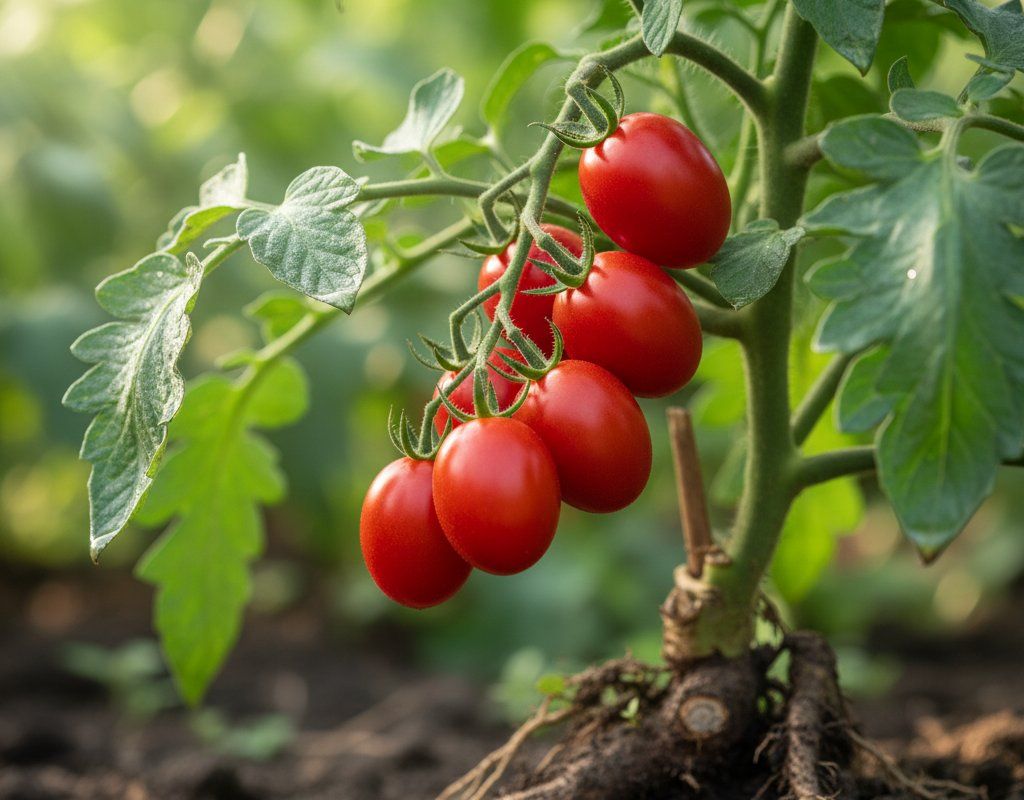
Grape Tomatoes in Zone 9A — Northern California
Solanum lycopersicum var. cerasiforme · Your Complete 2026 Planting Guide
Missed Seed Starting? No Problem!
Wait for starts to become available.
What to Do
Starts will be available at nurseries in 2 days (around March 6).
How to Plant Grape Tomatoes in Zone 9A — Northern California
Here are all your options for getting grape tomatoes in the ground, from the easiest method to more advanced approaches.
Start Seeds Indoors
RecommendedMid January through early February
around January 23
Then transplant: Early March through early April
Start seeds 6-8 weeks before transplanting outdoors.
Buy Starts
Works WellEarly March through early April
around March 6
Plant purchased starts after last frost (February 20).
Direct Sow Seeds
ChallengingDirect sowing is not typical for Grape Tomatoes.
Transplant Outdoors
Timing InfoEarly March through early April
around March 6
Wait until nighttime temperatures stay above 50°F.
You have a nice window — no need to rush.
Overview
Grape tomatoes are perfect for Northern California's Mediterranean climate, offering that satisfying pop and concentrated flavor that makes them irresistible straight from the vine. Unlike their delicate cherry cousins, grape tomatoes have thicker skins that resist cracking during our dry summers, and their prolific production means you'll have buckets for snacking, roasting, and preserving well into fall.
Our long 288-day growing season gives these indeterminate plants plenty of time to reach their full potential, though you'll need to plan around our February frost risk and summer water restrictions. With proper timing, you can start harvesting in early May and keep picking until our first December frost arrives.
Starting Seeds Indoors
Start your grape tomato seeds indoors from mid-January through early February, giving them about 6 weeks to develop before our last frost passes in mid-February. Use seed starting trays filled with quality seed starting mix, and keep them warm (70-75°F) for quick germination.
Place your trays under grow lights or in a sunny south-facing window, and water from the bottom to prevent damping off. Northern California's early spring character means you can transplant sooner than many regions, so this January start timing works perfectly.
Your seedlings should be stocky and 4-6 inches tall by transplant time. If they get leggy, increase the light and run a small fan nearby for gentle air movement.
Transplanting Outdoors
Transplant your grape tomato seedlings outdoors from early March through early April, after our last frost risk passes in mid-February. Harden them off gradually over a week by placing them outside for increasing periods each day, starting with just an hour or two of morning sun.
Space plants 24-36 inches apart to ensure good air circulation, especially important in our low-humidity climate where proper spacing helps prevent disease issues. Choose a sunny spot that gets 6-8 hours of direct sun, and prepare the soil with compost before planting.
Watch for those occasional late-season temperature swings that can surprise us in March. If an unexpected cold snap threatens, have row covers or water walls ready to protect your newly transplanted seedlings.
Watering Grape Tomatoes in Zone 9A (Northern California)
Grape tomatoes need consistent, deep watering throughout our dry summer months, typically requiring 1-2 inches per week depending on your microclimate and soil type. Use the finger test - stick your finger 2 inches into the soil near the base of the plant. If it's dry at that depth, it's time to water.
Water deeply at the base rather than overhead, taking advantage of our low humidity to minimize disease pressure. During our hottest summer stretches when temperatures hit the upper 80s and beyond, you may need to water every other day, especially for container-grown plants.
Start with twice-weekly deep waterings in spring, then increase frequency as summer heat builds and fruit production peaks. Watch for signs of stress: wilting during the heat of the day is normal, but if plants don't perk up by evening, they need more water.
Apply a 3-4 inch layer of mulch around each plant to conserve moisture and reduce watering frequency - crucial for staying within water restrictions while keeping your plants happy through our long, dry summers.
Supporting Your Grape Tomatoes
Install sturdy tomato cages or stakes at planting time, before the roots establish and you risk disturbing the plant. Standard 6-foot tomato cages work well for grape tomatoes, though their vigorous indeterminate growth may eventually outgrow smaller cages.
For staking, use 8-foot stakes driven 2 feet into the ground, leaving 6 feet above soil level. Tie the main stem loosely every 12-18 inches as it grows, using soft materials like cloth strips or tomato ties that won't cut into the stem.
Train the main stem upward and allow side branches to develop naturally - grape tomatoes produce their fruit clusters on these lateral branches. As the plant fills out, you may need to gently weave wandering branches back through the cage supports.
Pruning & Maintaining Grape Tomatoes
Grape tomatoes produce prolifically with minimal pruning, so focus on removing suckers that emerge between the main stem and side branches. Pinch these out when they're small (2-3 inches) to keep the plant's energy focused on fruit production rather than excess foliage.
Remove the lower leaves that touch the ground to prevent soil-borne diseases from splashing up during watering. As the season progresses, thin out any dense interior growth to improve air circulation through the plant.
In late October, about 6-8 weeks before our typical early December first frost, top the plants by pinching out the growing tips. This forces the plant to ripen existing fruit rather than setting new clusters that won't have time to mature before winter arrives.
🧪Fertilizing Grape Tomatoes
Feeding Schedule
Organic Fertilizer Options
Harvest Time
Your first grape tomatoes will be ready from early May through late June, about 60 days from transplanting. Look for fruits that have developed their full oblong shape and rich color - whether red, yellow, or purple depending on your variety.
Ripe grape tomatoes feel firm but yield slightly to gentle pressure, and they pull easily from the stem with a gentle twist. Unlike cherry tomatoes, their thicker skins mean they'll hold well on the vine for several days once ripe, giving you flexibility in harvest timing.
Pick regularly to encourage continued production - these plants will keep producing new clusters until frost if you keep harvesting. During peak season, you may be picking every 2-3 days to stay ahead of the abundance.
As our first frost approaches in early December, harvest all remaining green fruits. Grape tomatoes ripen well indoors when placed in a paper bag with a ripe banana, or you can use them green in salsas and chutneys.
Common Problems in Zone 9A (Northern California)
Cracking appears as splits in the tomato skin, either in circles around the stem or radiating outward like spokes. While grape tomatoes resist cracking better than cherry types, it can still occur during heavy watering after a dry spell. Water consistently to avoid the dry-wet cycle that causes this, and mulch heavily to maintain even soil moisture. Harvest promptly once fruits reach full color.
Blossom End Rot shows up as dark, sunken patches on the bottom of the fruit, often affecting your first tomatoes of the season. This isn't a disease but a calcium uptake problem triggered by inconsistent watering - exactly what we risk during our transition from wet winter to dry summer. Water consistently and deeply, mulch to maintain soil moisture, and avoid over-fertilizing with nitrogen which can interfere with calcium absorption.
Early Blight creates brown spots with distinctive target-like rings on lower leaves first, then spreads upward. Our warm days and cool nights can create conditions for this fungal disease, especially when combined with overhead watering. Remove affected leaves immediately, water only at the base of plants, and ensure good spacing for air circulation. Copper-based fungicides can help slow the spread.
Northern California Specific Challenges: Our combination of moderate-to-hot summer heat and low humidity actually works in your favor for disease prevention, but the transition from our wet winters to bone-dry summers can stress plants if you don't adjust your watering schedule gradually. Those variable microclimates mean plants in hot inland areas may need daily watering while coastal gardens might manage with twice-weekly deep soaking.
Best Companions for Grape Tomatoes
Plant these nearby for healthier Grape Tomatoes and better harvests.
View Full Companion Planting Chart →



Companion Planting Details
Plant basil near your grape tomatoes - it naturally repels aphids and thrips while improving the tomatoes' flavor, plus you'll have fresh pesto ingredients growing side by side. Carrots and parsley make excellent companions, as their deep taproots don't compete with tomatoes' shallow root systems, and parsley attracts beneficial insects that help control tomato pests.
Marigolds planted throughout the tomato patch deter nematodes and many flying pests with their strong scent. Avoid planting brassicas like broccoli or cabbage nearby, as they compete heavily for nutrients, and skip fennel entirely - it can stunt tomato growth. Corn might seem logical, but it attracts similar pests and creates too much shade for sun-loving tomatoes in our Mediterranean climate.
🌸Best Flowers to Plant with Grape Tomatoes
These flowers protect your Grape Tomatoes from pests and attract pollinators for better harvests.
For Pest Control

Get a Reminder When It's Time to Plant
We'll email you when key planting windows open for your zone.