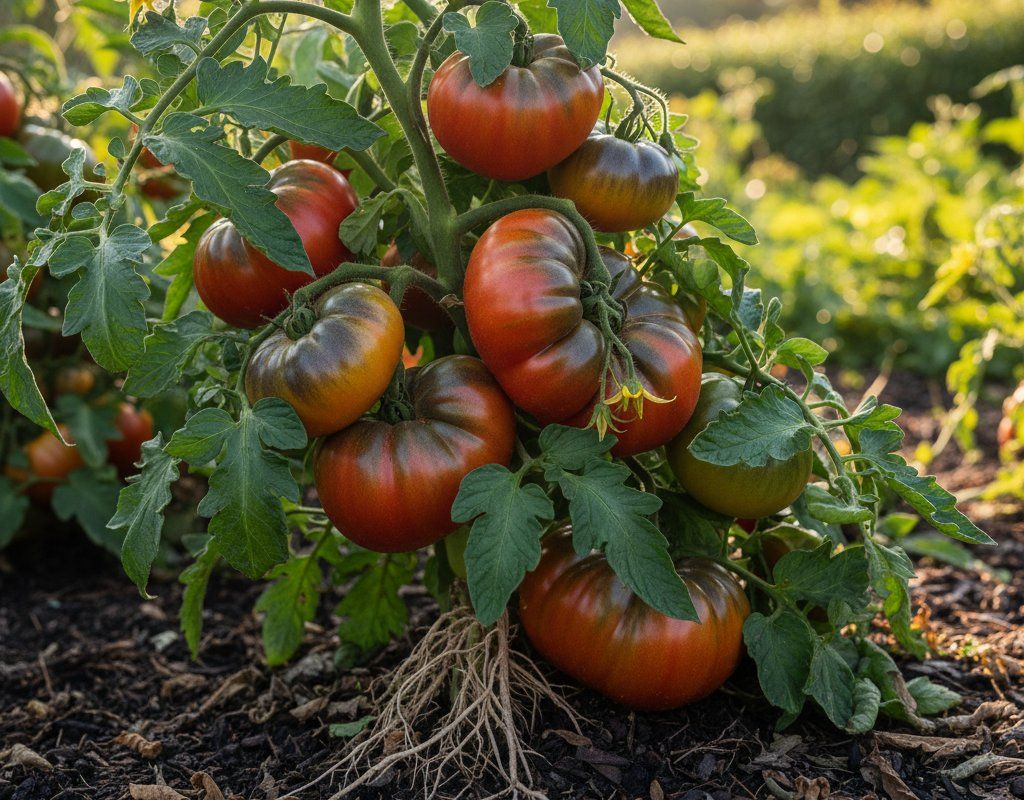
Heirloom Tomatoes in Zone 10B — Desert Southwest
Solanum lycopersicum · Your Complete 2026 Planting Guide
Check Planting Details Below
See the full planting guide for timing information.
How to Plant Heirloom Tomatoes in Zone 10B — Desert Southwest
Here are all your options for getting heirloom tomatoes in the ground, from the easiest method to more advanced approaches.
Start Seeds Indoors
RecommendedMid December through early January
around December 18
Then transplant: Late January through late February
Start seeds 6-8 weeks before transplanting outdoors.
Buy Starts
Works WellLate January through late February
around January 29
Plant purchased starts after last frost (January 15).
Direct Sow Seeds
ChallengingDirect sowing is not typical for Heirloom Tomatoes.
Transplant Outdoors
Timing InfoLate January through late February
around January 29
Wait until nighttime temperatures stay above 50°F.
You have a nice window — no need to rush.
Overview
Heirloom tomatoes shine in our Desert Southwest gardens, offering flavors and varieties you'll never find in stores. These treasured cultivars thrive during our mild winters and early spring, producing complex, sweet fruits with character that makes our 349-day growing season truly worthwhile. From Cherokee Purples to Brandywines, heirlooms give you the satisfaction of growing something truly special in our unique climate.
While our extreme summer heat and low humidity present challenges, timing your heirloom tomatoes for our spring growing season makes success very manageable. You'll start seeds during our coolest months and harvest before the brutal heat arrives, working with our desert climate rather than against it.
Starting Seeds Indoors
Start your heirloom tomato seeds indoors from mid-December through early January, about 6 weeks before you plan to transplant. This timing takes advantage of our very early spring character, getting plants established while temperatures remain mild. Use seed starting trays with a quality seed starting mix, and provide bottom heat of 70-75°F for faster germination.
Set up grow lights or place trays in a sunny south-facing window once seeds sprout. Bottom watering works best here in our arid climate - place trays in shallow water and let the soil absorb moisture from below. This prevents damping-off disease and maintains consistent moisture without creating surface humidity that can cause problems.
Keep seedlings at 65-70°F once they emerge, and begin feeding with diluted fertilizer when they develop their first true leaves. Transplant to larger pots when plants have 2-3 sets of true leaves, typically 3-4 weeks after germination.
Transplanting Outdoors
Transplant your heirloom tomato seedlings outdoors from late January through late February, when nighttime temperatures consistently stay above 45°F. This timing gives plants time to establish before our heat ramps up in late spring. Begin hardening off plants one week before transplanting by gradually exposing them to outdoor conditions, starting with 2-3 hours daily and increasing each day.
Space plants 36-48 inches apart to ensure good air circulation in our low humidity environment. The wider spacing helps prevent disease issues that heirlooms are prone to, especially important during our occasional winter moisture. Plant on a calm, overcast day if possible to reduce transplant shock.
Watch for unexpected cold snaps during transplant season - have row covers ready to protect plants if temperatures threaten to drop below 40°F. Our desert winters can surprise you with temperature swings, but plants will recover quickly once settled.
Watering Heirloom Tomatoes in Zone 10B (Desert Southwest)
Consistent moisture is absolutely critical for heirloom tomatoes in our arid climate, as these varieties crack much more easily than hybrids when subjected to irregular watering. Start with deep, twice-weekly watering immediately after transplanting, providing about 1-2 inches per week. Use the finger test - stick your finger 2 inches into the soil near the base of the plant. If it's dry, water deeply.
Increase watering frequency as temperatures rise in late spring and early summer, moving to every other day or daily during peak heat. Water at the base of plants rather than overhead - our low humidity means foliage dries quickly, but directing water to roots is more efficient. Morning watering works best, giving plants time to absorb moisture before afternoon heat peaks.
Watch for signs of water stress: wilting during the hottest part of the day (normal), but also persistent wilting, blossom end rot, or fruit cracking after irrigation. Overwatered plants develop yellow lower leaves and may show signs of root rot. Apply 2-3 inches of organic mulch around plants to help retain moisture and keep soil temperatures stable during our temperature swings.
During monsoon season, you might reduce supplemental watering, but don't rely entirely on rainfall. Our 8-15 inches of annual precipitation isn't enough for these high-water-need plants, and irregular monsoon patterns can stress plants just as much as drought.
Supporting Your Heirloom Tomatoes
Install strong cages or stakes at planting time, as most heirloom varieties are indeterminate and will grow 6-8 feet tall in our long growing season. Use 6-foot tall cages made from concrete reinforcing wire, or install 8-foot wooden stakes with soft ties. These plants produce heavy, irregularly shaped fruits that need substantial support to prevent branches from breaking.
Secure cages well into the ground - our occasional spring winds can topple inadequately anchored supports. Drive stakes 18-24 inches deep, or weight cage bottoms with rocks. The investment in strong support pays off when plants are loaded with large, heavy heirloom fruits.
Train plants weekly by gently weaving new growth through cage openings or tying to stakes with soft cloth strips. Support individual heavy fruit clusters with small slings made from pantyhose or soft fabric if branches start to bend under the weight.
Pruning & Maintaining Heirloom Tomatoes
Remove suckers (shoots growing between main stems and branches) weekly throughout the growing season to maintain good air circulation. This is especially important for disease-prone heirlooms in our climate. Pinch off suckers when they're small and tender, usually 2-3 inches long. Leave 2-3 main stems for good fruit production.
Remove lower leaves that touch the ground to prevent soil-borne diseases from splashing up during watering or monsoon rains. Prune any yellowing or diseased foliage immediately to prevent spread. In late spring as temperatures climb, remove some upper foliage to prevent sunscald on developing fruits.
As first frost approaches in late December, top plants by removing growing tips about 4-6 weeks before expected frost. This redirects energy into ripening existing fruits rather than producing new ones that won't have time to mature. Remove any diseased plants promptly to prevent overwintering of pathogens.
🧪Fertilizing Heirloom Tomatoes
Feeding Schedule
Organic Fertilizer Options
Harvest Time
Expect your first ripe heirloom tomatoes from mid-April through early June, about 80 days after transplanting. Harvest timing varies significantly between varieties - some heirlooms ripen gradually from bottom to top, while others ripen in clusters. Look for fruits that have developed full color for their variety, show slight softness when gently squeezed, and detach easily from the vine with a gentle twist.
Don't expect uniform ripening like hybrid varieties. Many heirlooms maintain green shoulders or ripen unevenly, which is perfectly normal and often indicates peak flavor. Harvest fruits when they give slightly to gentle pressure and smell sweet at the stem end. Some varieties like Green Zebra remain green when ripe, so learn your specific variety's characteristics.
Pick regularly to encourage continued production throughout the season. Harvest in the morning when fruits are cool and firm, and handle gently to avoid bruising these tender-skinned varieties. Cut stems with clean shears rather than pulling if fruits don't detach easily.
As first frost approaches in late December, harvest all remaining fruits regardless of ripeness. Green tomatoes will continue ripening indoors at room temperature for several weeks. Store them in a single layer, checking daily and removing any that show signs of rot to prevent spread to healthy fruits.
Common Problems in Zone 10B (Desert Southwest)
Cracking Split tomato skins appear as concentric circles around the stem or radial lines spreading from the top. You'll see exposed flesh that quickly attracts insects and rot. This happens when irregular watering causes fruit to absorb moisture faster than the skin can expand, particularly common with our boom-bust monsoon patterns and when transitioning from dry spring to summer irrigation.
Maintain consistent soil moisture through regular deep watering and thick organic mulch. Avoid the dry-wet cycle that triggers cracking by checking soil moisture daily during hot weather. Some heirloom varieties like Cherokee Purple are especially prone to cracking, so harvest promptly when fruits show first signs of ripeness.
Disease Susceptibility Watch for dark spots on leaves, yellowing foliage, or fuzzy growth that indicates fungal problems. Heirloom varieties lack the disease resistance bred into modern hybrids, making them vulnerable to early blight, late blight, and bacterial diseases. Our occasional winter rains and dense summer growth create perfect conditions for disease development.
Space plants widely for better air circulation and remove lower branches touching soil. Apply preventative copper fungicide during humid periods, especially during monsoon season. Remove diseased foliage immediately and dispose of it away from the garden. Consider choosing disease-resistant heirloom varieties like Mountain Fresh Plus for problem-prone areas.
Lower Yields Expect significantly fewer fruits per plant compared to hybrid varieties, often 30-50% less production. This reflects heirloom genetics that prioritize flavor over productivity, plus their increased susceptibility to environmental stress. Hot weather, irregular watering, and disease pressure all reduce yields more dramatically in heirlooms than hybrids.
Focus on fewer, healthier plants with excellent care rather than cramming in more plants. Consistent watering, proper nutrition, and disease prevention maximize what production you'll get. Remember that one perfect heirloom tomato often has more flavor than three bland hybrids.
Irregular Shapes Heirloom fruits develop unusual bumps, ridges, shoulders, and asymmetrical shapes that look nothing like grocery store tomatoes. Some varieties like Mortgage Lifter naturally produce massive, ribbed fruits, while others develop cat-facing (scarring at blossom end) or unusual protrusions. Cool weather during fruit set, particularly during our variable spring temperatures, can exaggerate these characteristics.
Embrace the character - irregular heirlooms typically offer superior flavor compared to uniform varieties. These "ugly" tomatoes slice beautifully and taste incredible. If appearance matters for specific uses, choose naturally uniform heirloom varieties like San Marzano for paste or Cherokee Purple for slicing.
Our Desert Southwest climate intensifies many heirloom challenges. Extreme heat stresses plants and increases water needs, while our arid conditions make consistent moisture management critical. The intense UV radiation can cause sunscald on fruits, and our alkaline soils often require amendments for optimal nutrition. Plan accordingly by providing shade cloth during extreme heat and maintaining excellent soil moisture.
Best Companions for Heirloom Tomatoes
Plant these nearby for healthier Heirloom Tomatoes and better harvests.
View Full Companion Planting Chart →



Companion Planting Details
Plant basil near your heirloom tomatoes for natural pest deterrence and improved flavor - the aromatic oils help repel aphids and hornworms while the basil thrives in similar growing conditions. Carrots work well as living mulch between tomato plants, their fine foliage helping retain soil moisture in our arid climate while their deep taproot breaks up caliche layers. Marigolds planted around the edges provide nematode control and add color while requiring minimal water once established.
Avoid planting brassicas like cabbage or broccoli near tomatoes, as they compete for nutrients and can harbor similar pest problems. Keep fennel and corn away from tomatoes - fennel's allelopathic compounds can stunt tomato growth, while corn attracts hornworms that will devastate your heirloom harvest. These spacing considerations become even more important in our intense heat, where stressed plants are more susceptible to pest and disease problems.
🌸Best Flowers to Plant with Heirloom Tomatoes
These flowers protect your Heirloom Tomatoes from pests and attract pollinators for better harvests.
For Pest Control

Get a Reminder When It's Time to Plant
We'll email you when key planting windows open for your zone.