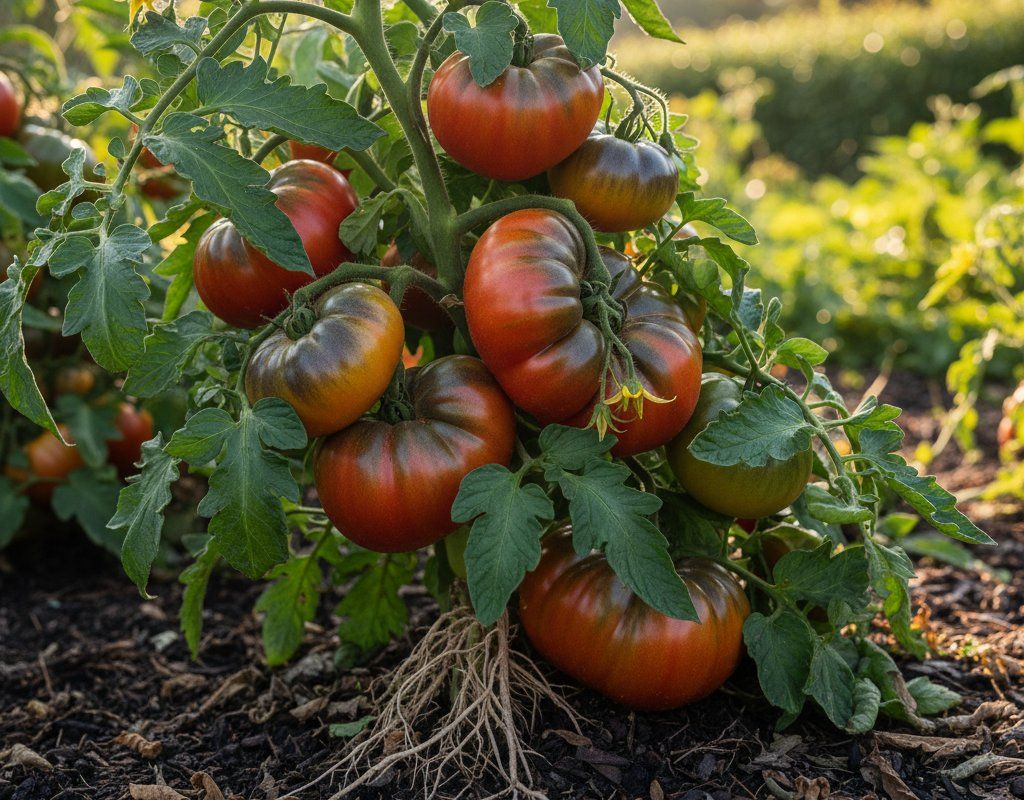
Heirloom Tomatoes in Zone 3B — Midwest
Solanum lycopersicum · Your Complete 2026 Planting Guide
Planning Ahead — Great!
You’re ahead of the season. Here’s when to start.
Mark Your Calendar
How to Plant Heirloom Tomatoes in Zone 3B — Midwest
Here are all your options for getting heirloom tomatoes in the ground, from the easiest method to more advanced approaches.
Start Seeds Indoors
RecommendedMid April through early May
around April 22
Then transplant: Early to mid June
Start seeds 6-8 weeks before transplanting outdoors.
Buy Starts
Works WellEarly to mid June
around June 3
Plant purchased starts after last frost (May 20).
Direct Sow Seeds
ChallengingDirect sowing is not typical for Heirloom Tomatoes.
Transplant Outdoors
Timing InfoEarly to mid June
around June 3
Wait until nighttime temperatures stay above 50°F.
Plan to transplant within a few weeks of your target date.
Overview
Heirloom tomatoes are the crown jewel of any Midwest garden, offering unmatched flavor and character that makes our warm summers truly worthwhile. These varieties have been passed down through generations because they deliver the deep, complex tastes that make you remember why homegrown always beats store-bought — especially when you're working with our fertile Midwest soil and those satisfying summer heat spells that really bring out their best.
Yes, our 118-day growing season means you'll need to start indoors and watch for late frost, but the timing works perfectly if you plan ahead. With our last frost around mid-May and first frost around mid-September, you have just enough window to grow these 80-day beauties to full maturity and enjoy weeks of harvest before fall arrives.
Starting Seeds Indoors
Start your heirloom tomato seeds indoors from mid-April through early May, about 6 weeks before you plan to transplant outdoors. This timing gives your seedlings enough time to develop strong root systems while avoiding the risk of getting caught by our variable spring weather. Use seed trays filled with quality potting mix, and keep them warm — around 70-75°F works best for germination.
Set up grow lights or place trays in your sunniest south-facing window, and bottom water to keep the soil consistently moist without waterlogging the seeds. Bottom watering prevents damping-off disease and encourages strong root development. Our moderate-to-late spring start means you won't be rushing to get seeds started too early, which often leads to leggy, weak transplants.
Once seedlings develop their first true leaves, you can move them to individual pots if you started in flats. Keep them under lights for 14-16 hours daily and maintain steady moisture until it's time to harden them off for transplanting.
Transplanting Outdoors
Plan to transplant your heirloom tomatoes outdoors in early to mid-June, after all danger of frost has passed and soil has warmed consistently. Even though we typically see our last frost around mid-May, waiting until Memorial Day or later gives you a safety buffer against those unexpected cold snaps that can devastate tender tomato plants.
Before transplanting, harden off your seedlings gradually over a week by placing them outdoors for increasing periods daily, starting with just a few hours in filtered sunlight. This process helps them adjust to outdoor conditions including wind, direct sun, and temperature fluctuations that indoor plants haven't experienced.
Space your heirloom tomatoes 36-48 inches apart — they need more room than determinate varieties since most heirlooms are indeterminate and will sprawl significantly throughout our growing season. The wider spacing also improves air circulation, which is crucial for preventing disease in our moderate-to-humid summer conditions.
Watering Heirloom Tomatoes in Zone 3B (Midwest)
Heirloom tomatoes have high water needs and aren't drought tolerant, making consistent moisture absolutely essential for success in our Midwest climate. Aim for about 1-2 inches of water per week, including rainfall — and with our typical 30-40 inches of annual precipitation, you'll often need to supplement rather than provide all the water yourself.
During our summer heat spells when temperatures climb into the upper 80s and beyond, check soil moisture daily using the finger test: stick your finger 2 inches into the soil near the base of the plant, and water deeply if it feels dry at that depth. Our moderate-to-humid conditions mean the soil often looks dry on top while still retaining moisture below, so this test is more reliable than visual assessment.
Water at the base of plants rather than overhead to reduce disease risk in our humid summers. Heirloom varieties are particularly prone to cracking when they experience the dry-wet cycle, so maintaining steady soil moisture is crucial. A 2-3 inch layer of organic mulch around plants helps regulate soil moisture and reduces the need for frequent watering.
Watch for signs of stress: wilting during the heat of the day (even with adequate moisture) is normal, but wilting in the evening or early morning signals insufficient water. Yellowing lower leaves often indicate inconsistent watering rather than nutrient deficiency.
Supporting Your Heirloom Tomatoes
Most heirloom tomatoes are indeterminate varieties that will grow 6-8 feet tall or more throughout our 118-day growing season, requiring strong support from day one. Install heavy-duty tomato cages (at least 6 feet tall) or sturdy stakes (8 feet minimum) at planting time to avoid disturbing established roots later.
Cages work well for most gardeners because they support the plant from multiple angles as it grows, which is especially important for heirloom varieties that often produce irregularly shaped, heavy fruit that can snap branches. If you choose stakes, use soft ties like fabric strips or tomato clips to secure the main stem every 12-18 inches as it grows, allowing room for the stem to expand.
Train your plants weekly throughout the growing season by gently weaving new growth through cage openings or tying to stakes. The vigorous growth during our warm summers means plants can quickly outgrow their support if you skip this regular maintenance.
Pruning & Maintaining Heirloom Tomatoes
Remove suckers (shoots that grow between the main stem and branches) regularly throughout the growing season to maintain good air circulation and direct energy into fruit production. This is especially important for heirloom varieties since they're more susceptible to disease than modern hybrids, and our moderate-to-humid summers can create ideal conditions for fungal problems.
Start pruning lower leaves once fruit begins to set, removing any foliage that touches the ground or appears yellowed or diseased. Continue removing suckers and lower leaves throughout the season, but avoid heavy pruning during extreme heat since the leaves provide important shade for developing fruit.
As first frost approaches in mid-September, you can top the plants (remove the growing tip) about 4 weeks before expected frost to encourage remaining fruit to ripen rather than the plant putting energy into new growth that won't have time to mature.
🧪Fertilizing Heirloom Tomatoes
Feeding Schedule
Organic Fertilizer Options
Harvest Time
Expect your first ripe heirloom tomatoes in late August through mid-September, about 80 days from transplanting. Since heirloom varieties come in many colors — red, yellow, purple, green, striped — learn the mature color for each variety you're growing rather than assuming all should be red when ripe.
Look for slight softness when gently squeezed and easy detachment from the vine with a gentle twist. Many heirlooms will have green shoulders (the area around the stem) even when fully ripe — this is normal and doesn't indicate underripeness. The fruit should give slightly to pressure and have developed its full color except for variety-specific green areas.
Harvest regularly every 2-3 days once production begins to encourage continued flowering and fruit set. Handle fruits gently since heirloom varieties often have thinner skins than hybrids and can bruise easily, especially the larger beefsteak types.
As first frost approaches in mid-September, harvest any green tomatoes larger than golf ball size — they'll continue ripening indoors if placed in a warm (65-70°F) location. You can also pull entire plants and hang them in a garage or basement to ripen remaining fruit gradually over several weeks.
Common Problems in Zone 3B (Midwest)
Fruit Cracking Concentric circles around the stem or radial lines extending from the stem end indicate fruit cracking, which exposes the flesh to rot and insects. This happens when heavy watering or rainfall follows a dry period, causing fruit to absorb water faster than the skin can expand. Our variable Midwest weather patterns — from summer heat spells to sudden downpours — make this especially common. Maintain consistent soil moisture through regular watering and mulching, harvest promptly when ripe, and choose crack-resistant varieties for future seasons.
Disease Susceptibility Yellowing leaves, brown spots, or wilting despite adequate water indicates fungal or bacterial disease, which heirlooms suffer more than hybrids. Our moderate-to-humid summers create ideal conditions for disease development, especially when combined with overhead watering or poor air circulation. Improve airflow through wider spacing and regular pruning of lower leaves, water at soil level rather than on foliage, apply preventative fungicide early in the season, and remove affected plant material immediately.
Lower Yields Fewer tomatoes than expected often reflects the trade-off between flavor and production that characterizes heirloom varieties. Unlike hybrids bred for maximum production, heirlooms prioritize taste and genetic diversity over yield. Our clay soil can also limit production if drainage is poor or nutrients are tied up. Improve soil with compost, ensure adequate spacing for each plant to reach full potential, and remember that quality often compensates for quantity with heirlooms.
Irregular Shapes Bumpy, ridged, or unevenly developed fruit is characteristic of many heirloom varieties and also results from poor pollination during cool weather or stress. Our variable spring temperatures during fruit set can contribute to unusual shapes. Embrace the character — these "ugly" tomatoes often have the most complex flavors and are prized by many gardeners for their unique appearance.
Midwest Specific Challenges: Our moderate-to-hot summers with moderate-to-humid conditions create perfect disease pressure for heirloom tomatoes, making consistent pruning and proper spacing more critical here than in drier climates. The combination of clay soil and wet-summer rainfall can also lead to both drainage issues and rapid disease spread if preventative measures aren't taken early.
Best Companions for Heirloom Tomatoes
Plant these nearby for healthier Heirloom Tomatoes and better harvests.
View Full Companion Planting Chart →



Companion Planting Details
Plant basil near your heirloom tomatoes — it naturally repels aphids and thrips while improving the flavor of nearby tomatoes, and both crops thrive in our warm Midwest summers. Carrots make excellent ground-level companions since their root systems don't compete with tomatoes, and their ferny foliage provides living mulch that helps retain moisture during heat spells. Marigolds planted around the tomato bed deter nematodes and many common garden pests while adding color throughout the growing season.
Avoid planting brassicas like cabbage or broccoli near tomatoes since they're heavy nitrogen feeders that will compete for nutrients in our fertile soil, and they often finish their cool-season growth just as tomatoes are hitting peak production. Keep fennel away from tomatoes as it can inhibit their growth, and avoid corn since both crops attract similar pests and diseases, creating concentrated problem areas in your garden.
🌸Best Flowers to Plant with Heirloom Tomatoes
These flowers protect your Heirloom Tomatoes from pests and attract pollinators for better harvests.
For Pest Control

Get a Reminder When It's Time to Plant
We'll email you when key planting windows open for your zone.