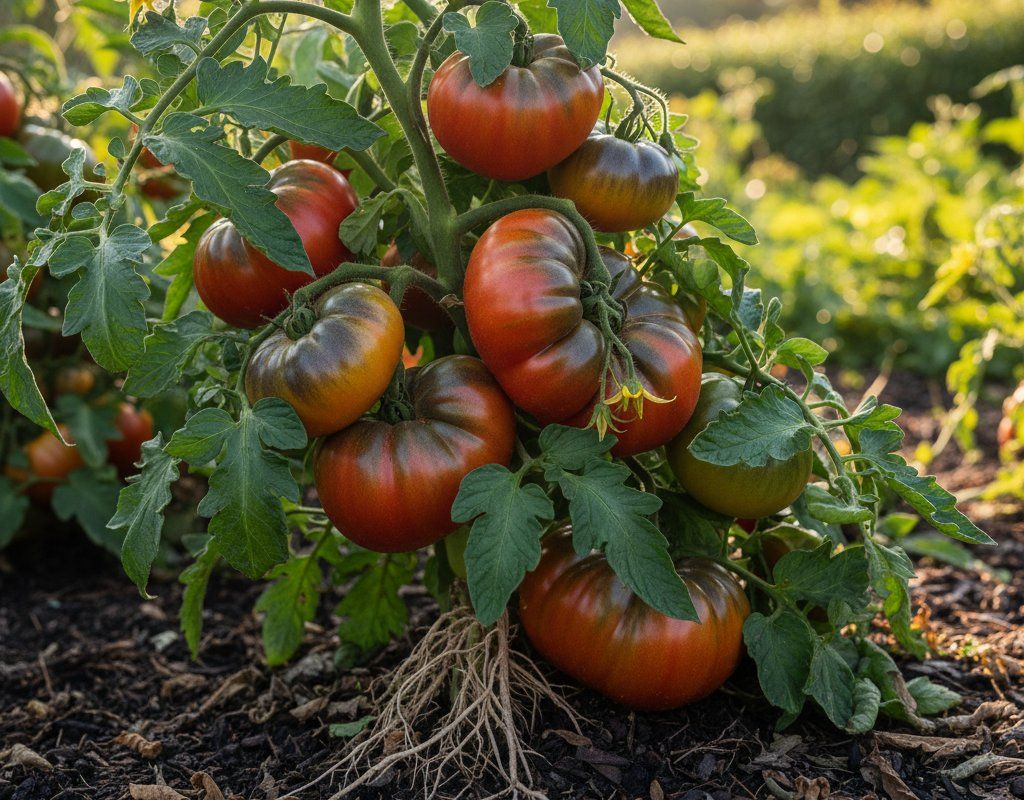
Heirloom Tomatoes in Zone 5A — Midwest
Solanum lycopersicum · Your Complete 2026 Planting Guide
Planning Ahead — Great!
You’re ahead of the season. Here’s when to start.
Mark Your Calendar
How to Plant Heirloom Tomatoes in Zone 5A — Midwest
Here are all your options for getting heirloom tomatoes in the ground, from the easiest method to more advanced approaches.
Start Seeds Indoors
RecommendedLate March through mid April
around April 3
Then transplant: Mid May through mid June
Start seeds 6-8 weeks before transplanting outdoors.
Buy Starts
Works WellMid May through mid June
around May 15
Plant purchased starts after last frost (May 1).
Direct Sow Seeds
ChallengingDirect sowing is not typical for Heirloom Tomatoes.
Transplant Outdoors
Timing InfoMid May through mid June
around May 15
Wait until nighttime temperatures stay above 50°F.
You have a nice window — no need to rush.
Overview
Growing heirloom tomatoes in our Zone 5A Midwest climate brings unmatched flavor and variety to your garden table. These open-pollinated treasures offer complex tastes and unique characteristics you'll never find in store-bought tomatoes, from the smoky sweetness of Cherokee Purples to the perfect balance of Brandywines. Our fertile Midwest soil and adequate summer rainfall create ideal conditions for these heavy feeders, while our 157-day growing season gives most varieties plenty of time to reach full maturity.
Yes, heirlooms require more attention than modern hybrids, and our variable spring weather can make timing tricky. But with proper indoor starting and careful transplanting after our last frost risk passes, you'll enjoy months of harvest from early August through September. The key is working with our climate patterns rather than fighting them.
Starting Seeds Indoors
Start your heirloom tomato seeds indoors from late March through mid-April, about 6 weeks before your planned transplant date. Our moderate-to-late spring start means you have flexibility in this timing window – if you're running behind, early April starts still work well for most varieties.
Set up seed trays with quality potting mix in a warm location (65-70°F soil temperature). Place trays on a heating mat if your house runs cool, and provide 12-14 hours of light daily once seedlings emerge. Water from the bottom by placing trays in shallow pans of water – this prevents damping-off disease that can plague tomato seedlings in our humid spring conditions.
Once seedlings develop their first true leaves, transplant them to larger containers. Keep them in bright light and maintain consistent moisture. Start hardening them off about a week before your planned transplant date, which should fall after Memorial Day when soil has thoroughly warmed.
Transplanting Outdoors
Plan to transplant your heirloom tomatoes from mid-May through mid-June, with Memorial Day weekend serving as your earliest safe date in most years. Our Midwest springs can be deceptively warm early, then surprise you with a late cold snap that will damage or kill tender tomato plants.
Harden off seedlings gradually over 7-10 days by placing them outside for increasing periods daily. Start with 2-3 hours in filtered shade, then gradually increase time and sun exposure. Watch nighttime temperatures carefully – if they're forecast to drop below 50°F, bring plants inside or cover them.
Space heirloom tomatoes 36-48 inches apart to allow for good air circulation. Our moderate-to-humid summer conditions make proper spacing crucial for preventing disease. Choose a sunny, well-draining spot with morning sun exposure to help dry dew quickly. Plant deep, burying 2/3 of the stem to encourage strong root development in our clay-heavy soils.
Watering Heirloom Tomatoes in Zone 5A (Midwest)
Heirloom tomatoes need consistent, deep watering throughout our Midwest growing season, requiring about 1-2 inches per week including rainfall. Our wet summers often provide adequate moisture, but summer heat spells can quickly stress these thirsty plants. Check soil moisture by inserting your finger 2 inches deep – if it's dry at that depth, it's time to water.
Water at the base of plants rather than overhead to minimize disease issues in our moderate-to-humid conditions. Soaker hoses or drip irrigation work exceptionally well here. Apply water slowly and deeply, allowing it to penetrate our clay-heavy soils rather than running off. Early morning watering gives plants time to dry before evening, reducing fungal disease pressure.
Consistent moisture is absolutely critical for heirlooms – they crack much more easily than hybrid varieties when subjected to the wet-dry cycles common during our variable summer weather. Even a brief dry period followed by heavy rain or watering can split nearly ripe fruit. Mulch around plants with 2-3 inches of organic material to maintain even soil moisture and reduce watering frequency.
Watch for signs of water stress: wilting during hot afternoons (normal), persistent wilting in morning hours (needs water), or yellowing lower leaves (often overwatering in our clay soils). Cracked or split tomatoes indicate inconsistent watering, while blossom end rot suggests both watering issues and calcium uptake problems common in heavy clay.
Supporting Your Heirloom Tomatoes
Install sturdy support systems at planting time since most heirloom varieties are indeterminate and will grow 6-8 feet tall in our fertile Midwest soil. Heavy-duty tomato cages (at least 6 feet tall) or wooden stakes work best – avoid flimsy wire cages that collapse under the weight of mature heirloom plants loaded with large, dense fruit.
For staking, use 8-foot wooden or metal posts driven 18-24 inches deep into the ground. Tie plants loosely with soft ties every 12-18 inches as they grow, allowing room for stem expansion. Many heirloom varieties produce irregularly shaped, heavy tomatoes that can snap branches without proper support.
Train indeterminate varieties by gently weaving the main stem around or tying it to your support structure. Remove the lowest branches that touch the ground to prevent soil-borne diseases from splashing onto foliage during our frequent summer rains. As plants reach 4-5 feet, you can begin removing some interior growth to improve air circulation.
Pruning & Maintaining Heirloom Tomatoes
Remove suckers (shoots growing between the main stem and branches) when they're small and tender, about 2-3 inches long. In our humid Midwest summers, good air circulation prevents many disease problems that plague heirloom varieties. Focus on removing suckers from the bottom third of the plant and any that grow in dense areas.
Prune lower leaves that touch the soil or become yellowed throughout the growing season. Our frequent summer rains can splash soil-borne pathogens onto low foliage, so maintaining 6-8 inches of clearance between soil and the lowest leaves helps significantly. Remove any diseased or damaged foliage immediately to prevent spread.
As first frost approaches in early October, you can top the plants (remove the growing tip) in late August to encourage existing fruit to ripen rather than the plant putting energy into new growth. Remove any new flower clusters that form after mid-August since they won't have time to develop mature fruit before frost ends the season.
🧪Fertilizing Heirloom Tomatoes
Feeding Schedule
Organic Fertilizer Options
Harvest Time
Expect your first harvest from early August through late September, depending on variety and when you transplanted. Most heirloom varieties take 80-90 days from transplant to first ripe fruit, which aligns perfectly with our 157-day growing season. Early varieties like Stupice may ripen by mid-July, while large beefsteak types need until late August.
Harvest indicators vary by variety since heirlooms come in colors ranging from deep purple to green-when-ripe. Look for slight softness when gently squeezed and easy separation from the vine with a gentle twist. Many heirlooms retain green shoulders even when fully ripe – this is normal, not underripeness. The fruit should give slightly to pressure and have developed its characteristic color.
Pick tomatoes in the morning when they're cool and firm. Harvest regularly to encourage continued production, checking plants every 2-3 days during peak season. Heirlooms often ripen unevenly, so some portions may be ready while others need more time – these are still usable and often have the best flavor.
As early October frost threatens, harvest all mature green tomatoes and bring them indoors to ripen. Wrap individual fruits in newspaper or place them in cardboard boxes with a ripe apple to speed the process. Many heirloom varieties ripen beautifully indoors, extending your harvest well into fall even after plants are killed by frost.
Common Problems in Zone 5A (Midwest)
Cracking and Splitting Concentric circles around the stem end or radial cracks running from top to bottom indicate inconsistent watering – the most common problem with heirlooms in our climate. After a dry period, heavy rain or watering causes the fruit to absorb water faster than the skin can expand. Our variable summer weather patterns make this especially challenging, as plants experience stress during heat spells followed by heavy thunderstorms. Maintain consistent soil moisture with mulching and regular watering schedules. Consider crack-resistant varieties like Mountain Fresh Plus or Iron Lady if this becomes a persistent problem.
Disease Susceptibility Heirloom varieties lack the disease resistance bred into modern hybrids, making them prone to early blight, late blight, and bacterial diseases in our moderate-to-humid summers. You'll notice brown spots on leaves, yellowing foliage, or black streaks on stems. Our frequent summer rains and warm nights create perfect conditions for fungal diseases. Space plants wider (48 inches), prune for air circulation, and apply preventative copper fungicide every 2-3 weeks. Rotate tomato family crops to different garden areas each year, and choose naturally resistant varieties like Mountain Princess or Defiant for problem spots.
Lower Yields Heirloom varieties typically produce fewer tomatoes per plant than modern hybrids, and irregular fruit shapes mean more waste from splitting or pest damage. Many heirlooms also have longer maturity times, reducing total harvest in our 157-day season. This is the trade-off for superior flavor and variety. Focus on fewer plants of exceptional varieties rather than trying to match hybrid production numbers. Choose determinate heirlooms like San Marzano for concentrated harvests, or early varieties like Moskvich that produce reliably in shorter seasons.
Irregular Shapes Ridged, bumpy, or lopsided tomatoes are characteristic of many heirloom varieties but can also result from poor pollination during cool spring weather or inconsistent growing conditions. While these "ugly" tomatoes often have the best flavor, they're harder to slice evenly and more prone to cracking. Cool nights below 55°F during bloom time in late spring can cause catfacing and irregular development. Embrace the character – irregular heirlooms taste superior to perfect hybrids. If appearance matters for canning or selling, choose paste types like San Marzano or smooth varieties like Mortgage Lifter.
Midwest Specific Challenges: Our moderate-to-humid summers with frequent thunderstorms create ideal conditions for fungal diseases while our clay soils can lead to inconsistent moisture that causes cracking. The variable spring weather can stress young plants, leading to poor fruit set and irregular shapes. However, our adequate rainfall and fertile soil provide excellent growing conditions once plants are established and properly supported.
Best Companions for Heirloom Tomatoes
Plant these nearby for healthier Heirloom Tomatoes and better harvests.
View Full Companion Planting Chart →



Companion Planting Details
Plant basil near your heirloom tomatoes for both practical and flavorful benefits – it may help repel hornworms and other pests while providing fresh herbs for your tomato dishes. Carrots make excellent companions since their deep taproots help break up our clay soil while their fine foliage doesn't compete for space. Parsley attracts beneficial insects that prey on tomato pests, and marigolds planted throughout the garden may help deter nematodes and other soil-dwelling problems.
Avoid planting brassicas (cabbage, broccoli, cauliflower) near tomatoes since they can inhibit tomato growth and attract different pest complexes that may spread between crops. Keep fennel away from all vegetables as it releases compounds that can stunt growth. Corn creates too much shade for tomatoes and both crops are heavy feeders that will compete for nutrients in the soil – better to separate them by at least 20 feet in our fertile but finite garden spaces.
🌸Best Flowers to Plant with Heirloom Tomatoes
These flowers protect your Heirloom Tomatoes from pests and attract pollinators for better harvests.
For Pest Control

Get a Reminder When It's Time to Plant
We'll email you when key planting windows open for your zone.