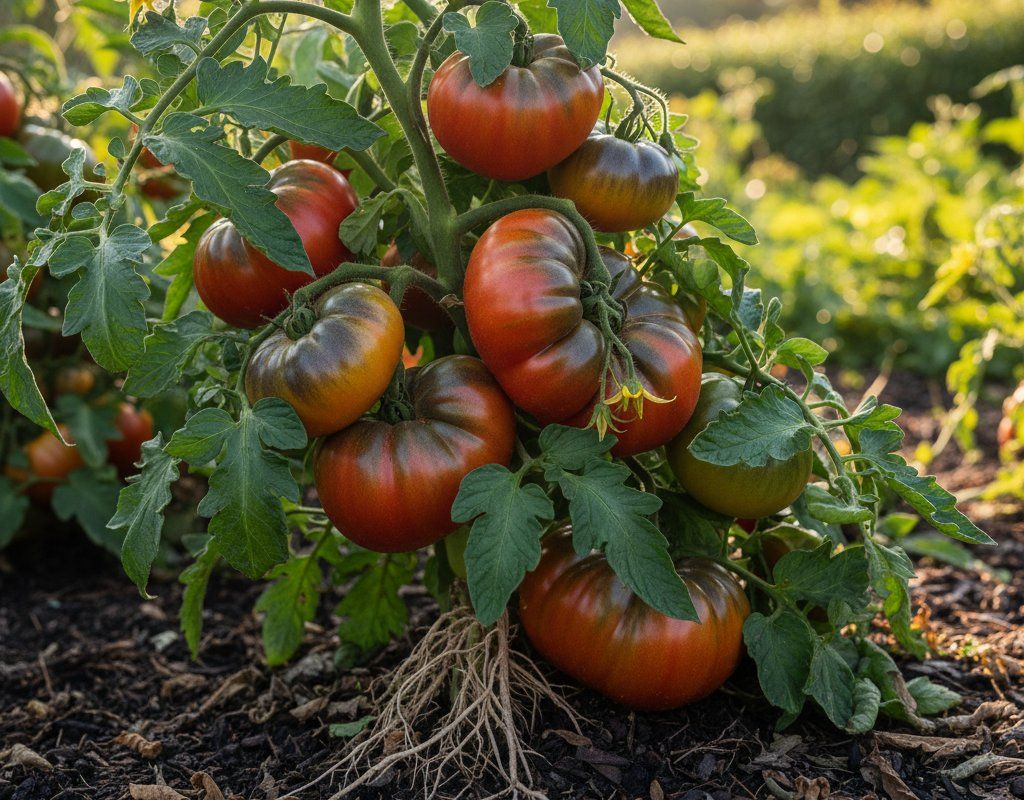
Heirloom Tomatoes in Zone 5A — Northeast
Solanum lycopersicum · Your Complete 2026 Planting Guide
Planning Ahead — Great!
You’re ahead of the season. Here’s when to start.
Mark Your Calendar
How to Plant Heirloom Tomatoes in Zone 5A — Northeast
Here are all your options for getting heirloom tomatoes in the ground, from the easiest method to more advanced approaches.
Start Seeds Indoors
RecommendedLate March through mid April
around April 3
Then transplant: Mid May through mid June
Start seeds 6-8 weeks before transplanting outdoors.
Buy Starts
Works WellMid May through mid June
around May 15
Plant purchased starts after last frost (May 1).
Direct Sow Seeds
ChallengingDirect sowing is not typical for Heirloom Tomatoes.
Transplant Outdoors
Timing InfoMid May through mid June
around May 15
Wait until nighttime temperatures stay above 50°F.
You have a nice window — no need to rush.
Overview
Growing heirloom tomatoes in Zone 5A gives you access to incredible flavors and varieties that simply don't exist in stores—Cherokee Purples with their deep, complex taste, or Brandywines that actually taste like summer should. Our cool Northeast nights help concentrate these flavors, making homegrown heirlooms even more rewarding than in hotter climates. The moderate summer temperatures here (typically peaking around 82°F) let these varieties develop their full character without the stress that extreme heat can cause.
Yes, our short 153-day growing season and late spring frosts mean you can't just toss seeds in the ground whenever you feel like it. But with proper indoor starting in late March through mid-April, you'll have strong transplants ready for our mid-May planting window. The key is working with our Northeast timing rather than fighting it—once you nail the schedule, these plants will reward you with harvests from early August right up until that first October frost threatens.
Starting Seeds Indoors
Start your heirloom tomato seeds indoors during late March through mid-April, about 6 weeks before you plan to transplant them outside. This timing works perfectly with our late Northeast springs—you'll have sturdy seedlings ready just as the soil warms up in mid-May. Use seed starting trays filled with quality seed starting mix, and keep them consistently warm (around 70-75°F) for the best germination.
Once seedlings emerge, they'll need strong light—either a sunny south window or grow lights positioned 2-3 inches above the plants. Water from the bottom by setting trays in shallow dishes of water rather than watering from above; this prevents damping-off disease and encourages strong root development. The moderate humidity we get here in the Northeast actually helps with germination, so you won't need to worry about covering trays with plastic like gardeners in drier climates.
As seedlings develop their first true leaves, transplant them into individual 4-inch pots. This gives their roots room to develop during those final weeks indoors while our unpredictable spring weather settles down outside.
Transplanting Outdoors
Wait until mid-May through mid-June to transplant your heirloom tomatoes outdoors—patience pays off in our zone where late frosts can surprise you well into May. The soil should be consistently warm (at least 60°F) and all danger of frost should be past. Our rocky New England soil warms up slowly, so don't rush this step even if you're eager to get started.
Harden off your seedlings for a full week before transplanting by gradually exposing them to outdoor conditions. Start with just an hour outside on the first day, increasing the time and exposure to direct sun each day. This process is especially important here because our spring weather can swing from warm and pleasant to suddenly cool and windy.
Space plants 36-48 inches apart to ensure good air circulation—this wider spacing is crucial for heirlooms since they're more susceptible to disease than modern hybrids. Our moderate-to-humid summer conditions mean air circulation becomes even more important for preventing fungal issues that love our climate.
Watering Heirloom Tomatoes in Zone 5A (Northeast)
Heirloom tomatoes need consistent, deep watering throughout the season—about 1-2 inches per week including rainfall. Here in the Northeast, our even rainfall pattern (40-50 inches annually) means you won't be constantly battling drought like gardeners in drier regions, but you still need to monitor closely during dry spells. Check soil moisture by sticking your finger 2 inches deep near the base of the plant; if it's dry at that level, it's time to water.
Water deeply at the base of plants rather than overhead, especially given our moderate-to-humid summer conditions. Overhead watering in humid air encourages the fungal diseases that heirlooms are already prone to. Apply water slowly so it soaks down to the roots rather than running off—this is particularly important in our often rocky soil that can shed water if you pour it on too quickly.
Watch for signs of inconsistent watering: leaf curl usually means drought stress, while yellowing lower leaves often indicates too much water. Heirloom varieties are notorious for cracking when they get a heavy drink after being too dry, so maintaining steady moisture is more critical than with hybrid varieties. A 2-3 inch layer of mulch helps tremendously with moisture retention in our variable summer weather.
Our moderate summer temperatures (typically peaking around 82°F) mean plants won't stress from heat as much as in hotter climates, but they'll still need that consistent inch per week. During our humid spells, check that mulch isn't staying too wet against stems, which can encourage disease in our climate.
Supporting Your Heirloom Tomatoes
Install strong support systems at planting time since most heirloom varieties are indeterminate and will grow 6-8 feet tall or more. Heavy-duty tomato cages (at least 6 feet tall) or sturdy stakes with soft ties work best—these plants will be carrying irregularly shaped, often heavy fruit that can snap unsupported branches. The strong support is especially important here where summer storms can bring sudden winds that topple inadequately supported plants.
As plants grow, gently tie main stems to stakes every 12-18 inches using soft materials like cloth strips or plant ties. For caged plants, help guide the main stems up through the center and weave side branches through the cage openings. Start this training early while stems are flexible rather than waiting until they're woody and set in their ways.
Check and adjust ties regularly throughout the growing season—stems thicken as they mature and ties that seemed loose in June can become restrictive by August. The goal is support without strangulation, especially as these vigorous heirloom varieties put on rapid growth during our brief but productive summer season.
Pruning & Maintaining Heirloom Tomatoes
Remove suckers (shoots growing between main stems and branches) throughout the growing season to improve air circulation and focus the plant's energy on fruit production. This is especially important for heirlooms since they're more disease-susceptible than hybrids, and our moderate-to-humid Northeast conditions can encourage fungal problems. Pinch small suckers with your fingers, or use clean pruners for larger ones.
Remove lower leaves that touch the ground or show any signs of disease, and continue removing them as the plant grows taller. This creates better airflow from the bottom up and prevents soil-borne diseases from splashing onto foliage during our frequent summer rains. However, don't get too aggressive with pruning—heirlooms need plenty of leaves to fuel their large fruit production.
As first frost approaches in early October, you can top the plants (remove growing tips) to redirect energy into ripening existing fruit rather than setting new tomatoes that won't have time to mature. About 4-6 weeks before expected frost, stop all pruning except for diseased material so plants can use every healthy leaf to ripen their final harvest.
🧪Fertilizing Heirloom Tomatoes
Feeding Schedule
Organic Fertilizer Options
Harvest Time
Your first heirloom tomatoes will be ready from early August through late September, depending on variety and exactly when you transplanted. Unlike uniform hybrid varieties, heirloom tomatoes ripen in their own time and with their own unique color patterns—some stay green-shouldered even when perfectly ripe, while others blush pink or develop deep purple shoulders.
Judge ripeness by gentle pressure rather than color alone; ripe tomatoes will give slightly when pressed and detach easily from the vine with a gentle twist. Many heirlooms develop their best flavor when picked at the "breaker" stage (just starting to change color) and allowed to finish ripening indoors. This is especially useful as fall approaches and night temperatures start dropping into the 40s.
Harvest regularly to keep plants producing—daily picking during peak season in August encourages continued fruit set. Handle these delicate varieties gently since their thin skins bruise more easily than hybrid tomatoes. Cut rather than pull when stems seem reluctant to release, and always harvest with the green calyx (star-shaped top) attached.
As early October frost threatens, harvest all remaining fruit regardless of size or ripeness. Green tomatoes can ripen indoors in a cool, dark place over several weeks, while mature green tomatoes often develop good flavor even if they never turn fully red. Wrap large green tomatoes individually in newspaper and check weekly—you'll be amazed how many ripen successfully after the vines are long gone.
Common Problems in Zone 5A (Northeast)
Cracking Split tomato skin in either concentric circles around the stem or radial lines from stem to bottom, often exposing the flesh underneath. Here in the Northeast, this typically happens after heavy rain following a dry period, or when you water heavily after letting plants get too dry. Our variable summer weather patterns—dry spells followed by soaking rains—create perfect conditions for this problem.
Maintain consistent soil moisture through mulching and regular watering schedules. Check soil moisture frequently during dry spells and water before plants show stress. Consider varieties like 'Mountain Fresh Plus' or 'Iron Lady' that have better crack resistance while still offering good flavor.
Disease Susceptibility Yellowing leaves, brown spots, or wilting that spreads through the plant, often starting from the bottom up. Heirloom varieties lack the disease resistance bred into modern hybrids, making them more vulnerable to the fungal diseases that thrive in our moderate-to-humid summer conditions. Late blight and early blight are particularly problematic here.
Improve air circulation through proper spacing (36-48 inches apart) and regular sucker removal. Water at soil level rather than overhead, and apply preventive organic fungicides during humid periods. Remove affected leaves immediately and dispose of them away from the garden—never compost diseased plant material.
Lower Yields Fewer tomatoes per plant compared to hybrid varieties, with fruit production often concentrated in shorter windows rather than spread throughout the season. This is partly genetic—heirlooms weren't bred for maximum production like hybrids—but our short 153-day growing season can also limit total harvest potential.
Focus on varieties selected for shorter seasons and maximize your growing window with proper indoor starting timing. Accept that you're trading some quantity for exceptional flavor and unique varieties. Consistent care through proper watering, feeding, and disease prevention will help plants reach their genetic potential.
Irregular Shapes Tomatoes with unusual shapes, deep ridges, dimples, or uneven development that look nothing like store-bought tomatoes. While this is partly characteristic of many heirloom varieties, poor pollination during cool weather (common in our spring and fall) or plant stress can exaggerate these traits.
Embrace the character—these "ugly" tomatoes often have the most complex flavors. If appearance matters for specific uses, choose more uniform heirloom varieties like 'Stupice' or 'Black Cherry'. Remember that cool night temperatures, which we get plenty of here, actually improve flavor development even if they create odd shapes.
Northeast Specific Challenges Our moderate summer heat and moderate-to-humid conditions create an environment where diseases develop slowly but persistently, rather than the explosive disease pressure of hotter, more humid regions. This means consistent prevention through spacing, pruning, and air circulation becomes more important than emergency treatments. The even rainfall pattern helps with consistent moisture but can also mean extended periods of leaf wetness that favor fungal diseases.
Best Companions for Heirloom Tomatoes
Plant these nearby for healthier Heirloom Tomatoes and better harvests.
View Full Companion Planting Chart →



Companion Planting Details
Plant basil near your heirloom tomatoes—it repels aphids and spider mites while potentially improving tomato flavor, plus you'll have both ingredients for fresh caprese right in the same garden bed. Carrots make excellent companions since their deep taproot doesn't compete with tomatoes' fibrous root system, and they help break up our often compacted, rocky Northeast soil. Parsley planted around the base helps retain soil moisture and attracts beneficial insects that prey on tomato pests.
Avoid planting brassicas (cabbage, broccoli, cauliflower) near tomatoes since they're heavy nitrogen feeders that will compete for nutrients, and both crops are susceptible to similar soil-borne diseases. Keep fennel far away—it inhibits tomato growth through root secretions. Corn isn't a good neighbor either since both crops attract similar pests and the corn's height can create too much shade for your sun-loving tomatoes in our already challenging short growing season.
🌸Best Flowers to Plant with Heirloom Tomatoes
These flowers protect your Heirloom Tomatoes from pests and attract pollinators for better harvests.
For Pest Control

Get a Reminder When It's Time to Plant
We'll email you when key planting windows open for your zone.