
Parsley in Zone 5A — Northeast
Petroselinum crispum · Your Complete 2026 Planting Guide
Last Call for Seed Starting!
Indoor seed starting window closes in 2 days.
Start Seeds This Week
Start seeds now for transplanting later.
Or Wait for Starts
If you don’t want to start seeds, starts will be available around April 17.
How to Plant Parsley in Zone 5A — Northeast
Here are all your options for getting parsley in the ground, from the easiest method to more advanced approaches.
Direct Sow Seeds
RecommendedMid April through early July
around April 17
Consider succession planting every 2-3 weeks for continuous harvest.
Parsley is slow to germinate (2-4 weeks). Soaking seeds helps.
Start Seeds Indoors
RecommendedMid February through early March
around February 20
Then transplant: Mid April through mid May
Start seeds 8-10 weeks before transplanting outdoors.
Start indoors 8-10 weeks early due to slow germination.
Buy Starts
Works WellMid April through mid May
around April 17
Plant purchased starts after last frost (May 1).
Transplant Outdoors
Timing InfoMid April through mid May
around April 17
Can tolerate light frost, but wait for soil to be workable.
You have a nice window — no need to rush.
Fall Planting
Mid July through mid August
July 30 ideal · Direct sow for fall harvest
Plant a second crop in mid-summer for fall harvest. Parsley actually prefers the cooling temperatures of fall.
Overview
Parsley thrives in our Northeast climate, offering fresh, vibrant flavor that puts the store-bought stuff to shame. Our cool nights and moderate summers create perfect conditions for this biennial herb, producing tender leaves with concentrated flavor that holds up beautifully through our growing season. You'll find both flat-leaf and curly varieties do exceptionally well here, providing steady harvests from late June straight through to our first frost.
With our 153-day growing season and the potential for late spring surprises, timing becomes your best friend when growing parsley. The good news is that parsley is quite forgiving once established, and its frost tolerance means you can push the season at both ends. Whether you start indoors or direct sow, you'll have plenty of flexibility to work around our Northeast spring's unpredictable nature.
Starting Seeds Indoors
Starting parsley indoors makes sense if you want an earlier harvest or prefer more control over germination. Plan to start seeds from mid-February through early March, about 8 weeks before your last frost. Parsley seeds are notoriously slow to germinate—often taking 3-4 weeks—so indoor starting gives you a jump on our short growing season.
Set up seed trays with good-quality potting mix and keep them warm (70-75°F) for best germination. A heat mat helps, especially during our cold February and March days. Once seeds sprout, they need good light—a south-facing window works, but grow lights are more reliable during our often-cloudy late winter.
Bottom watering works particularly well for parsley seedlings since they're prone to damping off. Keep the soil consistently moist but not soggy during that long germination period. With our late spring character, indoor starting gives you sturdy transplants ready to go out once the soil workable in mid-April.
Transplanting Outdoors
Your parsley seedlings are ready to transplant outdoors from mid-April through mid-May, once the soil has warmed and our threat of hard frost has passed. Before moving them outside permanently, harden them off over a week by gradually increasing their outdoor exposure time—start with a few hours and work up to full days.
Space transplants 6-10 inches apart in well-draining soil. Parsley appreciates our rocky New England soil as long as you've worked in some compost to improve drainage. The plants form neat rosettes that won't spread aggressively, so you can plant them closer to the 6-inch mark if you're looking to maximize space.
Watch the weather carefully during transplant time—our Northeast springs can throw you curveballs with unexpected cold snaps. Have row covers or old bedsheets ready to protect young transplants if temperatures threaten to drop below 25°F. Once established, parsley handles light frosts just fine and will keep producing well into fall.
Direct Sowing
Direct sowing parsley works well in our Northeast climate, especially for a continuous harvest approach. You can sow seeds from mid-April through early July, giving you multiple plantings for steady production. The key is being patient—parsley seeds can take 2-4 weeks to germinate, which feels like forever when you're eager to get growing.
Soak seeds overnight before planting to speed up that slow germination process. Sow them about ¼ inch deep in well-prepared soil, spacing them 6-10 inches apart. Our moderate spring temperatures are actually perfect for parsley germination, though you'll want to wait until soil temperatures reach at least 50°F consistently.
Keep the seeded area consistently moist during that long germination period—this is crucial with our sometimes dry spring weather. A light mulch helps retain moisture without interfering with tiny seedlings. Direct sowing in early summer (June-July) often gives you faster germination since the soil is warm and the weather more predictable.
Watering Parsley in Zone 5A (Northeast)
Parsley needs consistent, moderate watering throughout our Northeast growing season. Plan on about 1 inch of water per week, including rainfall—which works well here since we typically receive 40-50 inches annually with fairly even distribution. Our moderate summer heat (usually peaking around 82°F) means parsley won't stress from extreme temperatures, but consistent moisture keeps leaves tender and flavorful.
Use the finger test to check soil moisture: stick your finger 2 inches into the soil near the base of the plant. If it's dry at that depth, it's time to water. During our humid summer stretches, water at the base of plants rather than overhead to prevent fungal issues. A soaker hose or drip irrigation works perfectly for this.
Our cool nights help reduce water stress, but don't let that fool you into underwatering. Parsley's moderate water needs mean the soil should feel like a wrung-out sponge—moist but not soggy. Signs of underwatering include wilting during the heat of the day and leaves losing their bright green color. Overwatering shows up as yellowing leaves and potentially crown rot in our sometimes-heavy clay soils.
A 2-3 inch layer of organic mulch around plants helps maintain consistent soil moisture and keeps roots cool during our moderately warm summers. This is especially helpful during dry spells, though be careful not to mulch too close to the stem to avoid moisture-related problems in our humid climate.
🧪Fertilizing Parsley
Feeding Schedule
Organic Fertilizer Options
Harvest Time
Your first parsley harvest typically comes in late June through early July, about 70 days from seed. Look for stems with at least 3 segments of leaves—this indicates the plant is mature enough to handle regular cutting. Always harvest the outer stems first, cutting cleanly at the base of the stem rather than pinching or tearing.
The beauty of parsley is continuous harvest throughout our growing season. Cut what you need regularly, and the plant keeps producing new growth from the center. Take no more than one-third of the plant at any single harvest to keep it productive. Fresh morning harvests, when leaves are full of moisture, give you the best flavor and longest storage life.
As we approach our first frost in early October, parsley's cold tolerance shines. Light frosts actually improve the flavor, making leaves sweeter and more concentrated. You can continue harvesting well into fall—just brush off any snow and cut what you need. For the final harvest before hard freezes, cut entire plants and preserve by drying, freezing, or making herb butter.
Since parsley is biennial, first-year plants focus on leaf production, which is exactly what you want. In year two, plants bolt to flower and seed, making leaves bitter. In our climate, most gardeners treat parsley as an annual and replant each spring for the best leaf production.
Common Problems in Zone 5A (Northeast)
Slow Germination Parsley seeds sitting in soil for 3-4 weeks without sprouting is completely normal but nerve-wracking for new gardeners. The seeds have a hard coat that takes time to break down, especially in cooler spring soil temperatures common in the Northeast.
Soaking seeds overnight before planting helps speed things up. Keep soil consistently moist during the long wait—this is often where Northeast gardeners struggle since our spring weather can be unpredictable. Cover seeded areas with light mulch or row cover to maintain moisture and warmth.
Carrot Rust Fly Small dark flies hovering around your parsley plants signal trouble—their larvae tunnel into roots and crowns, causing wilting despite adequate water. You'll see rusty brown tunnels in the root area and plants that look stressed for no apparent reason.
These flies are most active during our cool, moist spring weather, making timing crucial. Row covers provide the best protection, especially for young plants. Interplanting with onions confuses the flies with scent, and delaying spring planting by a few weeks can help you miss the first generation of flies.
Crown Rot Soft, mushy decay at the base of the plant, often with yellowing leaves, indicates crown rot. This fungal problem thrives in our humid summers, especially when combined with heavy clay soils that don't drain well.
Improve soil drainage before planting by working in compost or sand to our often-heavy Northeast soils. Water at the base of plants rather than overhead, and ensure good air circulation. In our moderate-to-humid climate, proper spacing and morning watering (so plants dry quickly) help prevent this issue.
Northeast Specific Challenges Our moderate summers and even rainfall actually favor parsley, but our rocky soils and short growing season require some adjustments. Rocky New England soil needs amendment for good drainage, and our 153-day season means making every week count. Deer pressure is significant here—consider fencing or companion planting with strong-scented herbs they avoid.
Best Companions for Parsley
Plant these nearby for healthier Parsley and better harvests.
View Full Companion Planting Chart →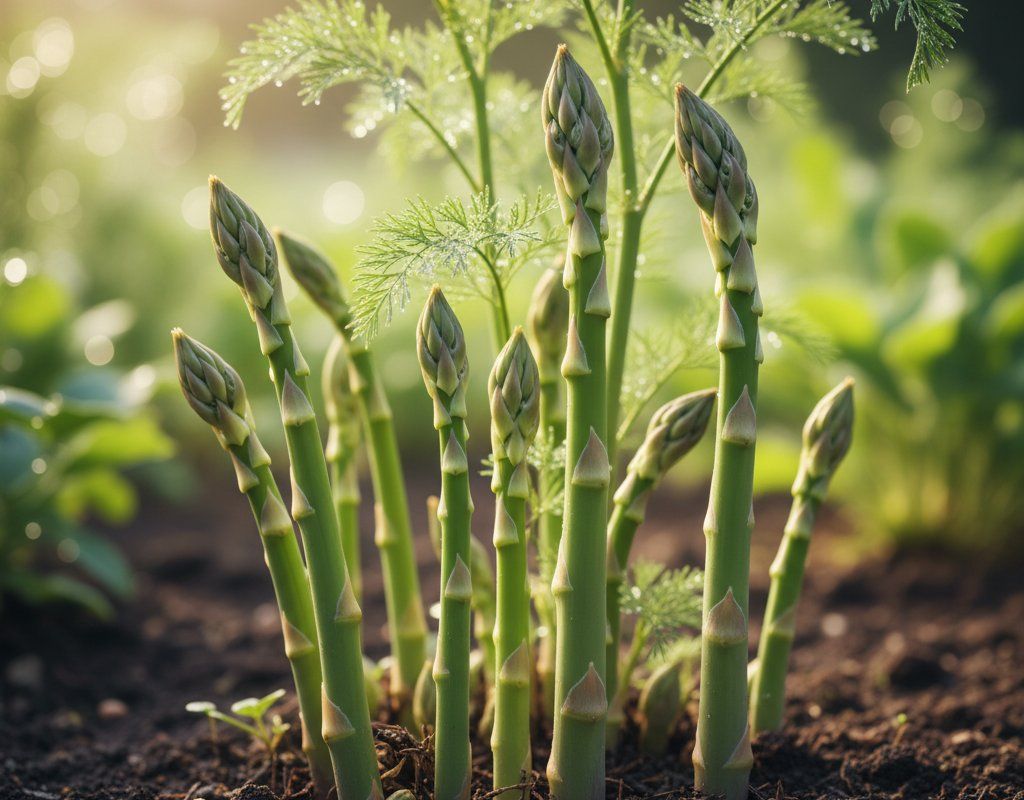



Companion Planting Details
Parsley makes an excellent companion for tomatoes, asparagus, and corn in Northeast gardens. Plant parsley around tomatoes to help repel aphids and add a living mulch that conserves moisture during our sometimes dry summer stretches. Near asparagus beds, parsley's deep taproot helps break up compacted soil while providing a useful harvest from space that would otherwise go unused.
Avoid planting parsley near lettuce, as both compete for similar nutrients and water, and the parsley's deeper root system often wins. Mint should be kept far away—not only does it compete aggressively, but mint can spread rapidly in our moist climate and overwhelm slower-growing parsley plants. Roses benefit from parsley's ability to attract beneficial insects that help control aphids and other rose pests common in our region.
🌸Best Flowers to Plant with Parsley
These flowers protect your Parsley from pests and attract pollinators for better harvests.
For Pest Control




Get a Reminder When It's Time to Plant
We'll email you when key planting windows open for your zone.