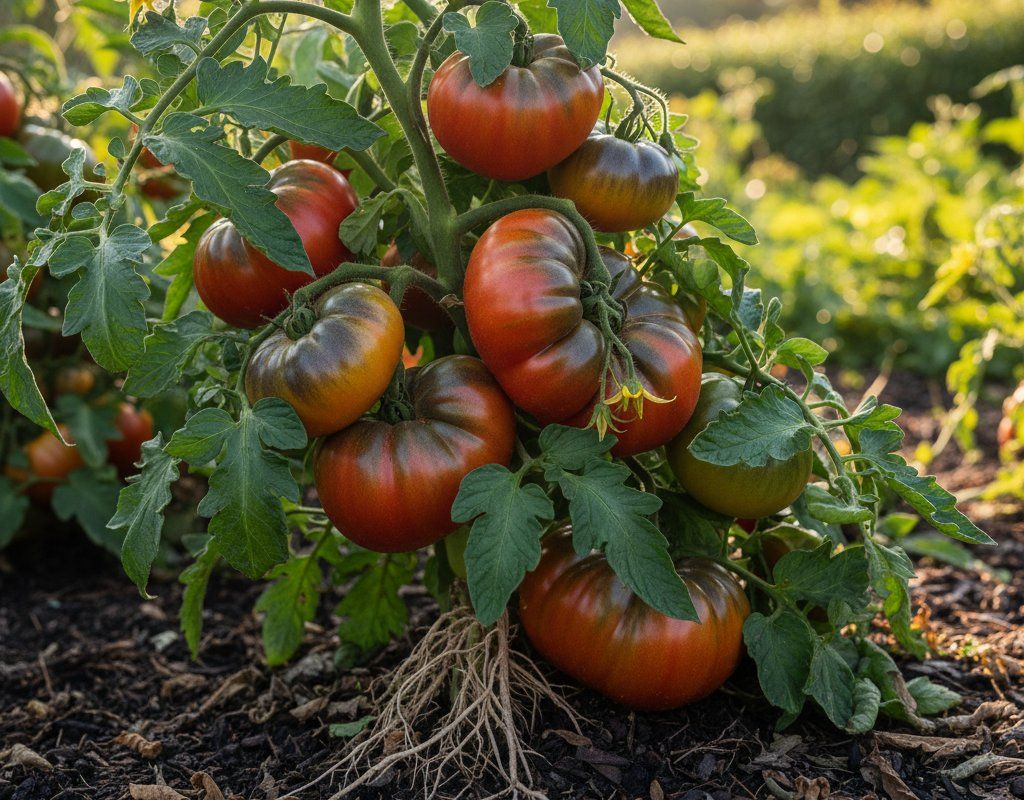
Heirloom Tomatoes in Zone 5B — Mid-Atlantic
Solanum lycopersicum · Your Complete 2026 Planting Guide
Planning Ahead — Great!
You’re ahead of the season. Here’s when to start.
Mark Your Calendar
How to Plant Heirloom Tomatoes in Zone 5B — Mid-Atlantic
Here are all your options for getting heirloom tomatoes in the ground, from the easiest method to more advanced approaches.
Start Seeds Indoors
RecommendedMid March through early April
around March 23
Then transplant: Early May through early June
Start seeds 6-8 weeks before transplanting outdoors.
Buy Starts
Works WellEarly May through early June
around May 4
Plant purchased starts after last frost (April 20).
Direct Sow Seeds
ChallengingDirect sowing is not typical for Heirloom Tomatoes.
Transplant Outdoors
Timing InfoEarly May through early June
around May 4
Wait until nighttime temperatures stay above 50°F.
You have a nice window — no need to rush.
Overview
Heirloom tomatoes are worth their weight in gold here in the Mid-Atlantic, where our four seasons create the perfect conditions for these flavor powerhouses. Our reliable rainfall and humid summers provide the consistent moisture these varieties crave, while our 178-day growing season gives you plenty of time to enjoy multiple harvests from your indeterminate plants. Nothing beats the complex flavors of a sun-warmed Cherokee Purple or Brandywine that you simply can't get from store-bought varieties.
Yes, our humid conditions and variable spring weather can challenge these tender plants, but proper timing makes all the difference. Starting seeds indoors during our moderate spring weather and transplanting after our mid-April last frost gives you the best shot at success with these beloved varieties.
Starting Seeds Indoors
Start your heirloom tomato seeds indoors from mid-March through early April, about 6 weeks before you plan to transplant. This timing works perfectly with our moderate spring conditions here in the Mid-Atlantic. Set up seed trays in a warm spot (65-70°F) with good light—a sunny south window or grow lights about 6 inches above the seedlings.
Bottom watering works best for tomato seedlings since it prevents damping-off disease that thrives in our humid conditions. Place your seed trays in shallow water and let the soil absorb moisture from below. Once seedlings develop their second set of true leaves, you can transplant them to individual 4-inch pots.
Keep your seedlings warm and well-lit indoors while our spring weather does its usual dance between warm spells and cool snaps. Your plants will be ready for the garden when nighttime temperatures stay consistently above 50°F.
Transplanting Outdoors
Transplant your heirloom tomatoes outdoors from early May through early June, once nighttime temperatures stay consistently above 50°F and soil has warmed. Our variable spring weather means you'll want to watch forecasts carefully—a late cold snap can set plants back significantly. Space plants 36-48 inches apart to ensure good air circulation in our humid summers.
Harden off your seedlings gradually over a week before transplanting. Start with 2-3 hours outdoors in filtered light, gradually increasing exposure to full sun and wind. This process helps plants adjust to outdoor conditions and prevents transplant shock.
Plant on a calm, overcast day if possible, and water thoroughly after transplanting. Installing support systems at planting time saves disturbing roots later when these vigorous indeterminate varieties really take off.
Watering Heirloom Tomatoes in Zone 5B (Mid-Atlantic)
Heirloom tomatoes need consistent, deep watering throughout our growing season, especially once fruit begins forming. These varieties are particularly prone to cracking when watering is inconsistent, so maintaining steady soil moisture is crucial. Check soil moisture by inserting your finger 2 inches deep—water when it feels dry at that depth.
Provide about 1-2 inches of water per week, either from rainfall or irrigation. Our typical 40-50 inches of annual rainfall helps, but summer dry spells still require supplemental watering. Water at the base of plants rather than overhead to prevent disease issues that thrive in our humid conditions.
During our moderate-to-hot summers (with typical highs around 88°F), plants may need water every other day during peak season. Watch for wilting during afternoon heat or yellowing leaves, which signal water stress. Mulch around plants with 2-3 inches of organic matter to maintain consistent soil moisture.
Signs of overwatering include yellowing lower leaves and soft, mushy roots, while underwatering shows as wilting that doesn't recover overnight and blossom end rot on developing fruit.
Supporting Your Heirloom Tomatoes
Install strong support systems at planting time since heirloom tomatoes are almost always indeterminate varieties that grow 6-8 feet tall. Heavy-duty tomato cages (at least 5 feet tall) or sturdy stakes work best for supporting the weight of large, irregularly shaped heirloom fruits. Flimsy store-bought cages won't handle the load.
For staking, use 6-foot wooden or metal stakes driven 18 inches deep. Tie plants loosely with soft materials like cloth strips or plant ties, creating figure-8 loops that won't cut into stems. As plants grow, continue tying every 12-18 inches up the stake.
Train plants by gently weaving main stems through cage openings or securing to stakes weekly during active growth. The earlier you establish support, the less you'll disturb developing root systems later.
Pruning & Maintaining Heirloom Tomatoes
Remove suckers (shoots growing between main stem and branches) regularly to improve air circulation and focus plant energy on fruit production. This is especially important for heirlooms since they're more susceptible to diseases that flourish in our humid conditions. Pinch or cut suckers when they're small—under 4 inches long.
Remove lower leaves that touch the ground and any yellowing or diseased foliage throughout the season. This prevents soil-borne diseases from splashing up during our frequent summer rains. Focus on keeping the bottom 12 inches of the plant clear.
As our first frost approaches in mid-October, top your plants by removing growing tips about 4 weeks beforehand. This redirects energy into ripening existing fruit rather than producing new flowers that won't have time to mature.
🧪Fertilizing Heirloom Tomatoes
Feeding Schedule
Organic Fertilizer Options
Harvest Time
Expect your first harvest from late July through early September, about 80 days after transplanting. Heirloom varieties ripen at different rates and show various color patterns—some stay green-shouldered even when ripe. Look for slight softness when gently squeezed and easy separation from the vine with gentle upward pressure.
Harvest regularly to encourage continued production throughout our long growing season. Pick tomatoes when they just begin to show color and let them finish ripening indoors if you prefer—this prevents cracking from sudden rainfall and reduces losses to pests. Ripe fruit left on the vine too long attracts wasps and may split.
As our first frost approaches in mid-October, harvest all green tomatoes of reasonable size. Wrap individual fruits in newspaper and store in a cool, dark place where they'll ripen over several weeks. You can also pull entire plants and hang them upside down in a garage or basement for continued ripening.
Check plants daily during peak season since ripe heirloom tomatoes don't keep as long as store-bought varieties and may crack or split if left too long.
Common Problems in Zone 5B (Mid-Atlantic)
Fruit Cracking Concentric circles around the stem or radial lines from stem to blossom end split the tomato skin, exposing flesh to rot and pests. Heavy rain or watering after dry periods causes fruit to absorb water faster than skin can expand, and some heirloom varieties are particularly prone to this issue. Maintain consistent soil moisture through regular watering and mulching, harvest promptly when ripe, and choose crack-resistant varieties like 'Mountain Fresh Plus' for problem areas.
Disease Susceptibility Yellowing leaves, brown spots, wilting, or other disease symptoms appear more frequently on heirloom varieties than modern hybrids. These open-pollinated varieties lack disease resistance genes bred into newer cultivars, making them vulnerable to our humid conditions. Improve air circulation with wider spacing (48 inches apart) and regular pruning, apply preventative organic fungicides, rotate crops annually, and remove affected foliage immediately to prevent spread.
Lower Yields Fewer tomatoes per plant compared to hybrid varieties, with irregular production timing throughout the season. Heirloom varieties prioritize flavor over productivity and lack the uniform ripening genes of modern cultivars. Accept that quality trumps quantity with heirlooms—focus on soil health with compost additions, consistent watering, and proper support to maximize what you do get.
Irregular Shapes Bumps, ridges, deep shoulders, and unusual shapes characterize many heirloom fruits, sometimes making them look deformed or diseased. This is normal for many heirloom varieties, though poor pollination during cool spring weather can worsen the effect. Embrace the character—oddly shaped tomatoes often have superior flavor, and appearance doesn't affect taste or nutrition.
Mid-Atlantic Specific Challenges: Our humid summers create ideal conditions for fungal diseases, while our clay soils can cause drainage issues that stress plants. Japanese beetles may attack foliage, deer pressure requires protection, and our variable spring weather can affect fruit set and early growth.
Best Companions for Heirloom Tomatoes
Plant these nearby for healthier Heirloom Tomatoes and better harvests.
View Full Companion Planting Chart →



Companion Planting Details
Plant basil nearby to improve tomato flavor and repel aphids and hornworms—the classic pairing works especially well in our humid climate where pest pressure builds throughout summer. Carrots make excellent ground cover beneath tomato plants, utilizing space efficiently while their deep roots don't compete with shallow tomato feeders. Parsley attracts beneficial insects that prey on tomato pests, and marigolds help deter nematodes in the soil while adding color to your garden.
Avoid planting brassicas (cabbage, broccoli, cauliflower) near tomatoes since they compete for similar nutrients and can stunt tomato growth. Fennel inhibits tomato growth through allelopathic compounds, while corn attracts the same hornworms that devastate tomatoes. Keep these plants in separate areas of your garden for best results.
🌸Best Flowers to Plant with Heirloom Tomatoes
These flowers protect your Heirloom Tomatoes from pests and attract pollinators for better harvests.
For Pest Control

Get a Reminder When It's Time to Plant
We'll email you when key planting windows open for your zone.