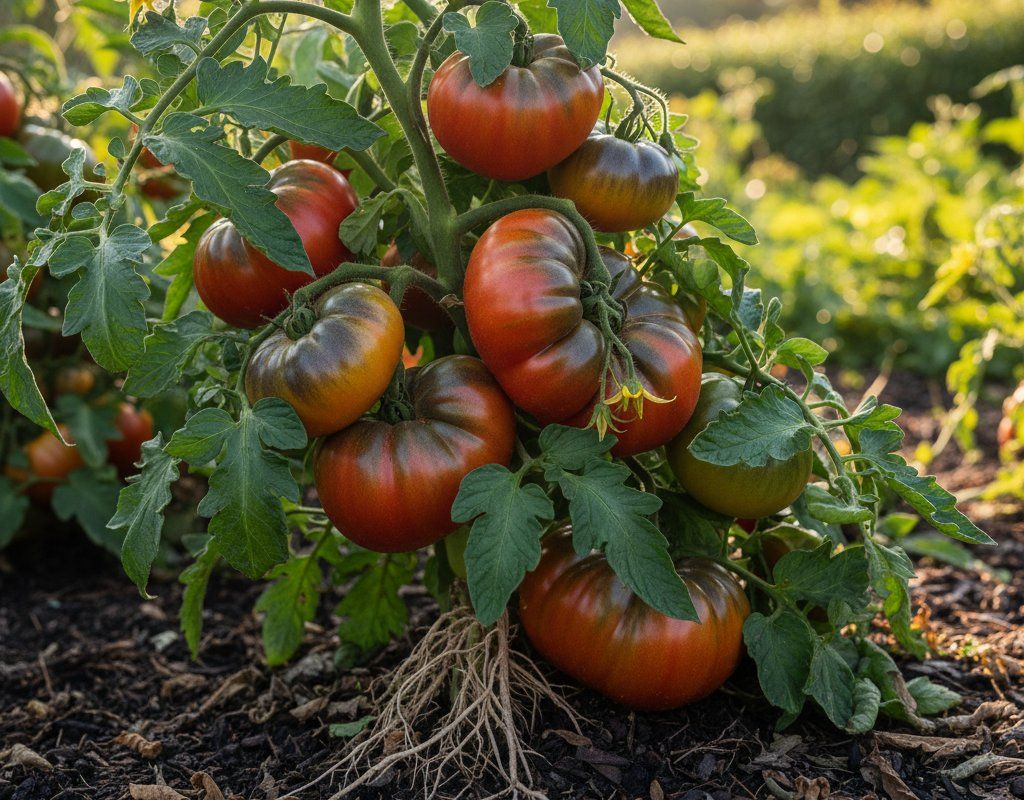
Heirloom Tomatoes in Zone 5B — Midwest
Solanum lycopersicum · Your Complete 2026 Planting Guide
Planning Ahead — Great!
You’re ahead of the season. Here’s when to start.
Mark Your Calendar
How to Plant Heirloom Tomatoes in Zone 5B — Midwest
Here are all your options for getting heirloom tomatoes in the ground, from the easiest method to more advanced approaches.
Start Seeds Indoors
RecommendedLate March through mid April
around March 28
Then transplant: Early May through early June
Start seeds 6-8 weeks before transplanting outdoors.
Buy Starts
Works WellEarly May through early June
around May 9
Plant purchased starts after last frost (April 25).
Direct Sow Seeds
ChallengingDirect sowing is not typical for Heirloom Tomatoes.
Transplant Outdoors
Timing InfoEarly May through early June
around May 9
Wait until nighttime temperatures stay above 50°F.
You have a nice window — no need to rush.
Overview
Heirloom tomatoes are the crown jewel of any Midwest garden, delivering flavors that make those pale grocery store varieties taste like cardboard. With our fertile soil and adequate summer rainfall, you can grow varieties that have been passed down for generations — Cherokee Purples, Brandywines, and Black Krims that actually taste like tomatoes should. Our 168-day growing season gives these slower-maturing beauties plenty of time to develop their complex flavors.
Yes, our variable spring weather and occasional summer heat spells present challenges, but starting seeds indoors and timing your transplants right after Memorial Day sets you up for success. The key is working with our Midwest climate rather than fighting it — those warm summer days and mild nights are perfect for developing the sugars that make heirlooms so special.
Starting Seeds Indoors
Start your heirloom tomato seeds indoors during late March through mid-April, about six weeks before you plan to transplant them outside. Our moderate-to-late spring means you can't rush this process — you want sturdy seedlings ready to go out after Memorial Day when soil has warmed and the threat of late frost has passed.
Set up seed trays in a warm spot (70-75°F) with good light — a south-facing window or grow lights work well. Plant seeds about ¼-inch deep in quality seed-starting mix. Bottom watering works best to avoid disturbing the seeds and prevents damping-off disease that can plague tomato seedlings in our humid spring conditions.
Once seedlings develop their first true leaves, you can transplant them to individual pots. Keep them indoors where you can control temperature — our variable spring weather makes outdoor conditions too unpredictable for young tomato plants.
Transplanting Outdoors
Wait until early May through early June to transplant your heirloom tomatoes outdoors, typically after Memorial Day when soil temperatures stay consistently above 60°F. Even though your last frost date is around late April, those unexpected cold snaps can devastate tender tomato plants.
Start hardening off your seedlings a full week before transplanting by gradually exposing them to outdoor conditions. Begin with just an hour or two of morning sun, then increase exposure daily. Watch the weather forecast carefully during this period — late spring cold fronts can drop temperatures suddenly in our area.
Space your heirloom tomatoes 36-48 inches apart to ensure good air circulation. Our moderate-to-humid summers mean crowded plants invite disease problems, and heirlooms are more susceptible than hybrids. Dig holes slightly deeper than the root ball and bury part of the stem to encourage strong root development in our clay soil.
Watering Heirloom Tomatoes in Zone 5B (Midwest)
Heirloom tomatoes need consistent, deep watering throughout our growing season — about 1-2 inches per week including rainfall. With our 30-40 inches of annual precipitation, you might think watering isn't a concern, but summer heat spells can quickly stress these heavy feeders between rain events.
Check soil moisture using the finger test: stick your finger 2 inches into the soil near the base of the plant. If it's dry at that depth, it's time to water deeply. Our clay soil holds moisture well but can become either waterlogged during wet spells or brick-hard during dry periods, so monitoring is crucial.
Water at the base of plants rather than overhead, especially in our moderate-to-humid conditions where wet foliage invites fungal diseases. Soaker hoses or drip irrigation work perfectly for this. Apply mulch around plants to maintain even soil moisture and prevent the wet-dry cycles that cause fruit cracking.
Watch for signs of stress: wilting during hot afternoons (normal), but persistent wilting or yellowing lower leaves indicates either too much or too little water. Overwatering shows up as yellowing from the bottom up, while underwatering causes plants to droop and fruit to develop blossom end rot.
Supporting Your Heirloom Tomatoes
Install strong cages or stakes at planting time since most heirloom tomatoes are indeterminate varieties that grow 6-8 feet tall and produce heavy, irregularly shaped fruit. Flimsy tomato cages from the garden center won't cut it — you need 6-foot tall cages or sturdy wooden stakes with multiple tie points.
Indeterminate heirlooms continue growing and producing until frost, so your support system needs to handle plants loaded with 1-2 pound tomatoes by late summer. Drive stakes at least 18 inches into our clay soil for stability against summer thunderstorms and strong winds.
Train plants by gently tying main stems to supports using soft materials like old t-shirt strips or tomato clips. Check and adjust ties regularly as stems thicken — you don't want to girdle the plant as it grows.
Pruning & Maintaining Heirloom Tomatoes
Remove suckers (shoots growing between main stem and branches) when they're small and soft, typically every week or two throughout the growing season. This focuses the plant's energy on fruit production rather than excess foliage, which also improves air circulation in our moderate-to-humid climate.
Prune off lower leaves that touch the ground and any yellowing or diseased foliage promptly. Heirlooms are more disease-susceptible than hybrids, so good sanitation prevents problems from spreading. Use clean pruning shears and work when plants are dry to avoid spreading diseases.
As first frost approaches in early October, top your indeterminate plants by pinching out the growing tip about a month beforehand. This encourages the plant to ripen existing fruit rather than set new flowers that won't have time to mature in our shortened fall season.
🧪Fertilizing Heirloom Tomatoes
Feeding Schedule
Organic Fertilizer Options
Harvest Time
Expect your first ripe heirloom tomatoes from late July through mid-September, about 80 days from transplanting. Unlike store-bought tomatoes, heirlooms ripen from the inside out, so they'll feel slightly soft and pull away easily from the vine when ready.
Color varies dramatically by variety — some heirlooms stay green-shouldered when ripe, others turn deep purple or nearly black. Learn each variety's ripe indicators: Cherokee Purples develop a dusky purple color, while Green Zebras stay green with yellow stripes. Gentle pressure near the stem end is the most reliable test.
Harvest regularly to encourage continued production throughout our warm summer season. Pick tomatoes in the morning when they're cool and store at room temperature to maintain flavor. Never refrigerate ripe tomatoes — it destroys the flavor compounds that make heirlooms special.
As first frost threatens in early October, harvest all remaining fruit regardless of ripeness. Green tomatoes will ripen indoors in a paper bag with a banana, though they won't develop the full flavor complexity of vine-ripened fruit. Large green tomatoes make excellent fried green tomatoes or green tomato relish.
Common Problems in Zone 5B (Midwest)
Cracking This shows up as splits in the tomato skin, either concentric circles around the stem or radial lines from stem to bottom. The flesh becomes exposed and vulnerable to rot. Our wet-summer pattern of heavy rain followed by hot, dry spells triggers this problem. Water consistently to maintain even soil moisture, mulch heavily, and harvest promptly when fruit starts to color. Some heirloom varieties like Cherokee Purple crack less than others.
Disease Susceptibility Heirlooms develop yellow or brown spots on leaves, wilting despite adequate water, and black or brown patches on fruit. Unlike modern hybrids, heirlooms lack bred-in disease resistance, making them vulnerable to our humid summer conditions that favor fungal diseases. Space plants wider apart (48 inches), prune for air circulation, and apply preventative copper fungicide during wet periods. Remove affected leaves immediately and rotate your tomato bed location each year.
Lower Yields Heirloom plants produce fewer tomatoes than hybrid varieties, though individual fruits are often larger and more flavorful. This is genetic — heirlooms weren't bred for maximum production like modern varieties. Consistent watering, regular feeding with balanced fertilizer, and proper pruning help maximize what yields you do get. Consider growing a mix of heirlooms and high-yielding hybrids if quantity matters.
Irregular Shapes Fruits develop unusual bumps, ridges, or catfacing (deep indentations). This is partly varietal character — many heirlooms naturally produce funky-shaped fruit. Cool temperatures during flowering, common during our variable spring weather, worsen the problem. Embrace the character — ugly tomatoes often taste best. If appearance matters for fresh eating or canning, choose more uniform varieties like Stupice or Sudduth's Pink.
Midwest Specific Challenges: Our moderate-to-humid summers and wet-summer rainfall pattern create perfect conditions for fungal diseases that particularly affect disease-susceptible heirlooms. The key is preventative care — wider spacing, good air circulation, and staying ahead of disease pressure rather than trying to cure problems after they start.
Best Companions for Heirloom Tomatoes
Plant these nearby for healthier Heirloom Tomatoes and better harvests.
View Full Companion Planting Chart →



Companion Planting Details
Plant basil alongside your heirloom tomatoes — it naturally repels aphids and hornworms while improving tomato flavor according to many gardeners. Carrots make excellent companions since their deep taproots don't compete with tomato root systems, and they help break up our clay soil. Marigolds planted around the bed edges deter nematodes and add bright color, while parsley attracts beneficial insects that prey on tomato pests.
Avoid planting brassicas (cabbage family) or fennel near tomatoes, as they can stunt tomato growth through root competition and chemical interactions. Keep corn at a distance too — both crops attract corn borers, and proximity increases pest pressure on both plants. In our fertile Midwest soil, focus on companions that enhance rather than compete with your prized heirloom tomatoes.
🌸Best Flowers to Plant with Heirloom Tomatoes
These flowers protect your Heirloom Tomatoes from pests and attract pollinators for better harvests.
For Pest Control

Get a Reminder When It's Time to Plant
We'll email you when key planting windows open for your zone.