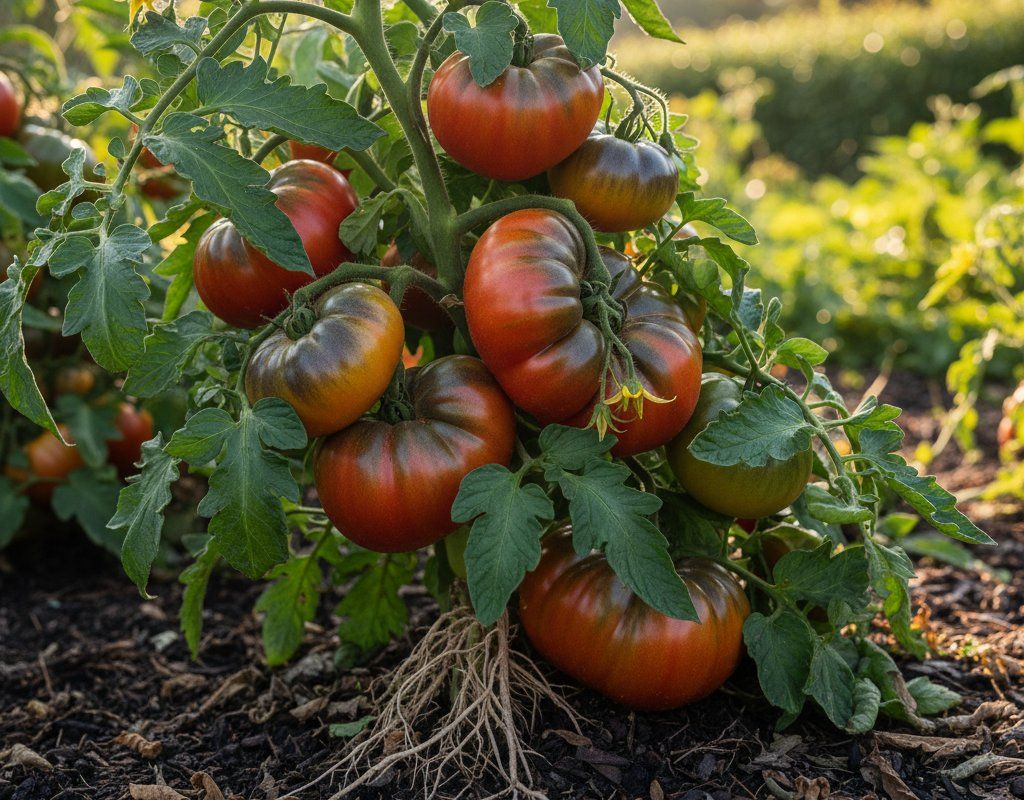
Heirloom Tomatoes in Zone 6A — Northeast
Solanum lycopersicum · Your Complete 2026 Planting Guide
Planning Ahead — Great!
You’re ahead of the season. Here’s when to start.
Mark Your Calendar
How to Plant Heirloom Tomatoes in Zone 6A — Northeast
Here are all your options for getting heirloom tomatoes in the ground, from the easiest method to more advanced approaches.
Start Seeds Indoors
RecommendedMid March through early April
around March 23
Then transplant: Early May through early June
Start seeds 6-8 weeks before transplanting outdoors.
Buy Starts
Works WellEarly May through early June
around May 4
Plant purchased starts after last frost (April 20).
Direct Sow Seeds
ChallengingDirect sowing is not typical for Heirloom Tomatoes.
Transplant Outdoors
Timing InfoEarly May through early June
around May 4
Wait until nighttime temperatures stay above 50°F.
You have a nice window — no need to rush.
Overview
Heirloom tomatoes offer Northeast gardeners something you can't buy in any store — complex flavors that range from sweet and smoky to tangy and bright, developed over generations of careful seed saving. Our cool nights actually enhance the sugar development in these varieties, creating depth of flavor that makes every slice worth the wait. While hybrids dominate grocery stores for their shipping ability, heirlooms reward your patience with taste that justifies dedicating prime garden real estate to them.
Your 178-day growing season might seem short for heat-loving tomatoes, but it's perfectly adequate for most heirloom varieties when you start them indoors and choose early-maturing types. The key is getting seedlings established indoors while our unpredictable spring weather settles, then timing your transplant for warm, stable conditions. Once established, these plants thrive in our moderate summer heat and benefit from the natural disease pressure relief that comes with cooler nights.
Starting Seeds Indoors
Starting heirloom tomato seeds indoors is essential here in the Northeast, where our late spring makes direct sowing impossible. Begin your seeds from mid-March through early April, about six weeks before you plan to transplant outdoors. This timing gives your seedlings enough time to develop strong root systems while avoiding the leggy growth that comes from starting too early.
Set up seed trays in a warm spot — tomato seeds germinate best at 70-75°F, so consider placing trays on top of your refrigerator or using a heating mat. Once seeds sprout, they need bright light from a south-facing window or grow lights positioned 2-3 inches above the seedlings. Bottom watering works best for tomato seedlings, preventing the damping-off disease that can wipe out entire trays overnight.
As your seedlings develop their first true leaves, transplant them into individual 4-inch pots. This gives their roots room to develop the strong system they'll need to support heavy fruit loads later. Keep them in bright light and maintain consistent moisture, but don't overwater — tomato seedlings prefer slightly dry conditions between waterings.
Transplanting Outdoors
Wait until early May through early June to transplant your heirloom tomatoes outdoors, when nighttime temperatures consistently stay above 50°F. Our Northeast springs are notorious for temperature swings, and a single cold night can set tomato plants back weeks or kill them entirely. It's better to wait an extra week than rush the process.
Harden off your seedlings gradually over a full week before transplanting. Start with just an hour outdoors in a protected spot, then gradually increase exposure time and move them into more open areas. This process helps plants adjust to outdoor conditions including wind, temperature fluctuations, and direct sunlight that's much more intense than indoor growing conditions.
Space your heirloom tomatoes 36-48 inches apart — these indeterminate varieties need room for air circulation, especially important in our moderate-to-humid summers. Dig planting holes deep enough to bury two-thirds of the stem, which encourages strong root development. Install your support structures at planting time to avoid disturbing roots later. If frost threatens after transplanting, be ready with row covers or even individual plant protection.
Watering Heirloom Tomatoes in Zone 6A (Northeast)
Heirloom tomatoes demand consistent moisture throughout the growing season, and this is where many Northeast gardeners struggle despite our reliable rainfall. While we typically receive 40-50 inches annually, summer can bring dry spells that stress plants just when fruit is developing. Your goal is maintaining steady soil moisture without waterlogged conditions — use the finger test by checking soil moisture 2 inches deep before watering.
Provide about 1-2 inches of water per week, including rainfall, delivered slowly and deeply at the base of plants. Our moderate-to-humid conditions make overhead watering risky since wet foliage encourages disease problems that heirlooms are already prone to. Water early morning so any moisture on leaves can dry quickly, and focus your watering at soil level using soaker hoses or drip irrigation when possible.
Mulch around your plants with 2-3 inches of straw or shredded leaves to maintain consistent soil moisture and prevent the dry-wet cycles that cause fruit cracking. This is especially important for heirlooms, which crack more easily than modern hybrids when they absorb water too quickly after being stressed. Remove any weeds that compete for moisture, particularly during fruit development.
Watch for signs of water stress: wilting during the day even when soil feels moist indicates overwatering, while persistent wilting and leaf curling signals drought stress. Yellow lower leaves can indicate either problem, so check soil moisture before adjusting your watering schedule. In our typically moderate summer heat, plants rarely need daily watering unless they're in containers.
Supporting Your Heirloom Tomatoes
Strong support is absolutely critical for heirloom tomatoes since most varieties are indeterminate and will grow 6-8 feet tall while producing heavy, irregularly shaped fruit. Install sturdy tomato cages at least 6 feet tall or use stake-and-tie systems with 8-foot stakes driven 18 inches into the ground. Cheap, flimsy cages will collapse under the weight of a mature heirloom plant loaded with fruit.
Set up your support system at planting time to avoid damaging the root system later. For staking, use soft ties like strips of old t-shirt or tomato ties to secure the main stem every 12-18 inches as it grows. Avoid wire or string that can cut into stems as they thicken. With cage systems, gently guide branches through openings and allow the natural spreading habit to fill the cage structure.
Train your plants by tying the main stem loosely and directing side branches outward for maximum light exposure. Check your ties weekly and loosen any that are becoming tight as stems grow. Strong support becomes even more important as fruit begins to ripen and branches become top-heavy with multiple large tomatoes that can snap branches if not properly supported.
Pruning & Maintaining Heirloom Tomatoes
Moderate pruning improves air circulation and focuses plant energy, both crucial for disease-prone heirloom varieties in our moderate-to-humid climate. Remove suckers — the shoots that grow between the main stem and leaf branches — when they're small and easy to pinch off. Leave the main stem and major fruiting branches, but eliminate suckers that crowd the plant center or grow below the first flower cluster.
Remove lower leaves that touch the ground or show signs of disease, working your way up the plant as it grows. This prevents soil-borne diseases from splashing onto foliage during watering or rain. Throughout the season, prune any yellowing or spotted leaves immediately to prevent disease spread, and always sanitize your pruning shears between plants.
As your first frost date approaches in mid-October, top your plants by pinching out the growing tip about a month before expected frost. This stops vertical growth and directs energy toward ripening existing fruit. Remove any new flower clusters that won't have time to mature, allowing the plant to focus on finishing the tomatoes already set on the vine.
🧪Fertilizing Heirloom Tomatoes
Feeding Schedule
Organic Fertilizer Options
Harvest Time
Your first heirloom tomatoes will be ready from late July through early September, depending on variety and when you transplanted. Unlike store-bought tomatoes that are picked green and gassed to turn red, you want to let heirlooms ripen fully on the vine for maximum flavor development. Look for full color development (which varies dramatically by variety), slight softness when gently squeezed, and easy separation from the vine.
Many heirlooms don't develop uniform color — green shoulders, stripes, or mottled patterns are often normal characteristics, not signs of unripeness. Learn your varieties' mature appearance since some stay partially green even when perfectly ripe. The fruit should give slightly to gentle pressure and detach easily with a slight twist and upward pull.
Harvest every few days during peak season to encourage continued production. Handle fruit gently since heirloom skin is typically thinner and more delicate than hybrid varieties. Store ripe tomatoes at room temperature for best flavor — refrigeration kills the taste compounds that make heirlooms special.
As your first frost approaches in mid-October, harvest all mature green tomatoes for indoor ripening. Wrap individual fruits in newspaper and store in a cool, dark place where they'll ripen over several weeks. You can also pull entire plants and hang them upside down in a garage or basement to continue ripening the remaining fruit, extending your harvest well into November.
Common Problems in Zone 6A (Northeast)
Fruit Cracking Concentric circles or radial splits around the stem end expose flesh to rot and make tomatoes unusable. This happens when fruit absorbs water faster than the skin can expand, typically after heavy rain or watering following a dry spell. Heirloom varieties are much more prone to cracking than modern hybrids. Maintain consistent soil moisture through mulching and regular watering, harvest promptly when ripe, and choose crack-resistant varieties like 'Iron Lady' or 'Mountain Fresh Plus' if this becomes a persistent problem.
Disease Susceptibility Yellowing leaves, brown spots, wilting, and general poor plant health throughout the season indicate various fungal and bacterial diseases. Heirloom varieties lack the disease resistance genes bred into modern hybrids, making them vulnerable to common tomato diseases like early blight, late blight, and bacterial spot. Improve air circulation through proper spacing and pruning, apply preventative fungicide early in the season, rotate your tomato crops to different garden areas annually, and remove affected foliage immediately when spotted.
Lower Yields Fewer tomatoes per plant compared to hybrid varieties, with some plants producing only a handful of fruit. This is the trade-off for superior flavor — heirlooms were selected for taste, not production efficiency. Ensure adequate nutrition with compost or balanced fertilizer, provide consistent water and full sun exposure, and choose productive heirloom varieties like 'Stupice' or 'Moskvich' if yield matters more than unique flavors.
Irregular Shapes Ridged, bumpy, or catfaced fruit with unusual shapes and uneven development. This is actually a characteristic feature of many heirloom varieties, though poor pollination during cool weather can worsen the problem. Cool nighttime temperatures during fruit set in our Northeast climate can contribute to irregular shapes. Embrace the character — these "ugly" tomatoes often have the most complex flavors, and appearance doesn't affect taste.
Our Northeast climate creates specific challenges for heirloom tomatoes: the moderate-to-humid conditions encourage disease problems, while the short growing season limits variety choices to early-maturing types. However, our cool nights actually benefit fruit quality by slowing sugar breakdown, and the moderate summer heat reduces stress compared to hotter regions.
Best Companions for Heirloom Tomatoes
Plant these nearby for healthier Heirloom Tomatoes and better harvests.
View Full Companion Planting Chart →



Companion Planting Details
Basil planted near your heirloom tomatoes helps repel aphids and hornworms while improving tomato flavor — and you'll have fresh basil for all those tomatoes. Carrots work well as a space-efficient ground cover that doesn't compete for nutrients, while parsley attracts beneficial insects that prey on tomato pests. Marigolds planted throughout the tomato patch help deter nematodes and add color, though they need the same full sun requirements as tomatoes.
Avoid planting brassicas like cabbage or broccoli near tomatoes since they can stunt tomato growth and attract different pests that may spread to your tomato plants. Keep corn away from tomatoes since both attract hornworms, concentrating the pest problem in one area. Fennel should be planted far from tomatoes as it can inhibit growth through allelopathic compounds, and its strong fragrance may interfere with beneficial insects that help with pollination.
🌸Best Flowers to Plant with Heirloom Tomatoes
These flowers protect your Heirloom Tomatoes from pests and attract pollinators for better harvests.
For Pest Control

Get a Reminder When It's Time to Plant
We'll email you when key planting windows open for your zone.