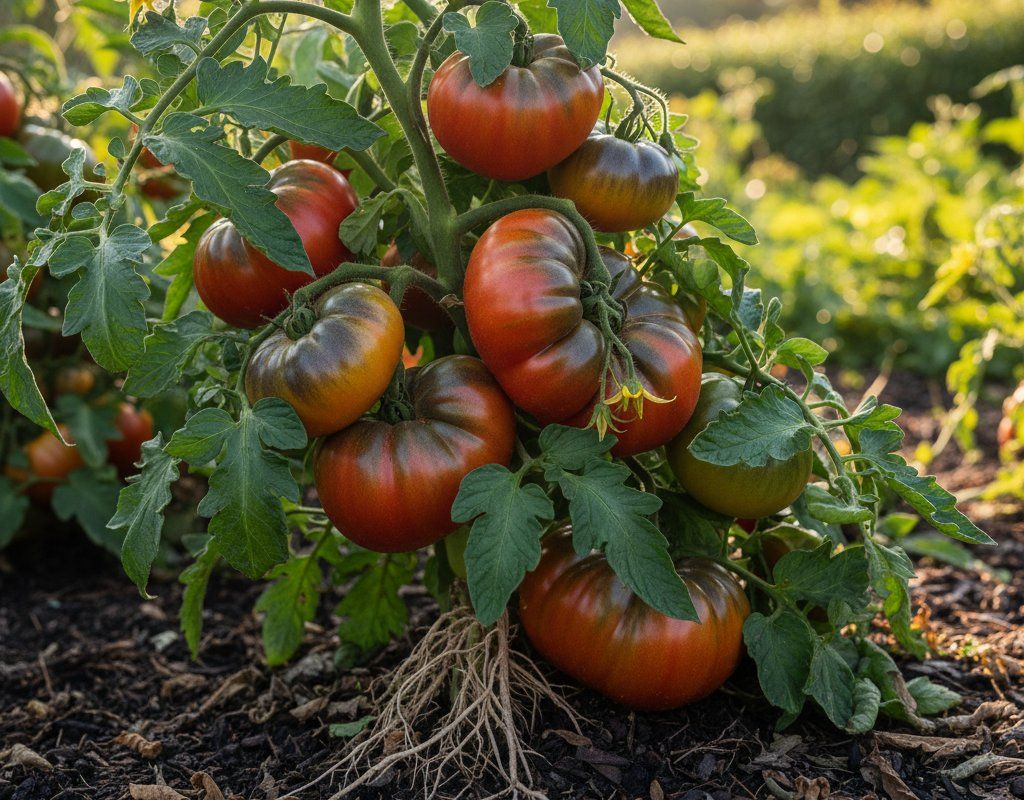
Heirloom Tomatoes in Zone 6A — Great Plains
Solanum lycopersicum · Your Complete 2026 Planting Guide
Planning Ahead — Great!
You’re ahead of the season. Here’s when to start.
Mark Your Calendar
How to Plant Heirloom Tomatoes in Zone 6A — Great Plains
Here are all your options for getting heirloom tomatoes in the ground, from the easiest method to more advanced approaches.
Start Seeds Indoors
RecommendedMid March through early April
around March 18
Then transplant: Late April through late May
Start seeds 6-8 weeks before transplanting outdoors.
Buy Starts
Works WellLate April through late May
around April 29
Plant purchased starts after last frost (April 15).
Direct Sow Seeds
ChallengingDirect sowing is not typical for Heirloom Tomatoes.
Transplant Outdoors
Timing InfoLate April through late May
around April 29
Wait until nighttime temperatures stay above 50°F.
You have a nice window — no need to rush.
Overview
Growing heirloom tomatoes in our Zone 6A Great Plains gardens brings something special to your table that you simply can't buy anywhere. With our intense prairie sunshine and fertile soil, these open-pollinated varieties develop incredible depth of flavor and character that puts store-bought tomatoes to shame. Whether you're growing Cherokee Purples, Brandywines, or German Johnsons, you'll taste the difference that our climate makes in every slice.
Our Great Plains climate does present challenges for these heat-loving plants—temperature swings, variable rainfall, and our famous wind all demand respect. However, with our 188-day growing season and proper timing, you can absolutely succeed with heirlooms here. The key is starting early indoors and being strategic about transplant timing to work with our sometimes unpredictable spring weather.
Starting Seeds Indoors
Start your heirloom tomato seeds indoors from mid-March through early April, about six weeks before you plan to transplant outside. This timing accounts for our variable spring weather and gives plants enough strength to handle Plains conditions. Set up your seed trays in a warm spot—tomatoes need soil temperatures around 70-80°F to germinate well.
Use a good seed starting mix and keep it consistently moist through bottom watering rather than spraying from above. This prevents damping-off disease and gives you stronger seedlings. Place your trays under grow lights or in your sunniest south-facing window, keeping the lights about 2 inches above the seedlings as they grow.
Once your seedlings develop their first true leaves, transplant them into individual 4-inch pots. This gives their root systems time to develop properly before facing our outdoor conditions. Keep them warm and gradually reduce watering frequency to encourage strong root development.
Transplanting Outdoors
Transplant your heirloom tomatoes outdoors from late April through late May, when nighttime temperatures consistently stay above 50°F. Our spring weather can be tricky, so watch the forecast carefully—a late cold snap can set plants back weeks or kill them entirely. Soil temperature is just as important as air temperature; wait until your soil reaches at least 60°F at planting depth.
Harden off your seedlings for a full week before transplanting by gradually increasing their outdoor exposure. Start with just an hour or two in a protected spot, then work up to full days outside. This process is especially important here because our wind and temperature swings can shock tender plants.
Space your plants 36-48 inches apart—heirlooms need this extra room for good air circulation in our variable humidity. Plant them deep, burying about two-thirds of the stem to encourage strong root development. Install support structures at planting time rather than waiting, as our wind makes sturdy support absolutely essential.
Watering Heirloom Tomatoes in Zone 6A (Great Plains)
Consistent watering is critical for heirloom tomatoes in our Great Plains climate, and it's where many gardeners struggle. These plants need about 1-2 inches of water per week, but our variable rainfall pattern means you'll need to supplement irrigation most of the time. Deep, infrequent watering works better than daily light sprinkles, encouraging roots to grow deep rather than staying shallow.
Check soil moisture using the finger test—stick your finger 2 inches into the soil near the plant base. If it's dry at that depth, it's time to water. During our hot summer stretches when temperatures hit the 90s, you might need to water every other day, especially in sandy soils that drain quickly.
Water at the base of the plants rather than overhead to reduce disease pressure and water waste. Our low-to-moderate humidity means overhead watering evaporates quickly anyway. Watch for signs of inconsistent watering: leaf curling usually means too little water, while yellowing lower leaves often signals too much.
Apply a 2-3 inch layer of organic mulch around your plants to maintain even soil moisture and reduce the wet-dry cycles that cause fruit cracking. In our windy conditions, use heavier mulches like shredded bark rather than lightweight materials that might blow around. Remember that heirloom varieties crack more easily than hybrids when watering is inconsistent, so steady moisture is especially important for these varieties.
Supporting Your Heirloom Tomatoes
Install strong support systems at planting time—heirloom tomatoes are mostly indeterminate varieties that can reach 6-8 feet tall with heavy, irregularly shaped fruit that puts serious stress on branches. Use either heavy-duty tomato cages (at least 6 feet tall) or sturdy stakes with soft ties for support. In our windy Great Plains conditions, weak support systems will fail when you need them most.
Stake each plant with a 6-8 foot metal or wooden post driven at least 2 feet into the ground. Tie the main stem loosely every 12-18 inches as it grows, using soft materials like cloth strips or tomato ties. Avoid wire or string that can cut into stems during our frequent windstorms.
Consider wind protection for your tomato patch, especially if you're in an exposed location. A simple windbreak made from row cover material or even lattice panels can make the difference between thriving plants and broken stems. Position supports on the side where your prevailing winds come from—usually west or northwest here in the Plains.
Pruning & Maintaining Heirloom Tomatoes
Remove suckers—the shoots that grow between the main stem and branches—regularly throughout the growing season to improve air circulation and direct energy into fruit production. This is especially important for heirloom varieties since they're more susceptible to diseases than modern hybrids. Pinch or cut suckers when they're small, about 2-4 inches long.
Remove lower leaves that touch the ground to prevent soil-borne diseases from splashing up during watering or rain. As the season progresses, gradually remove lower leaves that yellow or show disease spots, working your way up the plant. This improves air flow around the base where humidity tends to collect.
In late August or early September, top your plants by removing the growing tip to direct energy into ripening existing fruit rather than producing new flowers. With our first frost typically arriving in mid-October, this timing gives you the best chance of ripening tomatoes already on the vine rather than ending the season with lots of green fruit.
🧪Fertilizing Heirloom Tomatoes
Feeding Schedule
Organic Fertilizer Options
Harvest Time
Your first ripe heirloom tomatoes typically arrive from mid-July through early September, depending on the variety and when you transplanted. With an 80-day maturity period, plants set out in early May should start producing by mid-July. The exact timing varies with our summer weather patterns—cooler summers delay harvest, while hot stretches speed it up.
Heirloom tomatoes are ready when they give slightly to gentle pressure and develop their characteristic color, though this varies dramatically by variety. Some stay green-shouldered even when ripe, while others turn deep red, purple, or even black. The fruit should detach easily from the vine when you lift and twist gently—forcing unripe tomatoes off the vine reduces their flavor significantly.
Harvest regularly to encourage continued production, checking plants every 2-3 days during peak season. Pick fruits when they just start showing color and let them finish ripening indoors if you prefer—this actually improves flavor development and prevents splitting from sudden rainstorms or hail damage.
As our first frost approaches in mid-October, harvest all remaining fruit regardless of size or ripeness. Green tomatoes will continue ripening indoors if stored in a cool, dark place with good air circulation. Large green fruits often make excellent fried green tomatoes or can be used in end-of-season relishes and salsas.
Common Problems in Zone 6A (Great Plains)
Cracking and splitting appears as either circular rings around the stem end or radial lines running from top to bottom of the fruit. You'll see this most often after heavy rains following dry periods, which is unfortunately common with our variable Great Plains rainfall patterns. The sudden water intake causes the fruit to expand faster than the skin can stretch, creating splits that invite rot and insects. Maintain consistent soil moisture through regular watering and mulching, and harvest ripe fruit promptly during rainy periods.
Disease susceptibility shows up as various leaf spots, wilting, or fruit rot throughout the growing season. Heirloom varieties lack the disease resistance bred into modern hybrids, making them more vulnerable to our humid summer conditions and sudden weather changes. Early blight appears as dark spots on lower leaves, while bacterial diseases cause wilting despite adequate soil moisture. Space plants wider than recommended, prune for air circulation, and apply preventative copper fungicides during humid periods. Remove affected plant parts immediately and avoid overhead watering.
Lower yields compared to hybrid varieties is simply the trade-off for superior flavor—most heirloom varieties produce fewer but larger fruits than their modern counterparts. Our extreme temperature swings can also reduce fruit set, as tomatoes drop flowers when nighttime temperatures stay above 75°F or fall below 55°F. This is especially challenging during our hot summer nights. Choose heat-tolerant heirloom varieties and provide afternoon shade during the hottest part of summer to improve fruit set.
Irregular shapes including ridges, bumps, and uneven development are characteristic features of many heirloom varieties, not defects. Poor pollination during our windy conditions or temperature stress during fruit development can increase irregular shapes. Cool spring weather when flowers are forming often creates the most dramatic deformities. Remember that the ugliest tomatoes often have the best flavor—embrace the character rather than fighting it, and save the prettiest fruits for slicing while using irregular ones for sauces and cooking.
Great Plains Specific Challenges: Our combination of intense heat, variable rainfall, and constant wind creates unique stress for heirloom tomatoes. The extreme temperature swings between day and night can cause blossom end rot and poor fruit set, while sudden hailstorms can destroy months of careful growing in minutes. Wind protection and consistent watering become even more critical here than in more moderate climates.
Best Companions for Heirloom Tomatoes
Plant these nearby for healthier Heirloom Tomatoes and better harvests.
View Full Companion Planting Chart →



Companion Planting Details
Plant basil near your heirloom tomatoes—it naturally repels aphids and whiteflies while improving the tomatoes' flavor when grown together. Carrots make excellent companions since their deep taproots don't compete with tomato roots, and parsley attracts beneficial insects that prey on tomato pests. Marigolds planted throughout your tomato patch help deter nematodes and add color to your garden while thriving in our hot, sunny conditions.
Avoid planting brassicas like cabbage, broccoli, or kale near tomatoes since they compete for similar nutrients and can stunt tomato growth. Keep fennel away from your tomato patch as it can inhibit tomato growth, and avoid corn since both plants are heavy nitrogen feeders that will compete for nutrients. In our relatively short growing season, you want your tomatoes focused on fruit production rather than competing with neighboring plants for resources.
🌸Best Flowers to Plant with Heirloom Tomatoes
These flowers protect your Heirloom Tomatoes from pests and attract pollinators for better harvests.
For Pest Control

Get a Reminder When It's Time to Plant
We'll email you when key planting windows open for your zone.