
Parsley in Zone 6A — Great Plains
Petroselinum crispum · Your Complete 2026 Planting Guide
Missed Seed Starting? No Problem!
Wait for starts to become available.
What to Do
Starts will be available at nurseries in 28 days (around April 1).
How to Plant Parsley in Zone 6A — Great Plains
Here are all your options for getting parsley in the ground, from the easiest method to more advanced approaches.
Direct Sow Seeds
RecommendedEarly April through late July
around April 1
Consider succession planting every 2-3 weeks for continuous harvest.
Parsley is slow to germinate (2-4 weeks). Soaking seeds helps.
Start Seeds Indoors
RecommendedLate January through mid February
around February 4
Then transplant: Early to late April
Start seeds 8-10 weeks before transplanting outdoors.
Start indoors 8-10 weeks early due to slow germination.
Buy Starts
Works WellEarly to late April
around April 1
Plant purchased starts after last frost (April 15).
Transplant Outdoors
Timing InfoEarly to late April
around April 1
Can tolerate light frost, but wait for soil to be workable.
You have a nice window — no need to rush.
Fall Planting
Early August through early September
August 18 ideal · Direct sow for fall harvest
Plant a second crop in mid-summer for fall harvest. Parsley actually prefers the cooling temperatures of fall.
Overview
Parsley transforms from a simple garnish into a powerhouse herb when you grow it yourself in Zone 6A's prairie soil. Our intense Plains sunshine produces exceptionally flavorful leaves with concentrated oils that store-bought parsley simply can't match. You'll harvest fresh sprigs from early summer clear through our first frost, giving you months of homegrown flavor for everything from chimichurri to roasted potatoes.
Our Great Plains climate brings challenges like extreme temperature swings and variable rainfall, but parsley's hardy nature handles our conditions well. With our 188-day growing season, you have plenty of time to establish strong plants and enjoy continuous harvests. The key is working with our unpredictable spring weather and providing consistent moisture during our hot summers.
Starting Seeds Indoors
Starting parsley seeds indoors makes sense if you want an early harvest or prefer the control over our variable spring conditions. Sow seeds in late January through mid-February, giving yourself about 8 weeks before transplanting outdoors. Parsley is notoriously slow to germinate, often taking 3-4 weeks, so patience is essential.
Set up seed trays in a warm spot (70-75°F) with good light once seedlings emerge. Bottom watering works best since parsley seeds are small and easily disturbed. Soak seeds overnight before planting to speed germination slightly. With our spring's unpredictable temperature swings, indoor starting gives you sturdy transplants ready to handle whatever weather April brings.
Keep seedlings under lights or in a bright south window, maintaining steady moisture without waterlogging. Since parsley develops a taproot, transplant while seedlings are still small to minimize root disturbance.
Transplanting Outdoors
Transplant your parsley seedlings outdoors from early to late April, after you've hardened them off for about a week. Start the hardening process by placing plants outside for a few hours daily, gradually increasing exposure time. Our Plains winds can shock tender seedlings, so protect them during this transition period.
Choose a spot with morning sun and afternoon protection from our intense heat if possible. Space plants 6-10 inches apart in well-draining prairie soil. Our spring weather can swing from warm to surprisingly cold, so keep row covers handy for unexpected temperature drops.
Plant when soil temperature reaches at least 50°F consistently. In our region, this timing usually works well since parsley tolerates light frost once established. Water thoroughly after transplanting and mulch lightly to help retain moisture during dry spells.
Direct Sowing
Direct sowing parsley works well in the Great Plains from early April through late July, giving you flexibility with succession plantings. Prepare your soil by working in compost to improve moisture retention in our often-dry conditions. Sow seeds ¼ inch deep and keep the soil consistently moist during the lengthy germination period.
Parsley seeds can take 2-4 weeks to sprout, so mark your rows clearly and be patient. Soaking seeds overnight before planting helps speed things along slightly. Space plants 6-10 inches apart once they're established, thinning gradually to avoid attracting pests to damaged foliage.
The main challenge with direct sowing is maintaining consistent moisture during germination while dealing with our variable spring rainfall. Consider using row covers to protect young seedlings from late cold snaps and strong winds that can dry out the soil surface quickly.
Watering Parsley in Zone 6A (Great Plains)
Parsley needs consistent, moderate watering throughout the growing season, making it more demanding than some drought-tolerant Plains crops. Aim for about 1 inch of water weekly, including rainfall, but adjust based on our variable precipitation patterns. During hot summer stretches when temperatures hit the 90s, check soil moisture every few days using the finger test—stick your finger 2 inches deep, and water if it's dry.
Water at the base of plants rather than overhead to prevent foliar diseases, though our low-to-moderate humidity makes this less critical than in more humid regions. Early morning watering works best, allowing plants to dry before evening while avoiding the stress of midday heat. During our intense summer sunshine, even well-watered parsley can look slightly wilted by afternoon.
Watch for signs of water stress: yellowing lower leaves and stunted growth indicate too little water, while mushy stems and crown rot suggest overwatering. Our prairie soil generally drains well, but heavy clay areas may need amendments to prevent waterlogging during wet spells.
Apply a 2-inch layer of organic mulch around plants to retain moisture and moderate soil temperature swings. This is especially valuable during our hot, dry summer periods when consistent moisture becomes challenging to maintain.
🧪Fertilizing Parsley
Feeding Schedule
Organic Fertilizer Options
Harvest Time
Your first parsley harvest typically arrives from early June through late October, about 70 days from seeding. Look for stems with at least three segments of leaves—these outer stems are perfect for cutting. Always harvest by cutting stems at the base near soil level rather than pinching tips, which weakens the plant and reduces future production.
Cut the largest outer stems first, leaving the center growing point intact for continuous production. Fresh parsley stems should snap crisply when bent, and leaves should be deep green without yellowing edges. Regular harvesting every 7-10 days keeps plants productive and prevents flowering, which makes leaves bitter.
As plants mature through summer, they'll produce more stems than you can use fresh. This biennial herb puts its energy into leaf production the first year, then flowers and sets seed the second season. In our region, treat it as an annual since winters often kill overwintered plants anyway.
Before our first frost hits around mid-October, harvest heavily and preserve what you can't use immediately. The final harvest can be substantial—cut entire plants at soil level for maximum yield before freezing temperatures arrive.
Common Problems in Zone 6A (Great Plains)
Slow Germination Parsley seeds sitting in soil for 3-4 weeks without sprouting frustrates many Plains gardeners. You'll see bare soil while other crops are already up and growing, making it tempting to resow.
This happens because parsley seeds contain natural germination inhibitors and need consistent moisture over an extended period. Our variable spring rainfall and drying winds make maintaining that consistent moisture challenging.
Soak seeds overnight before planting and cover seeded areas with row covers or boards to retain moisture. Check soil daily and water lightly if the surface begins drying. Once you see the first green shoots, remove covers immediately to prevent overheating.
Carrot Rust Fly Small dark flies hovering around your parsley plants signal trouble ahead. You'll notice rusty brown tunnels in roots and wilting foliage despite adequate watering, as larvae tunnel through the root system.
These flies target parsley along with carrots and other umbellifers, laying eggs near plant stems. Our moderate humidity and variable rainfall create conditions where fly populations can build throughout the growing season.
Row covers provide the most effective prevention—install them at planting and keep them on except when harvesting. Delay spring plantings until late April to avoid the first fly generation. Interplant with onions, whose strong scent confuses adult flies seeking host plants.
Crown Rot Mushy, blackened stems at soil level indicate crown rot, often following periods of excessive moisture. The center of the plant collapses, and outer leaves yellow and die back progressively.
Our clay-heavy prairie soils can hold too much water during wet spells, especially in low-lying garden areas. Poor drainage combined with overhead watering creates ideal conditions for fungal problems.
Improve soil drainage by adding compost or raised beds in problem areas. Water at soil level rather than overhead, and ensure good air circulation between plants. Remove affected plants immediately to prevent spread to healthy ones.
Great Plains Specific Challenges Our hot summers and variable rainfall create the perfect storm for parsley stress. Intense sunshine can scorch leaves when combined with inconsistent watering, while sudden temperature swings shock plants just as they're getting established. Wind protection becomes essential since our constant breezes dry out soil and stress plants already working hard to stay hydrated.
Best Companions for Parsley
Plant these nearby for healthier Parsley and better harvests.
View Full Companion Planting Chart →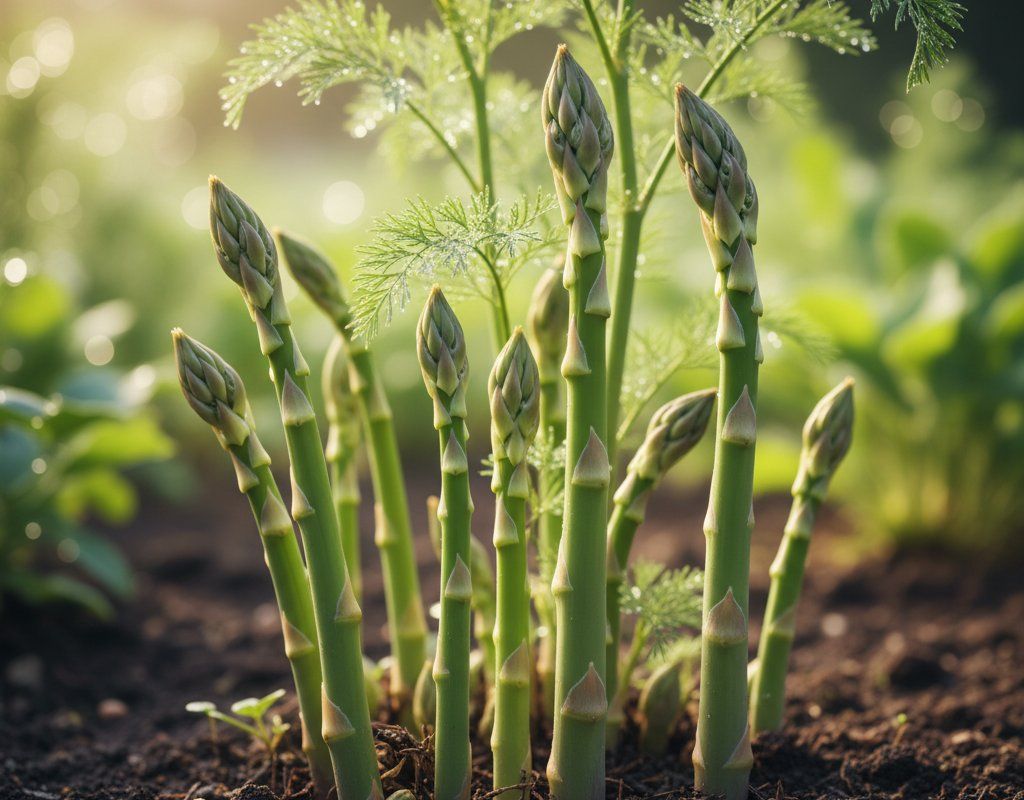



Companion Planting Details
Parsley makes an excellent companion for tomatoes in Great Plains gardens, where both crops appreciate consistent moisture and some afternoon shade. The parsley's strong scent may help deter tomato hornworms, while its deep taproot doesn't compete with tomatoes' spreading root system. Plant parsley near asparagus beds too—it reportedly improves asparagus flavor and helps repel asparagus beetles without competing for nutrients.
Corn provides natural wind protection for parsley in our windy climate, creating a beneficial microclimate that reduces moisture loss. Roses and parsley grow well together since both appreciate rich, well-draining soil and regular feeding. Avoid planting parsley near lettuce, as both have similar shallow root zones that compete for water—problematic in our drought-prone conditions. Keep mint far away from parsley beds since mint's aggressive spreading nature will quickly overwhelm the more delicate herb.
🌸Best Flowers to Plant with Parsley
These flowers protect your Parsley from pests and attract pollinators for better harvests.
For Pest Control




Get a Reminder When It's Time to Plant
We'll email you when key planting windows open for your zone.