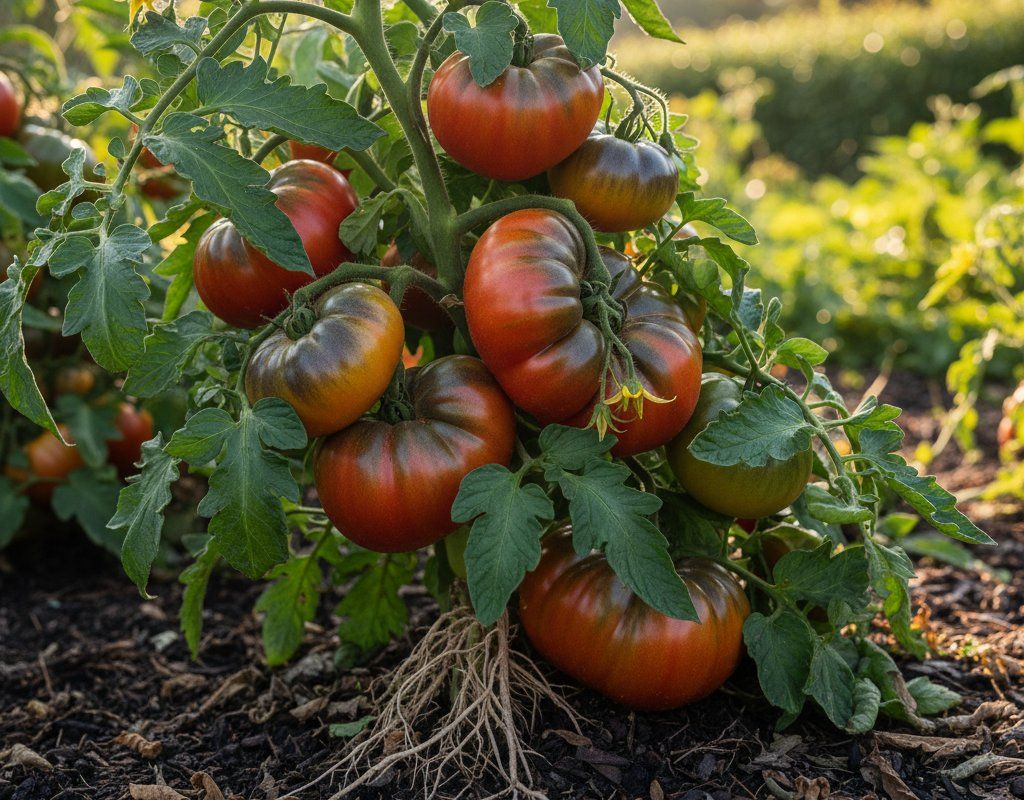
Heirloom Tomatoes in Zone 6B — Pacific Northwest
Solanum lycopersicum · Your Complete 2026 Planting Guide
Planning Ahead — Great!
You’re ahead of the season. Here’s when to start.
Mark Your Calendar
How to Plant Heirloom Tomatoes in Zone 6B — Pacific Northwest
Here are all your options for getting heirloom tomatoes in the ground, from the easiest method to more advanced approaches.
Start Seeds Indoors
RecommendedLate March through mid April
around April 3
Then transplant: Mid May through mid June
Start seeds 6-8 weeks before transplanting outdoors.
Buy Starts
Works WellMid May through mid June
around May 15
Plant purchased starts after last frost (May 1).
Direct Sow Seeds
ChallengingDirect sowing is not typical for Heirloom Tomatoes.
Transplant Outdoors
Timing InfoMid May through mid June
around May 15
Wait until nighttime temperatures stay above 50°F.
You have a nice window — no need to rush.
Overview
Growing heirloom tomatoes in the Pacific Northwest is one of gardening's great rewards – these varieties offer complex flavors and stunning diversity that you simply can't find at the store. Our mild summers and cool nights actually improve tomato flavor by concentrating sugars, while our generally pest-free environment means fewer chemical interventions. The satisfaction of slicing into a perfect 'Brandywine' or 'Cherokee Purple' that you've nurtured from seed makes the extra effort worthwhile.
Yes, heirlooms need more attention than hybrids, and our cool springs and relatively short warm season present challenges for these heat-loving plants. But with our 162-day growing season and proper timing, you can absolutely succeed with heirlooms here in Zone 6B. The key is getting them started early indoors and being patient with our sometimes sluggish spring weather.
Starting Seeds Indoors
Start your heirloom tomato seeds indoors during late March through mid-April, about 6 weeks before you plan to transplant them outside. This timing gives your plants enough indoor growing time to develop strong root systems before facing our often cool and unpredictable spring weather. Use seed trays filled with quality seed starting mix, and keep the soil consistently warm – around 70-75°F – for best germination.
Place your trays under grow lights or in a sunny south-facing window, though supplemental lighting often works better during our overcast spring days. Bottom watering works particularly well for tomato seedlings, as it encourages deep root development while preventing the damping-off issues that can plague surface-watered starts.
Once your seedlings develop their first true leaves, transplant them into individual 4-inch pots. This gives them room to develop strong root systems during the remaining weeks indoors, setting them up for better performance once you move them to the garden.
Transplanting Outdoors
Transplant your heirloom seedlings outdoors between mid-May and mid-June, once nighttime temperatures consistently stay above 50°F and all danger of frost has passed. Even though our last frost typically occurs in early May, those cool, wet spring conditions can stress young tomato plants and set them back significantly. Waiting until mid-to-late May often produces better results than rushing to plant early.
Harden off your seedlings gradually over a week before transplanting – start with an hour or two outside in filtered light, gradually increasing their outdoor time and sun exposure. Space your plants 36-48 inches apart to ensure good air circulation, which is crucial for preventing disease issues that heirlooms are particularly prone to.
Choose your warmest, most protected spot in the garden, ideally against a south-facing wall or fence that can provide extra heat reflection. Install support structures at planting time – most heirloom varieties are indeterminate and will need strong cages or stakes from the beginning.
Watering Heirloom Tomatoes in Zone 6B (Pacific Northwest)
Heirloom tomatoes need consistent moisture throughout the growing season, but our dry summer months make this manageable without the humidity-related disease pressure that plagues gardeners in other regions. Water deeply once or twice per week rather than daily light watering, providing about 1-2 inches of water weekly including any rainfall. The finger test works well – stick your finger 2 inches into the soil, and if it's dry at that depth, it's time to water.
Water at the base of plants rather than overhead to keep foliage dry, though with our low summer humidity, occasional overhead watering won't cause the disease issues common in more humid climates. Focus your watering efforts during fruit development – inconsistent moisture during this phase causes the fruit cracking that heirlooms are notorious for.
Watch for signs of stress: wilting during the heat of the day (even mild 80°F days), yellowing lower leaves, or small fruit that aren't sizing up properly. Overwatering shows up as yellowing leaves, slow growth, or a generally unhealthy appearance despite adequate moisture.
Apply a 2-3 inch layer of organic mulch around plants to maintain consistent soil moisture and reduce your watering frequency. Straw or shredded leaves work particularly well in our climate, breaking down gradually while suppressing weeds and moderating soil temperature fluctuations.
Supporting Your Heirloom Tomatoes
Most heirloom tomato varieties are indeterminate, meaning they'll continue growing and producing until frost kills them in early October. These vigorous plants need strong support from the beginning – heavy, irregularly shaped heirloom fruits can break branches or topple entire plants without proper structure. Install 6-foot tall cages or sturdy stakes at planting time to avoid disturbing roots later.
Heavy-duty tomato cages work well for most varieties, but very vigorous types like 'Cherokee Purple' or 'Brandywine' may outgrow standard cages by mid-season. For these giants, use tall stakes with soft ties or create a trellis system using strong posts and horizontal wires or string.
Train main stems to your support structure weekly, gently tying or weaving branches through cage openings. Use soft materials like fabric strips or tomato clips rather than wire or string that can cut into stems as they thicken. Check and adjust ties regularly – indeterminate tomatoes grow surprisingly fast during our mild summer weather.
Pruning & Maintaining Heirloom Tomatoes
Remove suckers (shoots growing between main stems and branches) regularly to keep plants manageable and improve air circulation. This is especially important with heirlooms since they're more susceptible to diseases than hybrid varieties. Pinch out small suckers with your fingers, or use clean pruners for larger ones that have gotten away from you.
Remove the lower leaves gradually as the season progresses, especially any that touch the ground or show signs of disease. Keep about 6-8 inches of clear space between the lowest leaves and soil level to prevent soil-borne pathogens from splashing onto foliage during watering or rain.
As early October approaches and first frost threatens, top your indeterminate plants by pinching out the growing tips. This redirects the plant's energy into ripening existing fruit rather than producing new flowers that won't have time to mature. Remove any obviously diseased foliage, but leave healthy leaves to continue feeding the developing fruits.
🧪Fertilizing Heirloom Tomatoes
Feeding Schedule
Organic Fertilizer Options
Harvest Time
Your first heirloom tomatoes should be ready for harvest from early August through late September, depending on variety and when you transplanted. Unlike hybrid varieties, heirlooms don't always develop uniform color – some varieties maintain green shoulders or have unusual color patterns even when fully ripe. Learn to judge ripeness by gentle pressure rather than color alone; ripe fruit gives slightly to gentle pressure and releases easily from the vine.
Harvest regularly to encourage continued production throughout our long, mild fall season. Pick fruits as soon as they're ripe since many heirloom varieties have tender skins that crack easily if left on the vine too long. Morning harvest often works best when fruits are fully hydrated and less likely to split during handling.
Heirloom tomatoes will continue producing until our first frost in early October, and you can extend the season by covering plants during light frosts. As hard frost approaches, harvest all remaining green fruits – they'll ripen indoors on a sunny windowsill or in paper bags with a ripe apple.
Check plants daily during peak season since some varieties ripen quickly while others take time to reach full flavor. That ugly, misshapen fruit often has the most complex, delicious taste – don't judge heirloom tomatoes by their appearance.
Common Problems in Zone 6B (Pacific Northwest)
Fruit Cracking Split or cracked tomato skins appear as either concentric circles around the stem end or radiating lines from stem to blossom end. The exposed flesh often develops rot or attracts insects. This happens when heavy watering or sudden rain follows a dry period – fruit absorbs water faster than the skin can expand, causing splits. Heirlooms are particularly prone to this issue due to their tender skins.
Maintain consistent soil moisture through regular watering and mulching. Our dry summer months actually help with this since you have more control over water timing than in regions with frequent summer storms. Harvest promptly when ripe rather than leaving fruit on the vine, and consider crack-resistant varieties like 'Mountain Fresh Plus' for problem areas.
Disease Susceptibility Heirloom varieties lack the disease resistance genes bred into modern hybrids, making them more vulnerable to fungal and bacterial problems throughout the season. You'll notice yellowing leaves, brown spots, or general plant decline despite good care. Late blight can be particularly problematic in our region during cool, wet springs or unusually humid periods.
Improve air circulation by spacing plants widely (36-48 inches apart) and pruning lower branches. Remove affected foliage immediately and dispose of it in household waste, not compost. Consider preventative copper fungicide applications during vulnerable periods, and rotate tomato family crops to different garden areas each year.
Lower Yields Heirloom plants often produce fewer fruits per plant compared to hybrid varieties, and individual fruits may take longer to ripen. This is partly due to the genetics of older varieties that weren't bred specifically for high production. Our relatively short warm season can exacerbate this issue since plants have less time to reach full productive potential.
Focus on soil health with generous compost additions and consistent fertilizing through the season. Choose early-maturing heirloom varieties for our climate, and consider succession planting if you have a long enough season. Accept that quality often comes at the expense of quantity with heirlooms.
Irregular Fruit Shapes Heirloom tomatoes often develop unusual shapes with bumps, ridges, deep creases, or lopsided growth. While this is characteristic of many varieties and part of their charm, excessive irregularity can indicate poor pollination during cool weather or other stress factors during fruit set.
Our cool spring nights sometimes interfere with proper pollination, leading to catfaced or misshapen fruits. Embrace the character – these oddly shaped tomatoes often have the most complex flavors. If uniform appearance matters for your purposes, stick with hybrid varieties or choose heirlooms known for more regular shapes.
Pacific Northwest Specific Challenges: Our mild summers mean heirlooms get less heat than they prefer, potentially extending ripening times. However, our low humidity and dry summers reduce disease pressure significantly compared to more humid regions. Focus on choosing varieties adapted to shorter, cooler seasons and providing the warmest, most protected growing spots in your garden.
Best Companions for Heirloom Tomatoes
Plant these nearby for healthier Heirloom Tomatoes and better harvests.
View Full Companion Planting Chart →



Companion Planting Details
Plant basil alongside your heirloom tomatoes – it's said to improve tomato flavor while deterring aphids and hornworms through its strong scent. Carrots make excellent companions since their deep taproots won't compete with tomato roots, and they help break up soil compaction. Parsley planted nearby attracts beneficial insects that prey on tomato pests, while marigolds can help confuse pest insects with their pungent aroma.
Avoid planting brassicas (cabbage family crops) or fennel near tomatoes, as these can stunt tomato growth through allelopathic effects. Corn also makes a poor companion since it attracts the same hornworms that plague tomatoes, and both crops are heavy feeders that compete for nutrients. In our mild Pacific Northwest climate, focus on companions that enhance soil health and attract beneficial insects rather than those meant to provide shade or wind protection.
🌸Best Flowers to Plant with Heirloom Tomatoes
These flowers protect your Heirloom Tomatoes from pests and attract pollinators for better harvests.
For Pest Control

Get a Reminder When It's Time to Plant
We'll email you when key planting windows open for your zone.