
Parsley in Zone 6B — Pacific Northwest
Petroselinum crispum · Your Complete 2026 Planting Guide
Last Call for Seed Starting!
Indoor seed starting window closes in 2 days.
Start Seeds This Week
Start seeds now for transplanting later.
Or Wait for Starts
If you don’t want to start seeds, starts will be available around April 17.
How to Plant Parsley in Zone 6B — Pacific Northwest
Here are all your options for getting parsley in the ground, from the easiest method to more advanced approaches.
Direct Sow Seeds
RecommendedMid April through mid July
around April 17
Consider succession planting every 2-3 weeks for continuous harvest.
Parsley is slow to germinate (2-4 weeks). Soaking seeds helps.
Start Seeds Indoors
RecommendedMid February through early March
around February 20
Then transplant: Mid April through mid May
Start seeds 8-10 weeks before transplanting outdoors.
Start indoors 8-10 weeks early due to slow germination.
Buy Starts
Works WellMid April through mid May
around April 17
Plant purchased starts after last frost (May 1).
Transplant Outdoors
Timing InfoMid April through mid May
around April 17
Can tolerate light frost, but wait for soil to be workable.
You have a nice window — no need to rush.
Fall Planting
Late July through late August
August 8 ideal · Direct sow for fall harvest
Plant a second crop in mid-summer for fall harvest. Parsley actually prefers the cooling temperatures of fall.
Overview
Parsley thrives in our Pacific Northwest climate, where our mild summers and cool nights create ideal conditions for this essential herb. Unlike gardeners dealing with scorching heat, you can grow parsley throughout our long growing season without worrying about it bolting quickly. The consistent moisture from our wet springs followed by manageable dry summer months means less stress on the plants, and you'll find the flavor stays mild and fresh even in late summer.
Our 162-day growing season gives you plenty of flexibility with parsley timing, though our cool, wet springs mean patience is key early on. The combination of overcast spring days and cool soil can slow germination, but once established, parsley performs beautifully here through our excellent fall extension period.
Starting Seeds Indoors
Starting parsley seeds indoors makes sense if you want an early harvest or prefer the control of indoor germination. Begin seeds from mid-February through early March, about 8 weeks before transplanting. Parsley seeds are notoriously slow to germinate—expect 2-4 weeks even under ideal conditions.
Set up your seed trays in a warm spot (70°F) and use bottom watering to keep the soil consistently moist without disturbing the tiny seeds. Our slow spring start means there's no rush to get them outside, so you have time to nurture strong seedlings indoors.
The main advantage of indoor starting in our region is avoiding the unpredictable wet spring weather that can cause seeds to rot in cool soil. However, parsley transplants well when direct sown, so this extra step isn't essential unless you're eager for early herbs.
Transplanting Outdoors
Transplant your parsley seedlings from mid-April through mid-May, when soil temperatures have warmed and the worst of the spring rains have passed. These hardy plants can handle light frost, but they'll establish better when soil conditions are more stable.
Harden off seedlings gradually over a week by placing them outside for increasing periods each day. Our cool spring winds and variable weather can shock tender indoor-grown plants, so this step is especially important in the Pacific Northwest.
Space plants 6-10 inches apart in well-draining soil. With our wet springs, good drainage becomes critical—parsley won't tolerate waterlogged conditions even though it likes consistent moisture once established.
Direct Sowing
Direct sowing works well for parsley in our region, though patience is required. Sow seeds from mid-April through mid-July, giving you multiple planting windows throughout the season. The extended timeline means you can succession plant for continuous harvests.
Prepare your soil well since parsley seeds need consistent contact with moist earth for the 2-4 weeks they take to germinate. Our cool spring soil temperatures slow this process, so soaking seeds overnight before planting helps speed germination.
Space seeds 6-10 inches apart and barely cover them—parsley needs light to germinate. The advantage of direct sowing in our climate is that plants develop stronger root systems and adapt better to our specific moisture patterns, though you'll wait longer for your first harvest compared to transplants.
Watering Parsley in Zone 6B (Pacific Northwest)
Parsley needs moderate, consistent water throughout the growing season, which aligns well with our Pacific Northwest climate patterns. During our wet spring months, you'll likely need little supplemental watering, but monitor soil moisture as conditions dry out heading into summer.
Once our dry summer months arrive, water deeply once or twice weekly, providing about 1 inch total. Check soil moisture using the finger test—stick your finger 2 inches deep, and water when the soil feels dry at that depth. Our mild summer temperatures (rarely above 90°F) mean parsley won't stress as much as in hotter climates.
Water at the base of plants rather than overhead to prevent fungal issues, which can be more problematic during our humid spring months. Signs of underwatering include yellowing older leaves and slow growth, while overwatering shows up as yellowing from the base up and potentially crown rot.
Apply a light mulch around plants to retain moisture during our dry summer period, but keep mulch away from the base to prevent crown rot. Our cool nights help reduce water stress, so parsley typically recovers well from slight drought once watered.
🧪Fertilizing Parsley
Feeding Schedule
Organic Fertilizer Options
Harvest Time
Expect your first parsley harvest from late June through mid-October, depending on your planting method and timing. Plants started indoors will be ready earliest, while direct-sown seeds need the full 70 days to reach harvestable size.
Harvest when outer stems have developed three distinct leaf segments—this indicates the plant is mature enough to handle cutting. Always cut stems at the base rather than picking individual leaves, which weakens the plant. Take the outermost stems first, allowing the center to continue growing.
Parsley is a cut-and-come-again crop that produces continuously throughout our long growing season. Regular harvesting actually encourages more growth, so don't be shy about cutting what you need. The cool nights of our Pacific Northwest summers help maintain tender, flavorful leaves even in late summer.
As early October approaches and first frost threatens, harvest heavily and preserve your crop. Parsley is biennial, so plants that survive winter will bolt and flower in their second year. You can extend the season by covering plants during light frosts, taking advantage of our mild fall weather.
Common Problems in Zone 6B (Pacific Northwest)
Slow Germination Parsley seeds sitting in soil for 3-4 weeks without sprouting, especially in cool, wet conditions. Seeds may rot before germinating.
Our cool spring soil temperatures significantly slow parsley germination, sometimes extending it to a month. Combined with wet spring weather, seeds can rot before they sprout.
Soak seeds overnight before planting and consider starting indoors where you control temperature. If direct sowing, wait until soil reaches at least 50°F consistently. Cover seeded areas with row covers to warm soil slightly and protect from heavy spring rains.
Carrot Rust Fly Small dark flies hovering near plants, rusty brown tunnels in roots, and wilting foliage despite adequate moisture. You might notice small white maggots when digging up affected plants.
These flies are particularly problematic in the Pacific Northwest, with larvae tunneling into parsley roots (they affect all members of the carrot family). Our mild climate allows multiple generations per season.
Row covers provide the best protection—install immediately after planting and keep covered until harvest. Delay spring planting until late May to miss the first generation of flies. Interplant with onions, whose scent confuses the flies. Avoid thinning during active fly periods (late spring and late summer) as bruised leaves attract them.
Crown Rot Yellowing leaves starting from the base, mushy brown areas at soil level, and plants that collapse despite adequate care.
Our wet spring conditions create perfect environments for crown rot fungi, especially in poorly draining soils or when plants are watered overhead frequently.
Improve soil drainage before planting and avoid overhead watering. Space plants properly for air circulation and keep mulch away from plant bases. Water early in the day so plants dry before evening. In severe cases, remove affected plants and don't replant parsley in that spot for several years.
Pacific Northwest Specific Challenges: Our mild, dry summers actually favor parsley compared to hotter regions, but the wet spring startup period creates the biggest challenges. Focus on soil drainage and protection from excess moisture early in the season, then enjoy relatively easy growing through our pleasant summer months.
Best Companions for Parsley
Plant these nearby for healthier Parsley and better harvests.
View Full Companion Planting Chart →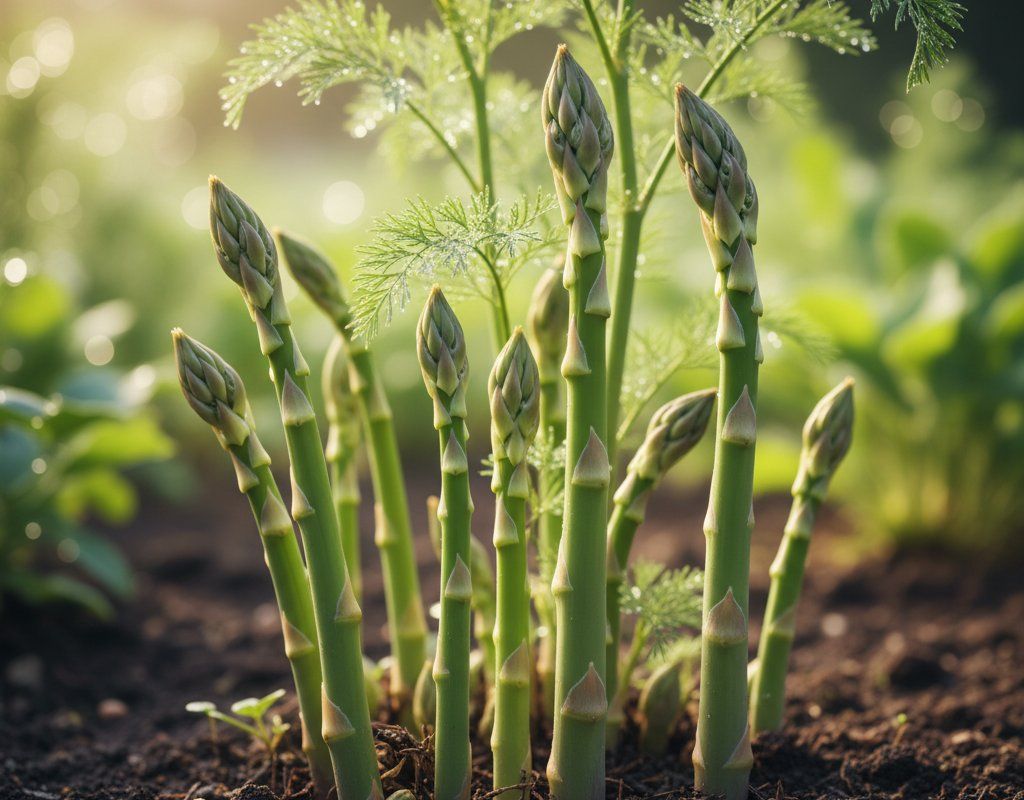



Companion Planting Details
Parsley makes an excellent companion for tomatoes, asparagus, and corn in Pacific Northwest gardens. The herb's deep taproot brings up nutrients that benefit shallow-rooted neighbors, while its flowers attract beneficial insects that help with pest control. Plant parsley near tomatoes to potentially improve their flavor, and use it as a border around asparagus beds where it won't compete for space.
Roses also benefit from parsley companions—the herb's strong scent can help mask rose fragrances from pests, and both thrive in our mild summer conditions. Avoid planting parsley near lettuce, as both compete for similar nutrients and space, and lettuce can bolt quickly in any warm spells while parsley continues producing. Also keep parsley away from mint, which will aggressively spread and overwhelm the more delicate herb, especially in our moist spring conditions.
🌸Best Flowers to Plant with Parsley
These flowers protect your Parsley from pests and attract pollinators for better harvests.
For Pest Control




Get a Reminder When It's Time to Plant
We'll email you when key planting windows open for your zone.