Heirloom Tomatoes in Zone 6B — Southeast
Solanum lycopersicum · Your Complete 2026 Planting Guide
Ideal Time: Start Seeds Indoors!
This is the perfect time for the biggest, best harvest.
Start Seeds Now
- Start seeds in trays or pots with seed-starting mix
- Keep soil moist and warm (70-80°F)
- Transplant outdoors Mid April through mid May
Not Starting from Seed?
Buy starts around April 19 — that works great too!
How to Plant Heirloom Tomatoes in Zone 6B — Southeast
Here are all your options for getting heirloom tomatoes in the ground, from the easiest method to more advanced approaches.
Start Seeds Indoors
RecommendedEarly to late March
around March 8
Then transplant: Mid April through mid May
Start seeds 6-8 weeks before transplanting outdoors.
Buy Starts
Works WellMid April through mid May
around April 19
Plant purchased starts after last frost (April 5).
Direct Sow Seeds
ChallengingDirect sowing is not typical for Heirloom Tomatoes.
Transplant Outdoors
Timing InfoMid April through mid May
around April 19
Wait until nighttime temperatures stay above 50°F.
You have a nice window — no need to rush.
Overview
Heirloom tomatoes are worth every bit of effort in our Zone 6B Southeast gardens. With our long 208-day growing season and reliable summer rainfall, these old-world varieties reach their full potential here, producing fruit with complex flavors that put store-bought tomatoes to shame. Whether you're growing Cherokee Purples, Brandywines, or German Johnsons, our hot and humid summers create the perfect conditions for these indeterminate plants to sprawl and produce heavily from early July straight through until our first frost in late October.
Sure, our steamy Southeast climate brings challenges like fungal diseases and Japanese beetles, but smart timing makes these manageable. Starting seeds indoors during our moderate spring and getting plants established before the real heat hits gives you strong plants that can handle whatever our summer throws at them.
Starting Seeds Indoors
Start your heirloom tomato seeds indoors during early to late March, about 6 weeks before you plan to transplant them outside. You'll want to use seed trays filled with quality potting mix, placing them in a warm spot around 70-75°F for the best germination. A heating mat under the trays works perfectly, especially during our sometimes-cool March nights.
Once seedlings emerge, they need bright light - either a sunny south window or grow lights positioned 2-3 inches above the plants. Water from the bottom by placing seed trays in shallow pans of water rather than watering from above. This prevents damping-off disease, which loves our humid Southeast conditions.
Our moderate spring gives you flexibility with timing, so don't stress if you start seeds a week earlier or later than planned. The key is having sturdy 6-8 week old transplants ready when soil temperatures warm up consistently in mid to late April.
Transplanting Outdoors
Plan to transplant your heirloom tomatoes outdoors from mid-April through mid-May, once nighttime temperatures stay consistently above 50°F and soil has warmed. Before transplanting, harden off your seedlings for a full week by gradually exposing them to outdoor conditions - start with just a few hours in shade, then work up to full sun exposure.
Space these plants 36-48 inches apart to allow for good air circulation in our humid climate. Heirloom tomatoes are typically indeterminate, meaning they'll sprawl and grow throughout our long summer, so they need room to breathe. This spacing also helps prevent disease issues that plague tomatoes in hot, humid conditions.
Watch the weather during transplant season - our Southeast springs can surprise you with late cold snaps or unseasonably warm spells followed by cool nights. If temperatures threaten to drop below 45°F after transplanting, cover plants with row cover or even inverted buckets for protection.
Watering Heirloom Tomatoes in Zone 6B (Southeast)
Consistent moisture is absolutely critical for heirloom tomatoes, especially in our hot Southeast summers where temperatures regularly hit 92°F. These varieties are notorious for cracking when they experience the dry-wet cycle, and unlike hybrids, they haven't been bred for stress tolerance. Plan to provide about 1-2 inches of water per week, either from rainfall or irrigation.
Use the finger test to check soil moisture - stick your finger 2 inches deep near the base of the plant. If it's dry at that depth, it's time to water. With our 45-55 inches of annual rainfall, you might think watering isn't needed, but our afternoon thunderstorms can be inconsistent, and the intense summer heat dries soil quickly even with humidity.
Water at the base of plants rather than overhead to reduce disease pressure in our humid climate. Soaker hoses or drip irrigation work perfectly for this. Morning watering is ideal because it gives plants time to dry before our humid nights set in. Signs of underwatering include wilting during the heat of the day and blossom end rot, while overwatering shows up as yellowing lower leaves and poor fruit development.
Mulch around plants with 2-3 inches of organic material to maintain even soil moisture and reduce watering frequency. In our clay soil, this also helps improve drainage during heavy summer rains while retaining moisture during hot spells.
Supporting Your Heirloom Tomatoes
Install strong support systems at planting time since most heirloom varieties are vigorous indeterminates that will grow 6-8 feet tall in our long growing season. Heavy-duty tomato cages at least 6 feet tall work well, but sturdy stakes with soft ties often provide better support for the large, irregularly shaped fruit that heirlooms produce.
For staking, use 8-foot posts driven 2 feet into the ground, then tie plants loosely with soft cloth strips as they grow. Check ties monthly and loosen them as stems thicken - our rapid summer growth means plants can outgrow their supports quickly. Train main stems upward and secure heavy fruit clusters with additional support to prevent branches from breaking under the weight.
Strong support becomes even more important during our summer thunderstorms, which can topple unsupported plants loaded with heavy fruit. Plan your support system with these afternoon storms in mind.
Pruning & Maintaining Heirloom Tomatoes
Remove suckers (shoots that grow between the main stem and branches) regularly throughout the growing season to improve air circulation and reduce disease pressure. This is especially important in our humid Southeast climate where fungal diseases thrive. Pinch suckers when they're small and soft, or use clean pruning shears for larger ones.
Also remove the lower branches that touch the ground once plants are established and beginning to fruit. This prevents soil-borne diseases from splashing up onto the plant during our frequent summer rains. Continue removing yellowing or diseased foliage throughout the season to keep plants healthy.
About 4-6 weeks before your expected first frost (late October), top the plants by pinching out the growing tips. This encourages the plant to put energy into ripening existing fruit rather than producing new flowers that won't have time to mature before frost ends the season.
🧪Fertilizing Heirloom Tomatoes
Feeding Schedule
Organic Fertilizer Options
Harvest Time
Expect your first ripe heirloom tomatoes from early July through late August, depending on the variety and when you transplanted. With our 80+ day varieties and long growing season, you'll have continuous harvests until frost shuts things down in late October. Unlike hybrids, heirloom ripeness varies by variety - some stay green-shouldered even when ripe, while others turn deep colors all over.
Look for fruits that give slightly to gentle pressure and detach easily from the vine with a light twist and pull. The skin should have full color development for that variety, though some heirlooms maintain green shoulders even when perfectly ripe. Harvest in the morning when fruits are cool and firm rather than during the heat of the day.
Pick tomatoes regularly - daily during peak season in our hot summers - to encourage continued production. Even slightly underripe fruits will ripen perfectly indoors at room temperature if you need to clear the vine for better air circulation or if Japanese beetles become problematic.
As October approaches and nighttime temperatures start dropping into the 40s, harvest all green fruits that show any white blush. These will ripen indoors over several weeks, extending your harvest well past the first frost. Wrap larger green tomatoes individually in newspaper and store in a cool, dark place for the longest storage.
Common Problems in Zone 6B (Southeast)
Cracking shows up as circular rings around the stem end (concentric cracking) or lines radiating out from the stem (radial cracking). You'll see splits in the skin that can expose the flesh underneath to rot and insects. This happens when fruit absorbs water faster than the skin can expand, typically after heavy rain or watering following a dry period. Our inconsistent summer rainfall makes this especially common. Prevent cracking by maintaining consistent soil moisture through mulching and regular watering. Choose crack-resistant varieties like 'Iron Lady' or 'Mountain Fresh Plus' if this is a recurring problem in your garden.
Disease susceptibility appears as various leaf spots, wilting, or fruit rot throughout the growing season. Unlike modern hybrids, heirloom varieties lack built-in disease resistance genes, making them vulnerable to our humid Southeast conditions. Fungal diseases like early blight and bacterial problems thrive in our hot, humid summers with frequent afternoon thunderstorms. Improve air circulation by spacing plants properly and pruning lower branches. Apply preventative organic fungicides early in the season, and remove any affected foliage immediately. Rotate your tomato planting area yearly to break disease cycles.
Lower yields compared to hybrid varieties is normal - heirlooms trade some productivity for superior flavor and unique characteristics. However, consistently poor yields often indicate stress from inconsistent watering, poor soil nutrition in our heavy clay, or disease pressure. Focus on soil improvement with compost, consistent moisture management, and choosing varieties proven to perform well in Southeast heat and humidity.
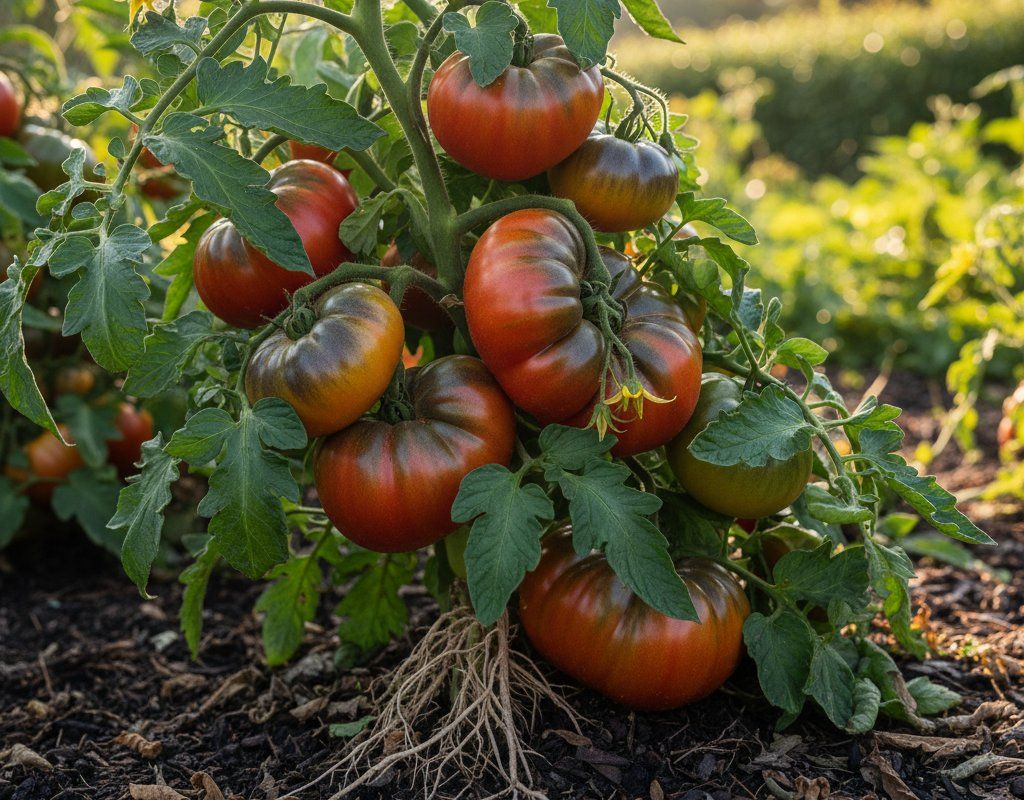
Irregular shapes create bumpy, ribbed, or oddly formed fruits that look nothing like store-bought tomatoes. This is actually a characteristic feature of many heirloom varieties, not a problem to solve. Cool nights during fruit set or poor pollination can make irregular shapes more pronounced. Embrace the unique appearance - these "ugly" tomatoes often have the most complex, delicious flavors that make heirlooms worth growing.
Our Southeast climate creates perfect conditions for both tomato growth and the diseases that love hot, humid weather. The key to success with heirlooms here is managing moisture consistently, providing excellent air circulation, and accepting that some disease pressure is inevitable but manageable with good cultural practices.
Best Companions for Heirloom Tomatoes
Plant these nearby for healthier Heirloom Tomatoes and better harvests.
View Full Companion Planting Chart →



Companion Planting Details
Plant basil near your heirloom tomatoes - it naturally repels aphids and whiteflies while thriving in the same hot conditions. Carrots make excellent companions because their deep taproots break up our heavy clay soil without competing for surface nutrients that tomatoes need. Parsley planted around tomato bases attracts beneficial insects that prey on harmful pests, and marigolds provide natural pest deterrence while adding color to the garden.
Avoid planting brassicas like cabbage or broccoli near tomatoes since they're heavy nitrogen feeders that will compete for nutrients during our intense growing season. Skip fennel entirely - it can inhibit tomato growth. Corn should be planted well away from tomatoes since both are susceptible to similar pests like hornworms, and corn can shade tomatoes from the full sun they need in our climate.
🌸Best Flowers to Plant with Heirloom Tomatoes
These flowers protect your Heirloom Tomatoes from pests and attract pollinators for better harvests.
For Pest Control

Get a Reminder When It's Time to Plant
We'll email you when key planting windows open for your zone.