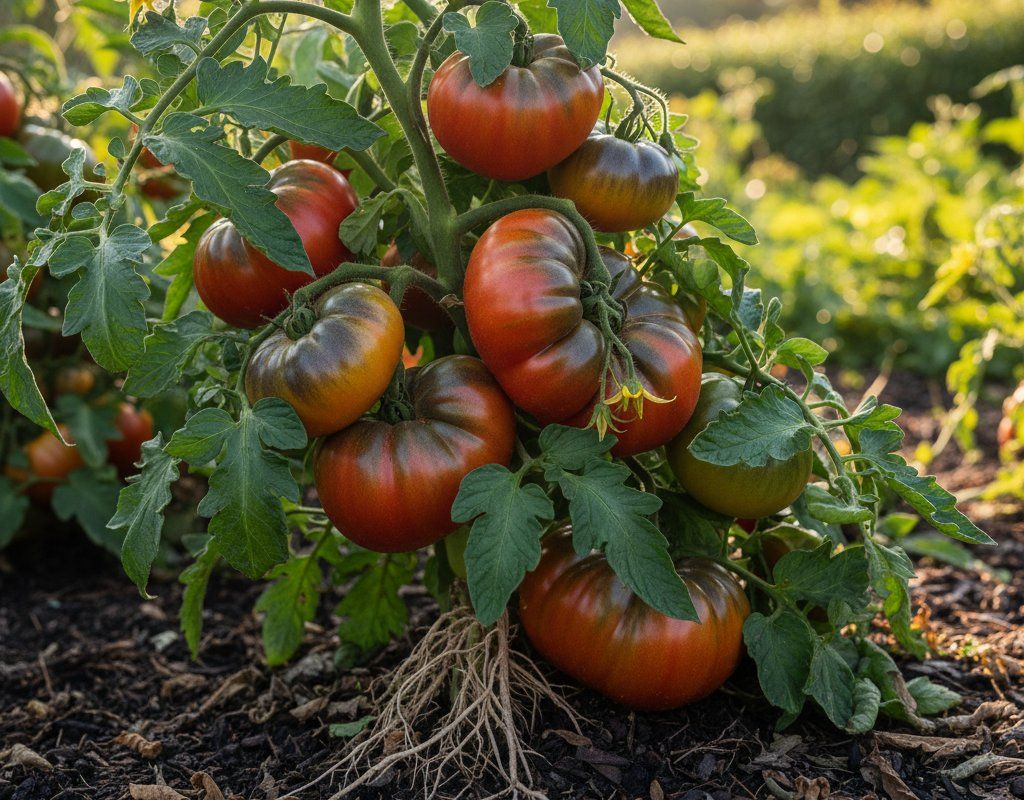
Heirloom Tomatoes in Zone 6B — Texas
Solanum lycopersicum · Your Complete 2026 Planting Guide
Last Call for Seed Starting!
Indoor seed starting window closes in 7 days.
Start Seeds This Week
Start seeds now for transplanting later.
Or Wait for Starts
If you don’t want to start seeds, starts will be available around April 8.
How to Plant Heirloom Tomatoes in Zone 6B — Texas
Here are all your options for getting heirloom tomatoes in the ground, from the easiest method to more advanced approaches.
Start Seeds Indoors
RecommendedMid February through mid March
around February 25
Then transplant: Early April through early May
Start seeds 6-8 weeks before transplanting outdoors.
Buy Starts
Works WellEarly April through early May
around April 8
Plant purchased starts after last frost (March 25).
Direct Sow Seeds
ChallengingDirect sowing is not typical for Heirloom Tomatoes.
Transplant Outdoors
Timing InfoEarly April through early May
around April 8
Wait until nighttime temperatures stay above 50°F.
You have a nice window — no need to rush.
Overview
Growing heirloom tomatoes in Zone 6B Texas gives you access to flavors and varieties you'll never find at the grocery store. With our long 230-day growing season, you can enjoy these incredible tomatoes from late June through the first frost in early November. The irregular shapes, vibrant colors, and complex flavors make every harvest feel like discovering buried treasure in your own backyard.
Yes, our Texas heat and unpredictable weather can challenge heirloom tomatoes more than hardy hybrids, but proper timing makes all the difference. Starting seeds indoors during our mild winter months and getting plants established before the brutal summer heat arrives sets you up for success. The payoff in taste alone makes every bit of extra care worthwhile.
Starting Seeds Indoors
Start your heirloom tomato seeds indoors from mid-February through mid-March, about six weeks before you plan to transplant outside. Texas gardeners get the advantage of an early spring start, giving your tomatoes plenty of time to establish before summer's peak heat arrives.
Set up seed trays in a warm spot that stays around 70-75°F, or use a heat mat to maintain consistent soil temperature. Once seedlings emerge, they'll need bright light from a south-facing window or grow lights positioned 2-3 inches above the plants. Bottom watering works best for tomato seedlings—place trays in shallow water and let the soil absorb moisture from below to prevent damping off.
Keep seedlings consistently moist but not waterlogged, and start fertilizing weekly with diluted liquid fertilizer once they develop their first true leaves. Your indoor setup protects these tender plants from Texas's unpredictable late winter weather while giving them the controlled environment they need to develop strong root systems.
Transplanting Outdoors
Transplant your heirloom tomatoes outdoors from early April through early May, after the last frost danger has passed and nighttime temperatures stay consistently above 50°F. Texas springs can fool you with warm spells followed by sudden cold snaps, so wait until you're confident winter is truly behind you.
Spend a full week hardening off your seedlings by gradually exposing them to outdoor conditions. Start with just an hour or two of morning sun, then increase their outdoor time daily until they're spending full days outside. This process prevents transplant shock and helps plants adjust to Texas's intense sun and variable humidity.
Space your plants 36-48 inches apart to ensure good air circulation—this extra room becomes crucial during our humid summers when fungal diseases thrive. Choose a spot with full sun and well-draining soil, as heirloom tomatoes need at least 6-8 hours of direct sunlight daily to produce their best fruit.
Watering Heirloom Tomatoes in Zone 6B (Texas)
Heirloom tomatoes demand consistent moisture throughout the growing season, making water management critical in Texas's unpredictable climate. These varieties crack more easily than hybrids when they experience the dry-wet cycles common with our sporadic rainfall patterns that can swing from 15 to 50 inches annually.
Water deeply 2-3 times per week during spring and fall, increasing to daily watering once temperatures consistently hit the mid-90s. Check soil moisture by sticking your finger 2 inches deep—if it's dry at that level, it's time to water. Each plant needs about 1-2 inches of water per week, but during Texas heat waves with temperatures reaching 97°F and above, they may need even more.
Water at the base of plants rather than overhead to reduce disease risk in our variable humidity. Soaker hoses or drip irrigation work best, delivering water directly to root zones without wetting foliage. Watch for signs of stress: wilting leaves during the heat of the day is normal, but if plants don't perk up by evening, increase watering frequency.
Apply a thick layer of mulch around plants to help retain moisture and moderate soil temperature swings. In Texas, this becomes your best defense against both drought stress and the sudden deluges that can cause fruit cracking when plants rapidly uptake water after being too dry.
Supporting Your Heirloom Tomatoes
Install sturdy cages or stakes at planting time since most heirloom tomatoes are indeterminate varieties that grow 6-8 feet tall with vigorous, sprawling habits. These plants produce heavy, irregularly shaped fruit throughout the season, requiring stronger support than typical hybrid varieties.
Choose 6-foot tall cages made from concrete reinforcing wire, or use 8-foot wooden stakes driven 2 feet deep into the ground. Heavy-duty tomato cages from garden centers often aren't strong enough for vigorous heirlooms—you'll end up with bent cages and broken plants by mid-season.
Train main stems up through cage centers or tie them loosely to stakes with soft cloth strips every 12-18 inches. As side branches develop, weave them through cage openings or add additional ties. The irregular growth habit of heirloom varieties means you'll spend more time training and adjusting support throughout the season compared to more uniform hybrid types.
Pruning & Maintaining Heirloom Tomatoes
Prune suckers (shoots growing between main stems and branches) regularly to maintain plant shape and improve air circulation. Good airflow becomes especially important for heirloom varieties since they're more susceptible to fungal diseases than modern hybrids, and our Texas humidity creates perfect conditions for problems.
Remove lower branches that touch the ground and any yellowing or diseased foliage throughout the season. As plants mature, thin out some interior growth to allow light and air to penetrate the canopy. Don't over-prune though—heirlooms need adequate leaf cover to protect developing fruit from sunscald during extreme Texas heat.
About 4-6 weeks before your first expected frost in early November, top the plants by pinching out growing tips. This stops new fruit production and channels energy into ripening existing tomatoes. Remove any small green tomatoes that won't have time to mature, allowing plants to focus on finishing the fruit with the best chance of ripening before cold weather arrives.
🧪Fertilizing Heirloom Tomatoes
Feeding Schedule
Organic Fertilizer Options
Harvest Time
Your first heirloom tomatoes will be ready from late June through mid-August, about 80 days after transplanting. Unlike uniform hybrid varieties, heirloom ripeness varies significantly by variety—some turn deep red, others stay green with yellow shoulders, and some develop purple, black, or striped patterns.
Look for slight softness when you gently squeeze the fruit, and check if tomatoes detach easily from the vine with a gentle twist. Many heirlooms will have green shoulders even when fully ripe, so don't wait for complete color change. The fruit should give slightly to pressure but still feel firm, not mushy.
Harvest regularly every 2-3 days during peak season to encourage continued production. Cut or twist fruit from vines carefully to avoid damaging plants—heirloom varieties often have more fragile stems than hybrids. Handle the irregularly shaped fruit gently since those ridges and indentations can bruise easily.
As early November approaches and frost threatens, harvest all remaining fruit regardless of ripeness. Green tomatoes will continue ripening indoors at room temperature, though the flavor won't match vine-ripened fruit. Place them in a paper bag with a banana to speed ripening, or wrap individually in newspaper and store in a cool, dark place for gradual ripening over several weeks.
Common Problems in Zone 6B (Texas)
Fruit Cracking Concentric circles around the stem end or radial splits running down the sides of tomatoes indicate cracking. This common heirloom problem occurs when heavy watering or sudden rain follows a dry period, causing fruit to absorb water faster than the skin can expand. Texas's unpredictable rainfall patterns make this especially challenging. Maintain consistent soil moisture through regular watering and thick mulching. Harvest fruit promptly when ripe, and choose crack-resistant varieties like 'Mountain Fresh Plus' if this becomes a persistent issue.
Disease Susceptibility Yellowing leaves, dark spots, wilting, and overall poor plant health signal disease problems that plague heirloom varieties more than modern hybrids. These open-pollinated varieties lack the resistance genes bred into commercial types. Texas's variable humidity creates perfect conditions for fungal issues like early blight and septoria leaf spot. Improve air circulation through wider spacing and regular pruning. Apply preventive copper fungicide sprays during humid periods, and remove affected foliage immediately to prevent spread.
Lower Yields Heirloom plants often produce fewer fruits per plant compared to hybrid varieties bred for production. This characteristic, combined with Texas heat stress, can result in disappointing harvests. The trade-off comes in superior flavor and unique varieties unavailable elsewhere. Provide consistent water and fertility, choose heat-tolerant heirloom varieties, and consider succession planting for continuous harvests rather than expecting massive production from single plants.
Irregular Shapes Ridged, bumpy, or oddly-shaped tomatoes are normal for many heirloom varieties, though poor pollination during extreme heat can worsen the problem. When Texas temperatures soar above 90°F, pollen becomes less viable and fruit development suffers. These "ugly" tomatoes often have the best flavor, so embrace the character. If appearance matters for specific uses, grow a few hybrid varieties alongside your heirlooms, or choose naturally uniform heirloom types like 'Stupice' or 'San Marzano'.
Texas gardeners face additional challenges with extreme heat causing blossom end rot and poor fruit set, while sudden temperature swings can stress plants and reduce production. Our unpredictable weather patterns—from drought to flash floods—test heirloom varieties' limits, but proper soil preparation and consistent care help these treasured varieties thrive despite the challenges.
Best Companions for Heirloom Tomatoes
Plant these nearby for healthier Heirloom Tomatoes and better harvests.
View Full Companion Planting Chart →



Companion Planting Details
Plant basil alongside your heirloom tomatoes for natural pest control and improved flavor—many Texas gardeners swear the combination enhances tomato taste while repelling aphids and hornworms. Carrots make excellent companions since their deep taproots don't compete with tomatoes' shallow root systems, and parsley planted nearby attracts beneficial insects that prey on tomato pests. Marigolds scattered throughout the tomato patch help deter nematodes in Texas soils while adding color and attracting pollinators.
Avoid planting brassicas like cabbage or broccoli near tomatoes since they're heavy feeders that compete for nutrients, and they attract different pests that can complicate your pest management. Keep fennel away from tomatoes as it can inhibit growth through allelopathic effects. Corn planted too close creates shade that reduces tomato production and can harbor corn earworms that also attack tomato fruit—maintain at least 20 feet between corn and tomato plantings in Texas gardens.
🌸Best Flowers to Plant with Heirloom Tomatoes
These flowers protect your Heirloom Tomatoes from pests and attract pollinators for better harvests.
For Pest Control

Get a Reminder When It's Time to Plant
We'll email you when key planting windows open for your zone.