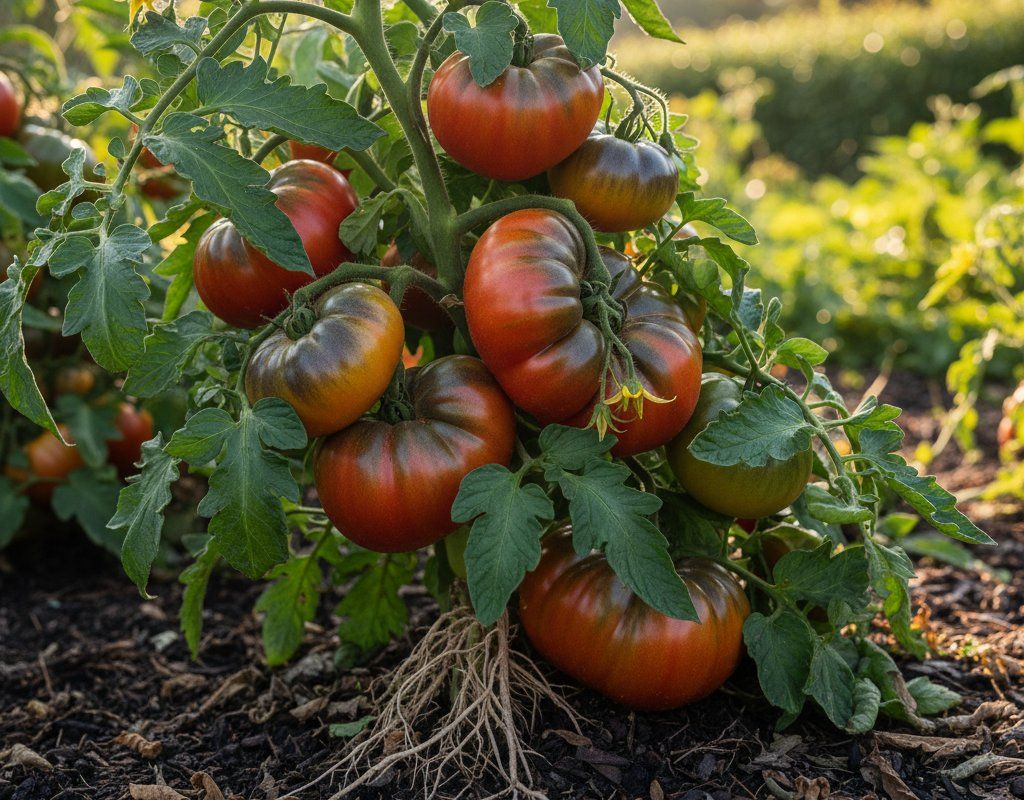
Heirloom Tomatoes in Zone 7A — Southeast
Solanum lycopersicum · Your Complete 2026 Planting Guide
Last Call for Seed Starting!
Indoor seed starting window closes in 7 days.
Start Seeds This Week
Start seeds now for transplanting later.
Or Wait for Starts
If you don’t want to start seeds, starts will be available around April 8.
How to Plant Heirloom Tomatoes in Zone 7A — Southeast
Here are all your options for getting heirloom tomatoes in the ground, from the easiest method to more advanced approaches.
Start Seeds Indoors
RecommendedMid February through mid March
around February 25
Then transplant: Early April through early May
Start seeds 6-8 weeks before transplanting outdoors.
Buy Starts
Works WellEarly April through early May
around April 8
Plant purchased starts after last frost (March 25).
Direct Sow Seeds
ChallengingDirect sowing is not typical for Heirloom Tomatoes.
Transplant Outdoors
Timing InfoEarly April through early May
around April 8
Wait until nighttime temperatures stay above 50°F.
You have a nice window — no need to rush.
Overview
Heirloom tomatoes are the crown jewel of any Southeast garden, offering flavors that no store-bought tomato can match. With our long 225-day growing season and reliable summer rainfall, you can enjoy an extended harvest of these beauties from late June well into fall. The varieties that have survived generations often perform beautifully in our hot and humid conditions, giving you everything from sweet cherry types to massive slicing tomatoes with complex, old-fashioned flavor.
While heirlooms can be more challenging than modern hybrids—especially with our disease pressure from humidity and afternoon thunderstorms—proper timing makes all the difference. Starting seeds indoors gives you control over their early development, and transplanting after our soil warms up sets them up for success through our intense summer heat.
Starting Seeds Indoors
Start your heirloom tomato seeds indoors from mid-February through mid-March, about 6 weeks before you plan to transplant them outside. This timing works perfectly with our moderate spring character, giving your seedlings enough time to develop strong root systems before facing the Southeast heat.
Set up seed trays in a warm spot (70-75°F works best) with good light—either a sunny south window or grow lights positioned 2-3 inches above the trays. Plant seeds about ¼ inch deep in quality seed-starting mix. Bottom watering works better than overhead watering since it prevents damping-off disease and keeps the soil surface from getting too soggy.
Keep the soil consistently moist but not waterlogged, and you should see germination within 7-10 days. Once your seedlings develop their first true leaves, you can move them to individual pots if you started them in cell trays.
Transplanting Outdoors
Transplant your heirloom tomato seedlings outdoors from early April through early May, after our last frost danger has passed and soil temperatures consistently stay above 60°F. Before planting, harden them off gradually over a full week—start with just an hour outdoors in filtered light, then gradually increase their time and sun exposure each day.
Space these plants 36-48 inches apart, which is wider than you might think necessary but crucial for air circulation in our humid climate. Heirlooms are already more disease-prone than hybrids, and crowded plants invite fungal problems during our steamy summers. Dig your planting holes deep enough to bury about two-thirds of the stem—tomatoes will develop roots along any buried stem portion.
Watch the weather closely during transplant season, as we can still get unexpected late cold snaps. Have row covers or even old bed sheets ready to protect your transplants if temperatures threaten to drop below 50°F at night.
Watering Heirloom Tomatoes in Zone 7A (Southeast)
Consistent moisture is absolutely critical for heirloom tomatoes—these varieties crack much more easily than hybrids when they go through wet-dry cycles. In our hot and humid Southeast climate, you'll need to provide about 1-1.5 inches of water per week, including rainfall. During peak summer when temperatures hit 92°F regularly, they may need even more.
Use the finger test to check soil moisture: stick your finger 2 inches deep into the soil near the base of the plant. If it feels dry at that depth, it's time to water deeply. Water at the base of the plant rather than overhead—our high humidity means wet foliage stays wet longer, inviting fungal diseases that heirlooms are already prone to.
Our reliable summer rainfall is both a blessing and a challenge. While it often provides much of what your tomatoes need, those afternoon thunderstorms can dump too much water too fast, leading to cracking and root problems in clay soil. Mulch around your plants with 2-3 inches of straw or shredded hardwood to help maintain even moisture levels and prevent soil from splashing onto lower leaves.
Signs of underwatering include wilting during the heat of the day (even with adequate soil moisture), blossom end rot, and small, tough fruit. Overwatering shows up as yellowing lower leaves, slow growth, and increased disease problems in our humid conditions.
Supporting Your Heirloom Tomatoes
Install sturdy cages or stakes at planting time—heirloom tomatoes are almost always indeterminate varieties that will grow 6-8 feet tall in our long growing season. Heavy-duty tomato cages work well, but many gardeners prefer the stake-and-string method using 8-foot stakes driven 2 feet into the ground.
The irregular, often massive fruit that makes heirlooms so special also makes them heavy. A single Cherokee Purple or Brandywine tomato can weigh over a pound, so your support system needs to handle that weight multiplied by dozens of fruit. Flimsy store-bought cages will collapse under the load by mid-summer.
Tie stems loosely to supports using soft materials like cloth strips or tomato ties—never use wire or tight string that can cut into the growing stems. Check and adjust ties throughout the season as the plants grow, and don't be afraid to add additional stakes if branches start sagging under the weight of developing fruit.
Pruning & Maintaining Heirloom Tomatoes
Remove suckers—the shoots that grow between the main stem and branches—regularly throughout the growing season, especially when they're small and easy to pinch off. This focuses the plant's energy on fruit production rather than excessive foliage, which is particularly important in our humid climate where good air circulation helps prevent disease.
Also prune off the lowest branches that touch the ground, as these are most likely to pick up soil-borne diseases from splashing rain. As the season progresses, remove any yellowing or diseased leaves promptly—don't wait for them to drop on their own.
About 4-6 weeks before your expected first frost (early November here), top the plants by pinching out the growing tips. This stops upward growth and directs energy into ripening existing fruit. You can also remove any small fruit that clearly won't have time to mature, which helps the larger tomatoes finish properly before cold weather arrives.
🧪Fertilizing Heirloom Tomatoes
Feeding Schedule
Organic Fertilizer Options
Harvest Time
Expect your first ripe heirloom tomatoes from late June through mid-August, depending on the variety and your planting date. Unlike hybrids bred for uniform ripening, heirlooms often show their readiness in subtle ways—look for the first hint of color change (which varies dramatically by variety), slight softness when gently squeezed, and easy separation from the vine with gentle twisting.
Many heirloom varieties keep green shoulders or have unusual color patterns when ripe, so don't wait for complete color change like you would with a standard red tomato. Cherokee Purples develop deep dusky colors, while Green Zebras stay mostly green with yellow stripes. Learn your varieties' specific ripening signs.
Harvest regularly to keep plants producing—check every 2-3 days during peak season as fruit can go from perfect to overripe quickly in our heat. Cut or twist fruit from the vine rather than pulling, which can damage the plant and reduce future production.
As your first frost approaches in early November, harvest all remaining fruit regardless of maturity. Green tomatoes will continue ripening indoors if kept at room temperature—place them in a paper bag with a ripe banana to speed the process. You can often enjoy fresh heirloom tomatoes well into December this way.
Common Problems in Zone 7A (Southeast)
Cracking appears as splits in the tomato skin, either in circles around the stem end or radiating lines from the stem. The exposed flesh is prone to rot and insect damage. This happens when fruit absorbs water faster than the skin can expand, typically after heavy rain or watering following a dry period. Our afternoon thunderstorms following hot, dry spells create perfect cracking conditions. Prevent this by maintaining consistent soil moisture through mulching and regular watering, and harvest fruit promptly when ripe rather than leaving them on the vine.
Disease susceptibility shows up as various leaf spots, wilting, and fruit rot throughout the season. Heirloom varieties lack the disease-resistance genes bred into modern hybrids, making them sitting ducks for the fungal diseases that thrive in our hot and humid conditions. Combat this by spacing plants wider for air circulation, avoiding overhead watering, applying preventative fungicide early in the season, and removing affected foliage immediately. Consider disease-resistant heirloom varieties like Mountain Fresh Plus for particularly problematic spots.
Lower yields compared to hybrid varieties is simply the trade-off for superior flavor and genetic diversity. Heirloom plants typically produce fewer but larger, more flavorful fruit than their hybrid cousins. This is normal and expected—you're growing for quality over quantity. Maximize what you get by providing optimal growing conditions, consistent watering, and proper nutrition.
Irregular shapes like ribbing, bumps, and lopsided development are actually characteristic features of many heirloom varieties, not defects. Poor pollination during cool spells or extreme heat can worsen this, but some varieties like Mortgage Lifter are naturally heavily ribbed. Embrace these unique shapes—they often signal the most intense flavors. If uniform appearance matters for your kitchen, stick with varieties known for more regular shapes.
The Southeast's combination of intense heat, high humidity, and frequent rainfall creates particular challenges for heirloom tomatoes. Our clay soil can become waterlogged during heavy storms, while the humidity encourages fungal diseases that these varieties are already prone to. Japanese beetles may also target stressed plants, and deer find the ripening fruit irresistible.
Best Companions for Heirloom Tomatoes
Plant these nearby for healthier Heirloom Tomatoes and better harvests.
View Full Companion Planting Chart →



Companion Planting Details
Plant basil near your heirloom tomatoes—it naturally repels aphids and whiteflies while thriving in the same hot conditions your tomatoes love. Carrots make excellent ground-level companions since their deep taproots help break up our clay soil without competing for nutrients, and parsley attracts beneficial insects that prey on tomato pests. Marigolds planted around the garden perimeter can help deter nematodes and add color while tolerating our intense summer heat.
Avoid planting brassicas like cabbage or broccoli near tomatoes, as they're heavy nitrogen feeders that will compete for nutrients, plus they attract different pests that can spill over to your tomatoes. Keep fennel far away—it releases compounds that can stunt tomato growth. Also avoid corn, which attracts corn earworms that readily switch to tomato fruit, and both crops are favorite targets of our local deer population.
🌸Best Flowers to Plant with Heirloom Tomatoes
These flowers protect your Heirloom Tomatoes from pests and attract pollinators for better harvests.
For Pest Control

Get a Reminder When It's Time to Plant
We'll email you when key planting windows open for your zone.