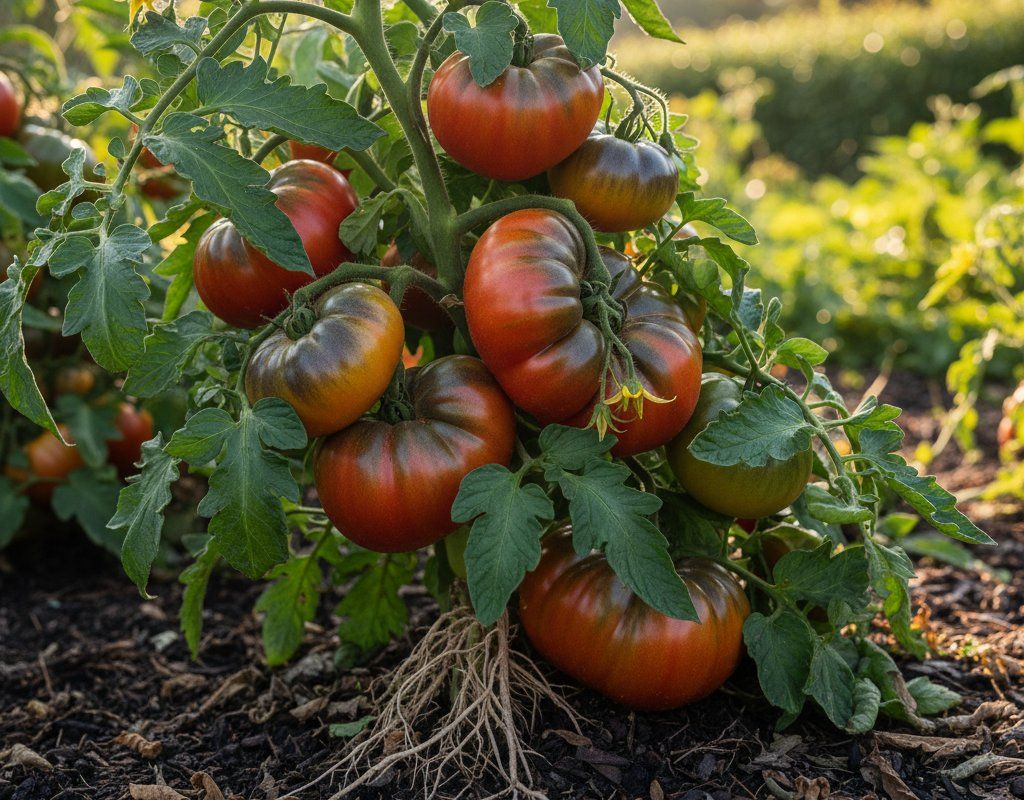
Heirloom Tomatoes in Zone 7B — Northern California
Solanum lycopersicum · Your Complete 2026 Planting Guide
Missed Seed Starting? No Problem!
Wait for starts to become available.
What to Do
Starts will be available at nurseries in 25 days (around March 29).
How to Plant Heirloom Tomatoes in Zone 7B — Northern California
Here are all your options for getting heirloom tomatoes in the ground, from the easiest method to more advanced approaches.
Start Seeds Indoors
RecommendedEarly February through early March
around February 15
Then transplant: Late March through late April
Start seeds 6-8 weeks before transplanting outdoors.
Buy Starts
Works WellLate March through late April
around March 29
Plant purchased starts after last frost (March 15).
Direct Sow Seeds
ChallengingDirect sowing is not typical for Heirloom Tomatoes.
Transplant Outdoors
Timing InfoLate March through late April
around March 29
Wait until nighttime temperatures stay above 50°F.
You have a nice window — no need to rush.
Overview
Heirloom tomatoes are the crown jewels of Northern California gardens, offering complex flavors and stunning varieties that thrive in our Mediterranean climate. With our 245-day growing season and warm, dry summers, you can grow everything from Cherokee Purples to Brandywines with exceptional results. The steady heat and low humidity create ideal conditions for developing those rich, nuanced flavors that make store-bought tomatoes pale in comparison.
While our early spring warmth might tempt you to plant too soon, and summer water restrictions can challenge these thirsty plants, proper timing makes growing heirlooms completely manageable. Starting seeds indoors in early spring gives you control over those crucial first weeks, and our long, frost-free growing season means you'll harvest well into fall.
Starting Seeds Indoors
Start your heirloom tomato seeds indoors during early February through early March, about 6 weeks before you plan to transplant outside. Northern California's early spring character means you can get a jump start while nighttime temperatures are still too cool for tender seedlings outdoors.
Set up seed trays with a quality seed-starting mix and place them in a warm spot—around 70-75°F works best for germination. Bottom watering works better than overhead watering for seedlings, keeping the soil evenly moist without disturbing tiny roots or promoting fungal issues. Once seeds sprout, provide bright light from a south-facing window or grow lights.
Your seedlings will need 4-6 weeks to develop strong root systems and their second set of true leaves before they're ready for transplanting. This indoor start gives heirlooms the head start they need to produce their first ripe tomatoes by midsummer.
Transplanting Outdoors
Transplant your heirloom seedlings outdoors from late March through late April, after the last frost risk has passed in mid-March. Northern California's spring weather can be unpredictable with warm spells followed by cool snaps, so watch the forecast and be ready to protect young plants if temperatures threaten to dip below 50°F.
Harden off seedlings gradually over a week, starting with 2-3 hours of morning sun and working up to full days outside. Space plants 36-48 inches apart—heirlooms need more room than hybrids since most varieties are vigorous indeterminates that can easily reach 6-8 feet tall and 3-4 feet wide.
Choose a spot with full sun (6-8 hours daily) and excellent drainage. Our heavy clay soils benefit from amendments like compost, and raised beds work particularly well for tomatoes in Northern California's varied microclimates.
Watering Heirloom Tomatoes in Zone 7B (Northern California)
Consistent watering is absolutely critical for heirloom tomatoes in Northern California's dry summer climate. These plants need about 1-2 inches of water per week, but our low humidity and warm days mean you'll likely need to water every 2-3 days once temperatures hit the 80s. Unlike some drought-tolerant crops, tomatoes simply can't handle the feast-or-famine watering that our natural rainfall pattern provides.
Use the finger test to check soil moisture—stick your finger 2 inches deep near the plant base. If it's dry at that depth, it's time to water. Water at the base of plants rather than overhead, as our low humidity won't help leaves dry quickly enough to prevent disease issues. Deep, thorough watering encourages strong root development and helps prevent the cracking that heirlooms are prone to when they get irregular moisture.
During peak summer months (July through September), you'll need to be especially vigilant about consistent watering. A thick layer of organic mulch around plants helps retain moisture and moderate soil temperature swings. This is crucial during our typical dry spells and helps you stretch your water usage during restriction periods.
Signs of underwatering include wilting during the heat of the day (even with adequate soil moisture), blossom end rot, and small, tough fruit. Overwatering shows up as yellowing lower leaves, slow growth, and increased susceptibility to fungal diseases.
Supporting Your Heirloom Tomatoes
Install sturdy support systems at planting time—most heirloom varieties are indeterminate growers that will easily reach 6-8 feet tall and produce heavy, irregularly shaped fruit throughout the season. Heavy-duty tomato cages (6 feet tall minimum) or strong stakes with soft ties work best, as heirlooms need more robust support than compact hybrid varieties.
For staking, use 8-foot stakes driven 18 inches into the ground, leaving 6+ feet above soil level. Tie plants loosely with soft materials like cloth strips or tomato ties, creating a figure-8 pattern that supports the stem without cutting into it. Check and adjust ties monthly as plants grow rapidly during our warm growing season.
Strong support prevents branches from breaking under the weight of large, irregular heirloom fruit and improves air circulation—especially important in our low-humidity climate where good airflow helps prevent disease issues.
Pruning & Maintaining Heirloom Tomatoes
Remove suckers (shoots growing between main stems and branches) regularly throughout the growing season to keep plants manageable and improve air circulation. Heirlooms are more susceptible to diseases than hybrid varieties, so maintaining good airflow through moderate pruning is essential in Northern California's conditions.
Pinch off suckers when they're small and soft, and remove lower leaves that touch the ground or show any signs of disease. As the season progresses, remove yellowing or damaged foliage promptly to prevent problems from spreading.
In late October through early November, before our first frost typically arrives in mid-November, top your plants by removing growing tips. This redirects energy into ripening existing fruit rather than producing new flowers that won't have time to mature. Continue harvesting green tomatoes before hard frost and ripen them indoors.
🧪Fertilizing Heirloom Tomatoes
Feeding Schedule
Organic Fertilizer Options
Harvest Time
Expect your first ripe heirloom tomatoes from mid-June through early August, depending on variety and when you transplanted. With our 80-day average maturity and long growing season, you'll enjoy continuous harvests well into fall, often until the first frost in mid-November.
Harvest indicators vary dramatically by variety—some heirlooms stay green-shouldered when ripe, while others develop deep, rich colors. Look for slight softness when gently squeezed and easy separation from the vine with a gentle twist. Many heirlooms develop their best flavor when allowed to fully ripen on the vine, unlike commercial varieties bred for shipping.
Check plants every 2-3 days during peak season, as ripe heirlooms can become overripe quickly in our warm summer weather. Harvest in the morning when temperatures are cooler and fruit is fully hydrated. Handle carefully—many heirloom varieties have tender skins that bruise easily.
As fall approaches and nighttime temperatures start dropping into the 40s, harvest remaining green tomatoes and ripen them indoors. Place them in a paper bag with a ripe banana or apple, or wrap individually in newspaper and store in a cool, dark place. Our extended fall season often allows plants to keep producing until mid-November if protected from early frosts.
Common Problems in Zone 7B (Northern California)
Cracking appears as splits in tomato skin, either in concentric circles around the stem or radiating lines from stem to bottom. The splits expose flesh and can lead to rot, especially disappointing after months of careful growing. This happens when fruit absorbs water faster than skin can expand, typically after heavy watering following a dry spell. Northern California's dry summer pattern makes this particularly common when gardeners overcompensate with heavy watering after letting plants get too dry. Prevent cracking by maintaining consistent soil moisture through regular deep watering and thick mulching, and harvest promptly when fruit is ripe.
Disease susceptibility shows as various leaf spots, yellowing, wilting, or fruit problems throughout the season. Heirlooms lack the disease resistance bred into modern hybrids, making them more prone to fungal and bacterial issues. Our low humidity helps somewhat, but poor air circulation and inconsistent watering create perfect conditions for problems. Improve plant health by spacing them properly (36-48 inches apart), pruning suckers and lower growth, and watering at soil level rather than overhead. Remove affected foliage immediately and consider preventative organic fungicide applications during cool, damp spring weather.
Lower yields compared to hybrid varieties is normal for heirlooms, as they're bred for flavor rather than production efficiency. However, yields suffer more when plants are stressed by inconsistent watering, inadequate support, or overcrowding. Maximize production by providing optimal growing conditions and harvesting regularly to encourage continued fruit set.
Irregular shapes include bumps, ridges, catfacing, and uneven development that make fruit look deformed compared to perfect hybrid tomatoes. This is largely characteristic of heirloom varieties—many of the most flavorful types naturally produce odd-shaped fruit. Cool temperatures during fruit set (below 55°F at night) can also cause irregular development. Accept that "ugly" heirlooms often have the most complex flavors, and save the prettiest ones for fresh eating while using irregularly shaped fruit for sauces and cooking.
Northern California's moderate-to-hot summer heat and dry conditions actually favor heirloom tomato growing compared to many regions, but water restrictions during drought years can stress these high-water-need plants. Plan for efficient irrigation systems and choose locations that maximize natural moisture retention.
Best Companions for Heirloom Tomatoes
Plant these nearby for healthier Heirloom Tomatoes and better harvests.
View Full Companion Planting Chart →



Companion Planting Details
Plant basil near heirloom tomatoes for both practical and culinary benefits—basil naturally repels aphids and hornworms while its shallow roots won't compete with tomatoes' deeper root system. Carrots work well as they break up clay soil and mature before tomatoes need full space, while parsley attracts beneficial insects that prey on tomato pests. Marigolds planted around tomato beds help deter nematodes and other soil pests, particularly valuable in Northern California gardens where these problems persist year-round in our mild winters.
Avoid planting brassicas (cabbage family), fennel, or corn near tomatoes. Brassicas can stunt tomato growth through allelopathy, fennel inhibits growth of most vegetables, and corn attracts similar pests while competing for nutrients and water—especially problematic during our dry summer months when water conservation is essential.
🌸Best Flowers to Plant with Heirloom Tomatoes
These flowers protect your Heirloom Tomatoes from pests and attract pollinators for better harvests.
For Pest Control

Get a Reminder When It's Time to Plant
We'll email you when key planting windows open for your zone.