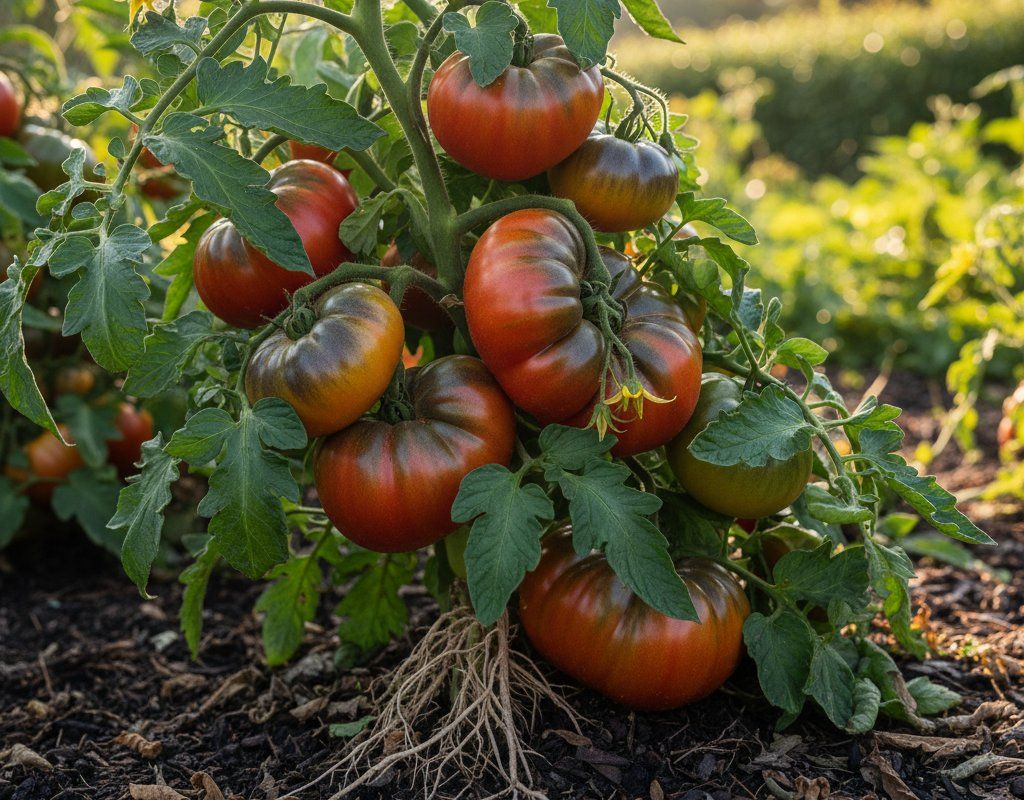
Heirloom Tomatoes in Zone 8A — Gulf Coast
Solanum lycopersicum · Your Complete 2026 Planting Guide
Missed Seed Starting? No Problem!
Wait for starts to become available.
What to Do
Starts will be available at nurseries in 11 days (around March 15).
How to Plant Heirloom Tomatoes in Zone 8A — Gulf Coast
Here are all your options for getting heirloom tomatoes in the ground, from the easiest method to more advanced approaches.
Start Seeds Indoors
RecommendedLate January through mid February
around February 1
Then transplant: Mid March through mid April
Start seeds 6-8 weeks before transplanting outdoors.
Buy Starts
Works WellMid March through mid April
around March 15
Plant purchased starts after last frost (March 1).
Direct Sow Seeds
ChallengingDirect sowing is not typical for Heirloom Tomatoes.
Transplant Outdoors
Timing InfoMid March through mid April
around March 15
Wait until nighttime temperatures stay above 50°F.
You have a nice window — no need to rush.
Overview
Heirloom tomatoes shine in our Gulf Coast climate with their incredible flavor diversity and heat tolerance that makes our long growing season worthwhile. While hybrids might produce more consistently, nothing beats the taste of a Cherokee Purple or Brandywine that's ripened in our humid heat – these varieties were selected over generations for flavor, not shipping ability. Your 269-day growing season gives you plenty of time to enjoy multiple harvests from indeterminate varieties that keep producing until our late November frost.
Yes, our high humidity creates disease pressure that heirloom varieties can struggle with more than modern hybrids. But with proper timing and spacing, you can work with our climate rather than against it – starting seeds during our mild winter months and getting plants established before the most challenging summer weather arrives.
Starting Seeds Indoors
Start your heirloom tomato seeds indoors during late January through mid-February, about 6 weeks before you plan to transplant outside. Our early spring gives you flexibility with transplant timing, so you don't need to rush the indoor process. Use seed starting trays with a good seed-starting mix and keep them warm – around 70-75°F works well for germination.
Bottom watering works better than overhead watering for seedlings, especially with our humidity levels. Place your seed trays in shallow pans of water and let the soil absorb moisture from below. This prevents fungal issues that can plague seedlings in our climate.
Once seedlings emerge and develop their first true leaves, provide strong light for 14-16 hours daily. Our mild winter days aren't long or bright enough for strong tomato seedlings, so supplemental grow lights are essential for sturdy transplants.
Transplanting Outdoors
Transplant your heirloom tomato seedlings outdoors from mid-March through mid-April, once nighttime temperatures stay consistently above 55°F. Our Gulf Coast springs can have temperature swings, so watch the forecast and be ready to protect plants if an unexpected cool spell arrives. You have about a 4-week window to get them in the ground before our heat really intensifies.
Harden off seedlings gradually over a week before transplanting – start with 2-3 hours of morning sun and work up to full days outdoors. This step is crucial since indoor-grown seedlings aren't ready for our intense sun and humidity right away.
Space heirloom tomatoes 36-48 inches apart to allow for good air circulation. This wider spacing is especially important in our humid climate where fungal diseases can spread quickly between crowded plants. Most heirloom varieties are indeterminate and will fill that space by midsummer.
Watering Heirloom Tomatoes in Zone 8A (Gulf Coast)
Heirloom tomatoes need consistent, deep watering throughout our long growing season – about 1-1.5 inches per week from all sources. Our 50-65 inches of annual rainfall sounds like plenty, but summer afternoon storms can be unpredictable, leaving you with either too much water at once or dry spells between storms.
Use the finger test regularly: stick your finger 2 inches into the soil near your plants. If it's dry at that depth, it's time to water deeply. Water at the base of plants rather than overhead – our extreme humidity already creates enough moisture on leaves without adding more. Overhead watering in this climate is an invitation for fungal diseases.
Watch for signs of inconsistent watering, which heirloom varieties are particularly sensitive to. Cracking fruit, blossom end rot, and wilting during hot afternoons all signal watering issues. A 3-4 inch layer of organic mulch helps maintain even soil moisture and keeps roots cooler during our hot summers.
Our frequent summer storms can dump several inches at once, which is actually worse for tomatoes than no rain at all. If heavy rains are forecast, consider covering plants or ensure excellent drainage to prevent root rot and fruit splitting.
Supporting Your Heirloom Tomatoes
Install sturdy support systems at planting time – heirloom tomatoes are typically indeterminate varieties that will grow 6-8 feet tall in our long growing season. Heavy-duty tomato cages (at least 6 feet tall) or strong stakes with soft ties work best for supporting the irregular, often large fruit that heirlooms produce.
Most heirloom varieties produce heavier, more irregularly shaped fruit than hybrids, so your support system needs to handle both the plant's height and the weight of mature tomatoes. Don't wait until plants are established to add support – disturbing roots later in the season can stress plants.
Train main stems to your support system weekly as they grow, using soft ties or tomato clips. This ongoing maintenance prevents stems from breaking under the weight of developing fruit, especially important with varieties known for large, heavy tomatoes.
Pruning & Maintaining Heirloom Tomatoes
Remove suckers (shoots that grow between main stems and branches) regularly to improve air circulation – crucial for preventing fungal diseases in our humid climate. Heirloom varieties are generally more susceptible to diseases than hybrids, so good airflow can make the difference between a successful season and losing plants to fungal issues.
Prune lower branches that touch the ground and remove any yellowing or diseased foliage immediately. In our wet climate, soil-borne diseases can splash up onto lower leaves during heavy rains. Keep the bottom 12 inches of your plants clear of foliage throughout the growing season.
As first frost approaches in late November, top your plants by pinching out growing tips about 4-6 weeks before the expected frost date. This stops new growth and directs the plant's energy into ripening existing fruit rather than producing new flowers that won't have time to mature.
🧪Fertilizing Heirloom Tomatoes
Feeding Schedule
Organic Fertilizer Options
Harvest Time
Your first heirloom tomatoes should be ready from early June through late July, depending on when you transplanted and which varieties you chose. The 80-day maturity count starts from transplant date, not seed starting, so mid-March transplants give you early June tomatoes while mid-April transplants push harvest into July.
Harvest indicators vary dramatically between heirloom varieties – some stay green-shouldered when ripe, others develop deep colors you'd never see on store tomatoes. Look for slight softness at the blossom end and easy separation from the stem when you lift gently. Many heirlooms will have some give to them when perfectly ripe, unlike hard grocery store tomatoes.
Pick tomatoes regularly to encourage continued production throughout our long growing season. Heirloom varieties often produce in flushes rather than continuously, so you might get several tomatoes at once followed by a brief lull. This is normal and production will resume.
As late November frost threatens, harvest all green tomatoes that have reached mature size. Heirloom varieties ripen well indoors – place them in a paper bag with a banana or apple to speed ripening. You can extend your harvest by several weeks this way, making the most of our 269-day growing season.
Common Problems in Zone 8A (Gulf Coast)
Cracking This shows up as splits in the tomato skin, either in circles around the stem (concentric cracking) or lines radiating outward (radial cracking). The splits can expose flesh and lead to rot, making fruit unusable. Our heavy afternoon storms followed by dry spells create perfect conditions for this problem, as fruit absorbs water faster than the skin can expand. Water consistently rather than letting plants dry out between storms, and mulch heavily to maintain even soil moisture. Harvest promptly when fruit is ripe rather than leaving it on the vine.
Disease Susceptibility You'll see yellowing leaves, brown spots, wilting, or fuzzy growth on stems and leaves throughout the season. Heirloom varieties lack the disease resistance genes bred into modern hybrids, making them more vulnerable to our climate's fungal and bacterial diseases. Improve air circulation through wider spacing (36-48 inches) and regular pruning of suckers and lower branches. Remove affected foliage immediately and consider preventative fungicide applications during humid periods. Rotate your tomato planting areas each year to break disease cycles.
Lower Yields Expect fewer tomatoes per plant compared to hybrid varieties – this is the trade-off for superior flavor. Heirlooms were selected for taste, not production efficiency. Our long growing season helps offset this somewhat, as indeterminate varieties keep producing until frost. Focus on providing consistent care rather than expecting miracle yields, and consider growing more plants if you need higher production.
Irregular Shapes Heirloom tomatoes often look nothing like grocery store tomatoes – they may have shoulders, ridges, pleats, or lopsided development. Cool nights during fruit set (common in our spring weather) can cause unusual shapes, but this is also just the character of many heirloom varieties. Embrace these unique shapes – they often indicate the most flavorful fruit. If appearance matters for your use, choose more uniform varieties or save the pretty ones for slicing and use irregular ones for cooking.
Gulf Coast Specific Challenges Our extreme humidity and frequent rainfall create ideal conditions for fungal diseases that heirloom varieties struggle with more than hybrids. Hurricane season can damage or destroy plants just as they're hitting peak production. Plan for wider spacing, excellent drainage, and have a backup plan for severe weather during peak growing season.
Best Companions for Heirloom Tomatoes
Plant these nearby for healthier Heirloom Tomatoes and better harvests.
View Full Companion Planting Chart →



Companion Planting Details
Plant basil near your heirloom tomatoes – it naturally repels pests and some gardeners swear it improves tomato flavor. Marigolds planted around the tomato bed help deter nematodes, which can be problematic in our warm soils. Carrots and parsley make good use of space between widely-spaced tomato plants without competing for nutrients or attracting the same pests.
Avoid planting brassicas like cabbage or broccoli near tomatoes, as they can stunt each other's growth and attract different pests that might jump between crops. Keep corn away from tomatoes since both attract similar hornworm pests, and avoid fennel which can inhibit tomato growth. In our humid climate, good air circulation is more important than cramming in companion plants, so don't overcrowd your tomato area.
🌸Best Flowers to Plant with Heirloom Tomatoes
These flowers protect your Heirloom Tomatoes from pests and attract pollinators for better harvests.
For Pest Control

Get a Reminder When It's Time to Plant
We'll email you when key planting windows open for your zone.