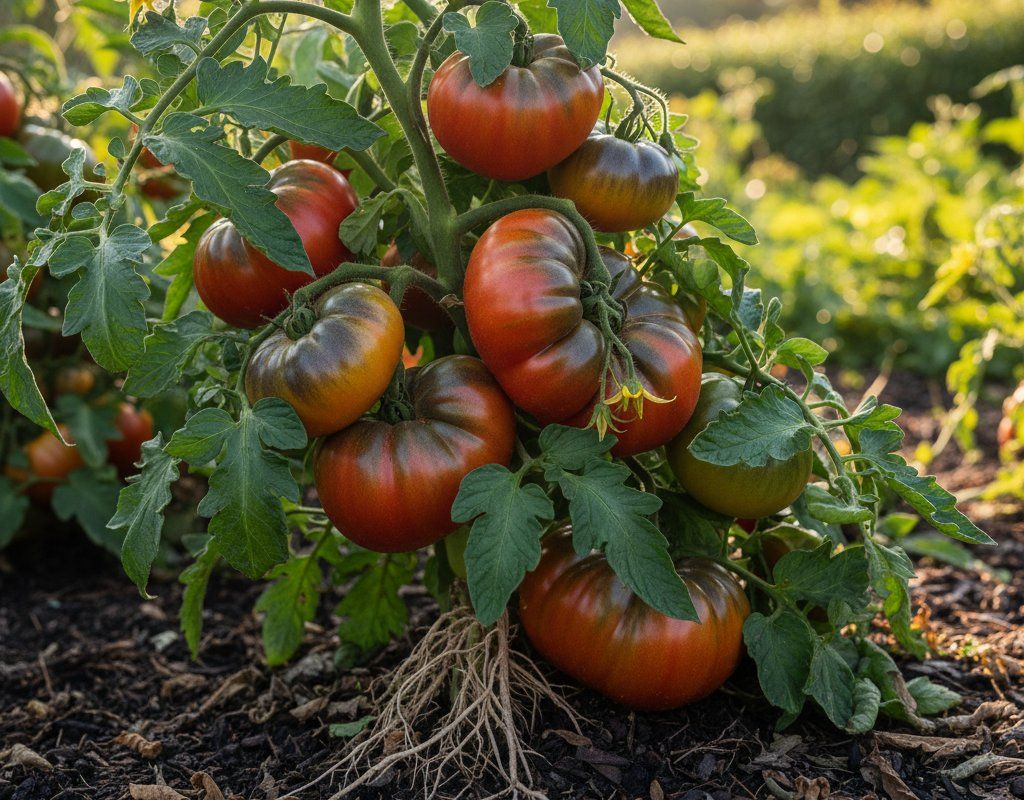
Heirloom Tomatoes in Zone 8A — Texas
Solanum lycopersicum · Your Complete 2026 Planting Guide
Missed Seed Starting? No Problem!
Wait for starts to become available.
What to Do
Starts will be available at nurseries in 15 days (around March 19).
How to Plant Heirloom Tomatoes in Zone 8A — Texas
Here are all your options for getting heirloom tomatoes in the ground, from the easiest method to more advanced approaches.
Start Seeds Indoors
RecommendedLate January through mid February
around February 5
Then transplant: Mid March through mid April
Start seeds 6-8 weeks before transplanting outdoors.
Buy Starts
Works WellMid March through mid April
around March 19
Plant purchased starts after last frost (March 5).
Direct Sow Seeds
ChallengingDirect sowing is not typical for Heirloom Tomatoes.
Transplant Outdoors
Timing InfoMid March through mid April
around March 19
Wait until nighttime temperatures stay above 50°F.
You have a nice window — no need to rush.
Overview
Heirloom tomatoes bring unmatched flavor and character to your Texas garden, offering the rich, complex tastes that store-bought varieties simply can't match. These open-pollinated treasures thrive in our long 260-day growing season, giving you plenty of time to enjoy varieties that have been passed down through generations. While hybrids focus on shipping and shelf life, heirlooms focus on what matters most – incredible taste that makes every slice worth the effort.
Our unpredictable Texas weather can challenge even experienced gardeners, but heirloom tomatoes are surprisingly manageable when you time them right. Starting seeds indoors during our mild winter gives you strong transplants ready for our early spring, and the extended growing season means you can harvest well into fall before the first frost hits in mid-November.
Starting Seeds Indoors
Starting heirloom tomato seeds indoors is essential in Texas since these tender plants can't handle any frost risk. Begin sowing seeds anytime from late January through mid-February, giving yourself about 6 weeks before transplant time. Our early spring character means you can get plants in the ground sooner than many regions, but indoor starting ensures they're ready when conditions are right.
Set up your seed trays with quality potting mix and keep them warm – around 70-75°F for best germination. A heating mat helps during those occasional cold snaps we get in winter. Once seedlings emerge, they need strong light from grow lights or a sunny south-facing window.
Water from the bottom by placing trays in shallow pans of water rather than watering from above. This prevents damping off disease and encourages strong root development. Your seedlings should be stocky and dark green by transplant time, not tall and leggy.
Transplanting Outdoors
Plan to transplant your heirloom tomatoes outdoors anytime from mid-March through mid-April, once nighttime temperatures consistently stay above 50°F. Texas springs can be tricky with sudden temperature swings, so watch the forecast and be ready to protect plants if an unexpected cold front moves through.
Harden off your seedlings gradually over a full week before transplanting. Start with just an hour or two of morning sun, then gradually increase outdoor time. Texas sun is intense even in spring, and shocked transplants struggle to recover.
Space your plants 36-48 inches apart – heirlooms need room for good air circulation, especially important in our variable humidity. The extra spacing helps prevent disease problems that plague crowded plants and makes maintenance easier as these indeterminate varieties grow tall and wide throughout our long season.
Watering Heirloom Tomatoes in Zone 8A (Texas)
Heirloom tomatoes demand consistent moisture throughout Texas's hot growing season, and their high water needs make them particularly challenging during our unpredictable rainfall patterns. These varieties aren't drought tolerant like some plants, so you'll need to supplement irrigation from early summer through fall. Plan to provide about 1-2 inches of water per week, adjusting based on our variable humidity and rainfall.
The Texas heat makes consistent watering absolutely critical – soil moisture swings from drought to flood cause heirloom tomatoes to crack more readily than hybrid varieties. Check soil moisture by sticking your finger 2 inches deep near the base of plants. When it feels dry at that depth, it's time to water deeply and slowly at the base rather than overhead, which helps prevent disease in our variable humidity.
Summer temperatures regularly hitting 97°F mean you'll water almost daily during peak season, especially since heirlooms have such extensive root systems. Watch for wilting during afternoon heat (normal) versus morning wilting (needs water immediately). Overwatering shows up as yellowing lower leaves, while underwatering causes overall wilting and blossom end rot.
Apply 3-4 inches of organic mulch around plants to help maintain even soil moisture through our extreme weather swings. This buffer helps prevent the wet-dry cycles that cause characteristic heirloom cracking and makes your watering schedule more forgiving during busy summer weeks.
Supporting Your Heirloom Tomatoes
Heirloom tomatoes absolutely require strong support since most varieties are vigorous indeterminate types that continue growing and producing until frost. These plants commonly reach 6-8 feet tall in our long Texas growing season, and their irregular, often oversized fruit puts extra stress on branches. Heavy-duty tomato cages or sturdy stakes are essential – flimsy supports will fail by midsummer.
Install your support system at transplant time to avoid disturbing established roots later. For staking, use 8-foot treated posts or rebar driven 18 inches deep, then tie plants loosely with soft cloth strips as they grow. Cages should be at least 6 feet tall and made from concrete reinforcing wire rather than lightweight store-bought versions that collapse under Texas wind and heavy fruit.
Train plants weekly by gently weaving main stems through cage openings or tying to stakes. Heirloom tomatoes often have irregular growth patterns compared to hybrids, so expect some creative problem-solving as the season progresses. Strong support becomes even more critical during summer storms when heavy rain can snap unsupported branches loaded with fruit.
Pruning & Maintaining Heirloom Tomatoes
Moderate pruning keeps heirloom tomatoes productive and healthy, especially important since these varieties tend to be more disease-susceptible than modern hybrids. Remove suckers (shoots that emerge between main stems and branches) when they're small, but don't get obsessive – heirlooms often produce well on secondary branches that hybrids wouldn't support.
Focus your pruning efforts on improving air circulation by removing lower leaves that touch the ground and any foliage showing disease symptoms. Texas humidity combined with dense foliage creates perfect conditions for fungal problems, so strategic thinning makes a real difference. Remove yellowing or spotted leaves promptly throughout the growing season.
As first frost approaches in mid-November, stop all pruning and let plants focus energy on ripening existing fruit. About 4 weeks before expected frost, pinch growing tips to redirect energy into sizing up green tomatoes rather than producing new flowers that won't have time to mature.
🧪Fertilizing Heirloom Tomatoes
Feeding Schedule
Organic Fertilizer Options
Harvest Time
Your first heirloom tomatoes should ripen anytime from early June through late July, depending on variety and your exact transplant timing. Unlike hybrids bred for uniform ripeness, heirlooms ripen gradually and show their readiness through variety-specific color changes – some stay green-shouldered even when ripe, others turn deep red, purple, or yellow.
Test ripeness with gentle pressure rather than relying only on color. Ripe heirlooms give slightly to pressure and detach easily from the vine with minimal twisting. Many varieties develop their best flavor when allowed to ripen fully on the plant, but Texas heat sometimes requires harvesting slightly early to prevent splitting or sunscald.
Harvest regularly to encourage continued production throughout our long season. Pick tomatoes in the morning when they're fully hydrated, and handle these often-delicate varieties gently since irregular shapes can have thin spots prone to bruising. Unlike thick-skinned shipping tomatoes, heirlooms reward careful handling.
As November frost approaches, harvest all mature green tomatoes and bring them indoors to ripen. Many heirloom varieties ripen beautifully off the vine when stored in a cool, dark place. This extends your harvest season and ensures you don't lose fruit to that first unexpected freeze that can hit Texas in mid-November.
Common Problems in Zone 8A (Texas)
Cracking and Splitting Heirloom tomatoes develop circular rings around the stem or radial cracks spreading outward, often exposing the flesh inside. These splits make fruit vulnerable to rot and insect damage, ruining otherwise perfect tomatoes. Texas's unpredictable rainfall patterns create perfect conditions for cracking – heavy summer storms after dry spells cause fruit to absorb water faster than the skin can stretch. Maintain consistent soil moisture with regular watering and thick mulch, and choose varieties known for crack resistance if this becomes a persistent problem.
Disease Susceptibility Plants develop yellowing leaves, brown spots, wilting branches, or fuzzy growth that spreads rapidly through the garden. Heirloom varieties lack the disease resistance genes bred into modern hybrids, making them sitting ducks for fungal and bacterial problems in Texas's variable humidity. Space plants widely for air circulation, apply preventative fungicide during humid periods, and remove affected foliage immediately. Crop rotation and avoiding overhead watering also help break disease cycles.
Lower Yields Plants produce fewer tomatoes per plant compared to hybrid varieties, sometimes disappointing gardeners expecting grocery-store-like production. This is simply the trade-off for superior flavor – heirlooms put energy into taste rather than quantity. Maximize yields by providing optimal growing conditions, consistent water, and proper nutrition, but embrace the quality-over-quantity nature of these special varieties.
Irregular Shapes Fruit develops unusual bumps, ridges, pleating, or lopsided growth that looks nothing like store-bought tomatoes. Poor pollination during cool spring weather or extreme heat can worsen the issue, but many heirlooms are naturally irregular. These "ugly" tomatoes often have the most complex, interesting flavors – embrace the character rather than fighting it, since appearance has no correlation with taste quality.
Texas Specific Challenges: Our brutal summer heat stresses heirloom plants more than heat-tolerant hybrids, while unpredictable rainfall creates ideal conditions for both cracking and disease problems. Fire ants can also damage low-hanging fruit, so consider raised beds or containers if these pests are problematic in your area.
Best Companions for Heirloom Tomatoes
Plant these nearby for healthier Heirloom Tomatoes and better harvests.
View Full Companion Planting Chart →



Companion Planting Details
Basil planted near your heirloom tomatoes improves their flavor while repelling aphids and other pests that target tomato plants. Carrots and parsley make excellent ground-level companions since their roots don't compete with tomato roots, and marigolds scattered throughout the garden help deter nematodes and other soil pests common in Texas gardens. These flowering companions also attract beneficial insects that help with pollination and pest control.
Avoid planting brassicas like cabbage or broccoli near tomatoes since they compete for similar nutrients and can stunt tomato growth. Fennel produces chemicals that inhibit tomato development, and corn attracts the same hornworms that devastate tomato plants. In Texas's intense growing conditions, your heirloom tomatoes need every advantage they can get, so choose companions that support rather than compete with these demanding but rewarding plants.
🌸Best Flowers to Plant with Heirloom Tomatoes
These flowers protect your Heirloom Tomatoes from pests and attract pollinators for better harvests.
For Pest Control

Get a Reminder When It's Time to Plant
We'll email you when key planting windows open for your zone.