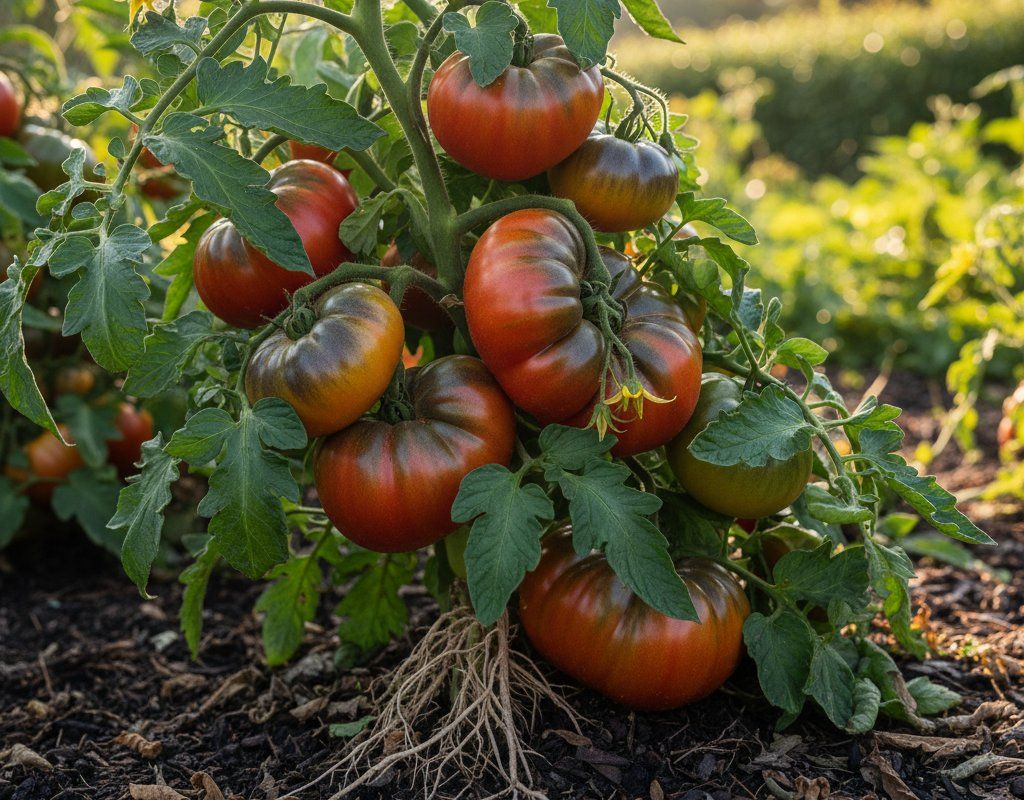
Heirloom Tomatoes in Zone 8B — Northern California
Solanum lycopersicum · Your Complete 2026 Planting Guide
Missed Seed Starting? No Problem!
Wait for starts to become available.
What to Do
Starts will be available at nurseries in 11 days (around March 15).
How to Plant Heirloom Tomatoes in Zone 8B — Northern California
Here are all your options for getting heirloom tomatoes in the ground, from the easiest method to more advanced approaches.
Start Seeds Indoors
RecommendedLate January through mid February
around February 1
Then transplant: Mid March through mid April
Start seeds 6-8 weeks before transplanting outdoors.
Buy Starts
Works WellMid March through mid April
around March 15
Plant purchased starts after last frost (March 1).
Direct Sow Seeds
ChallengingDirect sowing is not typical for Heirloom Tomatoes.
Transplant Outdoors
Timing InfoMid March through mid April
around March 15
Wait until nighttime temperatures stay above 50°F.
You have a nice window — no need to rush.
Overview
Heirloom tomatoes are the crown jewel of any Northern California garden, offering flavors that make grocery store tomatoes taste like cardboard. With our Mediterranean climate and long growing season, you can enjoy fresh heirlooms from early summer through the first frost in late November — that's nearly five months of incredible eating. Whether you're growing Cherokee Purples, Brandywines, or Green Zebras, these varieties thrive in our warm, dry summers and produce fruit with complex flavors and stunning colors that hybrids simply can't match.
Our 269-day growing season gives you plenty of time to nurture these slower-maturing beauties, even though they need more attention than modern hybrids. Yes, heirlooms can be finicky about consistent watering and are more susceptible to diseases, but starting them at the right time indoors makes all the difference. With our early spring and mild winters, you can get a head start that sets you up for success through our dry summer months.
Starting Seeds Indoors
Start your heirloom tomato seeds indoors during late January through mid-February, about six weeks before you plan to transplant them outside. This timing takes advantage of Northern California's early spring character, giving your seedlings enough time to develop strong root systems before facing our variable March weather. Set up your seed trays in a warm spot (70-75°F) with good light — a sunny south-facing window or grow lights work well.
Use quality seed starting mix in your trays and practice bottom watering to prevent damping off, a common problem with tomato seedlings. Place your seed trays in shallow pans of water and let the soil absorb moisture from below rather than watering from above. This method keeps the surface drier while ensuring deep root moisture.
Keep the soil consistently moist but not soggy, and expect germination in 7-14 days. Once your seedlings have their first true leaves, you can transplant them to individual 4-inch pots. By early to mid-March, they'll be ready for the hardening off process before moving outdoors.
Transplanting Outdoors
Transplant your heirloom tomato seedlings outdoors from mid-March through mid-April, after the last frost danger has passed. In Northern California, this timing usually works well, but watch for those unexpected temperature swings that can catch gardeners off guard. Your seedlings should be 6-8 inches tall with sturdy stems and several sets of true leaves.
Harden off your seedlings gradually over a week before transplanting. Start with a few hours of morning sun and gradually increase their outdoor time each day. This process is especially important in our region because March weather can be unpredictable — one day might be 75°F and the next could drop to 45°F with strong winds.
Space your plants 36-48 inches apart to ensure good air circulation, which is crucial for preventing disease problems that heirlooms are prone to. Plant them deep, burying about two-thirds of the stem to encourage strong root development. Choose your sunniest spot since these heat-loving plants need 6-8 hours of direct sun to produce their best fruit.
Watering Heirloom Tomatoes in Zone 8B (Northern California)
Heirloom tomatoes have high water needs and aren't drought tolerant, making consistent irrigation essential in our dry-summer climate. Unlike regions with regular summer rainfall, Northern California gardeners must provide all the water these thirsty plants need from spring through fall. Plan for about 1-2 inches of water per week, delivered slowly and deeply at the base of the plant.
During our typical moderate-to-hot summers with highs around 88°F and low humidity, check soil moisture by sticking your finger 2 inches deep near the root zone. If it feels dry at that depth, it's time to water. Avoid overhead watering in our low-humidity climate since wet foliage can encourage fungal diseases, even though the dry air helps things dry out quickly.
Consistency is everything with heirlooms — they're notorious for cracking when they get irregular water after dry spells. Set up a drip system or soaker hoses if possible, especially during our rainless summer months. Mulch heavily around plants to conserve moisture and reduce watering frequency, which is particularly valuable if you're dealing with water restrictions.
Watch for signs of stress: wilting during the heat of the day indicates immediate water needs, while yellowing lower leaves often signal inconsistent watering. Overwatering shows up as yellowing leaves and soft, mushy stems. In our climate, underwatering is far more common than overwatering.
Supporting Your Heirloom Tomatoes
Install strong support systems at planting time since most heirloom varieties are indeterminate and will grow 6-8 feet tall throughout our long growing season. Heavy-duty tomato cages (at least 6 feet tall) or sturdy stakes with soft ties work best for supporting these vigorous plants and their often heavy, irregularly shaped fruit. Flimsy store-bought cages will collapse under the weight by midsummer.
Train your plants as they grow by gently weaving stems through cage openings or tying them to stakes every 12-18 inches. Use soft materials like cloth strips or plant ties rather than wire or string that can cut into stems. Check and adjust your support system regularly throughout the season, especially after strong spring winds that are common in many Northern California microclimates.
The irregular shapes and dense flesh of many heirloom varieties make them heavier than hybrid tomatoes, so don't underestimate the support they'll need. A single Brandywine plant can produce 15-20 pounds of fruit over the season, and those large, hefty tomatoes need solid backing to prevent branches from breaking.
Pruning & Maintaining Heirloom Tomatoes
Remove suckers (shoots that grow between the main stem and branches) regularly to maintain good air circulation and direct energy into fruit production. In our dry climate, good airflow is crucial for preventing the fungal diseases that heirlooms are more susceptible to than hybrids. Pinch out suckers when they're small and soft, preferably in the morning when plants are well-hydrated.
Prune lower leaves that touch the ground or show signs of disease, and continue removing lower foliage as plants grow taller. This bottom-up pruning strategy helps prevent soil-borne diseases from splashing onto leaves during watering. As the season progresses into late summer, you can also remove some of the dense interior growth to improve light penetration and air movement.
About 6-8 weeks before your expected first frost (which typically arrives in late November in Northern California), top your plants by pinching out the growing tips. This redirects energy into ripening existing fruit rather than producing new flowers that won't have time to mature before cold weather arrives.
🧪Fertilizing Heirloom Tomatoes
Feeding Schedule
Organic Fertilizer Options
Harvest Time
Your first heirloom tomatoes will typically be ready from early June through late July, depending on the variety and your specific microclimate. With our long growing season, you'll continue harvesting until the first frost in late November — that's nearly five months of fresh tomatoes. Each variety has its own harvest indicators since heirlooms come in such diverse colors, but look for slight softness when you gently squeeze the fruit.
Most heirlooms will detach easily from the vine when ripe, though some varieties like Green Zebras stay green even when mature. Learn your varieties' specific signs: Brandywines turn deep pink-red, Cherokee Purples develop their characteristic dusky color, and Black Krims become dark reddish-brown. Many heirlooms retain green shoulders even when fully ripe — this is normal, not a sign of underripeness.
Harvest regularly to encourage continued production throughout our extended season. Pick tomatoes in the morning when they're cool and full of moisture. Handle gently since heirlooms have thinner skins than hybrids and bruise more easily. If a tomato has a small crack or soft spot, use it immediately rather than storing it.
As fall approaches and nighttime temperatures start dropping into the 40s, harvest any mature green tomatoes to ripen indoors. Place them in a paper bag with a banana or apple to speed ripening, or arrange them on a sunny windowsill. Even green heirlooms will often develop good flavor when ripened off the vine.
Common Problems in Zone 8B (Northern California)
Cracking appears as splits in the tomato skin, either as concentric circles around the stem end or radial lines extending from the stem. You'll see the flesh exposed through these cracks, which can lead to rot and pest problems. This happens when heavy watering or unexpected rain follows a dry period, causing the fruit to absorb water faster than the skin can stretch. In Northern California's dry-summer climate, this typically occurs when gardeners overcompensate for drought stress with heavy watering. Prevent cracking by maintaining consistent soil moisture through drip irrigation or soaker hoses, mulching heavily, and harvesting promptly when fruits are ripe.
Disease susceptibility shows up as yellowing leaves, brown spots on foliage, or dark lesions on stems and fruit. Unlike modern hybrids, heirlooms lack bred-in disease resistance genes, making them more vulnerable to fungal and bacterial problems throughout the growing season. Our Mediterranean climate's warm days and cool nights can create conditions that favor certain diseases, especially when combined with overhead watering. Combat this by spacing plants wider (36-48 inches), pruning for good air circulation, avoiding overhead watering, and applying preventative organic fungicides early in the season. Remove affected foliage immediately and consider crop rotation if problems persist.
Lower yields compared to hybrid varieties is normal for heirlooms — expect fewer but more flavorful fruits per plant. Many heirloom varieties put energy into developing complex flavors and unique characteristics rather than maximizing production. Some varieties are naturally low producers, while others may have reduced yields due to poor pollination during our cool spring nights or heat stress during extreme summer weather. Improve yields by ensuring consistent watering, providing adequate nutrition, and choosing varieties suited to your specific microclimate within Northern California.
Irregular shapes include ridged, bumpy, or lopsided fruits that look nothing like supermarket tomatoes. This is often a characteristic feature of heirloom varieties rather than a problem — varieties like Mortgage Lifter and Cherokee Purple naturally produce uniquely shaped fruit. However, severely deformed fruit can result from poor pollination during cool weather or temperature stress. Cool spring nights common in many Northern California areas can affect early fruit set, while extreme heat above 90°F can also cause irregular development. Embrace the character of weird-shaped heirlooms — they often taste better than perfect-looking tomatoes.
Northern California's combination of dry summers, variable microclimates, and potential water restrictions creates unique challenges for heirloom tomato growing. Our low humidity helps prevent some diseases but makes consistent watering more critical, while our long growing season allows multiple generations of pests to develop. Fire season smoke can stress plants, and sudden heat spikes above 95°F can cause flower drop and poor fruit set.
Best Companions for Heirloom Tomatoes
Plant these nearby for healthier Heirloom Tomatoes and better harvests.
View Full Companion Planting Chart →



Companion Planting Details
Plant basil near your heirloom tomatoes — it naturally repels aphids and thrips while supposedly improving tomato flavor, and you'll have the perfect pairing for fresh caprese salads. Carrots make excellent companions since their deep taproots don't compete with tomatoes' shallow root system, and parsley attracts beneficial insects that help control tomato pests. Marigolds planted around the garden perimeter can deter nematodes and other soil pests that might damage tomato roots.
Avoid planting brassicas like cabbage, broccoli, or kale near tomatoes since they're heavy feeders that will compete for nutrients, and they attract different pests that might spread to your tomatoes. Keep fennel away from all vegetables — it releases compounds that can inhibit growth. Corn should also be avoided since it attracts the same hornworms that devastate tomato plants, and in Northern California's dry conditions, both crops will compete heavily for water resources.
🌸Best Flowers to Plant with Heirloom Tomatoes
These flowers protect your Heirloom Tomatoes from pests and attract pollinators for better harvests.
For Pest Control

Get a Reminder When It's Time to Plant
We'll email you when key planting windows open for your zone.