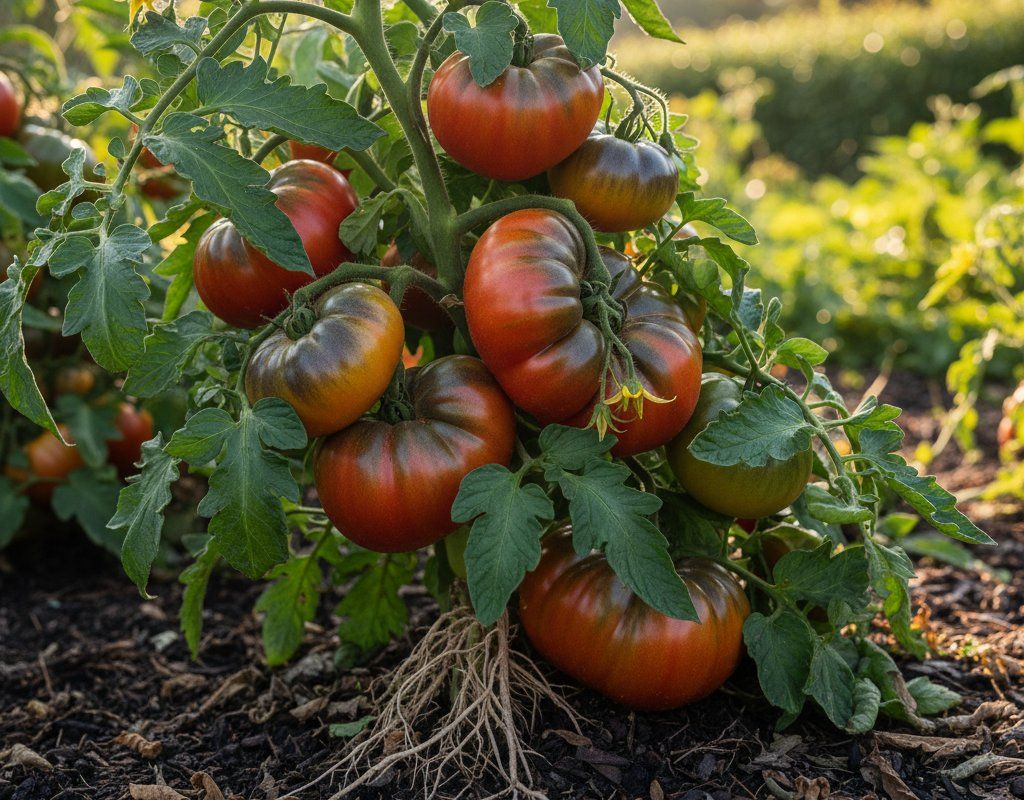
Heirloom Tomatoes in Zone 9A — Florida
Solanum lycopersicum · Your Complete 2026 Planting Guide
Time to Buy Starts!
Seed starting window passed, but starts are available now.
Buy Starts Now
Head to your local nursery, Home Depot, or farmers market for transplants.
- Look for stocky plants with dark green leaves
- Avoid leggy seedlings or plants already flowering
- Check that roots aren't circling the pot (rootbound)
How to Plant Heirloom Tomatoes in Zone 9A — Florida
Here are all your options for getting heirloom tomatoes in the ground, from the easiest method to more advanced approaches.
Start Seeds Indoors
RecommendedLate December through mid January
around January 4
Then transplant: Mid February through mid March
Start seeds 6-8 weeks before transplanting outdoors.
Buy Starts
Works WellMid February through mid March
around February 15
Plant purchased starts after last frost (February 1).
Direct Sow Seeds
ChallengingDirect sowing is not typical for Heirloom Tomatoes.
Transplant Outdoors
Timing InfoMid February through mid March
around February 15
Wait until nighttime temperatures stay above 50°F.
You have a nice window — no need to rush.
Overview
Heirloom tomatoes bring exceptional flavor and character to your Florida garden that you simply can't find in grocery stores. These open-pollinated varieties offer complex tastes ranging from sweet and fruity to rich and smoky, with textures that make every bite memorable. In Zone 9A, your 327-day growing season allows you to enjoy homegrown heirlooms from early May through your first frost in late December, giving you months of superior tomatoes for fresh eating, preserving, and sharing with neighbors.
Florida's reversed growing seasons and intense summer heat do present challenges for tomato cultivation, but timing your plantings correctly makes all the difference. By starting seeds during our mild winter months and transplanting before the brutal heat arrives, you'll harvest your crop during our most pleasant weather. The key is working with Florida's unique climate patterns rather than fighting them.
Starting Seeds Indoors
Starting heirloom tomato seeds indoors is essential here in Florida since our planting window is narrow and these varieties need a head start. Begin sowing seeds from late December through mid-January, about 6 weeks before you plan to transplant outdoors. This timing takes advantage of our mild winter temperatures while giving plants enough time to establish before spring heat arrives.
Set up your seed trays in a warm location where temperatures stay between 70-75°F consistently. A heating mat helps maintain steady soil temperature for faster germination. Use bottom watering to keep the soil evenly moist without creating the soggy conditions that lead to fungal problems - just fill your tray with water and let the cells absorb moisture from below.
Once seedlings emerge, provide bright light from grow lights or a sunny south-facing window. Since Florida's spring arrives much earlier than other regions, your indoor growing period is relatively short compared to northern climates. Keep seedlings well-ventilated as they grow to prevent the damping-off issues that our high humidity can encourage.
Transplanting Outdoors
Plan to transplant your heirloom tomato seedlings outdoors from mid-February through mid-March, after the last frost risk passes in early February. This window puts your plants in the ground during Florida's most favorable growing weather, before summer heat becomes overwhelming. You'll have about a month to get established plants in the ground.
Harden off seedlings gradually over one week before transplanting by placing them outdoors for increasing periods daily. Start with just 2-3 hours in filtered sunlight, then gradually increase exposure and move to full sun. This process is particularly important in Florida since the intensity of our sun can shock plants that haven't been acclimated properly.
Space plants 36-48 inches apart to ensure good air circulation, which is critical in our humid climate for preventing disease. The wider spacing also accommodates the vigorous growth that heirloom tomatoes typically show in Florida's extended growing season. Choose your planting site carefully since you'll be stuck with the location through our intense summer months.
Watering Heirloom Tomatoes in Zone 9A (Florida)
Consistent moisture is absolutely critical for heirloom tomatoes in Florida's climate, as these varieties are notorious for cracking when watering fluctuates. During our dry winter and spring months, provide about 1-2 inches of water weekly through deep, infrequent watering sessions. Check soil moisture with the finger test - stick your finger 2 inches deep, and water when the soil feels dry at that depth.
Florida's summer rainfall pattern changes everything about watering tomatoes. Once our wet season begins in late spring, you'll need to focus more on drainage and disease prevention than irrigation. Our 50-65 inches of annual rainfall often provides too much water during summer months, so consider raised beds or improved drainage if your soil stays soggy.
Always water at the base of plants rather than overhead, especially given our very high humidity levels. Wet foliage combined with warm, humid air creates perfect conditions for fungal diseases that plague tomatoes. Early morning watering gives plants time to dry before evening, reducing disease pressure significantly.
Watch for signs of water stress carefully - wilting during the hottest part of the day is normal, but wilting in morning or evening indicates insufficient water. Overwatering shows up as yellowing lower leaves and a general lack of vigor. A 3-4 inch layer of organic mulch helps maintain consistent soil moisture while keeping roots cooler during our intense heat.
Supporting Your Heirloom Tomatoes
Install sturdy cages or stakes at planting time since most heirloom varieties are indeterminate and will grow vigorously throughout Florida's long season. Heavy-duty tomato cages at least 6 feet tall work best, as these plants often reach 8-10 feet in our favorable climate. Flimsy store-bought cages will collapse under the weight of mature heirloom fruit.
Wooden or metal stakes should be driven 2 feet deep and stand 7-8 feet above ground. Use soft ties like cloth strips or tomato tape to secure main stems, checking and adjusting ties monthly as plants grow. The irregular, often heavy fruit that heirlooms produce puts extra stress on support structures compared to uniform hybrid varieties.
Train plants by gently weaving main stems through cage openings or tying to stakes every 12-18 inches of growth. Start this process early when stems are flexible, as older woody stems can snap if handled roughly. Strong support becomes even more important during Florida's hurricane season when high winds can devastate unsupported plants.
Pruning & Maintaining Heirloom Tomatoes
Moderate pruning improves air circulation around heirloom tomatoes, which is essential for preventing the fungal diseases that thrive in our humid climate. Remove suckers (shoots growing between main stem and branches) weekly while they're small and easy to pinch off by hand. Leave the main growing tip and primary branches to maintain good fruit production.
Strip away lower leaves that touch the ground or show any signs of disease throughout the growing season. This simple practice dramatically reduces disease pressure since soil-borne pathogens often splash onto lower foliage during watering or rain. Remove any yellowing or spotted leaves immediately, disposing of them away from your garden area.
As first frost approaches in late December, top plants by pinching out growing tips to direct energy into ripening existing fruit rather than producing new growth. This end-of-season pruning helps maximize your harvest before cold weather arrives. Some gardeners also remove small fruit that won't have time to ripen, focusing plant energy on larger tomatoes.
🧪Fertilizing Heirloom Tomatoes
Feeding Schedule
Organic Fertilizer Options
Harvest Time
Expect your first ripe heirloom tomatoes from early May through late June, about 80 days after transplanting. Florida's timing advantage means you'll be enjoying fresh tomatoes weeks before gardeners in cooler climates. Harvest timing varies with variety - some ripen to deep red while others stay green-shouldered or develop unique colors when mature.
Look for slight softening and easy detachment from the vine as your primary ripeness indicators, since color can be deceiving with heirlooms. A ripe tomato should separate with gentle upward pressure and a slight twist. The stem end often develops a slight give when pressed gently, and you'll notice the distinctive aroma of a ripe tomato.
Harvest regularly every 2-3 days during peak season to encourage continued production and prevent overripe fruit from attracting pests. Pick tomatoes slightly underripe if rain is forecast, since wet weather can cause mature fruit to split rapidly. Store harvested tomatoes stem-end down at room temperature for best flavor development.
As late December approaches and first frost threatens, harvest all remaining fruit regardless of ripeness. Green tomatoes will continue ripening indoors if stored in a warm location away from direct sunlight. Wrap individual green tomatoes in newspaper and check weekly, removing ripe ones and composting any that show signs of rot.
Common Problems in Zone 9A (Florida)
Cracking Look for splits in the tomato skin, either as concentric circles around the stem end or radial lines running from stem to blossom end. These splits expose the flesh and often lead to rot, making the fruit unusable. In Florida's climate, cracking typically occurs after heavy summer rains following dry periods during spring.
Heavy watering or sudden rainfall after soil has been allowed to dry causes fruit to absorb water faster than the skin can expand. Our transition from dry spring weather to wet summer conditions creates perfect cracking conditions. Maintain consistent soil moisture through regular watering and thick mulch to prevent the wet-dry cycles that trigger cracking.
Disease Susceptibility Watch for dark spots on leaves, yellowing foliage, wilting despite adequate water, and fuzzy growth on stems or fruit. Heirloom varieties lack the disease resistance genes bred into modern hybrids, making them more vulnerable to Florida's fungal and bacterial diseases. Our extreme humidity and warm temperatures create ideal disease conditions.
Florida's very high humidity combined with warm nights provides perfect conditions for fungal diseases to develop and spread rapidly. Improve air circulation through proper spacing and pruning, apply preventive fungicides if needed, and remove affected plant material immediately. Consider choosing disease-resistant heirloom varieties if problems persist year after year.
Lower Yields Expect fewer but often larger tomatoes compared to hybrid varieties, with production that may seem disappointing until you taste the superior flavor. Hot weather during summer months can also reduce fruit set, as temperatures above 90°F interfere with pollination. Some Florida gardeners see reduced yields during particularly brutal summers.
Focus on quality over quantity with heirlooms, and provide afternoon shade during peak summer if possible to help plants continue producing through heat stress. Consistent watering and proper nutrition support better yields, but remember that exceptional flavor is the trade-off for lower production.
Irregular Shapes Notice bumps, ridges, catfacing, or uneven development that gives fruit unusual appearances compared to perfectly round hybrid tomatoes. This characteristic is normal for many heirloom varieties and doesn't affect eating quality. Poor pollination during cool spring weather can also cause irregular fruit development.
Embrace the unique character of oddly-shaped heirlooms - they often have the most complex flavors. "Ugly" tomatoes taste just as good as perfect ones and make excellent choices for cooking applications. If appearance matters for fresh eating, choose more uniform heirloom varieties or accept that some fruit will look unusual.
Florida Specific Challenges Our combination of extreme humidity, intense heat, and wet summer conditions creates a challenging environment for heirloom tomatoes. Nematodes in sandy soils can weaken plants, while hurricane-force winds can devastate unsupported varieties. The key to success is choosing your timing carefully, providing excellent drainage, and maintaining consistent care throughout our long growing season.
Best Companions for Heirloom Tomatoes
Plant these nearby for healthier Heirloom Tomatoes and better harvests.
View Full Companion Planting Chart →



Companion Planting Details
Plant basil near your heirloom tomatoes for natural pest deterrence and improved flavor - many Florida gardeners swear that basil enhances tomato taste while repelling aphids and hornworms. Carrots make excellent companions since their deep taproots don't compete with tomato root systems, and they help break up compacted soil. Parsley attracts beneficial insects that prey on tomato pests, while marigolds release compounds that deter nematodes, a significant problem in Florida's sandy soils.
Avoid planting brassicas like cabbage or broccoli near tomatoes, as they attract different pests and can compete for nutrients during your overlapping growing seasons. Keep fennel away from tomatoes since it releases growth-inhibiting compounds, and avoid corn which attracts the same hornworms that devastate tomato plants. In Florida's intense heat, proper spacing between all plants becomes even more critical for air circulation and disease prevention.
🌸Best Flowers to Plant with Heirloom Tomatoes
These flowers protect your Heirloom Tomatoes from pests and attract pollinators for better harvests.
For Pest Control

Get a Reminder When It's Time to Plant
We'll email you when key planting windows open for your zone.