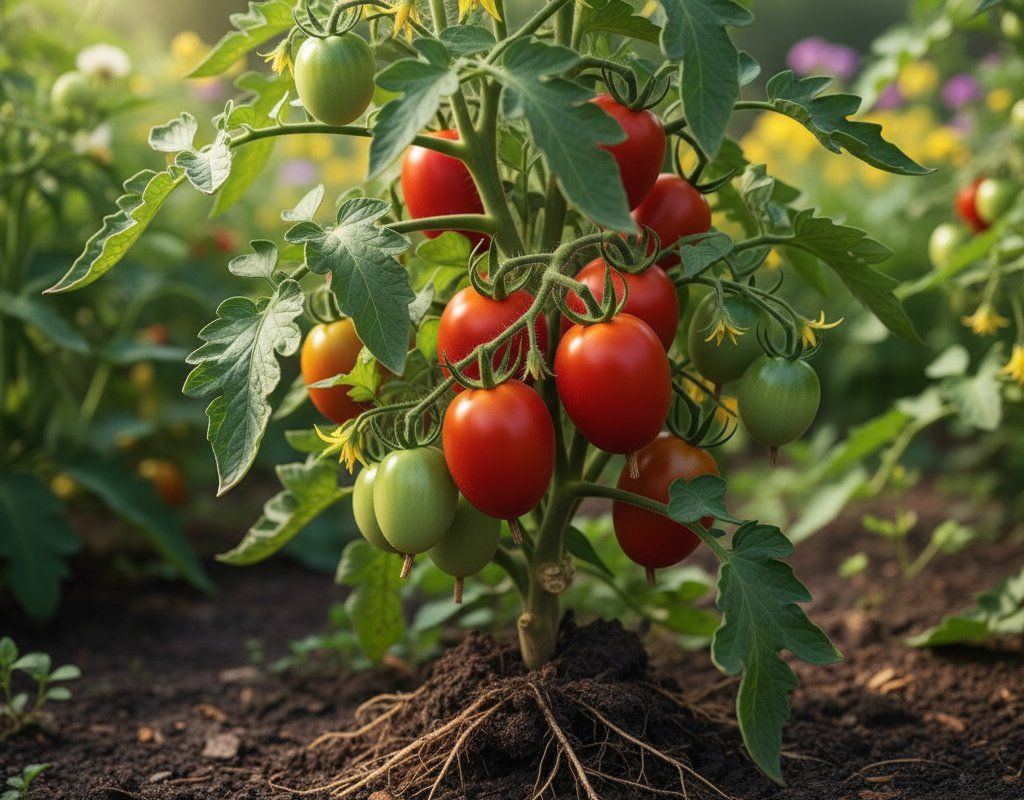
Roma Tomatoes in Zone 3B — Mountain West
Solanum lycopersicum · Your Complete 2026 Planting Guide
Planning Ahead — Great!
You’re ahead of the season. Here’s when to start.
Mark Your Calendar
How to Plant Roma Tomatoes in Zone 3B — Mountain West
Here are all your options for getting roma tomatoes in the ground, from the easiest method to more advanced approaches.
Start Seeds Indoors
RecommendedMid April through early May
around April 27
Then transplant: Early to mid June
Start seeds 6-8 weeks before transplanting outdoors.
Buy Starts
Works WellEarly to mid June
around June 8
Plant purchased starts after last frost (May 25).
Direct Sow Seeds
ChallengingDirect sowing is not typical for Roma Tomatoes.
Transplant Outdoors
Timing InfoEarly to mid June
around June 8
Wait until nighttime temperatures stay above 50°F.
Plan to transplant within a few weeks of your target date.
Overview
Roma tomatoes excel in our Mountain West climate, producing meaty, low-seed fruits perfect for sauces, paste, and canning. Their determinate growth habit suits our short season perfectly, concentrating the harvest when you need it most. The intense sunlight at altitude develops exceptional flavor, while our cool nights help the fruit develop that classic dense texture that makes Roma varieties so prized.
Growing tomatoes in Zone 3B requires respect for our 108-day growing season and late spring starts, but Roma's 75-day maturity window fits well within our frost-to-frost timeframe. Starting indoors in mid to late April gives you the head start needed to work with our Mountain timing, and the payoff in homegrown paste tomatoes is worth the indoor seed-starting effort.
Starting Seeds Indoors
Start your Roma seeds indoors during mid-April through early May, about 6 weeks before you plan to transplant outdoors. This timing accounts for our characteristically late Mountain spring and gets plants to transplant size just as our soil warms and frost danger truly passes in early June.
Set up seed trays in a warm location (70-75°F works well) with good light once germination occurs. Bottom watering works better than overhead watering for tomato seedlings—it encourages strong root development and prevents the damping-off issues that can plague indoor starts. A heat mat speeds germination significantly in our still-cool spring homes.
Once seedlings develop their first true leaves, provide 14-16 hours of bright light daily. Our intense Mountain sun will eventually be their best friend, but indoor seedlings need consistent artificial lighting to develop strong, stocky stems that won't struggle when they meet our high-altitude conditions.
Transplanting Outdoors
Plan to transplant your Roma seedlings outdoors during early to mid-June, after soil temperatures reach at least 60°F and nighttime temperatures stay consistently above 45°F. Even though our last frost typically passes in late May, those cool Mountain nights can stress tender tomato plants if you rush the timing.
Harden off your seedlings gradually over a full week, starting with just 2-3 hours of filtered outdoor sun and working up to full exposure. Our intense UV at altitude can shock indoor-grown plants, so this gradual transition prevents sunscald and transplant stress that can set plants back weeks.
Space Roma plants 24-36 inches apart to allow good air circulation—important in our low-humidity climate where plants transpire rapidly. Plant them deep, burying 2/3 of the stem to encourage strong root development. The buried stem nodes will develop into roots, creating a more robust plant better equipped to handle our intense sun and temperature swings.
Watering Roma Tomatoes in Zone 3B (Mountain West)
Roma tomatoes need consistent, deep watering throughout our dry Mountain growing season. With only 10-20 inches of annual rainfall, you'll be providing most of their water needs yourself. These paste tomatoes are particularly sensitive to uneven moisture, which concentrates into blossom end rot on their elongated fruits.
Water deeply 2-3 times per week rather than daily light watering, providing about 1.5-2 inches per week total. Check soil moisture by pushing your finger 2 inches deep—if it's dry at that depth, it's time to water. In our low-humidity climate, plants lose moisture rapidly through their leaves, especially during those intense afternoon sun periods.
Water at the base of plants rather than overhead to maximize efficiency in our dry air. Overhead watering in low humidity means much of the water evaporates before reaching roots. A 2-3 inch layer of organic mulch helps tremendously, conserving the moisture you apply and moderating the soil temperature swings that our clear Mountain skies create.
Watch for signs of water stress: wilting during hot afternoons (normal) that doesn't recover by evening (problem), or fruit with dark, leathery patches on the bottom ends (blossom end rot from inconsistent watering). Consistent moisture is the single most important factor for successful Roma production in our climate.
Supporting Your Roma Tomatoes
Install cages or stakes at planting time, since Roma's determinate growth habit produces a concentrated fruit load that needs support. Standard 4-foot tomato cages work well for these shorter, bushier plants—you don't need the 6-foot giants required for indeterminate varieties.
Roma plants typically reach 3-4 feet tall and produce most of their fruit over a 2-3 week period in late summer. This concentrated production puts significant weight on branches, especially when combined with our intense sun that can make stems more brittle. Secure cages firmly since our afternoon wind gusts can topple unsupported plants.
If you choose stakes instead of cages, use sturdy 5-foot posts and tie plants loosely with soft materials like old t-shirt strips. Check ties weekly as stems thicken—tight ties can girdle stems. The key is providing support before the plant needs it, not scrambling to prop up already-loaded branches.
🧪Fertilizing Roma Tomatoes
Feeding Schedule
Organic Fertilizer Options
Harvest Time
Your first Roma tomatoes will be ready for harvest in late August through early September, about 75 days from transplanting. Look for deep red color throughout the entire fruit—no green shoulders or pale areas. Ripe Roma tomatoes feel firm but give slightly when gently squeezed, and they'll detach easily from the stem with a gentle twist.
Unlike slicing tomatoes, you want Roma fruits fully ripe on the vine for best flavor and texture. The concentrated flesh and lower water content that makes them perfect for sauce develops fully only when completely mature. Harvest in the morning when fruits are cool and firm, especially during our hot afternoon periods.
Since Roma is a determinate variety, most of your harvest will ripen within a 2-3 week window—perfect for large canning or sauce-making projects. As our first frost approaches in early September, harvest all remaining fruits regardless of ripeness. Green and partially ripe Roma tomatoes will continue ripening indoors if stored in a warm (65-70°F) location, though the flavor won't quite match vine-ripened fruit.
Common Problems in Zone 3B (Mountain West)
Blossom End Rot This shows up as dark, sunken, leathery patches on the bottom (blossom end) of Roma fruits, often affecting the first tomatoes of the season. It's particularly common on the elongated Roma shape. This isn't a disease—it's calcium deficiency caused by inconsistent watering, which is easy to trigger in our dry climate. The solution is consistent moisture: water regularly, mulch heavily, and avoid letting soil dry out completely between waterings. Remove affected fruits since they won't recover.
Early Blight Look for brown spots with distinctive concentric rings (bullseye pattern) starting on lower leaves and moving upward. Leaves yellow and drop. This fungal disease spreads through soil splash onto leaves. In our low-humidity climate, it's less common than in humid regions, but still appears during our brief periods of higher moisture. Remove affected leaves immediately (don't compost them), mulch to prevent soil splash, and water at the base rather than overhead. Good air circulation through proper spacing helps prevent it.
Fusarium Wilt Plants wilt on one side first, then spread to the whole plant. Leaves yellow starting from one side, and if you cut the stem, you'll see brown streaking inside. This soil-borne fungus persists for years and has no cure once plants are infected. Remove and destroy infected plants immediately. Plant resistant varieties (look for 'F' ratings), rotate your tomato family crops, and maintain soil pH above 6.5—easier in our naturally alkaline Mountain soils.
Mountain West Specific Challenges: Our intense UV can cause sunscald on fruits, especially during heat waves. Provide afternoon shade during extreme heat. Hail is always a threat—have row cover ready for storm protection. Our alkaline soil can tie up nutrients, so regular soil amendments with compost help maintain proper pH for nutrient uptake.
Best Companions for Roma Tomatoes
Plant these nearby for healthier Roma Tomatoes and better harvests.
View Full Companion Planting Chart →



Companion Planting Details
Plant basil near your Roma tomatoes—it helps repel aphids and other pests while thriving in the same full-sun, warm conditions. Carrots and parsley make excellent companions since they don't compete for the same root space and actually help break up our often-compacted Mountain clay soils. Marigolds planted nearby can deter nematodes and add beneficial diversity that attracts predatory insects.
Avoid planting brassicas (cabbage family) or fennel near your tomatoes—these can inhibit tomato growth through chemical interactions. Corn isn't ideal either since both crops are heavy feeders that will compete for the same nutrients in our often-lean Mountain soils. Keep tomato companions to plants with different nutrient needs and growth patterns for the best results.
🌸Best Flowers to Plant with Roma Tomatoes
These flowers protect your Roma Tomatoes from pests and attract pollinators for better harvests.
For Pest Control



For Pollinators

Get a Reminder When It's Time to Plant
We'll email you when key planting windows open for your zone.