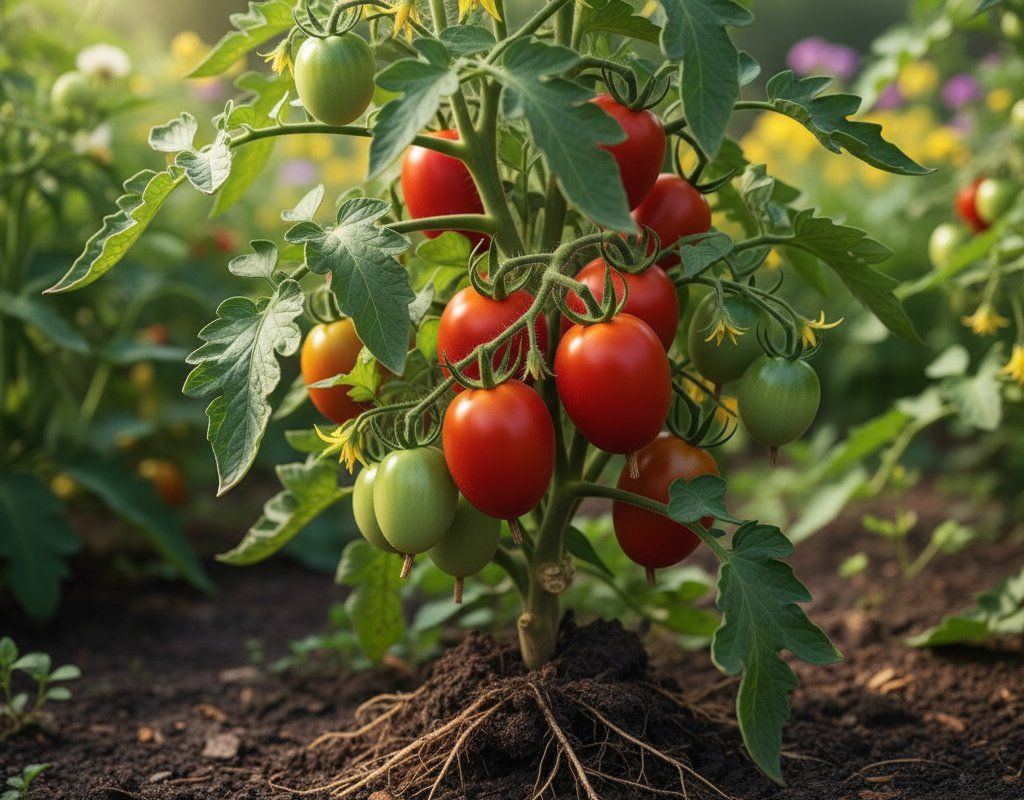
Roma Tomatoes in Zone 6A — Pacific Northwest
Solanum lycopersicum · Your Complete 2026 Planting Guide
Planning Ahead — Great!
You’re ahead of the season. Here’s when to start.
Mark Your Calendar
How to Plant Roma Tomatoes in Zone 6A — Pacific Northwest
Here are all your options for getting roma tomatoes in the ground, from the easiest method to more advanced approaches.
Start Seeds Indoors
RecommendedEarly to late April
around April 12
Then transplant: Late May through late June
Start seeds 6-8 weeks before transplanting outdoors.
Buy Starts
Works WellLate May through late June
around May 24
Plant purchased starts after last frost (May 10).
Direct Sow Seeds
ChallengingDirect sowing is not typical for Roma Tomatoes.
Transplant Outdoors
Timing InfoLate May through late June
around May 24
Wait until nighttime temperatures stay above 50°F.
You have a nice window — no need to rush.
Overview
Roma tomatoes are a Pacific Northwest gardener's dream for homemade sauces and preserves. Their meaty, low-moisture flesh concentrates beautifully when cooked, giving you that rich tomato flavor that store-bought varieties simply can't match. Our mild summers and cool nights actually improve their flavor development, creating perfectly balanced paste tomatoes without the stress that extreme heat brings.
While our wet springs and relatively short growing season of 148 days can challenge warm-season crops, Roma tomatoes adapt well to our climate with proper timing. Starting seeds indoors gives them the head start they need, and once established, they thrive in our dry summer months with consistent watering.
Starting Seeds Indoors
Start your Roma tomato seeds indoors during early to late April, about 6 weeks before you plan to transplant them outside. This timing gives your seedlings enough time to develop strong root systems while our overcast spring days gradually warm the soil outdoors.
Set up seed trays in a warm spot (65-70°F works well) with good light - a south-facing window or grow lights work perfectly. Plant seeds about ¼ inch deep in quality seed starting mix. Bottom watering works best for tomato seedlings; it encourages deeper root growth and prevents damping-off disease that can plague young plants in our humid spring conditions.
Keep the soil consistently moist but not waterlogged during germination, which typically takes 7-10 days. Once seedlings develop their first true leaves, you can begin weekly feeding with diluted liquid fertilizer to support their growth through our slow spring weather.
Transplanting Outdoors
Plan to transplant your Roma seedlings outdoors from late May through late June, after our last frost risk has passed and soil temperatures have warmed to at least 60°F. This timing window gives you flexibility to work with our sometimes unpredictable late spring weather patterns.
Harden off your seedlings gradually over a full week before transplanting - start with just 1-2 hours outside in a protected spot, then gradually increase their outdoor exposure. Our cool nights and occasional spring wind can shock tender plants if you rush this process.
Space your Roma plants 24-36 inches apart to ensure good air circulation, which is crucial in our region where late blight can be a concern. Plant them slightly deeper than they were in their containers, burying part of the stem to encourage a stronger root system that can better handle our dry summer months.
Watering Roma Tomatoes in Zone 6A (Pacific Northwest)
Roma tomatoes need consistent moisture throughout the growing season, and this is especially critical for paste tomatoes since inconsistent watering concentrates blossom end rot on their elongated fruit. In our dry summer climate, this means staying on top of your watering schedule even though we rarely see the extreme heat that other regions face.
During our mild summers (typically peaking around 82°F), plan to provide about 1-2 inches of water per week through deep, thorough watering sessions. Check soil moisture by sticking your finger 2 inches down - if it's dry at that depth, it's time to water. The dry summer air here means plants lose moisture steadily even without scorching heat.
Water at the base of plants rather than overhead to take advantage of our naturally low humidity during summer months. This reduces disease pressure and ensures water reaches the root zone where it's needed. Apply a 2-3 inch layer of organic mulch around plants to help maintain that consistent moisture Roma tomatoes crave.
Watch for signs of stress: wilting during the heat of the day (even our mild heat), yellowing lower leaves, or the telltale dark patches of blossom end rot on developing fruit. These indicate your watering rhythm needs adjustment for our Pacific Northwest growing conditions.
Supporting Your Roma Tomatoes
Roma tomatoes benefit from sturdy support despite being a determinate variety that stays more compact than indeterminates. Their heavy fruit load can cause branches to break or fruit to touch the ground, especially during our long fall harvest period when plants are loaded with ripening tomatoes.
Install cages or stakes at planting time to avoid disturbing roots later. For determinate Romas, a 4-5 foot cage works perfectly - you don't need the 6-foot towers that indeterminate varieties require. Heavy-duty tomato cages or sturdy wooden stakes with soft ties work well in our region where wind isn't typically a major concern.
As plants grow, gently tie main stems to supports and tuck wayward branches inside cages. Unlike indeterminate varieties, you won't need to prune suckers aggressively, but removing the lowest branches that might touch mulch helps prevent soil-borne diseases that can be problematic in our climate.
🧪Fertilizing Roma Tomatoes
Feeding Schedule
Organic Fertilizer Options
Harvest Time
Your first Roma tomatoes will be ready to harvest from early August through late September, about 75 days after transplanting. This timing works perfectly with our long, mild fall season that extends the harvest window well into October before our first frost arrives.
Look for deep red color throughout the entire fruit - Romas should have uniform coloring with no green shoulders. The fruit should feel firm but give slightly to gentle pressure, and ripe tomatoes will detach easily from the stem with a gentle twist. Unlike slicing tomatoes, Romas maintain their shape and texture even when fully ripe.
Since Roma is a determinate variety, most of your fruit will ripen over a 2-3 week period rather than continuously throughout the season. This concentrated harvest is actually perfect for making large batches of sauce or paste when fruit quality is at its peak.
As early October approaches and first frost threatens, harvest any green tomatoes and ripen them indoors on countertops or in paper bags. Roma tomatoes ripen well off the vine, so you won't lose your late-season crop to our Pacific Northwest frost dates.
Common Problems in Zone 6A (Pacific Northwest)
Blossom End Rot You'll notice sunken, dark brown or black leathery patches on the bottom (blossom end) of your Roma fruits, often affecting the first tomatoes of the season. This isn't a disease but rather a calcium deficiency caused by inconsistent watering - something that can easily happen as you adjust to our transition from wet spring to dry summer conditions. Fix this by maintaining consistent moisture through regular deep watering and applying a thick mulch layer. Remove affected fruit and focus on steady watering routines.
Early Blight Brown spots with distinctive concentric rings (like a bullseye pattern) appear on lower leaves first, then spread upward as leaves yellow and drop. This fungal disease thrives when soil splashes onto leaves during watering, which can be common during our wet spring months. Remove and destroy affected leaves immediately, mulch heavily to prevent soil splash, and water only at the base of plants. Good air circulation through proper spacing becomes crucial in our sometimes humid spring conditions.
Fusarium Wilt Watch for wilting that starts on just one side of the plant, followed by yellowing leaves on that same side - cutting the stem reveals brown streaks inside. This soil-borne fungus persists for years and enters through roots, becoming more active as soil warms through our growing season. There's no cure once plants are infected, so remove and destroy affected plants immediately. Prevention includes planting resistant varieties (look for 'F' on seed labels) and rotating crops on a 4-year cycle.
Pacific Northwest Specific Challenges Our region's mild summers and dry summer months actually reduce many typical tomato diseases, but Roma tomatoes can still struggle with late blight during cool, wet periods and slug damage to young fruit. The short heat season means focusing on consistent care rather than battling extreme weather stress that other regions face.
Best Companions for Roma Tomatoes
Plant these nearby for healthier Roma Tomatoes and better harvests.
View Full Companion Planting Chart →



Companion Planting Details
Plant basil near your Roma tomatoes - it naturally repels aphids and whiteflies while improving flavor, and both crops thrive in our warm, dry summer conditions. Carrots make excellent companions since their deep roots don't compete with tomato roots, and parsley planted nearby attracts beneficial insects that help control pests during our mild growing season. Marigolds scattered throughout your tomato patch deter nematodes and add beneficial insect habitat that's especially valuable in our region's relatively pest-free environment.
Avoid planting brassicas like cabbage or broccoli near your Romas - they compete for similar nutrients and can harbor diseases that affect tomatoes. Fennel inhibits tomato growth through chemical compounds it releases into the soil, and corn creates too much shade while attracting similar pests. In our Pacific Northwest gardens where space is often limited, focus on companions that truly benefit each other rather than just tolerate proximity.
🌸Best Flowers to Plant with Roma Tomatoes
These flowers protect your Roma Tomatoes from pests and attract pollinators for better harvests.
For Pest Control



For Pollinators

Get a Reminder When It's Time to Plant
We'll email you when key planting windows open for your zone.