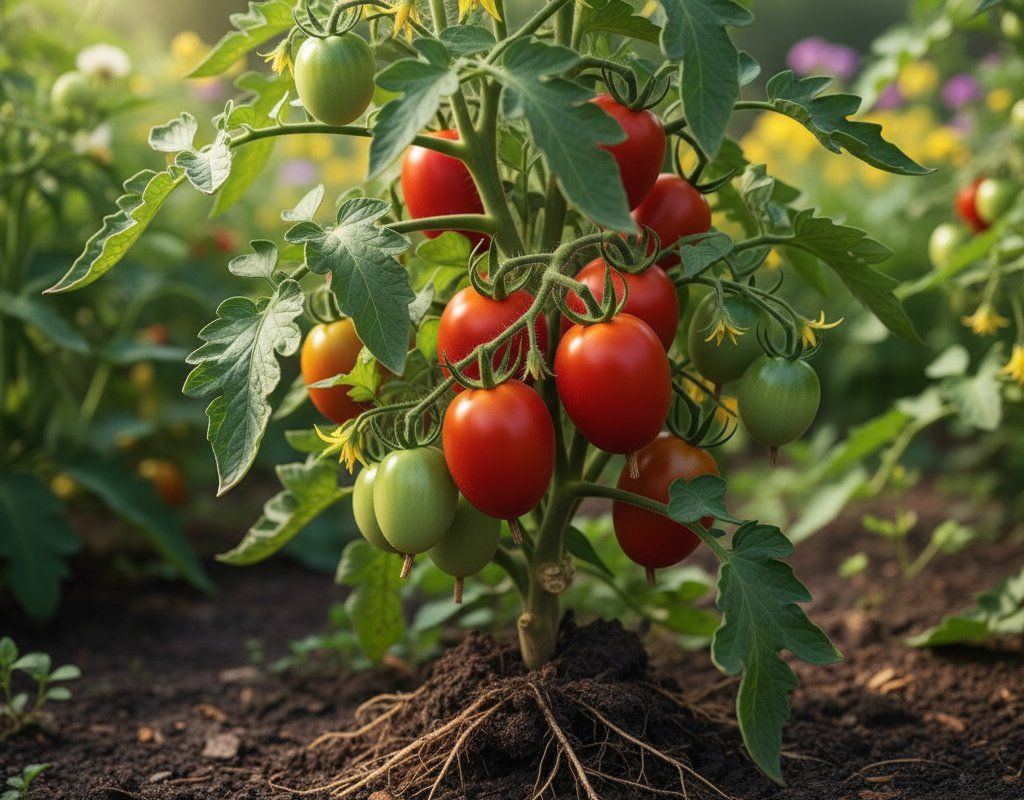
Roma Tomatoes in Zone 8B — Texas
Solanum lycopersicum · Your Complete 2026 Planting Guide
Missed Seed Starting? No Problem!
Wait for starts to become available.
What to Do
Starts will be available at nurseries in 7 days (around March 11).
How to Plant Roma Tomatoes in Zone 8B — Texas
Here are all your options for getting roma tomatoes in the ground, from the easiest method to more advanced approaches.
Start Seeds Indoors
RecommendedLate January through mid February
around January 28
Then transplant: Mid March through early April
Start seeds 6-8 weeks before transplanting outdoors.
Buy Starts
Works WellMid March through early April
around March 11
Plant purchased starts after last frost (February 25).
Direct Sow Seeds
ChallengingDirect sowing is not typical for Roma Tomatoes.
Transplant Outdoors
Timing InfoMid March through early April
around March 11
Wait until nighttime temperatures stay above 50°F.
You have a nice window — no need to rush.
Overview
Roma tomatoes are the backbone of any serious Texas garden, delivering dense, meaty flesh perfect for sauces, paste, and canning that puts store-bought to shame. These determinate beauties produce their entire crop over just a few weeks, making them ideal for preserving during our long 273-day growing season when you want to capture that peak summer flavor before the brutal Texas heat sets in.
Yes, our unpredictable weather throws curveballs – from late freezes to flash floods to that relentless summer heat – but Roma tomatoes are forgiving if you time things right. Starting seeds indoors gives you control over those critical early weeks, and with proper planning, you'll be harvesting armloads of perfect paste tomatoes well before the worst of summer arrives.
Starting Seeds Indoors
Start your Roma seeds indoors during late January through mid-February, about six weeks before your last frost. This timing takes advantage of Texas's early spring character while keeping your seedlings safely indoors during those unpredictable temperature swings we're famous for.
Set up seed trays with quality potting mix in a warm spot – a heat mat helps maintain the 70-75°F soil temperature tomatoes crave for germination. Once seedlings emerge, move them under grow lights or to your brightest south-facing window. Water from the bottom by setting trays in shallow pans of water, which prevents damping-off disease and encourages strong root development.
Your seedlings will be ready for transplanting by mid-March through early April, perfectly timed for our typically mild spring weather before summer's intensity kicks in.
Transplanting Outdoors
Transplant your Roma seedlings outdoors from mid-March through early April, once nighttime temperatures stay consistently above 50°F. Before planting, harden them off gradually over a week – start with just an hour outside in morning shade, increasing time and sun exposure daily until they're spending full days outdoors.
Space plants 24-36 inches apart to ensure good air circulation, which is crucial in our variable humidity. The wider spacing also gives you room to mulch heavily and water at the base without crowding. Plant deep, burying two-thirds of the stem to encourage a strong root system that'll handle Texas heat better.
Watch the weather closely during transplant season – those surprise cold snaps can still hit, and you'll want row covers handy if temperatures threaten to dip below 45°F. Better to wait a week than replant everything after an unexpected freeze.
Watering Roma Tomatoes in Zone 8B (Texas)
Roma tomatoes need consistent, deep watering – about 1.5 inches per week through their growing season. In Texas, this means you'll be supplementing our unpredictable rainfall patterns regularly, especially during those inevitable dry spells that can stretch for weeks even in supposedly wet years.
Check soil moisture by sticking your finger two inches deep near the plant base. If it's dry at that depth, it's time to water. During our hot-to-extreme summer heat with typical highs hitting 97°F, you may need to water every other day, especially once fruit starts forming. Water deeply at the base rather than overhead – our variable humidity means wet leaves can invite disease problems.
Inconsistent watering is Roma's biggest enemy, causing the blossom end rot that ruins those beautiful elongated fruits. One day bone dry, the next day flooded from a thunderstorm – that's exactly what triggers the calcium uptake problems that create those ugly black patches on the fruit bottom. Keep soil evenly moist, never swinging between drought and flood.
Mulch heavily around plants with 3-4 inches of organic matter to buffer those moisture swings. In Texas heat, unmulched soil can go from perfect to bone dry in just a day or two, but good mulch buys you time and keeps roots cool when temperatures soar.
Supporting Your Roma Tomatoes
Install cages or stakes at planting time, before roots spread. Since Roma is a determinate variety, you can use shorter 4-foot cages instead of the massive supports indeterminate varieties need – but don't skimp entirely, as the heavy fruit load will surprise you when harvest time hits.
Sturdy tomato cages work well, or drive 6-foot stakes and tie plants with soft cloth strips as they grow. The key is getting support in place early – trying to wrestle a cage around a mature plant usually damages branches and disrupts the root system.
As plants grow, gently guide the main stems through cage openings or tie to stakes every 8-10 inches. Roma plants stay relatively compact, but those clusters of heavy paste tomatoes will pull branches down without proper support, and fruit touching the ground in Texas heat becomes fire ant territory fast.
🧪Fertilizing Roma Tomatoes
Feeding Schedule
Organic Fertilizer Options
Harvest Time
Your first Roma tomatoes will be ready from late May through mid-July, about 75 days from transplanting. Look for deep red color throughout the fruit with just a slight give when gently squeezed – they should detach easily from the stem with a gentle twist and pull.
Since Roma is determinate, most fruit ripens within a 2-3 week window, which is perfect for large-batch canning or sauce-making. Don't wait for every tomato to be perfectly ripe on the vine – pick them when they start showing good color and let them finish ripening indoors if needed.
Harvest in early morning when temperatures are cooler and fruit is fully hydrated. Handle gently since ripe paste tomatoes can bruise easily despite their firm appearance. Check plants every other day during peak season – in Texas heat, fruit can go from perfect to overripe quickly.
As first frost approaches in late November, harvest all remaining fruit regardless of size or color. Green Roma tomatoes ripen well indoors when stored in a warm, dark place, giving you homegrown tomatoes well into winter.
Common Problems in Zone 8B (Texas)
Blossom End Rot Dark, leathery patches appear on the bottom (blossom end) of fruits, starting small but often expanding to ruin the entire tomato. This typically hits the first flush of fruit hardest, which is heartbreaking when you've waited months for your first harvest.
Texas's unpredictable rainfall – bone dry for weeks, then flooding rains – creates the perfect storm for this calcium uptake problem. It's not actually a calcium deficiency in the soil, but inconsistent watering prevents plants from absorbing available calcium. The solution is boringly simple: water consistently and mulch heavily to buffer moisture swings.
Early Blight Brown spots with distinctive concentric rings (like a bullseye) appear on lower leaves first, then march steadily up the plant. Leaves turn yellow and drop, weakening the plant just when it needs energy for fruit production.
Our warm, humid conditions during spring and early summer create ideal conditions for this fungal disease. It spreads via soil splash during our intense thunderstorms. Remove affected leaves immediately, mulch to prevent soil splash, and water at the base only. Copper fungicide helps slow the spread, but prevention through good spacing and air circulation works better.
Fusarium Wilt One side of the plant suddenly starts wilting, even with adequate water, then the whole plant follows. Cut stems reveal brown streaking inside – a sure sign this soil-borne fungus has invaded the vascular system.
Texas heat creates perfect conditions for fusarium, which enters through roots and spreads through the plant's water-conducting system. Once infected, there's no cure – remove and destroy the entire plant. Plant only resistant varieties (marked with 'F' on seed labels) and rotate tomato family crops to different garden areas each year.
Texas Specific Challenges: Our extreme heat stresses plants and makes them more susceptible to all these problems, while variable humidity swings between perfect disease conditions and drought stress. Fire ants also complicate things by farming aphids on stressed plants and attacking any fruit that touches the ground.
Best Companions for Roma Tomatoes
Plant these nearby for healthier Roma Tomatoes and better harvests.
View Full Companion Planting Chart →



Companion Planting Details
Good companions for Roma tomatoes include basil, which naturally repels aphids and thrips while improving tomato flavor, and carrots, whose deep taproots break up clay soil without competing for nutrients. Marigolds planted nearby deter nematodes and whiteflies, while parsley attracts beneficial insects that prey on tomato pests – particularly important in Texas where pest pressure runs high year-round.
Avoid planting brassicas like cabbage or broccoli near tomatoes, as they're heavy nitrogen feeders that compete directly with your tomatoes' high nutrient needs. Fennel secretes compounds that inhibit tomato growth, and corn attracts corn earworms that readily switch to tomato hornworms when corn season ends – exactly when your Roma fruits are sizing up.
🌸Best Flowers to Plant with Roma Tomatoes
These flowers protect your Roma Tomatoes from pests and attract pollinators for better harvests.
For Pest Control



For Pollinators

Get a Reminder When It's Time to Plant
We'll email you when key planting windows open for your zone.