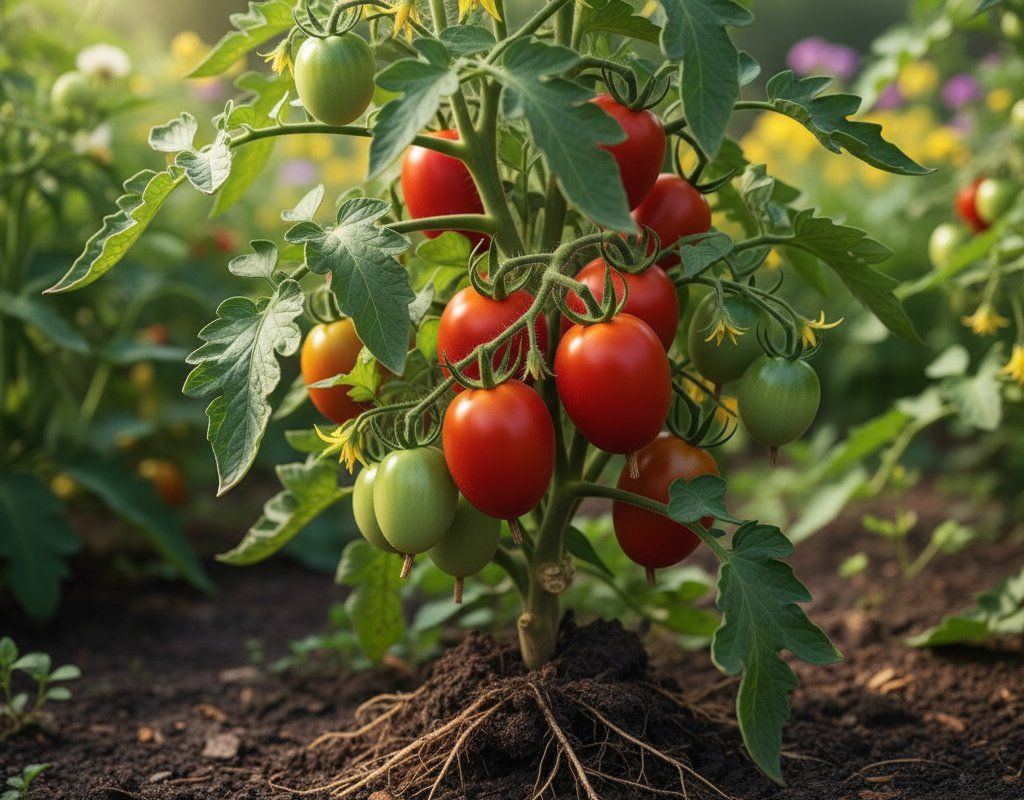
Roma Tomatoes in Zone 9A — Northern California
Solanum lycopersicum · Your Complete 2026 Planting Guide
Missed Seed Starting? No Problem!
Wait for starts to become available.
What to Do
Starts will be available at nurseries in 2 days (around March 6).
How to Plant Roma Tomatoes in Zone 9A — Northern California
Here are all your options for getting roma tomatoes in the ground, from the easiest method to more advanced approaches.
Start Seeds Indoors
RecommendedMid January through early February
around January 23
Then transplant: Early March through early April
Start seeds 6-8 weeks before transplanting outdoors.
Buy Starts
Works WellEarly March through early April
around March 6
Plant purchased starts after last frost (February 20).
Direct Sow Seeds
ChallengingDirect sowing is not typical for Roma Tomatoes.
Transplant Outdoors
Timing InfoEarly March through early April
around March 6
Wait until nighttime temperatures stay above 50°F.
You have a nice window — no need to rush.
Overview
Roma tomatoes are a perfect match for Northern California's Mediterranean climate, giving you those meaty, low-seed fruits that transform into exceptional sauce, paste, and sun-dried tomatoes. In our warm, dry summers, these determinate varieties produce concentrated harvests that align beautifully with peak canning season — exactly when you want to preserve that summer flavor before our dry period really sets in.
Our variable microclimates and long 288-day growing season give you flexibility most gardeners can only dream of, though you'll need to navigate our early spring temperature swings and plan around water restrictions. The good news is that with proper timing, you can start seeds during our mild winter months and have transplants ready as soon as our last frost passes in mid-February.
Starting Seeds Indoors
Start your Roma seeds indoors from mid-January through early February, about 6 weeks before you plan to transplant. This timing works perfectly with our early spring character, giving your seedlings enough time to develop strong roots before heading outside when nighttime temperatures stabilize above 50°F.
Set up seed trays with quality seed starting mix in a warm spot — aim for 70-75°F for fastest germination. A heat mat helps during our cooler winter nights. Once seedlings emerge, move them to bright light or grow lights for 12-14 hours daily.
Use bottom watering whenever possible by setting seed trays in shallow water until the soil surface feels moist. This prevents the damping-off issues that can plague tomato seedlings and keeps the foliage dry. Your seeds should germinate within 7-10 days in our typical indoor winter conditions.
Transplanting Outdoors
Plan to transplant your Roma seedlings outdoors from early March through early April, after our last frost risk passes and soil temperatures reach at least 60°F. Our Northern California spring can deliver unexpected temperature swings, so watch the forecast and be prepared to protect young plants if needed.
Harden off seedlings for a full week before transplanting by gradually exposing them to outdoor conditions. Start with 2-3 hours of morning sun, then increase daily exposure time and intensity. This step is crucial in our variable spring weather where a warm day can suddenly turn cool and windy.
Space plants 24-36 inches apart to ensure good air circulation in our low-humidity climate. The wider spacing works especially well if you're in an area prone to morning fog, as it helps plants dry quickly and reduces disease pressure. Choose your sunniest spot with at least 6-8 hours of direct sun.
Watering Roma Tomatoes in Zone 9A (Northern California)
Roma tomatoes need consistent, deep watering throughout our dry summer months, and this is where many NorCal gardeners struggle. These paste tomatoes are particularly sensitive to irregular moisture, which triggers blossom end rot on their elongated fruits. With our typical 15-40 inches of annual rainfall concentrated in winter, you'll be the sole water source from late spring through fall.
Establish a routine of deep watering 2-3 times per week rather than daily light sprinkling. Aim for about 1-2 inches per week, checking soil moisture with your finger down to 2 inches deep. The soil should feel consistently moist but not waterlogged. In our moderate-to-hot summer heat (typical highs around 88°F), morning watering works best.
Water at the base of plants rather than overhead to take advantage of our low humidity and reduce disease pressure. Soaker hoses or drip irrigation systems work exceptionally well here and help you comply with water restrictions while maintaining the even moisture Romas demand. Mulch heavily with compost or straw to retain moisture during our rainless summer months.
Watch for signs of water stress: wilting during peak afternoon heat even with moist soil (normal), persistent wilting with dry soil (increase watering), or yellowing lower leaves (often overwatering in our fast-draining soils). Adjust your schedule based on your specific microclimate — coastal areas need less frequent watering than inland valleys.
Supporting Your Roma Tomatoes
Install cages or stakes at planting time since Roma tomatoes produce heavy clusters of fruit that can snap branches without support. Being determinate varieties, they stay more compact than indeterminate tomatoes, so shorter 4-5 foot cages work perfectly and are easier to manage in our windy conditions.
Choose sturdy wire cages or drive stakes deeply into the ground — our summer winds can topple inadequately supported plants loaded with fruit. If using stakes, tie plants loosely with soft fabric strips as they grow, adding ties every 8-10 inches up the main stem.
Since Romas set most of their fruit at once, you'll appreciate that support when the plant becomes top-heavy with clusters of developing tomatoes. Proper support also keeps fruit off the ground, preventing soil contact that can lead to rot in our variable moisture conditions.
🧪Fertilizing Roma Tomatoes
Feeding Schedule
Organic Fertilizer Options
Harvest Time
Your first Roma tomatoes will be ready from mid-May through early July, about 75 days from transplanting. Unlike cherry tomatoes that ripen gradually, these determinate plants will give you most of their harvest within a 2-3 week window — perfect for batch processing into sauce or paste.
Look for deep red color throughout the fruit with firm flesh that gives slightly to pressure. Ripe Romas will detach easily from the stem with a gentle twist. Don't wait for them to get soft, as they can split in our low-humidity conditions if left too long on the vine.
Since our first frost doesn't typically arrive until early December, you have excellent flexibility for succession plantings or late harvests. If unexpected cold weather threatens mature but green fruits, harvest them immediately — Romas ripen beautifully indoors at room temperature within 7-10 days.
The concentrated harvest timing works perfectly with our dry climate preservation methods. You can sun-dry tomatoes naturally during our rainless summer months, or process large batches into sauce when plants hit peak production in our warm late spring and early summer weather.
Common Problems in Zone 9A (Northern California)
Blossom End Rot: You'll see dark, sunken patches on the bottom (blossom end) of developing fruits, especially the first clusters of the season. This leathery, brown-to-black spot makes the fruit inedible and typically affects Roma tomatoes more than other varieties due to their elongated shape. The cause isn't a disease but rather calcium deficiency triggered by inconsistent watering — exactly what happens when we try to stretch irrigation during water restrictions or when plants dry out between deep waterings. Maintain consistent soil moisture through mulching and regular deep watering. Remove affected fruits immediately and focus on prevention rather than trying to save damaged tomatoes.
Early Blight: Brown spots with distinctive concentric rings (target pattern) appear on lower leaves first, then spread upward as leaves yellow and drop. This fungal disease thrives in our warm spring and early summer conditions, especially when morning fog or overhead watering creates surface moisture on leaves. The fungus spreads via soil splash onto lower leaves during watering. Remove affected leaves immediately and don't compost them. Switch to drip irrigation or soaker hoses to avoid wetting foliage, and mulch heavily to prevent soil splash. Our low summer humidity actually helps once you eliminate the moisture sources.
Fusarium Wilt: Plants develop one-sided wilting that gradually spreads, with yellowing leaves starting on one side of the plant. Cut open an affected stem and you'll see brown streaking inside. This soil-borne fungus persists for years and enters through roots, favored by our warm soil temperatures in late spring and summer. There's no cure once plants are infected — remove and destroy affected plants immediately. Plant resistant varieties (look for 'F' on seed packets), rotate crops every 4 years, and consider soil solarization during our hottest summer months to reduce fungal populations.
Northern California Specific Challenges: Our Mediterranean climate's combination of moderate-to-hot days, cool nights, and extremely low summer humidity creates unique growing conditions. While the low humidity reduces many fungal diseases, it increases water stress and makes consistent irrigation critical. Factor in potential water restrictions, variable microclimates, and fire season disruptions when planning your Roma tomato care schedule.
Best Companions for Roma Tomatoes
Plant these nearby for healthier Roma Tomatoes and better harvests.
View Full Companion Planting Chart →



Companion Planting Details
Basil makes the classic companion for Roma tomatoes and thrives in our Mediterranean climate — plant it nearby for convenient harvesting and natural pest deterrence. Carrots work well underneath tomato plants since their deep taproots don't compete with tomato surface roots, and both crops appreciate consistent watering. Marigolds help deter aphids and whiteflies while adding color, and parsley provides ground cover that helps retain moisture during our dry summers.
Avoid planting brassicas like cabbage, broccoli, or kale near your Romas — they compete for nutrients and can harbor pests that affect both crops. Fennel's allelopathic properties inhibit tomato growth, and corn creates too much shade while attracting tomato hornworms. In our intense sun and heat, your Roma tomatoes need all the light and air circulation they can get, so choose low-growing companions that won't compete for these essential resources.
🌸Best Flowers to Plant with Roma Tomatoes
These flowers protect your Roma Tomatoes from pests and attract pollinators for better harvests.
For Pest Control



For Pollinators

Get a Reminder When It's Time to Plant
We'll email you when key planting windows open for your zone.