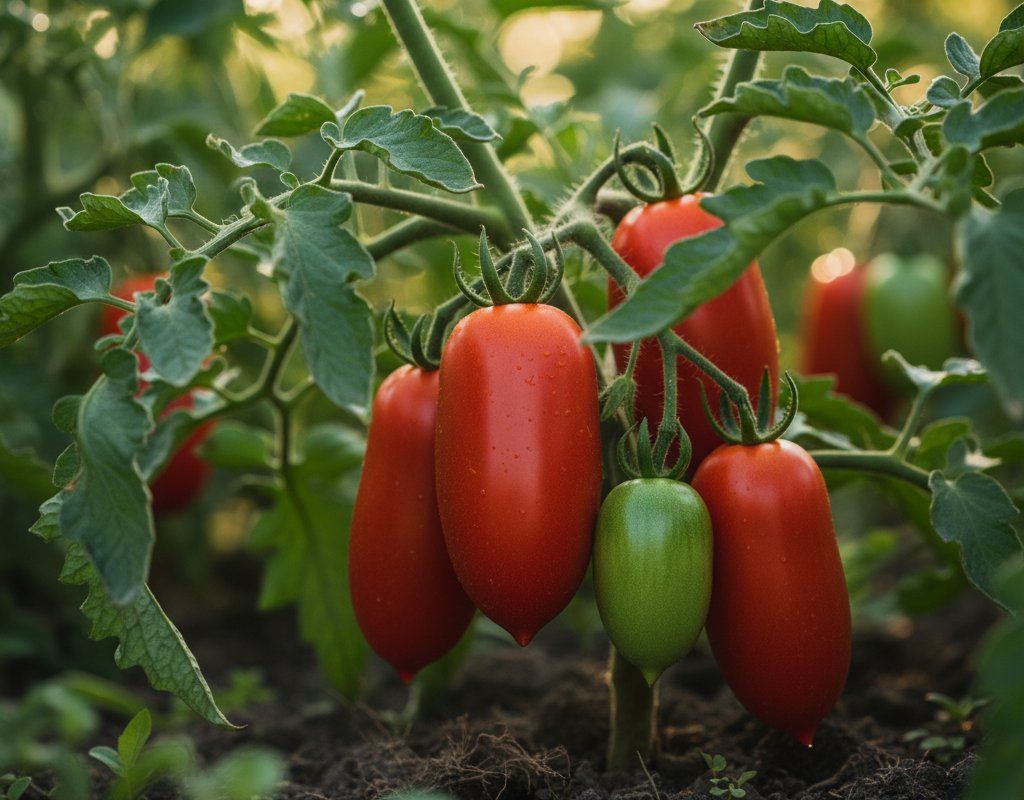
San Marzano Tomatoes in Zone 6B — Pacific Northwest
Solanum lycopersicum · Your Complete 2026 Planting Guide
Planning Ahead — Great!
You’re ahead of the season. Here’s when to start.
Mark Your Calendar
How to Plant San Marzano Tomatoes in Zone 6B — Pacific Northwest
Here are all your options for getting san marzano tomatoes in the ground, from the easiest method to more advanced approaches.
Start Seeds Indoors
RecommendedLate March through mid April
around April 3
Then transplant: Mid May through mid June
Start seeds 6-8 weeks before transplanting outdoors.
Buy Starts
Works WellMid May through mid June
around May 15
Plant purchased starts after last frost (May 1).
Direct Sow Seeds
ChallengingDirect sowing is not typical for San Marzano Tomatoes.
Transplant Outdoors
Timing InfoMid May through mid June
around May 15
Wait until nighttime temperatures stay above 50°F.
You have a nice window — no need to rush.
Overview
San Marzano tomatoes are the holy grail of paste tomatoes, and our mild Pacific Northwest summers create ideal conditions for developing their legendary sweet, low-acid flavor. These elongated Italian heirlooms transform into the most incredible sauce you've ever tasted, with dense flesh that breaks down beautifully and concentrated flavor that puts any store-bought sauce to shame. Our cool nights actually enhance their flavor development while our dry summer months reduce disease pressure.
Yes, San Marzanos are heat-loving plants facing our relatively cool climate, but don't let that discourage you. With our 162-day growing season and proper timing, you'll have plenty of warmth to bring these beauties to full maturity. The key is starting them early indoors and choosing the warmest, most protected spot in your garden.
Starting Seeds Indoors
Start your San Marzano seeds indoors during late March through mid-April, about 6 weeks before you plan to transplant. Our slow Pacific Northwest springs make indoor starting essential for warm-season crops like tomatoes. Set up seed trays in a warm spot (70-80°F is ideal) with good light once seedlings emerge.
Use bottom watering to keep soil consistently moist without disturbing the seeds. A heating mat underneath your trays helps tremendously during our cool spring days. Once true leaves appear, provide 12-16 hours of grow light daily or place in your brightest south-facing window.
Transplant seedlings to larger containers when they outgrow their seed cells. This gives them time to develop strong root systems while outdoor temperatures slowly warm up through our typically overcast spring days.
Transplanting Outdoors
Transplant your San Marzano seedlings outdoors from mid-May through mid-June, after our last frost danger passes and soil has warmed. In the Pacific Northwest, soil stays cool longer than air temperatures suggest, so don't rush this step even if daytime temps look promising.
Harden off seedlings gradually over a full week, starting with just an hour or two of filtered outdoor light and building up to full exposure. Our spring weather can swing dramatically, so watch for unexpected cold snaps during this process.
Space plants 24-36 inches apart in your warmest, most protected location with full sun exposure. Choose a spot near a south-facing wall or fence if possible, as these heat-loving plants will benefit from the extra warmth and wind protection during our cool spring nights.
Watering San Marzano Tomatoes in Zone 6B (Pacific Northwest)
San Marzano tomatoes need consistent, deep watering throughout the growing season, especially since they're prone to blossom end rot when moisture fluctuates. In our dry Pacific Northwest summers, you'll need to supplement rainfall with regular irrigation from June through September.
Aim for about 1-1.5 inches of water per week, applied slowly and deeply at the base of the plant. Check soil moisture by inserting your finger 2 inches deep - if it's dry, it's time to water. Our mild summer temperatures (rarely above 90°F) mean less evaporation than hotter regions, but the dry summer months still require vigilant watering.
Water at the base rather than overhead to prevent foliar diseases, which is especially important in our naturally humid spring conditions before the dry season kicks in. Early morning watering gives plants time to dry before cooler evening temperatures arrive.
Apply a thick layer of organic mulch around plants to retain moisture and reduce watering frequency. Straw or shredded leaves work well in our climate and help maintain the consistent soil moisture these paste tomatoes desperately need to prevent that frustrating blossom end rot on your prize fruits.
Supporting Your San Marzano Tomatoes
San Marzano tomatoes are vigorous indeterminate varieties that will easily reach 6-8 feet tall in our long growing season, producing heavy clusters of elongated fruits that need substantial support. Install sturdy 6-foot stakes or large tomato cages at planting time, before the root system expands.
Heavy-duty cages work better than stakes for these prolific producers, as the multiple fruiting branches benefit from cage support rather than being tied to a single stake. If using stakes, choose thick wooden or metal posts driven at least 18 inches into the ground.
Begin training stems when they're about 12 inches tall, gently tying or weaving branches through cage openings weekly. Our mild temperatures mean steady, consistent growth rather than explosive spurts, giving you time to stay ahead of the training process throughout the season.
Pruning & Maintaining San Marzano Tomatoes
Remove suckers (shoots growing between main stem and branches) regularly throughout the growing season, focusing especially on lower suckers that develop below the first flower cluster. San Marzanos benefit from moderate pruning to improve air circulation and direct energy into fruit production rather than excessive foliage.
Strip off lower leaves that touch the ground or show any signs of disease, especially during our wet spring months when fungal issues can develop. As plants mature, remove a few inner branches to open up the canopy for better airflow through the plant.
As early October approaches and first frost threatens, top your plants by pinching off growing tips. This directs energy into ripening existing fruits rather than developing new flowers that won't have time to mature in our shortened late-season daylight.
🧪Fertilizing San Marzano Tomatoes
Feeding Schedule
Organic Fertilizer Options
Harvest Time
Your first San Marzano tomatoes will be ready from early August through late September, about 80 days from transplanting. Look for fruits that have turned deep red all the way to the stem end, feel firm but give slightly to gentle pressure, and detach easily from the vine when gently twisted.
These paste tomatoes are distinctively elongated with a pointed blossom end, quite different from round slicers. Ripe San Marzanos will have developed their full sweet, complex flavor and dense texture perfect for sauce-making. Harvest regularly to encourage continued production throughout our long, mild fall season.
As our first frost approaches in early October, you can harvest green fruits and ripen them indoors on a windowsill or in paper bags. San Marzanos ripen well off the vine, though flavor won't be quite as intense as vine-ripened fruits.
Continue harvesting until frost kills the plants. Our extended mild fall often allows for production well into September, giving you time for multiple harvests of these prized sauce tomatoes before the season ends.
Common Problems in Zone 6B (Pacific Northwest)
Blossom End Rot Dark, sunken patches on the bottom (blossom end) of fruits, starting small and expanding into leathery black spots. This typically affects the first flush of tomatoes most severely. The cause isn't disease but inconsistent watering that prevents calcium uptake from soil. Our spring-to-summer transition from wet to dry conditions can trigger this if you don't adjust watering habits. Water consistently and deeply, mulch heavily to maintain even soil moisture, and avoid over-fertilizing with nitrogen which interferes with calcium absorption.
Early Blight Brown spots with distinctive concentric rings (bullseye pattern) appearing first on lower leaves, then spreading upward as leaves yellow and drop. This fungal disease thrives in the warm, humid conditions of late spring before our dry season begins. Soil splashing onto lower leaves spreads the spores. Remove affected leaves immediately (don't compost them), mulch to prevent soil splash, water only at the base of plants, and improve air circulation through proper spacing and pruning.
Fusarium Wilt Wilting that starts on one side of the plant, then spreads, accompanied by yellowing leaves and brown streaks visible when you cut open the stem. This soil-borne fungus enters through roots and persists in soil for years. There's no cure once infected - remove and destroy the entire plant. Prevent by planting resistant varieties (look for 'F' on seed packets), rotating crops on a 4-year cycle, and maintaining soil pH above 6.5.
Pacific Northwest Specific Challenges: Our region's late blight pressure during wet springs can devastate tomato plants if humidity lingers too long. The cool soil temperatures in spring can stress transplants and make them more susceptible to soil-borne diseases. Additionally, slugs thrive in our moist spring conditions and will damage young plants and low-hanging fruits.
Best Companions for San Marzano Tomatoes
Plant these nearby for healthier San Marzano Tomatoes and better harvests.
View Full Companion Planting Chart →



Companion Planting Details
Plant basil alongside your San Marzanos - it naturally repels aphids and may improve tomato flavor while thriving in the same warm, sunny conditions. Carrots make excellent companions since their deep taproots don't compete with tomato roots and help break up soil, while parsley planted nearby attracts beneficial insects that prey on tomato pests. Marigolds scattered throughout your tomato bed deter nematodes and many flying insects with their strong scent.
Avoid planting brassicas (cabbage, broccoli, kale) near tomatoes as they compete for similar nutrients and can stunt tomato growth. Keep fennel far away from your tomato patch - it releases compounds that inhibit tomato growth and fruit development. Corn should also be avoided as a neighbor since both crops are heavy feeders that will compete intensely for nutrients, and corn can shade your heat-loving tomatoes in our already mild summer conditions.
🌸Best Flowers to Plant with San Marzano Tomatoes
These flowers protect your San Marzano Tomatoes from pests and attract pollinators for better harvests.
For Pest Control

Get a Reminder When It's Time to Plant
We'll email you when key planting windows open for your zone.