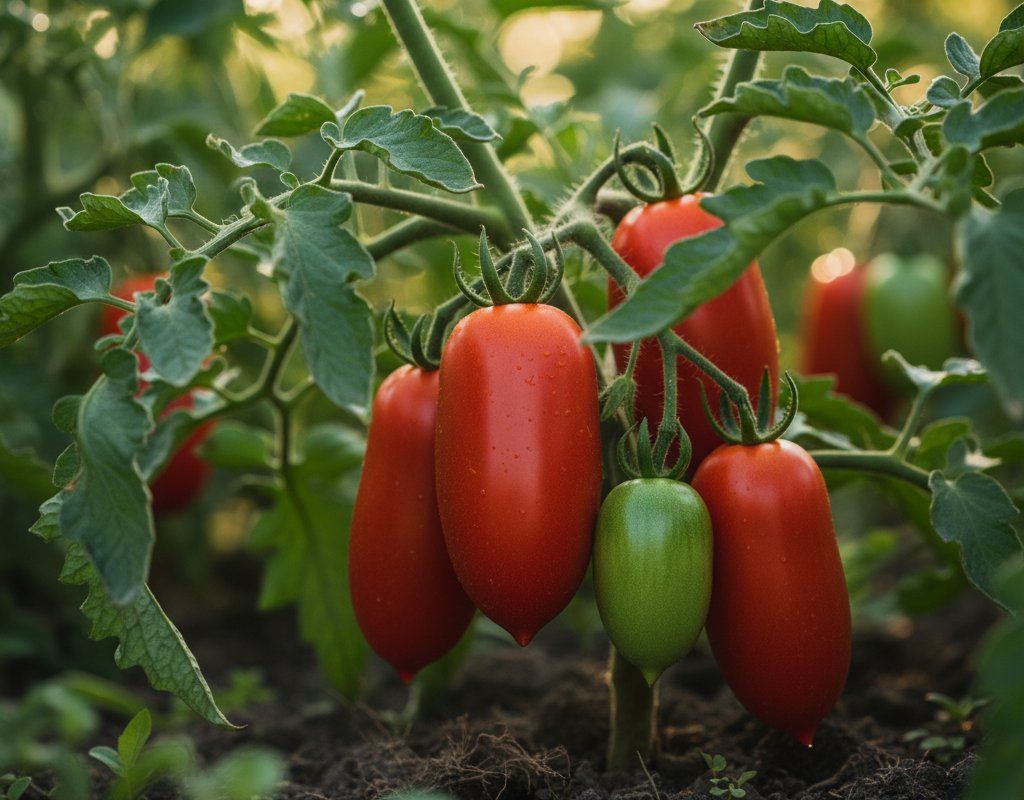
San Marzano Tomatoes in Zone 8B — Gulf Coast
Solanum lycopersicum · Your Complete 2026 Planting Guide
Missed Seed Starting? No Problem!
Wait for starts to become available.
What to Do
Starts will be available at nurseries in 2 days (around March 6).
How to Plant San Marzano Tomatoes in Zone 8B — Gulf Coast
Here are all your options for getting san marzano tomatoes in the ground, from the easiest method to more advanced approaches.
Start Seeds Indoors
RecommendedMid January through early February
around January 23
Then transplant: Early March through early April
Start seeds 6-8 weeks before transplanting outdoors.
Buy Starts
Works WellEarly March through early April
around March 6
Plant purchased starts after last frost (February 20).
Direct Sow Seeds
ChallengingDirect sowing is not typical for San Marzano Tomatoes.
Transplant Outdoors
Timing InfoEarly March through early April
around March 6
Wait until nighttime temperatures stay above 50°F.
You have a nice window — no need to rush.
Overview
San Marzano tomatoes bring authentic Italian flavor to your Gulf Coast garden, producing those prized elongated paste tomatoes perfect for sauce-making and canning. In our humid climate with its long growing season, these indeterminate beauties can produce continuously from late spring through our first frost in early December, giving you months of harvest from plants that truly thrive in our warm conditions.
While our Gulf Coast humidity can challenge tomato growing with increased disease pressure, starting San Marzanos at the right time lets you work with our climate rather than against it. Our 284-day growing season means you'll have plenty of time for multiple succession plantings and an extended harvest period that makes the extra care worthwhile.
Starting Seeds Indoors
Start your San Marzano seeds indoors from mid-January through early February, about 6 weeks before transplanting outdoors. In the Gulf Coast, this timing works perfectly with our early spring pattern, giving seedlings time to develop strong root systems before heading outside.
Set up seed trays in a warm spot (70-75°F) with good light - a sunny south window or grow lights work well. Plant seeds about ¼ inch deep in quality seed starting mix. Bottom watering works best for tomato seedlings, keeping soil consistently moist without encouraging fungal issues that our high humidity can promote.
Keep seedlings under lights or in your brightest window, turning containers daily for even growth. Once they develop their first true leaves, you can begin weekly diluted fertilizer applications to build strong transplants.
Transplanting Outdoors
Transplant your San Marzano seedlings outdoors from early March through early April, after soil temperatures consistently reach 60°F and night temperatures stay above 50°F. Our Gulf Coast springs can bring unexpected cold snaps, so watch weather forecasts closely during this transition period.
Harden off seedlings for a full week before transplanting - start with just an hour of morning sun, gradually increasing outdoor exposure. This process is crucial in our climate where afternoon storms and intense sun can shock unprepared plants. Choose a calm, overcast day for final transplanting if possible.
Space plants 24-36 inches apart to ensure good air circulation, which is critical in our humid conditions. The wider spacing helps prevent fungal diseases that thrive when plants are crowded together in our moisture-rich environment.
Watering San Marzano Tomatoes in Zone 8B (Gulf Coast)
San Marzano tomatoes need consistent, deep watering throughout our growing season, requiring about 1-2 inches per week including rainfall. While the Gulf Coast receives 50-65 inches of rain annually, our hot summers with afternoon storms can create feast-or-famine cycles that stress tomato plants and trigger blossom end rot.
Water at the base of plants rather than overhead - our high humidity already creates perfect conditions for leaf diseases, so keeping foliage dry helps tremendously. Use the finger test: stick your finger 2 inches into the soil near the plant base. If it's dry at that depth, it's time to water deeply.
During our intense summer heat (typically reaching 93°F), plants may need daily watering, especially in containers. Apply a thick layer of mulch around plants to maintain consistent soil moisture and reduce water stress. Watch for signs: wilting during the hottest part of the day is normal, but wilting in morning or evening indicates drought stress.
Our wet periods can be just as challenging as dry spells. Ensure good drainage around plants, and if heavy rains are forecast for several days, consider temporary row covers to prevent oversaturation that can split fruit and encourage root rot.
Supporting Your San Marzano Tomatoes
Install strong tomato cages or stakes at planting time - San Marzanos are vigorous indeterminate varieties that can easily reach 6-8 feet tall in our long growing season. Heavy-duty cages or sturdy 8-foot stakes work best, as these plants will produce substantial fruit clusters that can snap weaker supports.
Stake method: Drive stakes 18 inches deep and tie stems loosely with soft cloth strips, adding ties every 12 inches as plants grow. Cage method: Choose cages at least 5 feet tall with large openings for easy harvest access - you'll be picking fruit for months in our extended growing season.
Train plants by gently weaving main stems through cage openings or tying to stakes weekly. The consistent growth in our warm climate means you'll need to stay on top of training to prevent stems from becoming unwieldy or breaking under the weight of developing fruit clusters.
Pruning & Maintaining San Marzano Tomatoes
Remove suckers (shoots growing between main stem and branches) regularly throughout the growing season, focusing on those below the first flower cluster. San Marzanos benefit from moderate pruning that improves air circulation - crucial in our humid Gulf Coast conditions where fungal diseases spread rapidly through dense foliage.
Strip away lower leaves that touch the ground or show early signs of disease, removing them completely from the garden to prevent spore spread. As plants mature, continue removing suckers and any yellowing or spotted leaves to maintain good airflow through the plant canopy.
In late November, about 3-4 weeks before our typical first frost in early December, top plants by pinching growing tips. This directs energy into ripening existing fruit rather than producing new flowers that won't have time to mature in our shortened daylight hours.
🧪Fertilizing San Marzano Tomatoes
Feeding Schedule
Organic Fertilizer Options
Harvest Time
Expect your first San Marzano harvest from late May through mid-July, about 80 days from transplanting. These elongated paste tomatoes are ready when they turn deep red and feel firm but give slightly to gentle pressure - the fruit should detach easily from the stem with a gentle twist.
Perfect ripeness: Look for deep red color with no green shoulders, firm flesh that yields slightly to pressure, and easy separation from the stem. San Marzanos develop their characteristic elongated shape as they mature, becoming more pronounced just before full ripeness.
Harvest every 2-3 days during peak season to encourage continued production. In our long growing season, properly cared-for plants will produce continuously until first frost. Pick fruit in the morning when possible, after dew has dried but before afternoon heat sets in.
As early December approaches and first frost threatens, harvest all remaining fruit regardless of ripeness. Green and partially ripe San Marzanos ripen well indoors when stored in a warm spot away from direct sunlight - wrap individual fruits in newspaper for best results.
Common Problems in Zone 8B (Gulf Coast)
Blossom End Rot What it looks like: Dark, sunken leathery patches on the bottom (blossom end) of fruits, often affecting the season's first tomatoes. The spots start small but can cover half the fruit. What causes it: Inconsistent watering prevents calcium uptake, even when soil has adequate calcium. Our Gulf Coast pattern of heavy afternoon storms followed by hot, dry periods creates perfect conditions for this nutritional disorder. How to fix/prevent it: Maintain consistent soil moisture with deep, regular watering and thick mulch. Water during dry spells even when afternoon storms are forecast - short downpours rarely penetrate deeply enough. Remove affected fruits immediately and focus on consistent watering going forward.
Early Blight What it looks like: Brown spots with distinctive concentric rings (bullseye pattern) starting on lower leaves, gradually moving up the plant. Affected leaves yellow and drop, weakening the plant. What causes it: This fungal disease thrives in our warm, humid conditions and spreads when soil splashes onto lower leaves during our frequent afternoon storms and heavy watering. How to fix/prevent it: Remove affected leaves immediately and destroy them - never compost diseased material. Mulch heavily to prevent soil splash, water only at plant base, and ensure proper spacing for airflow. Copper-based fungicides can slow spread when applied early.
Fusarium Wilt What it looks like: Wilting that starts on one side of the plant, yellowing leaves beginning on one side, and brown streaks visible inside stems when cut open. Plants may appear healthy in morning but wilt during heat of day. What causes it: Soil-borne fungus that persists for years and enters through roots. Our warm Gulf Coast soil temperatures create ideal conditions for this disease to flourish and spread. How to fix/prevent it: No cure exists once plants are infected - remove and destroy entire plants immediately. Choose resistant varieties marked with 'F' on seed packets, rotate tomato family crops on 4-year cycles, and consider raised beds with fresh soil in severely affected areas.
Gulf Coast Specific Challenges: Our combination of intense heat, very high humidity, and frequent rainfall creates a perfect storm for tomato diseases. Success with San Marzanos here requires vigilant attention to air circulation, consistent (not excessive) watering, and quick response to any signs of disease.
Best Companions for San Marzano Tomatoes
Plant these nearby for healthier San Marzano Tomatoes and better harvests.
View Full Companion Planting Chart →



Companion Planting Details
Plant basil nearby - it reportedly improves tomato flavor while its strong scent may deter some pests that plague tomatoes in our humid climate. Carrots make excellent companions since their deep taproots don't compete with tomato roots, and parsley attracts beneficial insects that help with pest control. Marigolds planted around the garden perimeter can help deter nematodes, which can be problematic in our warm Gulf Coast soils.
Avoid planting brassicas (cabbage, broccoli) near San Marzanos as they can stunt tomato growth and attract pests that may move to your tomato plants. Keep fennel away from the tomato patch - it can inhibit growth - and avoid corn, which attracts tomato hornworms and creates too much shade for proper tomato development in our already challenging humid conditions.
🌸Best Flowers to Plant with San Marzano Tomatoes
These flowers protect your San Marzano Tomatoes from pests and attract pollinators for better harvests.
For Pest Control

Get a Reminder When It's Time to Plant
We'll email you when key planting windows open for your zone.