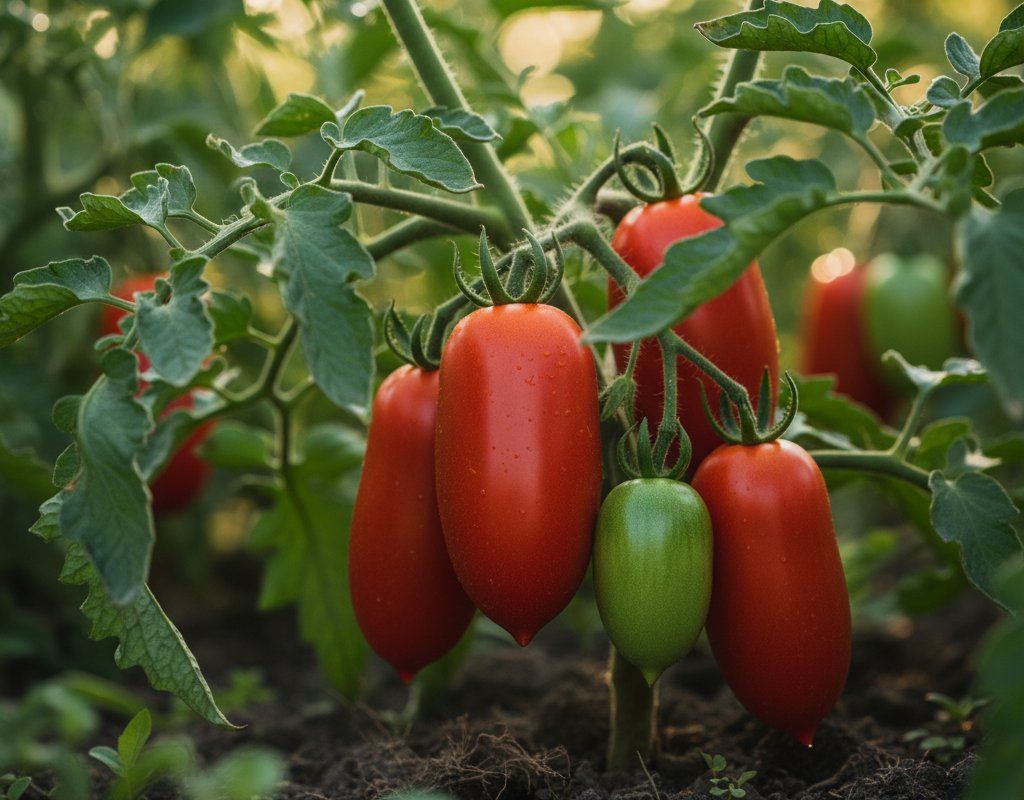
San Marzano Tomatoes in Zone 8B — Northern California
Solanum lycopersicum · Your Complete 2026 Planting Guide
Missed Seed Starting? No Problem!
Wait for starts to become available.
What to Do
Starts will be available at nurseries in 11 days (around March 15).
How to Plant San Marzano Tomatoes in Zone 8B — Northern California
Here are all your options for getting san marzano tomatoes in the ground, from the easiest method to more advanced approaches.
Start Seeds Indoors
RecommendedLate January through mid February
around February 1
Then transplant: Mid March through mid April
Start seeds 6-8 weeks before transplanting outdoors.
Buy Starts
Works WellMid March through mid April
around March 15
Plant purchased starts after last frost (March 1).
Direct Sow Seeds
ChallengingDirect sowing is not typical for San Marzano Tomatoes.
Transplant Outdoors
Timing InfoMid March through mid April
around March 15
Wait until nighttime temperatures stay above 50°F.
You have a nice window — no need to rush.
Overview
San Marzano tomatoes are pure gold for Northern California gardeners who appreciate authentic flavor and versatility in the kitchen. These legendary Italian paste tomatoes produce meaty, low-seed fruits with that perfect balance of sweetness and acidity that makes them ideal for sauces, canning, and fresh eating. Our Mediterranean climate with its warm, dry summers and mild winters creates nearly perfect conditions for these heat-loving indeterminates to thrive and produce abundant harvests.
While our region's drought conditions and fire season can seem challenging, the timing works beautifully in your favor. With a generous 269-day growing season, you have plenty of flexibility to start seeds indoors during our mild winter months and transplant after the last frost risk passes in early spring. The key is working with our climate patterns rather than against them.
Starting Seeds Indoors
Start your San Marzano seeds indoors from late January through mid-February, about 6 weeks before you plan to transplant outdoors. This timing takes advantage of Northern California's early spring character, giving your seedlings a strong head start while outdoor conditions are still too cool and unpredictable for tender tomato plants.
Set up seed trays with quality potting mix in a warm spot—aim for 70-80°F for optimal germination. A heat mat helps maintain consistent soil temperature during our cooler winter nights. Once seeds sprout, provide 14-16 hours of bright light daily using grow lights positioned 2-3 inches above the seedlings.
Bottom watering works particularly well for tomato seedlings in our low-humidity climate. Place seed trays in shallow pans of water and let the soil absorb moisture from below, which prevents damping-off disease and keeps the soil surface from drying out too quickly in our dry indoor air.
Transplanting Outdoors
Transplant your San Marzano seedlings outdoors from mid-March through mid-April, after the last frost risk has passed and soil temperatures consistently reach 60°F or higher. Our early spring can bring unexpected temperature swings, so watch the forecast and be prepared to protect young plants with row covers if a late cold snap threatens.
Start hardening off your seedlings about one week before transplanting by gradually exposing them to outdoor conditions. Begin with 2-3 hours of morning sun and light breeze, then increase exposure daily. This process is especially important in Northern California where the transition from protected indoor conditions to our bright sun and dry air can shock unprepared plants.
Space plants 24-36 inches apart to ensure good air circulation, which becomes crucial during our dry summer months when heat stress can weaken plants. The wider spacing also makes watering more efficient and reduces competition for the consistent moisture these high-need tomatoes require.
Watering San Marzano Tomatoes in Zone 8B (Northern California)
San Marzanos have high water needs and absolutely cannot tolerate drought stress, making consistent watering your most critical task in our dry-summer climate. These paste tomatoes are particularly prone to blossom end rot when watering becomes inconsistent, and our Mediterranean pattern of wet winters followed by bone-dry summers requires careful attention to irrigation.
During Northern California's growing season, provide 1.5-2 inches of water weekly through deep, infrequent watering sessions. Check soil moisture using the finger test—if it's dry 2 inches down, it's time to water. In our low-humidity environment, you can water at the base without worrying about fungal issues, which is actually preferable since it delivers moisture directly to the root zone without waste.
Start with moderate watering needs in spring, then increase frequency as temperatures climb into the 80s and 90s during peak summer. Our typical 88°F summer highs combined with low humidity means plants lose moisture quickly through transpiration. Signs of underwatering include wilting during the heat of the day and developing blossom end rot, while overwatering shows up as yellowing lower leaves and poor fruit development.
Apply a 3-4 inch layer of mulch around plants to maintain soil moisture and reduce watering frequency. In our fire-prone region, avoid highly flammable mulches like dry grass and opt for compost, shredded hardwood, or gravel mulch that won't create additional fire risk while still conserving precious water.
Supporting Your San Marzano Tomatoes
San Marzanos are vigorous indeterminate tomatoes that easily reach 6-8 feet tall with heavy clusters of elongated fruits, requiring strong support from day one. Install sturdy 6-foot stakes or large tomato cages at planting time rather than waiting, since trying to add support later risks damaging the extensive root system these plants develop.
Heavy-duty stakes work well in our region's summer winds, but make sure to drive them at least 18 inches deep for stability. Use soft ties like cloth strips or tomato clips to attach the main stem every 12-18 inches as the plant grows, allowing some movement while preventing breakage during our occasional summer gusts.
For cage systems, choose cages at least 5 feet tall with wide openings that allow easy access for harvesting. The heavy fruit clusters of San Marzanos can bend and break branches, so provide additional support by tying branches to the cage or stake as fruits develop and gain weight.
Pruning & Maintaining San Marzano Tomatoes
Focus your pruning on removing suckers—the shoots that emerge between the main stem and leaf branches—especially on the lower portion of the plant. This moderate pruning approach improves air circulation (important in our low-humidity climate) while maintaining enough foliage to protect fruits from sunscald during intense summer heat.
Remove lower leaves that touch the soil to prevent soil-borne diseases, and continue removing suckers throughout the growing season. In Northern California's long growing season, you can be more conservative with pruning than in shorter-season areas, allowing more fruiting branches to develop since you have time for multiple harvests.
As your first frost approaches in late November, consider topping the plant (removing the growing tip) in mid-October to encourage the plant to put energy into ripening existing fruits rather than producing new flowers that won't have time to mature.
🧪Fertilizing San Marzano Tomatoes
Feeding Schedule
Organic Fertilizer Options
Harvest Time
Expect your first San Marzano harvest from early June through late July, about 80 days from transplanting. In Northern California's favorable climate, you'll typically see first fruits by mid-June if you transplanted in mid-March, with peak production continuing through September and often into October.
Ripe San Marzanos develop a deep red color and feel firm but give slightly to pressure. The distinctive elongated fruits should easily detach from the stem when fully ripe—if you have to pull hard, wait another few days. These paste tomatoes continue producing until frost, giving you multiple harvests throughout our extended growing season.
Harvest regularly to encourage continued production, picking fruits every 3-4 days during peak season. San Marzanos will ripen off the vine, so if your first frost arrives in late November and you have green fruits remaining, harvest them and ripen indoors on a sunny windowsill or in a paper bag with a ripe banana.
The long Northern California growing season means you can often harvest San Marzanos for 4-5 months straight. Keep plants well-watered and fed through the season to maintain production, and you'll be rewarded with pounds of these prized paste tomatoes perfect for sauce-making and preserving.
Common Problems in Zone 8B (Northern California)
Blossom End Rot Blossom end rot appears as sunken, dark brown or black leathery patches on the bottom of developing fruits, often affecting the first fruits of the season. In Northern California's dry climate, this problem typically stems from inconsistent watering rather than actual calcium deficiency—the calcium is in the soil, but drought-flood cycles prevent proper uptake. Maintain consistent soil moisture through regular deep watering and heavy mulching. Avoid over-fertilizing with nitrogen, which can interfere with calcium absorption.
Early Blight Early blight shows up as brown spots with distinctive concentric rings (bullseye pattern) on lower leaves first, gradually spreading upward as leaves yellow and drop. This fungal disease thrives in our warm temperatures and spreads via soil splash onto lower leaves during watering. Remove affected leaves immediately and destroy them (don't compost). Mulch around plants to prevent soil splash, water at the base rather than overhead, and ensure good air circulation through proper spacing and pruning.
Fusarium Wilt Fusarium wilt typically starts with wilting on one side of the plant, spreading to affect the entire plant. Leaves yellow starting on one side, and cutting open the stem reveals brown streaks. This soil-borne fungus persists for years and enters through roots, with warm soil temperatures promoting its development. No cure exists once plants are infected—remove and destroy affected plants immediately. Choose resistant varieties marked with 'F' on seed labels, rotate crops on a 4-year cycle, and maintain soil pH above 6.5.
Northern California Specific Challenges Our moderate-to-hot summers with low humidity create ideal conditions for San Marzanos, but drought stress remains the biggest threat. Water restrictions during dry years can make maintaining consistent moisture challenging, making mulching and efficient watering systems essential. The combination of warm temperatures and low humidity also means plants can suffer heat stress during heat waves, requiring afternoon shade or shade cloth during extreme weather events.
Best Companions for San Marzano Tomatoes
Plant these nearby for healthier San Marzano Tomatoes and better harvests.
View Full Companion Planting Chart →



Companion Planting Details
Plant basil alongside your San Marzanos—it naturally repels aphids and whiteflies while improving the flavor of nearby tomatoes. Carrots make excellent companions since their deep taproots don't compete with tomato roots for nutrients, and parsley attracts beneficial insects that prey on tomato pests. Marigolds planted around the border help deter nematodes and add color while requiring minimal water once established, perfect for our dry summer conditions.
Avoid planting brassicas like cabbage or broccoli near San Marzanos, as they can inhibit tomato growth and attract pests that may move to your tomato plants. Keep fennel away from all your vegetables—it releases compounds that stunt the growth of most plants. Corn should also be avoided as it attracts corn earworms, which become tomato fruitworms when they move to your tomato plants, creating unnecessary pest pressure in your Northern California garden.
🌸Best Flowers to Plant with San Marzano Tomatoes
These flowers protect your San Marzano Tomatoes from pests and attract pollinators for better harvests.
For Pest Control

Get a Reminder When It's Time to Plant
We'll email you when key planting windows open for your zone.