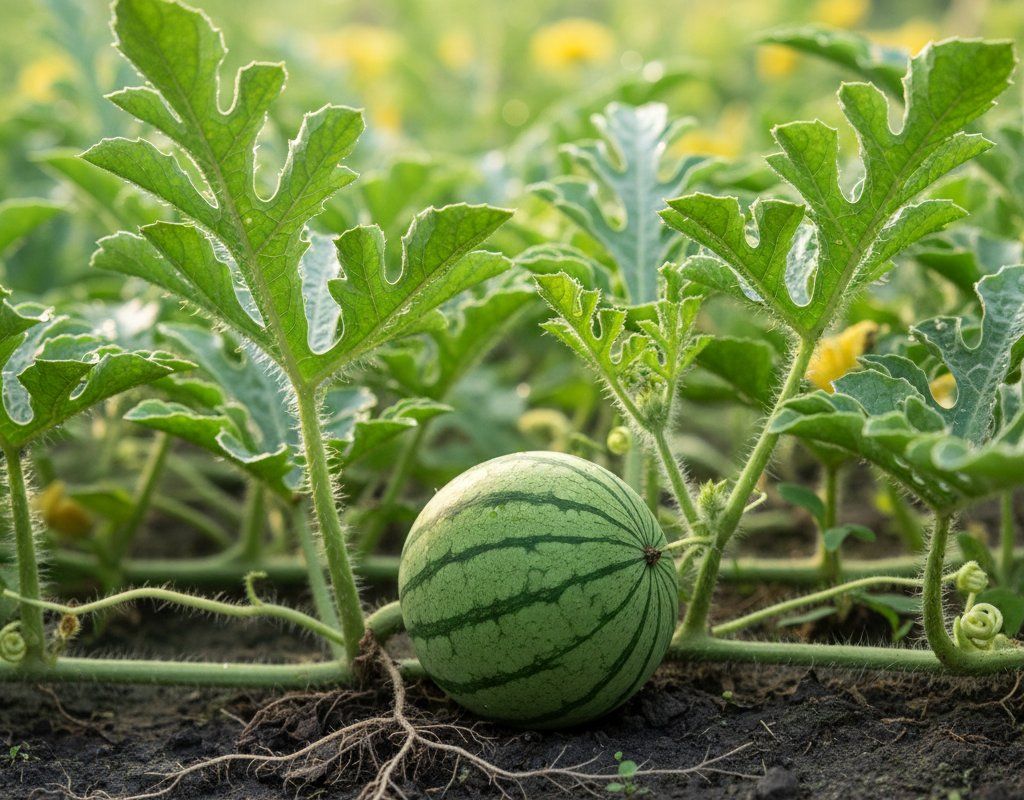
Watermelon in Zone 3A — Mountain West
Citrullus lanatus · Your Complete 2026 Planting Guide
Planning Ahead — Great!
You’re ahead of the season. Here’s when to start.
Mark Your Calendar
How to Plant Watermelon in Zone 3A — Mountain West
Here are all your options for getting watermelon in the ground, from the easiest method to more advanced approaches.
Direct Sow Seeds
RecommendedDirect sowing is not typical for Watermelon.
Needs warm soil. Direct sow works in zones 6+. Start indoors in colder zones.
Buy Starts
Works WellMid to late June
around June 15
Plant purchased starts after last frost (June 1).
Start Seeds Indoors
Works WellMid May through early June
around May 25
Then transplant: Mid to late June
Start seeds 3-5 weeks before transplanting outdoors.
Handle seedlings carefully — melons resent root disturbance.
Transplant Outdoors
Timing InfoMid to late June
around June 15
Wait until nighttime temperatures stay above 50°F.
Timing is critical in your zone — don’t delay!
Overview
Growing watermelons at high altitude might seem impossible, but these sweet giants can thrive in our Mountain West gardens with the right approach. Our intense sunlight and cool nights actually create ideal conditions for developing that perfect sugar content, while our naturally low humidity means fewer fungal diseases to worry about. The satisfaction of slicing into a home-grown watermelon that ripened under our brilliant mountain sun beats any store-bought melon hands down.
Yes, our 96-day growing season is tight for an 85-day crop, and our late spring start means every warm day counts. But watermelons are surprisingly adaptable to our conditions once you understand their needs. The key is working with our climate's rhythm rather than fighting it – starting at the right time and giving them the heat and water they crave during our brief but intense growing season.
Starting Seeds Indoors
Starting watermelon seeds indoors makes sense when you want to maximize every day of our short season, though direct sowing is usually more successful for these root-sensitive plants. If you choose to start indoors, begin seeds from mid-May through early June, about three weeks before you plan to transplant. Our late spring means soil won't be warm enough for direct sowing until after our last frost anyway.
Set up seed trays in your warmest spot – watermelons need soil temperatures around 70-75°F to germinate well. Bottom watering works best since it keeps the soil consistently moist without disturbing the seeds. Once they sprout, give them as much light as possible to prevent stretching in our intense but short daylight periods.
Handle the seedlings like precious cargo when transplanting. Watermelons absolutely hate root disturbance, so use biodegradable pots or soil blocks that can go directly into the ground. Even a slightly damaged root system can set them back weeks – time we can't afford to lose in our compressed growing season.
Transplanting Outdoors
Wait until mid to late June before transplanting watermelon seedlings outdoors, when soil temperatures stay consistently above 65°F even on our cool mountain nights. This timing usually coincides with when our soil has finally warmed from the late spring snowmelt and absorbed enough heat during the day to sustain warm-season crops.
Spend a full week hardening off your seedlings before transplanting. Our intense UV and temperature swings can shock plants that haven't gradually adjusted to outdoor conditions. Start with just an hour of morning sun, then gradually increase exposure while protecting them during the hottest part of the day.
Space plants 6-8 feet apart to give their sprawling vines room to spread – they'll need every inch in our dry air where plants tend to grow more compactly. Plant in your warmest, most protected spot with maximum sun exposure. Consider using black plastic mulch or row covers to help retain soil heat during those unexpectedly cool nights that can still occur even in late June.
Watering Watermelon in Zone 3A (Mountain West)
Watermelons are water hogs, needing about 1-2 inches per week throughout their growing season, which is challenging in our dry climate with only 10-20 inches of annual rainfall. Unlike gardeners in humid regions, you'll need to water consistently and deeply from planting through fruit development. Our low humidity means plants lose moisture faster through their leaves, so regular watering isn't optional – it's survival.
Water deeply at soil level rather than overhead to minimize evaporation in our dry air and intense sun. The finger test works well here: stick your finger 2 inches into the soil, and if it's dry, it's time to water. During fruit development, maintain consistent moisture to prevent blossom end rot and cracking, both common problems when our plants struggle with water stress.
Watch for wilting during the heat of the day – even well-watered plants may droop slightly in our intense afternoon sun, but they should perk up by evening. Yellowing leaves starting from the bottom often signal underwatering, while constantly soggy soil can lead to root rot. About two weeks before harvest, reduce watering to concentrate sugars in the fruit.
Apply a thick organic mulch around plants to retain moisture and keep soil temperatures stable. In our climate, this mulch layer is essential for maintaining the consistent moisture watermelons need while protecting roots from temperature swings during cool nights.
🧪Fertilizing Watermelon
Feeding Schedule
Organic Fertilizer Options
Harvest Time
Your first watermelons should be ready by early September, right as our growing season winds down. This tight timing means paying attention to ripeness indicators becomes crucial – you can't afford to wait for a second guess. Look for the ground spot to turn from white to creamy yellow, and check that the tendril nearest the fruit has turned brown and dried up completely.
The classic thump test works well once you develop an ear for it – a ripe watermelon sounds hollow rather than solid when tapped. The skin should look dull rather than shiny, and you shouldn't be able to easily scratch the surface with your fingernail. In our intense sun, the stripes often become more pronounced as the fruit ripens.
Harvest in the morning when temperatures are cooler and the fruit is less stressed. Cut the stem with pruning shears rather than pulling – this prevents damage to the vine and neighboring fruit. Handle carefully since even small bruises can quickly lead to rot in storage.
Since first frost typically arrives by early September, monitor weather forecasts closely as harvest time approaches. Unlike tomatoes, watermelons won't continue ripening once picked, so harvest only fully mature fruit. Any melons that haven't reached maturity by late August probably won't make it in our short season.
Common Problems in Zone 3A (Mountain West)
Fusarium Wilt This soil-borne disease shows up as wilting on one side of the plant first, then spreads to the entire plant. You'll see yellow leaves starting on one side, and if you cut open the stem, there are brown streaks inside. Our alkaline soil conditions can sometimes favor this fungus, especially in areas with poor drainage.
The fungus persists in soil for years and enters through the roots, particularly when soil temperatures warm up. Prevention is your only option – once a plant is infected, remove and destroy it immediately. Look for varieties marked with 'F' for fusarium resistance, rotate watermelons to different garden areas on a 4-year cycle, and maintain soil pH above 6.5 (usually not a problem in our naturally alkaline Mountain soils).
Poor Pollination You'll notice small, misshapen fruit that develops unevenly, or flowers that bloom but drop off without setting fruit. This is especially common in our area because cool night temperatures can reduce pollinator activity, and our intense midday heat can make flowers less receptive to pollen.
Hand-pollinate with a small brush early in the morning when temperatures are cooler and flowers are most receptive. Plant pollinator-friendly flowers nearby to attract bees, and provide a shallow water source since our dry climate stresses pollinators too. Avoid any pesticides during flowering period, even organic ones.
Anthracnose Look for sunken, dark circular spots on fruit, stems, and leaves. In our typically dry conditions, you might not see the pink or orange spore masses that appear in humid climates, but the dark, sunken lesions are unmistakable. This fungal disease spreads through water splash, so it's more likely during our occasional heavy thunderstorms.
Prevent by avoiding overhead watering and removing any infected plant debris immediately. Our low humidity actually works in your favor here – this disease thrives in wet conditions, so proper spacing for air circulation and drip irrigation help significantly. Apply copper fungicide preventatively if you've had problems before.
Mountain West Specific Challenges: Our intense UV can actually stress watermelon plants despite their love of sun, causing leaf burn on hot afternoons. Cool nights slow growth compared to warmer regions, and sudden hailstorms can devastate broad watermelon leaves in minutes. The combination of hot days and cold nights also makes consistent watering even more critical than in other climates.
Best Companions for Watermelon
Plant these nearby for healthier Watermelon and better harvests.

Keep Away From
Companion Planting Details
Corn makes an excellent companion for watermelons in our Mountain gardens, providing afternoon shade during the most intense heat while the watermelon vines sprawl beneath. This partnership works especially well here since both crops need similar watering schedules and soil warmth. Plant radishes around the edges as a trap crop for cucumber beetles and to help break up soil compaction from our clay-heavy mountain soils.
Sunflowers planted on the north side can provide wind protection without blocking precious sun, while their deep roots bring up nutrients and don't compete with watermelon's shallow feeder roots. Avoid planting near potatoes – they attract similar pests and can harbor diseases that affect watermelons. Our short growing season means every square foot needs to work hard, so choose companions that truly benefit your watermelons rather than compete for space and resources.
🌸Best Flowers to Plant with Watermelon
These flowers protect your Watermelon from pests and attract pollinators for better harvests.


Get a Reminder When It's Time to Plant
We'll email you when key planting windows open for your zone.