Gardening in Zone 3A — Mountain West
Gardening in Zone 3A is a testament to resilience and strategic planning. With an incredibly short growing season of around 123 days and winter temperatures plummeting to -40°F, you'll need to be both creative and determined. Your success depends on selecting cold-hardy varieties, using season extension techniques like cold frames and greenhouses, and starting many crops indoors well before the last frost.
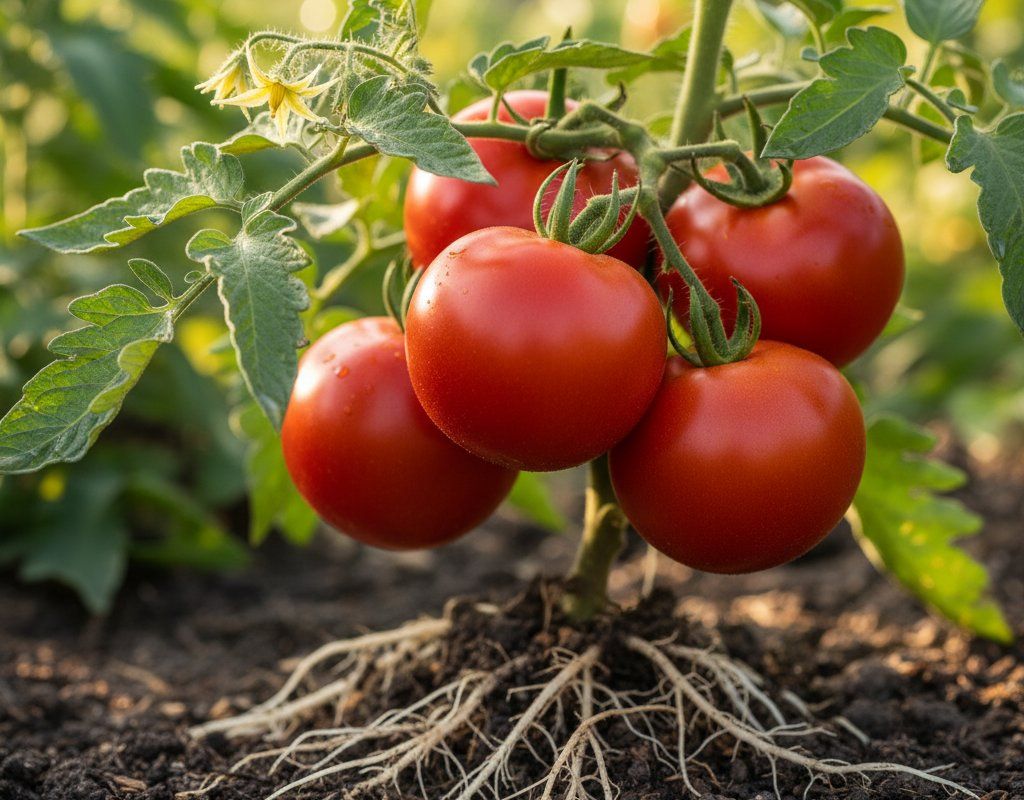
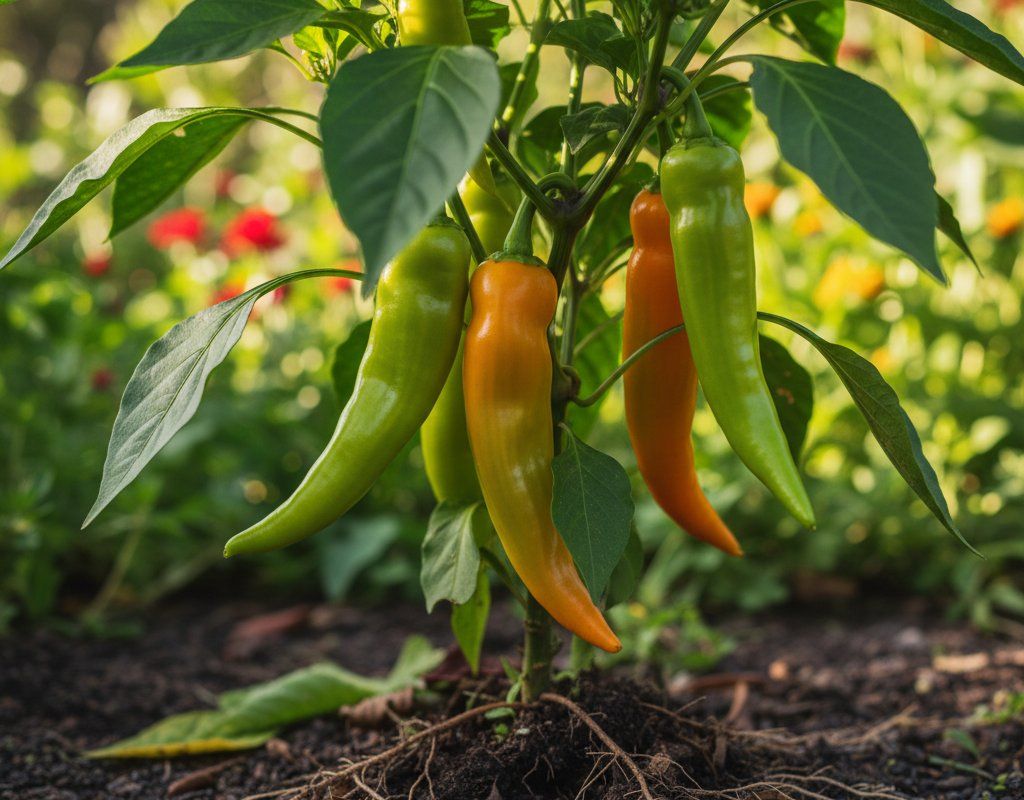
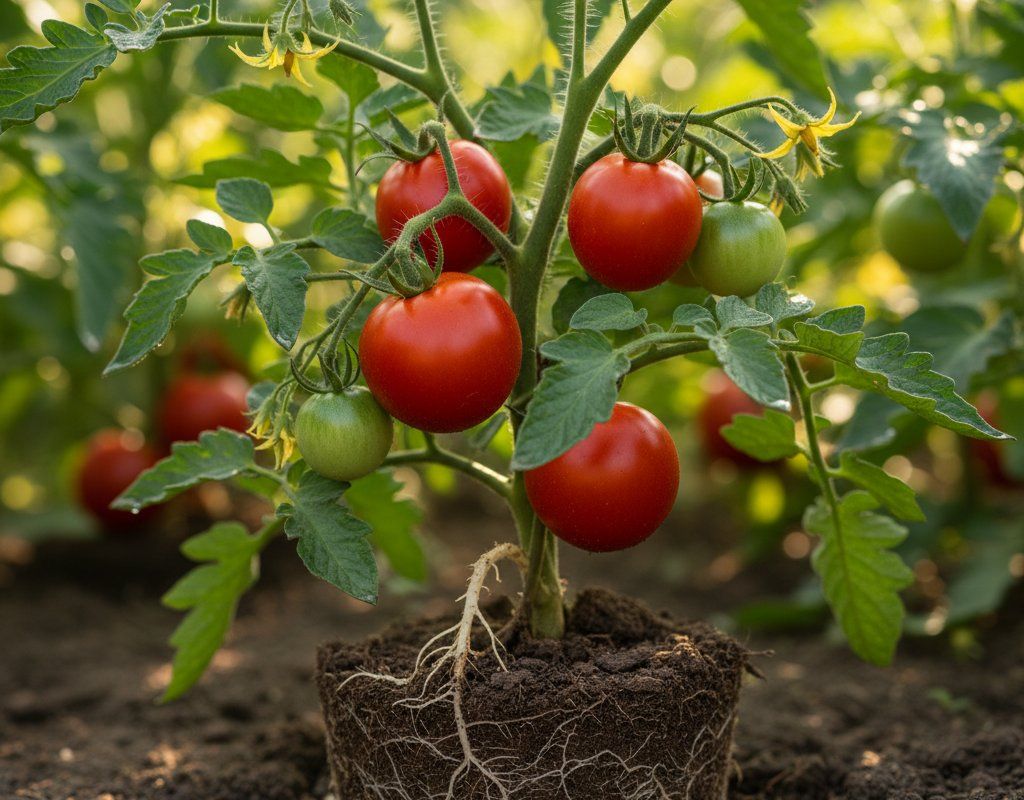
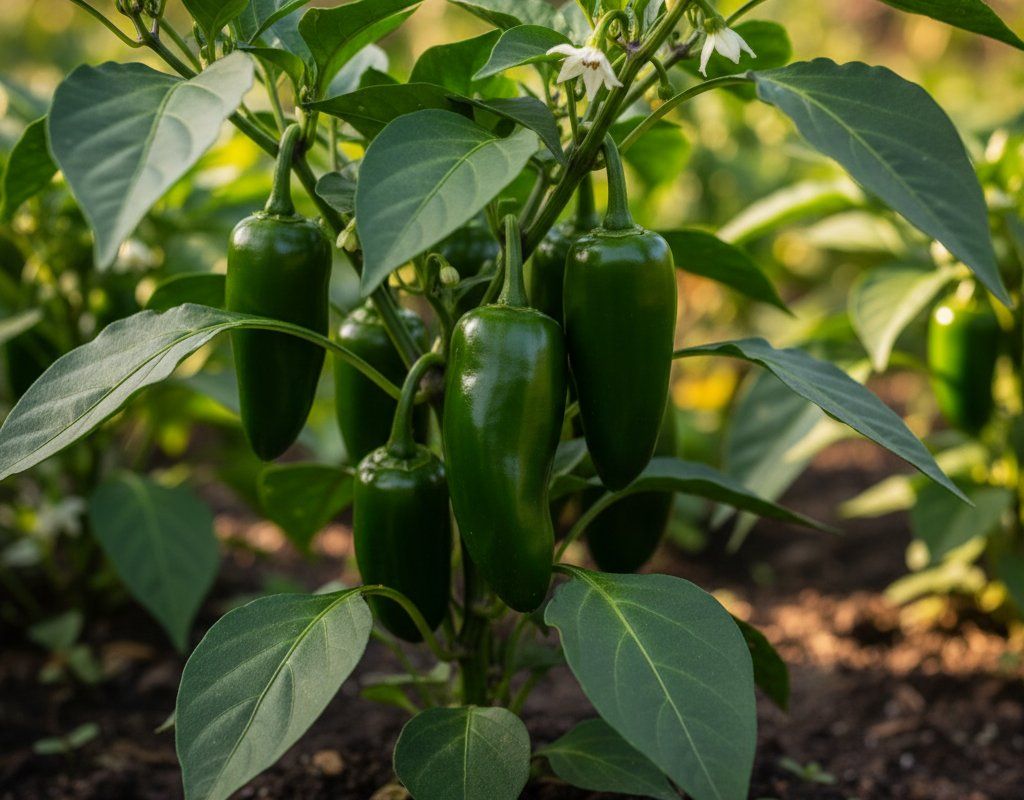
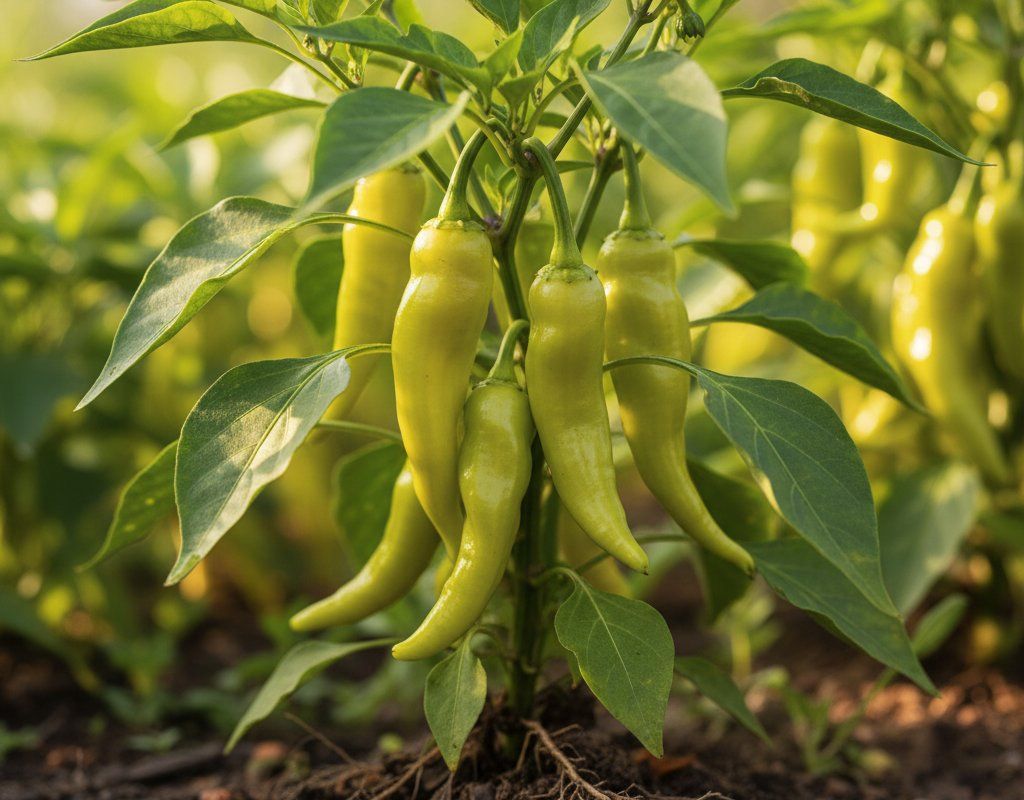
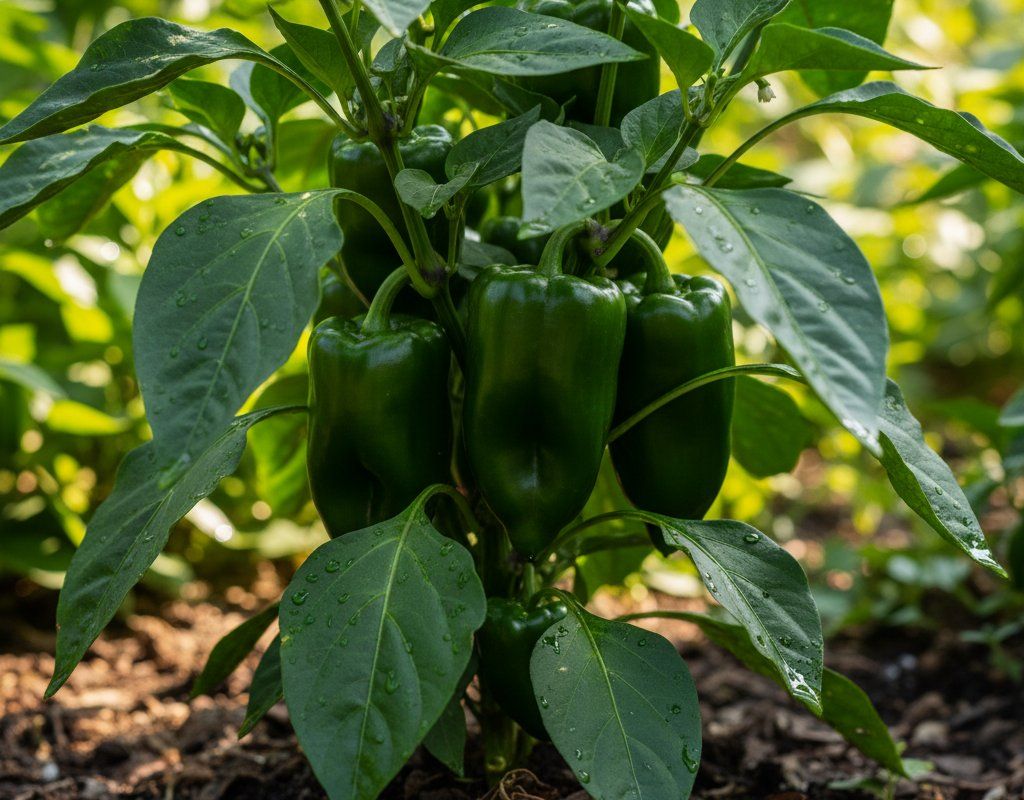
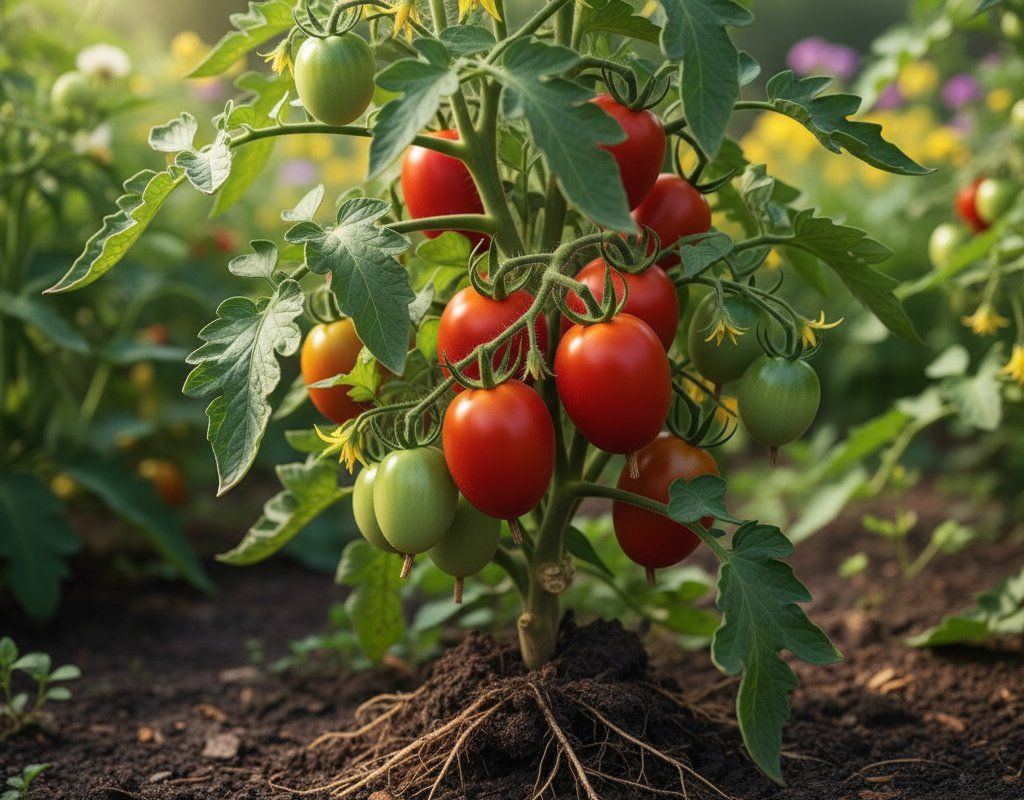
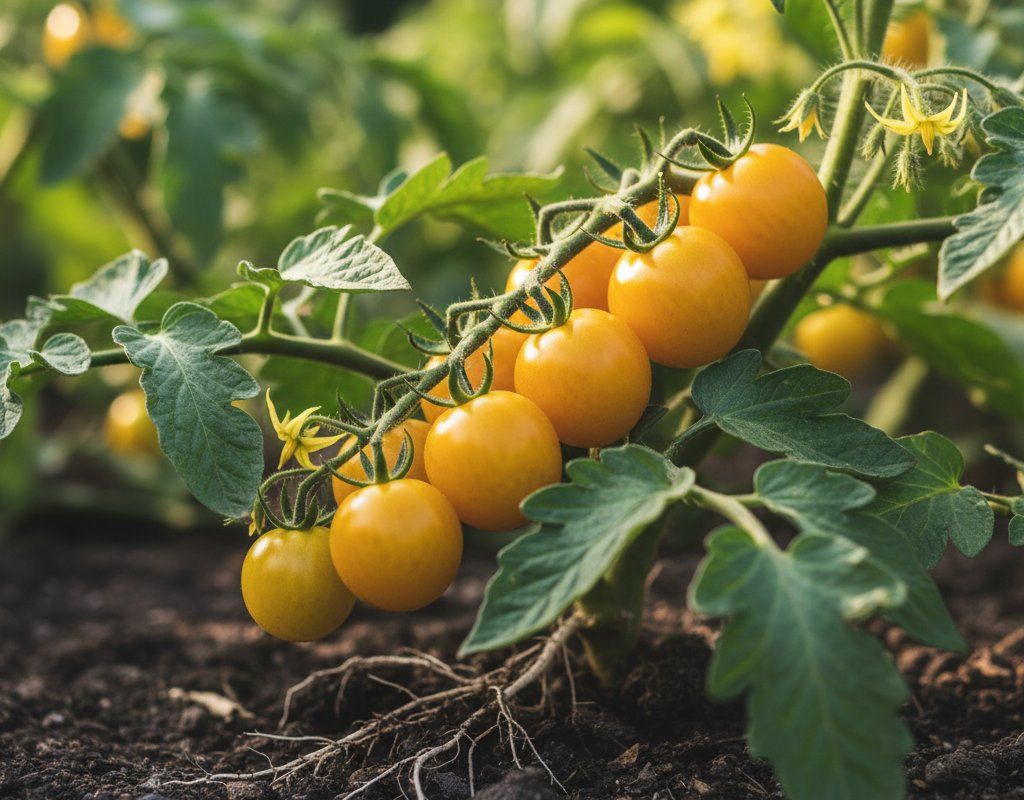
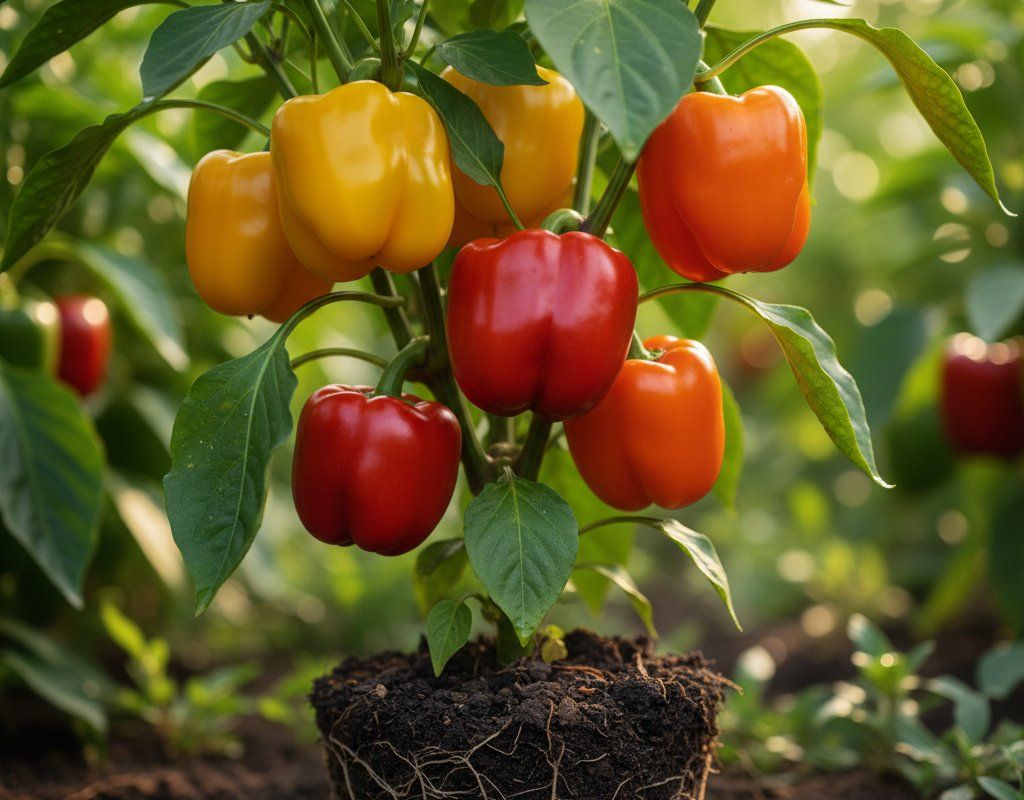
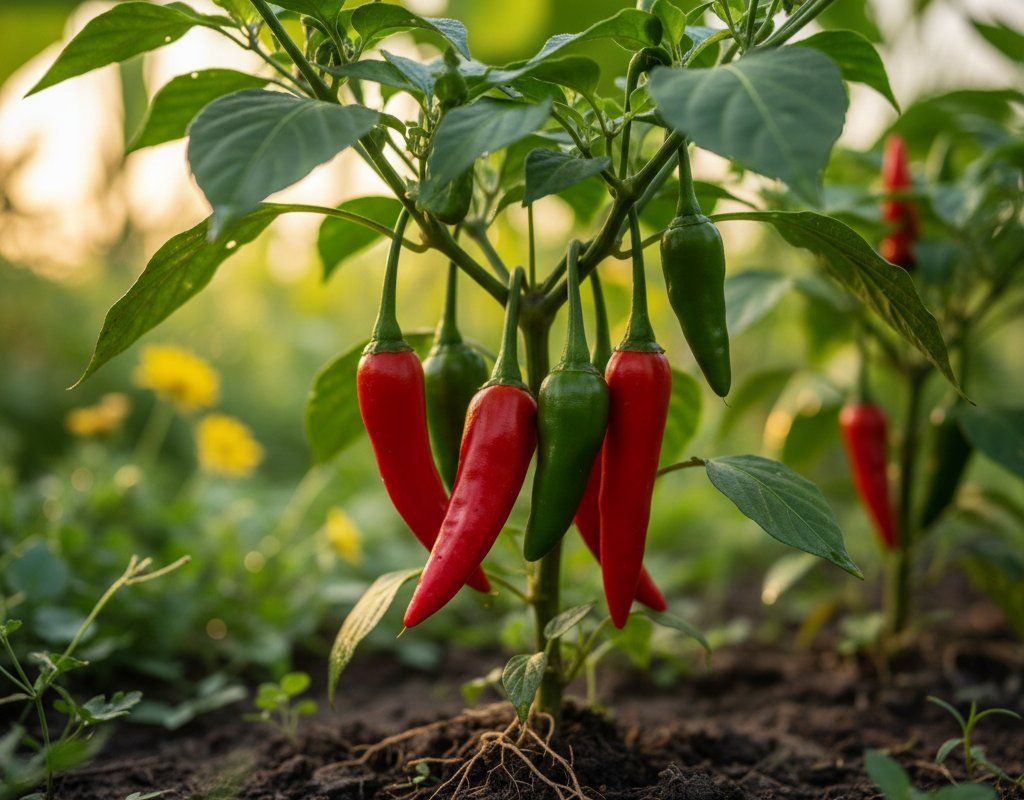
Tomatoes, peppers, and short-season vegetables become your best friends here. Early-maturing varieties like Early Girl tomatoes and quick-producing bush beans will be your go-to crops. While the zone presents challenges, it also offers incredible advantages: intense summer sunlight, rich soils, and the satisfaction of coaxing incredible yields from a brief but powerful growing window.
✓ Regional Advantages
- • Intense sunlight
- • Low disease pressure
- • Cool nights improve flavor
⚠ Regional Challenges
- • High altitude
- • Intense UV
- • Low humidity
- • Short season
- • Cold nights
- • Alkaline soil
- • Hail
Mountain West Climate Profile
High altitude with intense sun, cool nights, and low humidity
Best Plants for Zone 3A
97 plants thrive in Zone 3A's 96-day growing season. Click any plant for zone-specific planting dates.
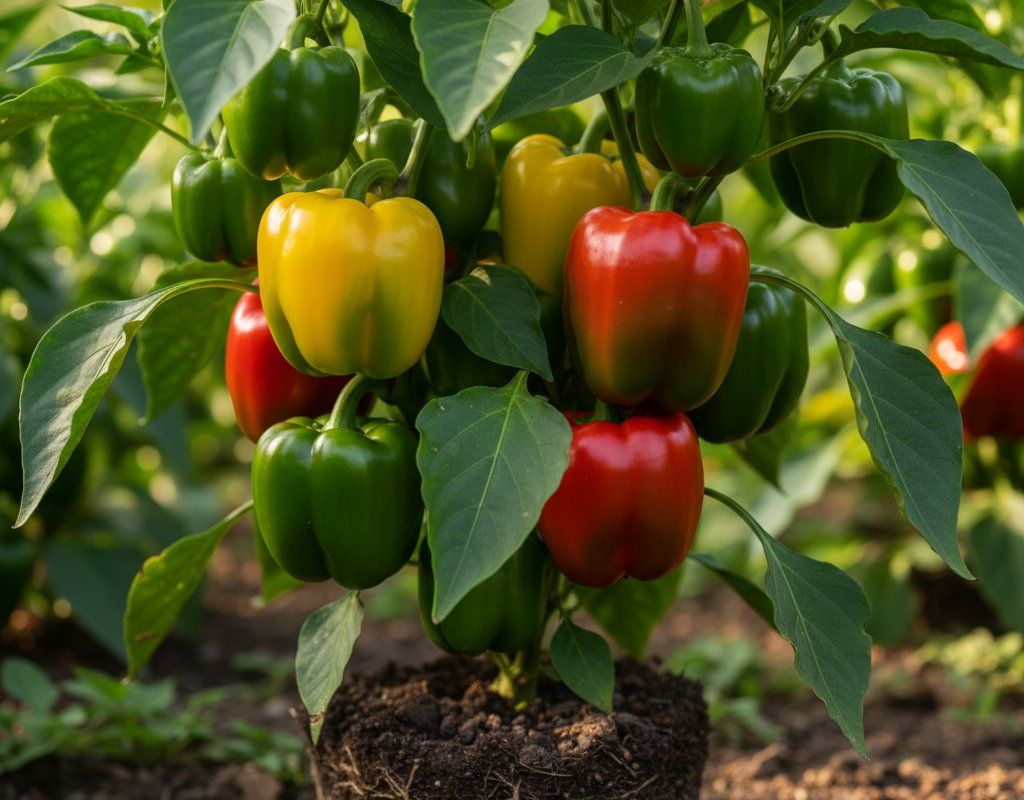
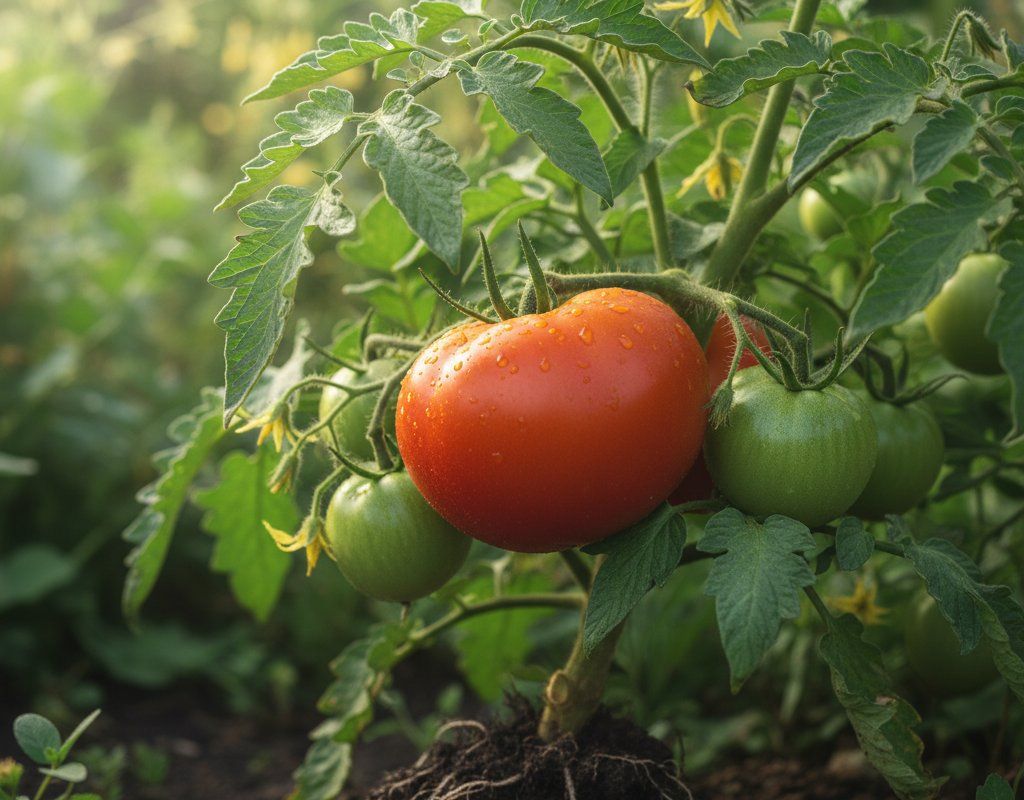
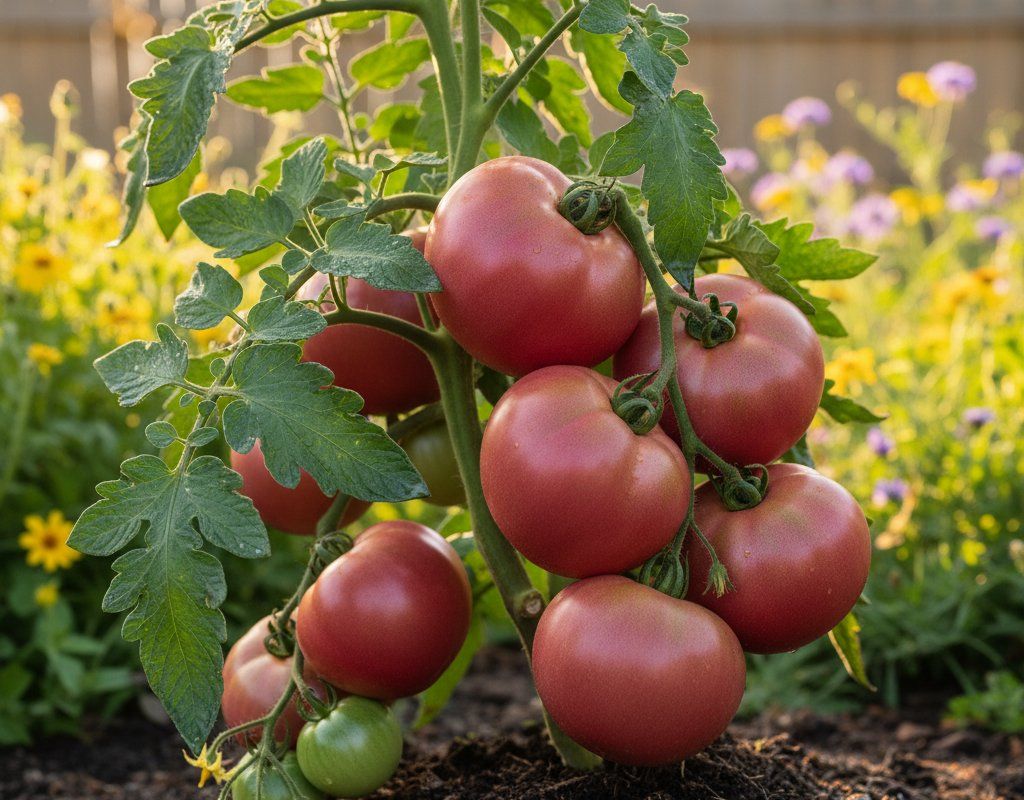
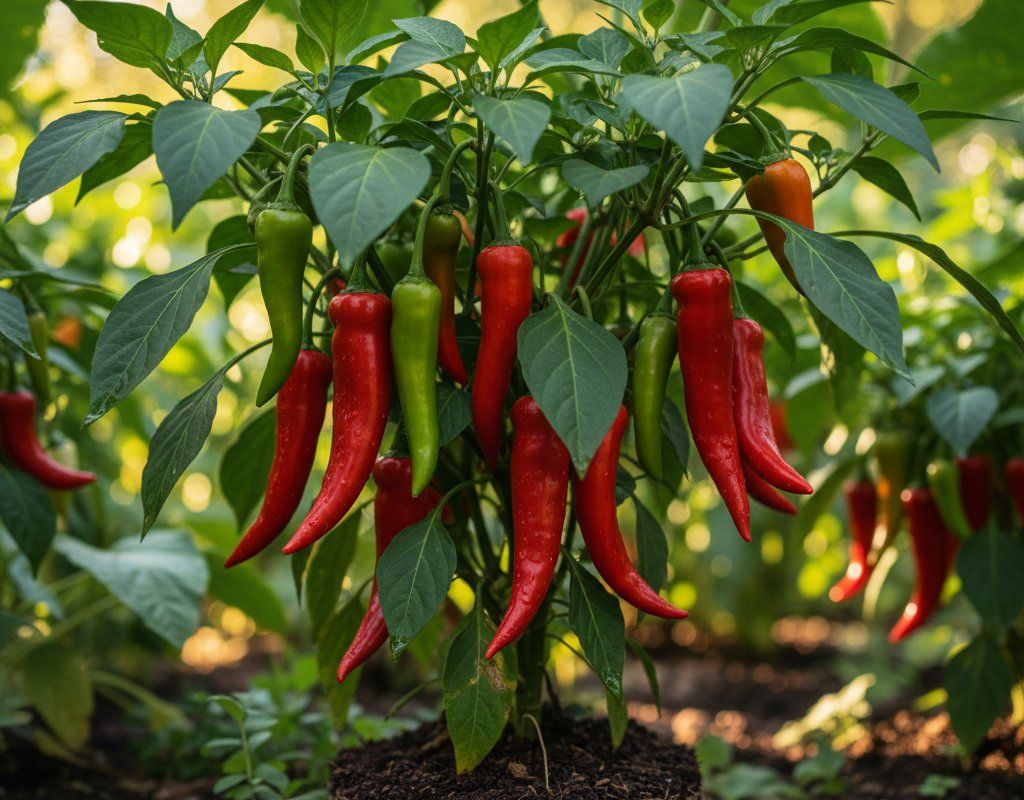
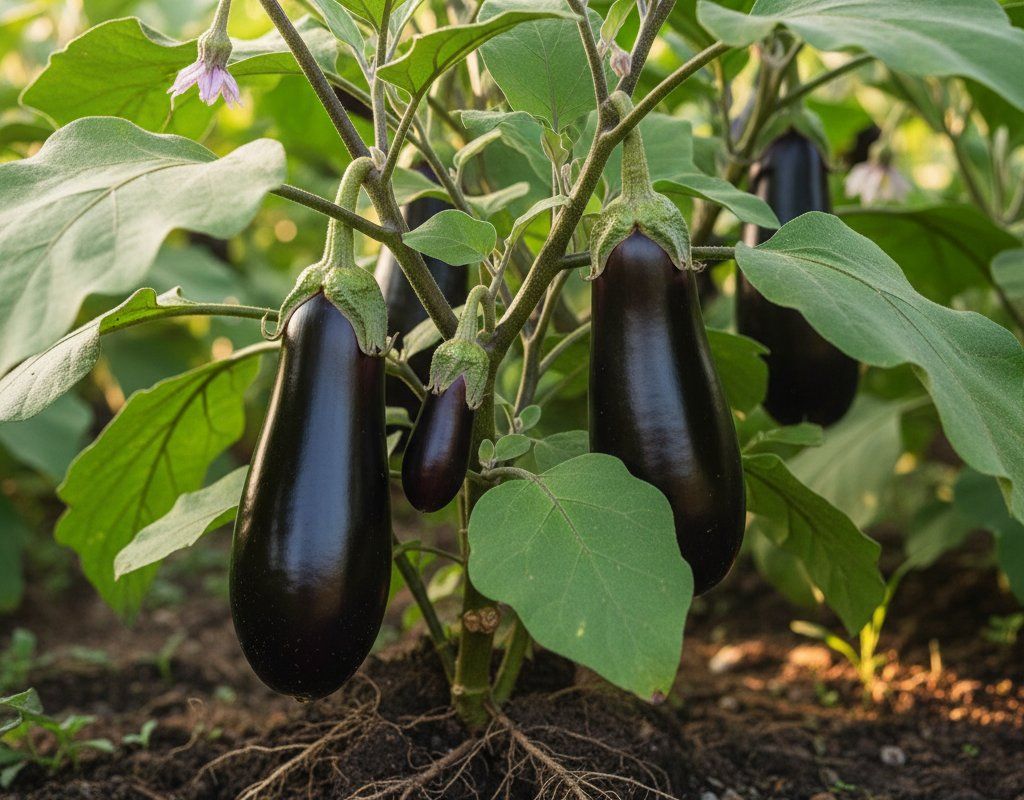
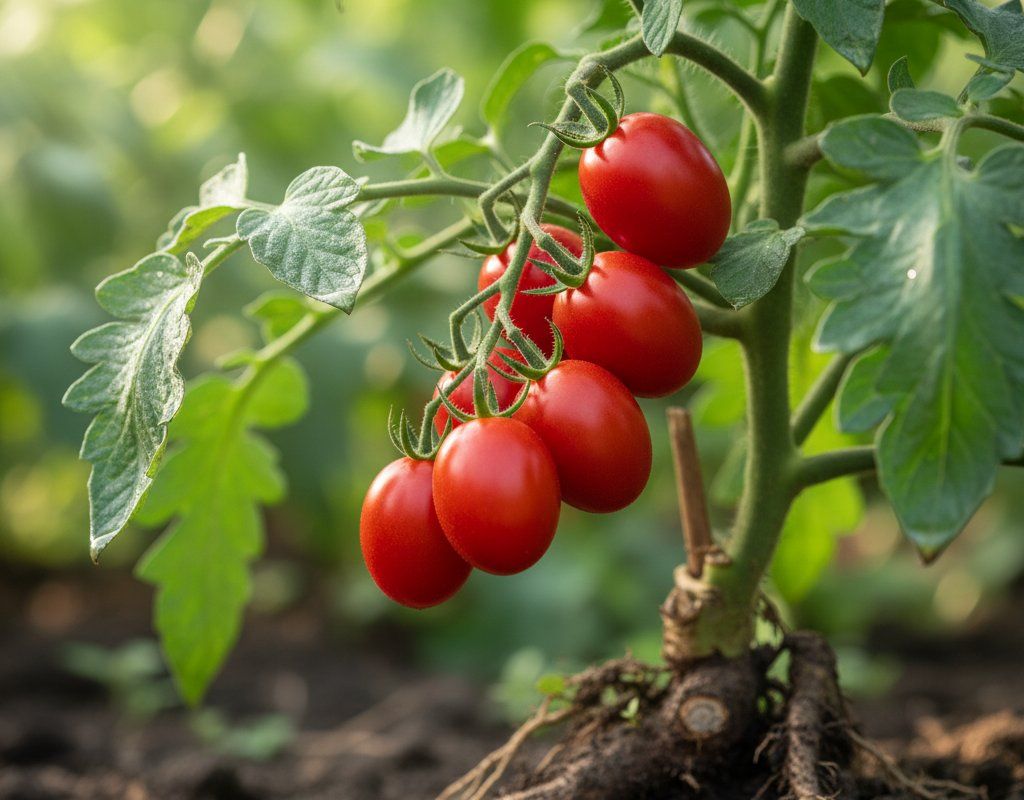
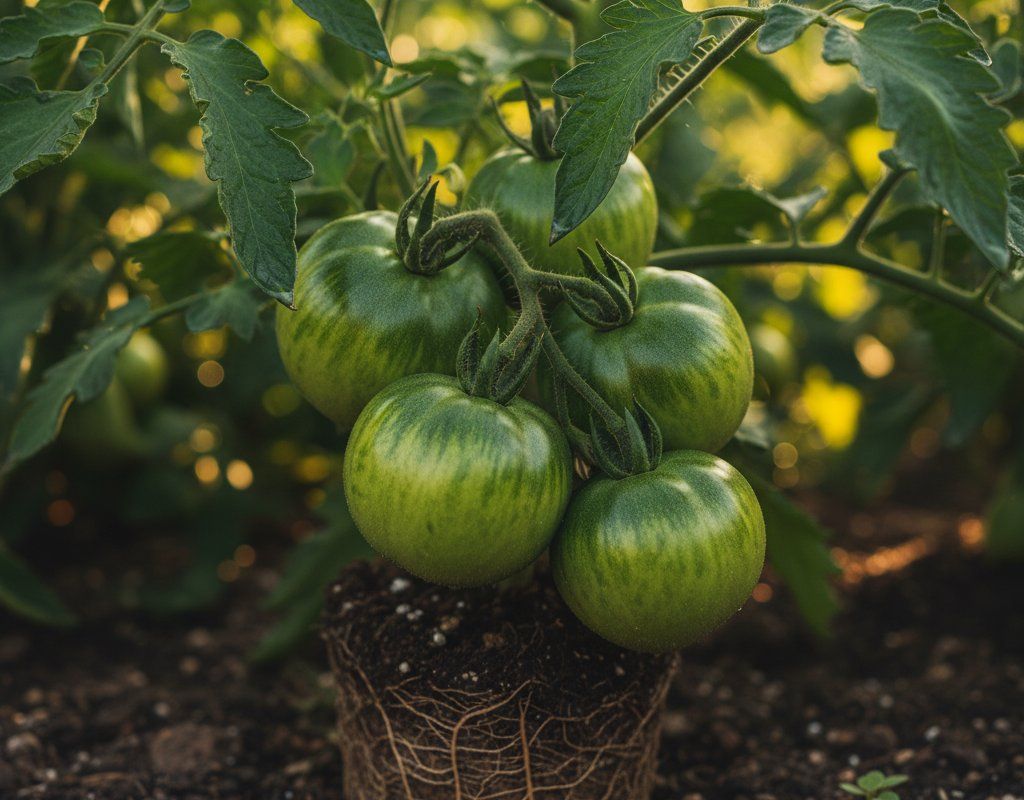
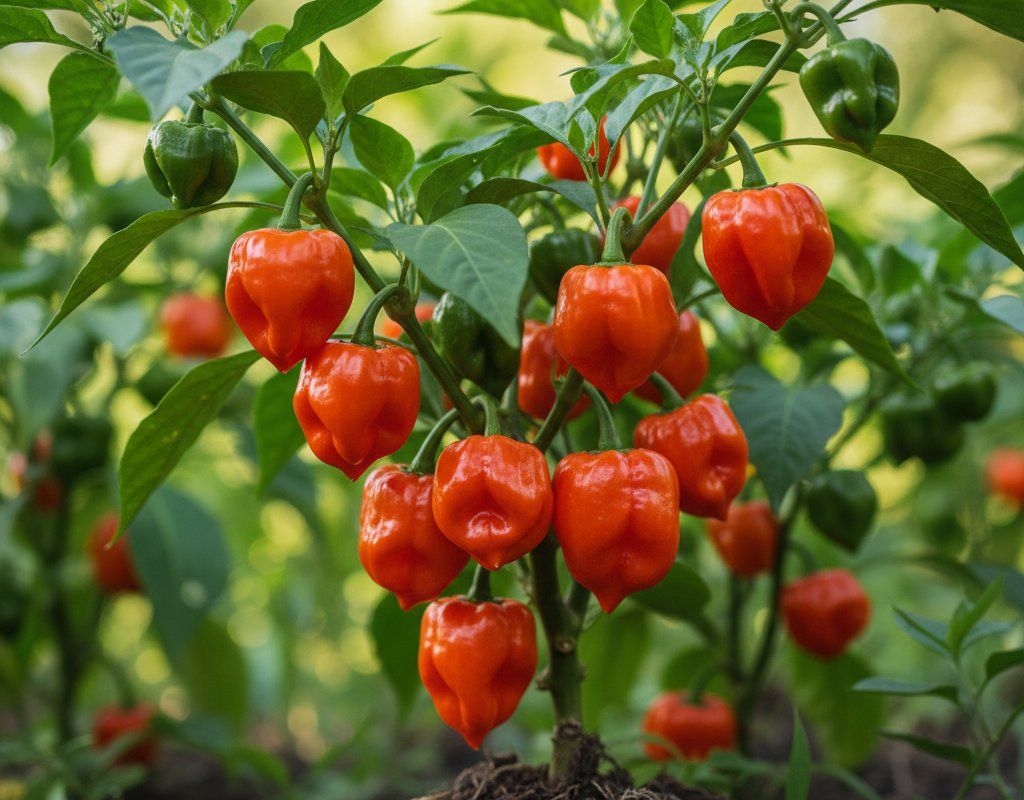
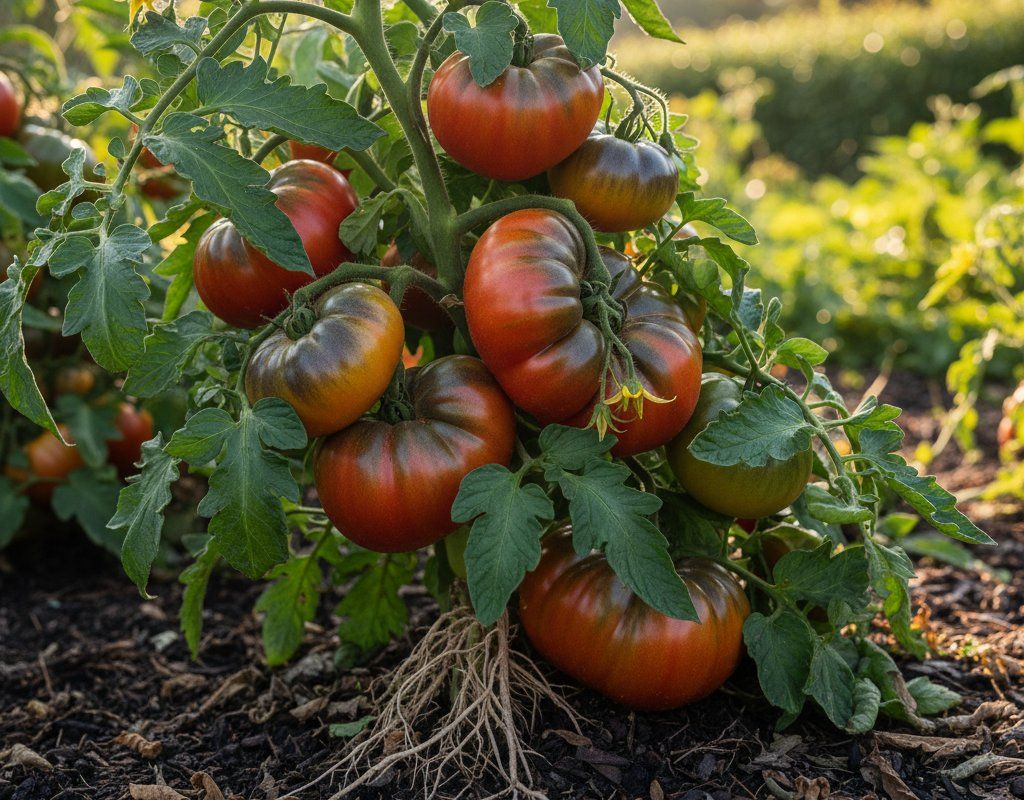
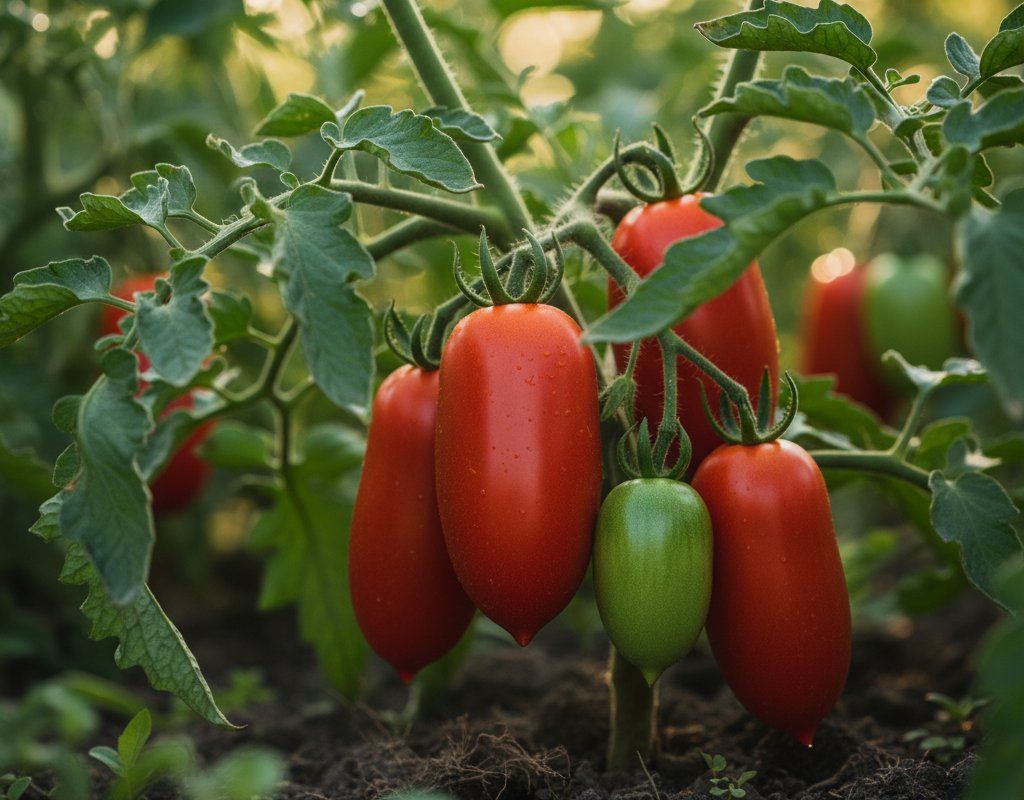
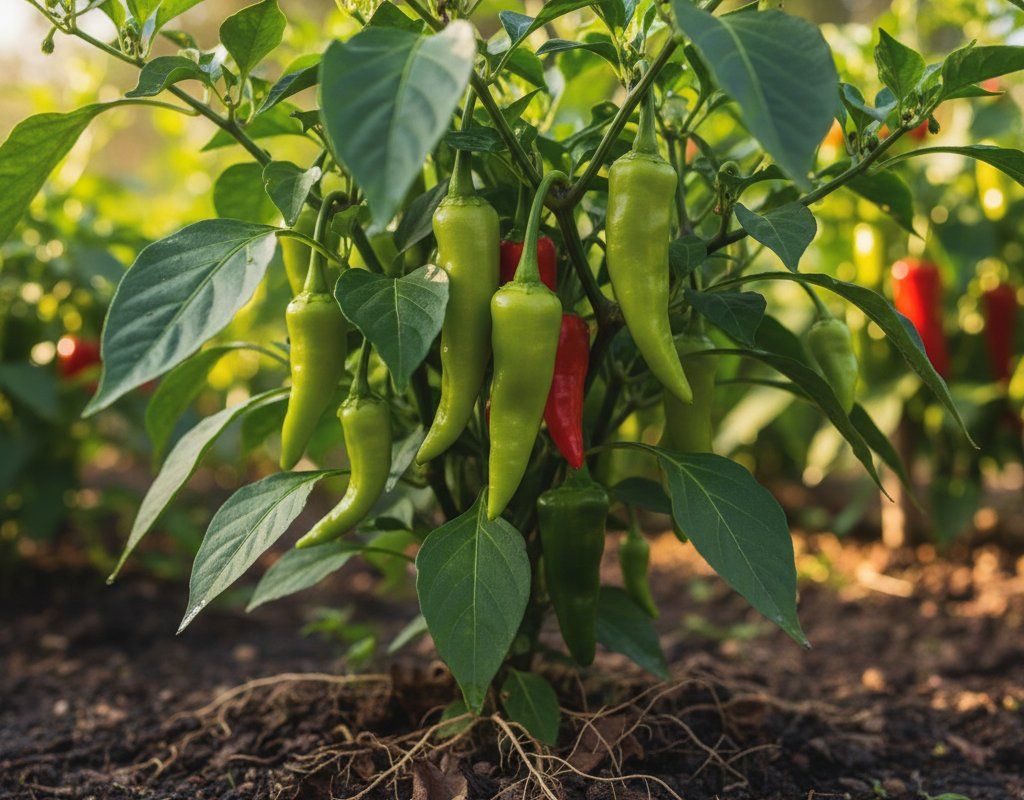
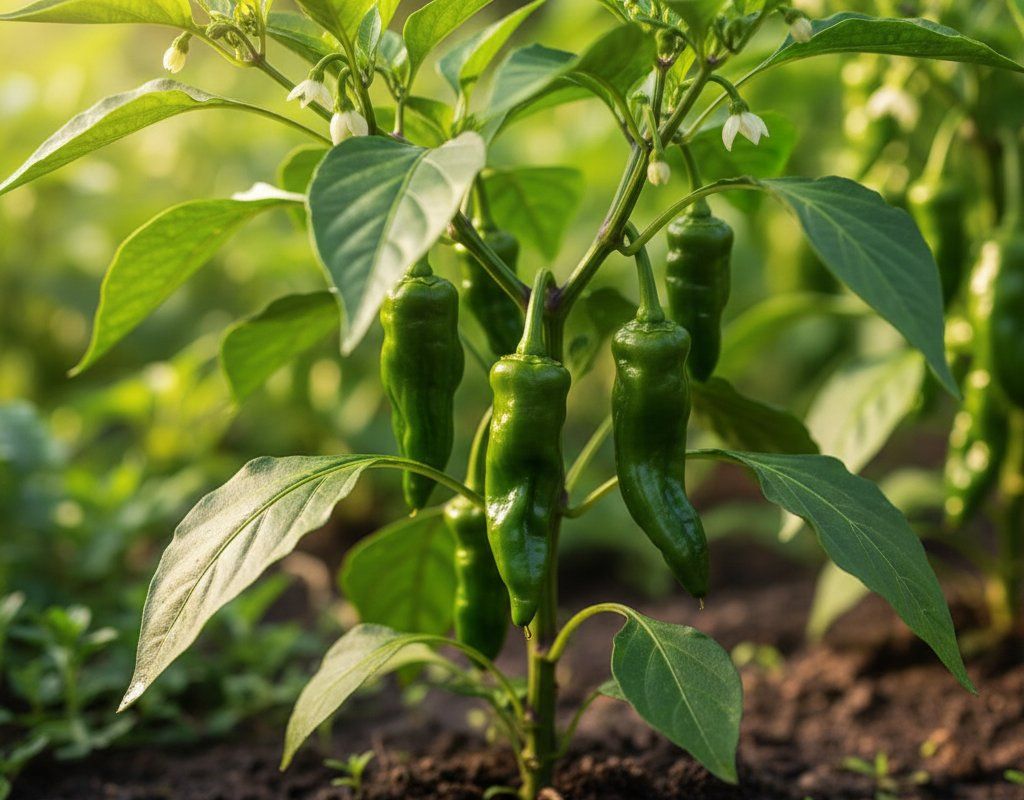
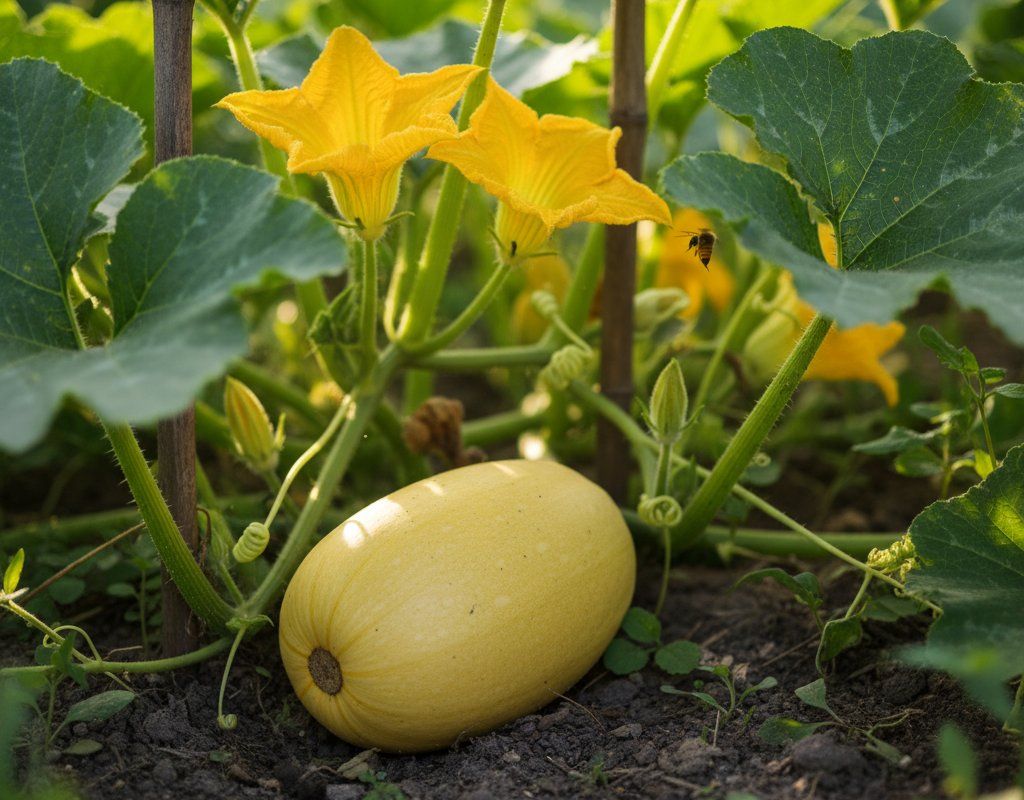
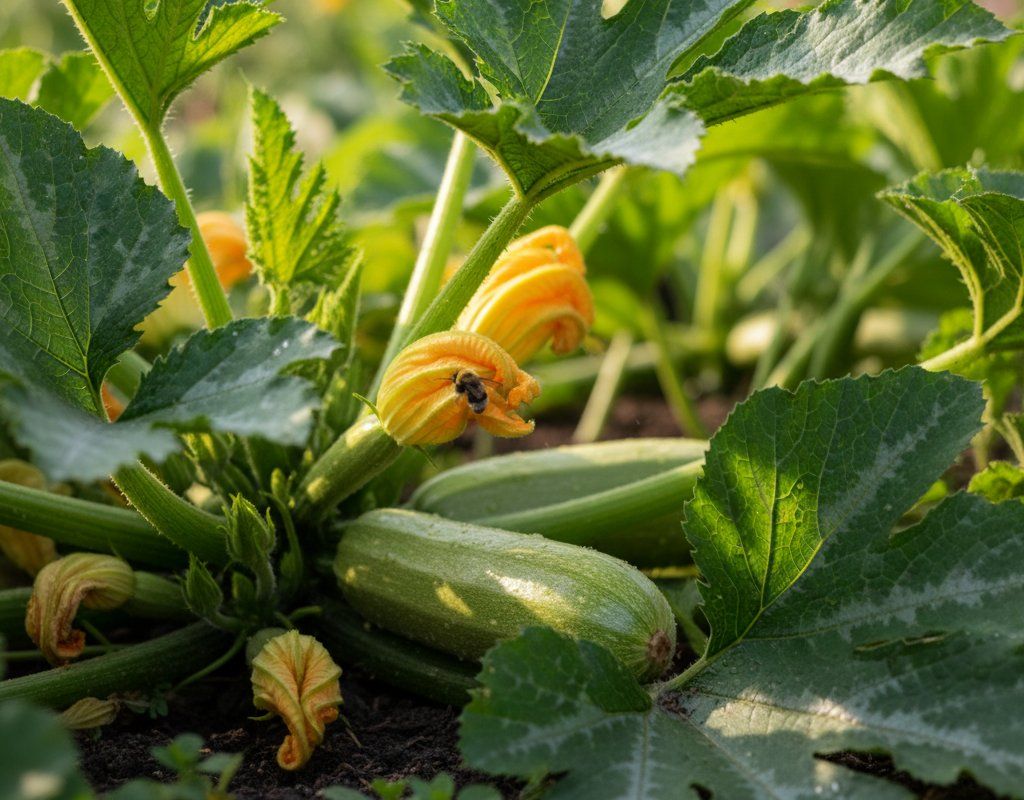
🍅Fruiting Vegetables (34)
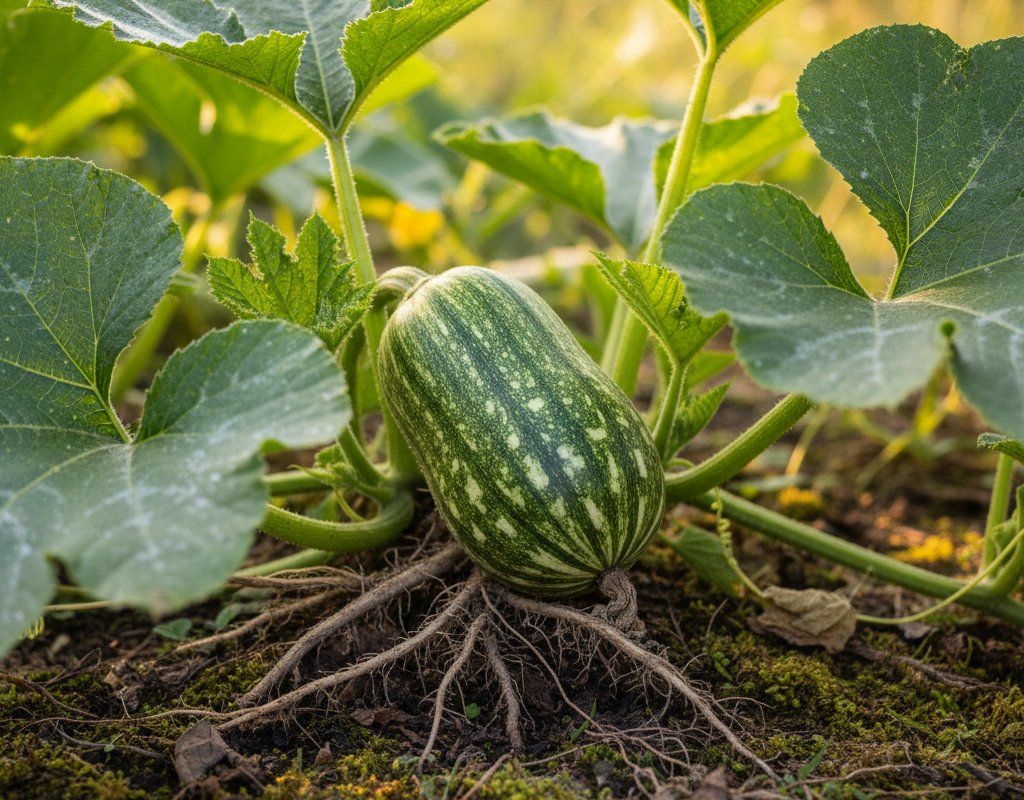
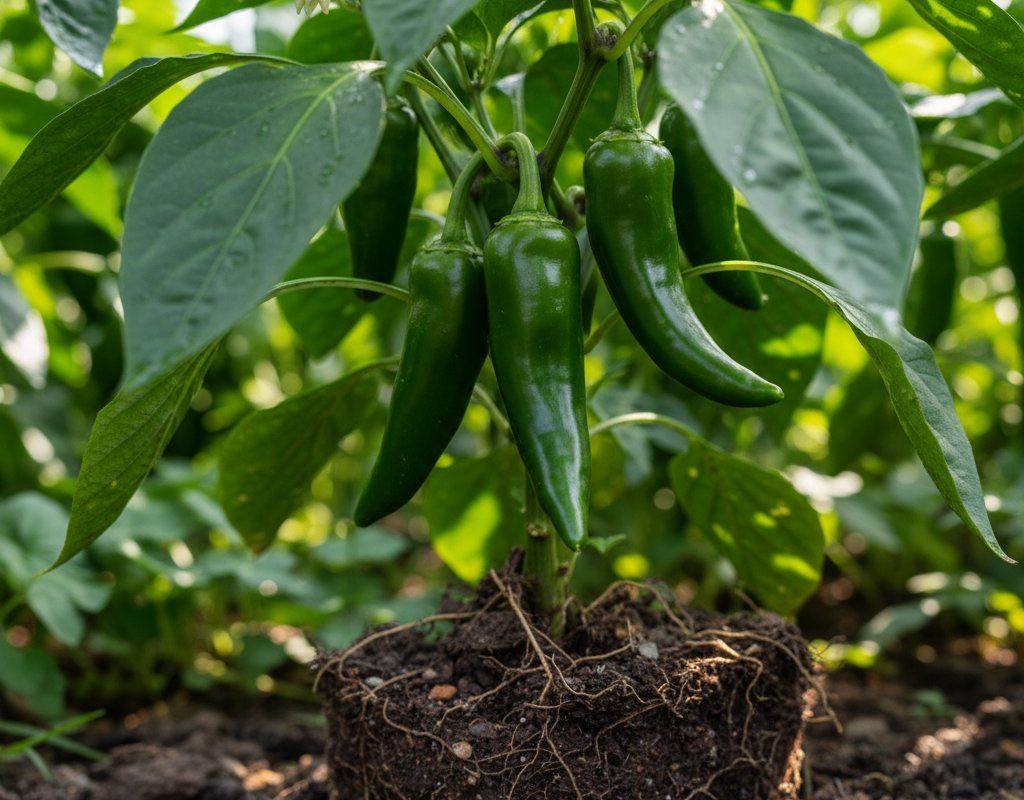
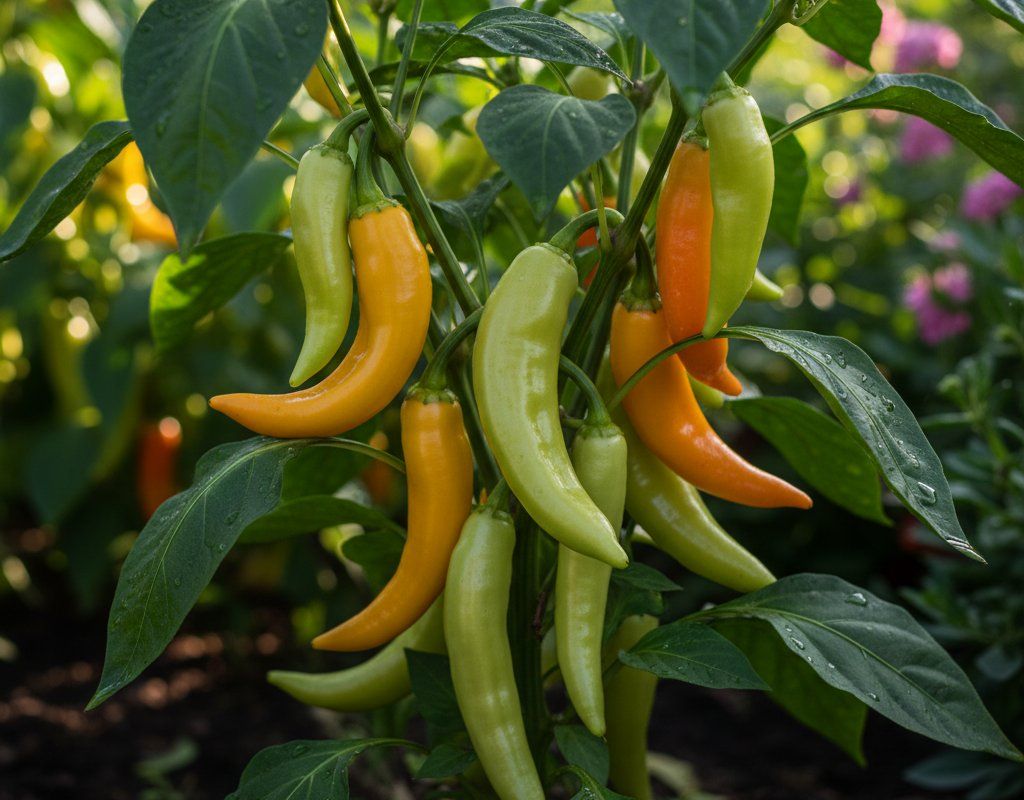
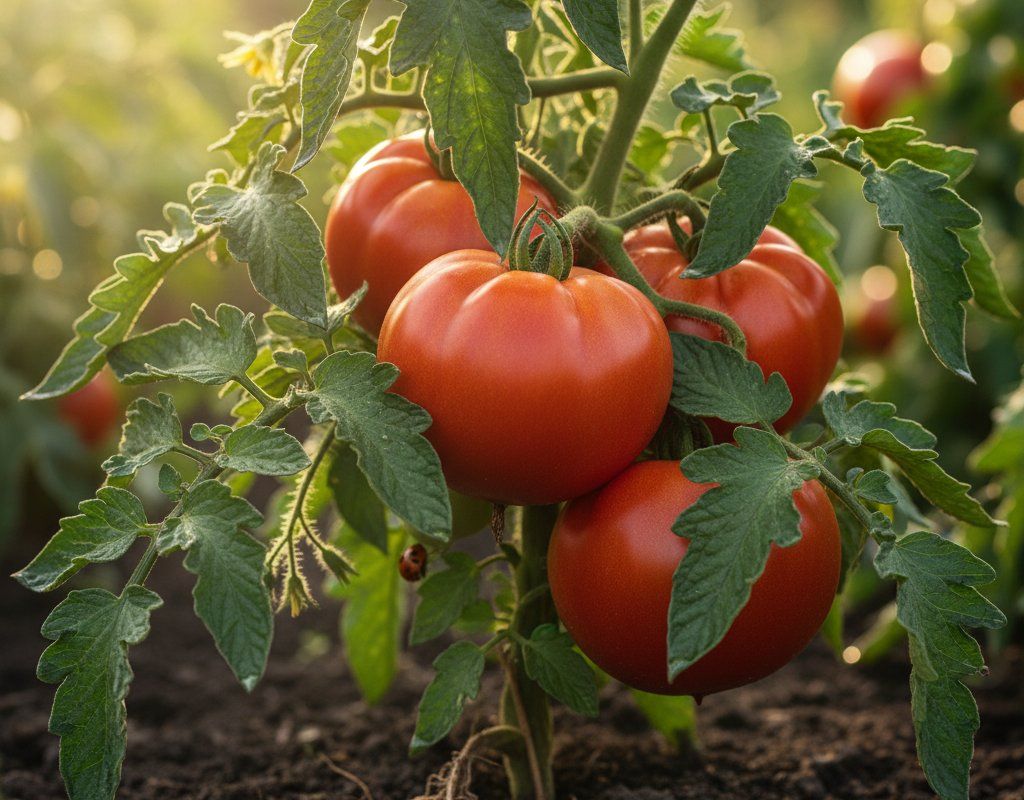





🥬Leafy Greens (9)
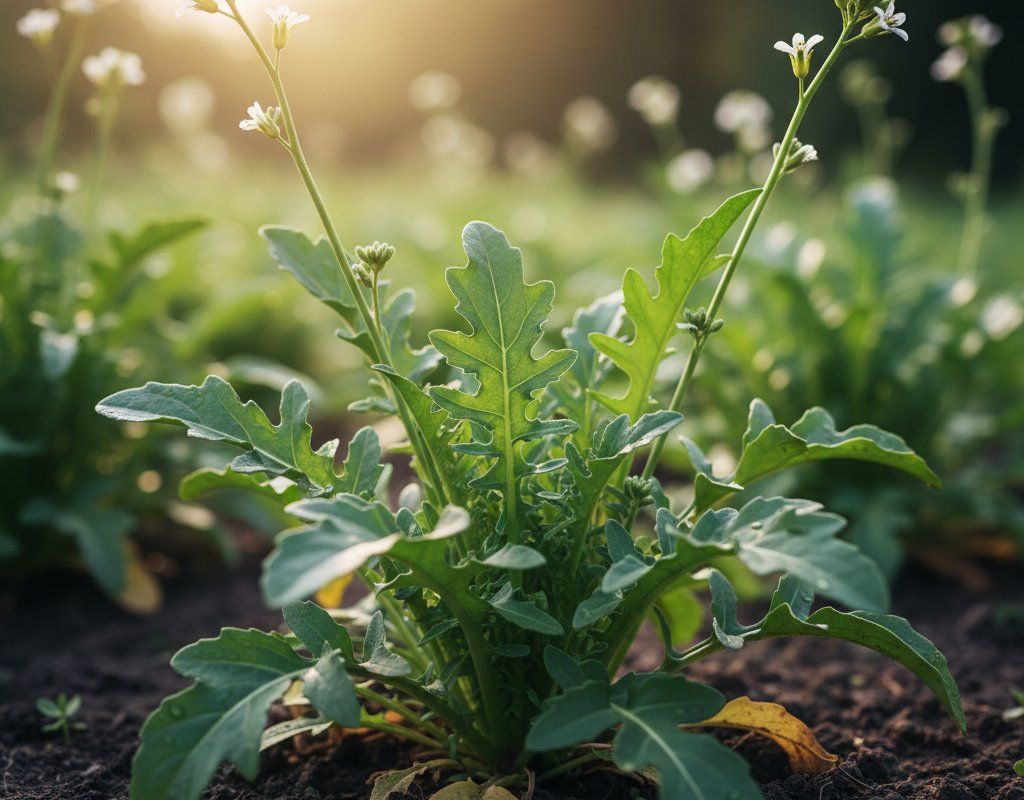

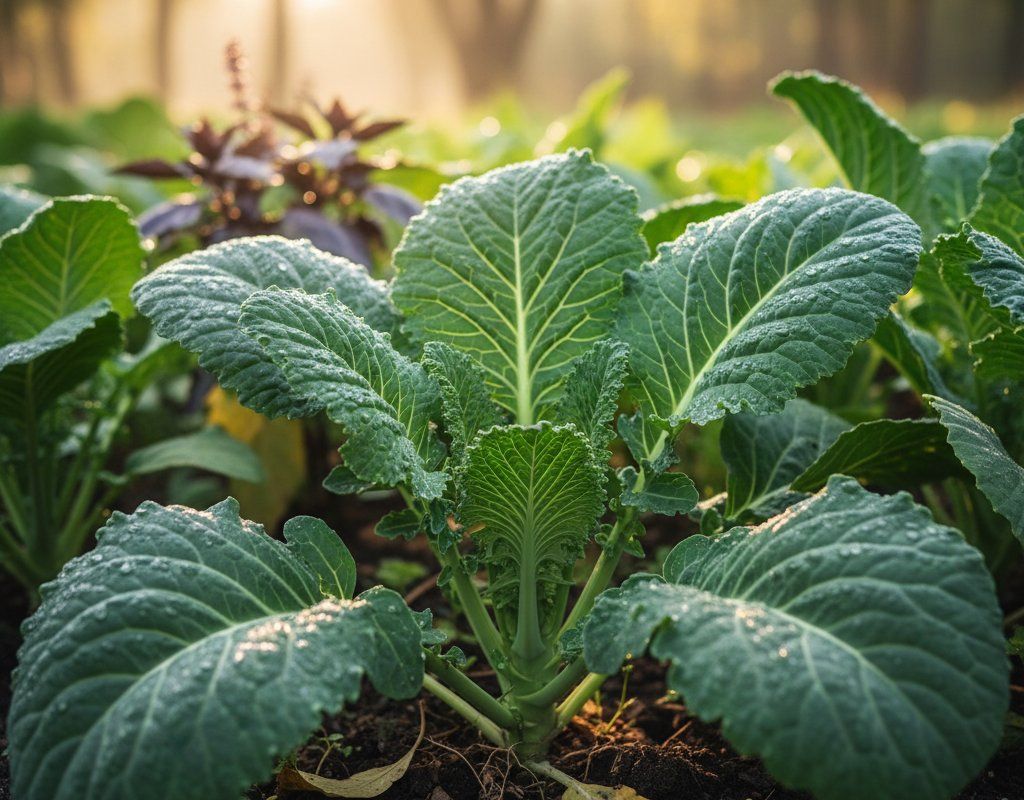
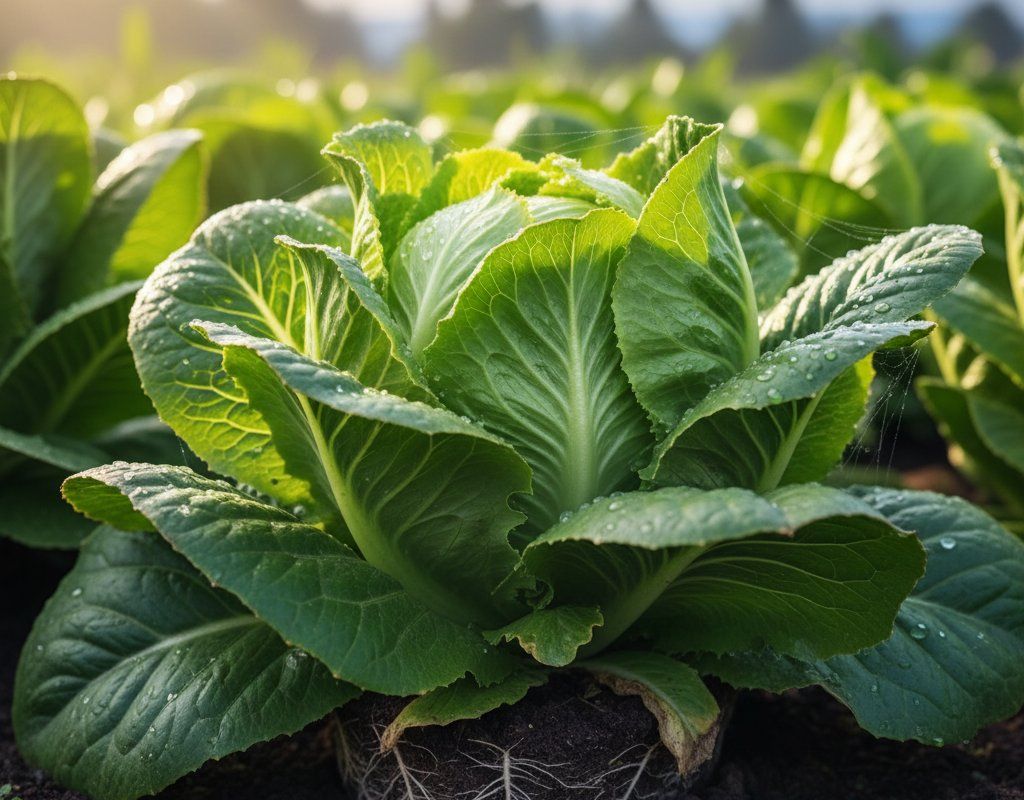

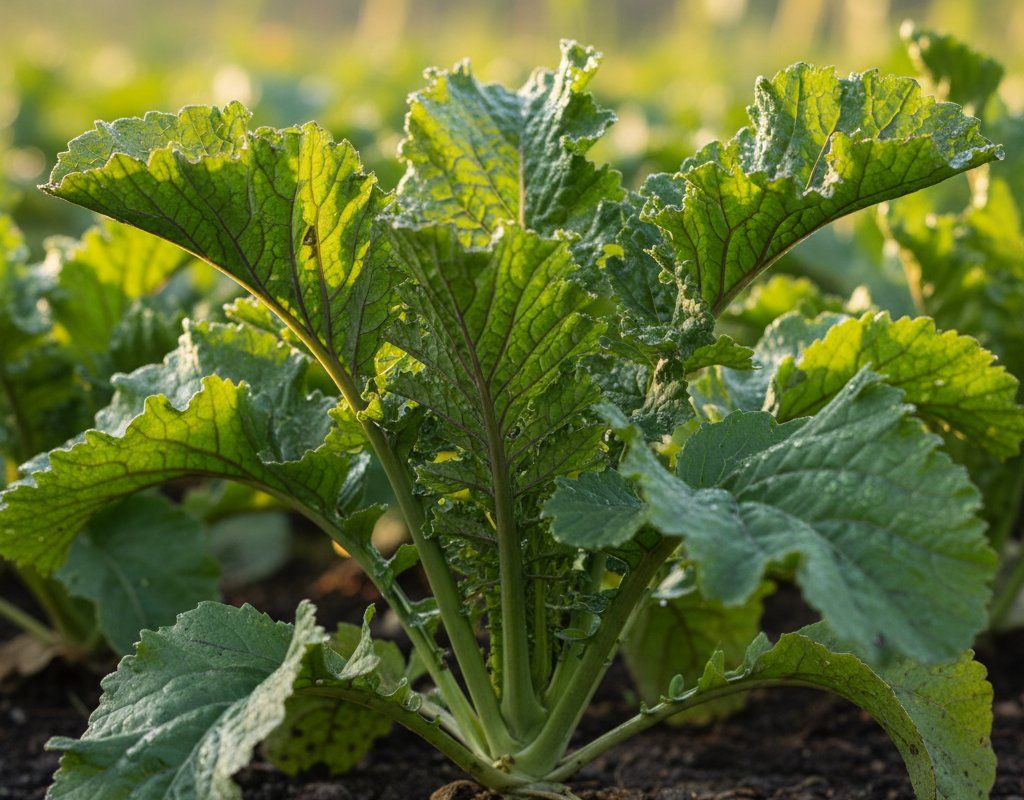
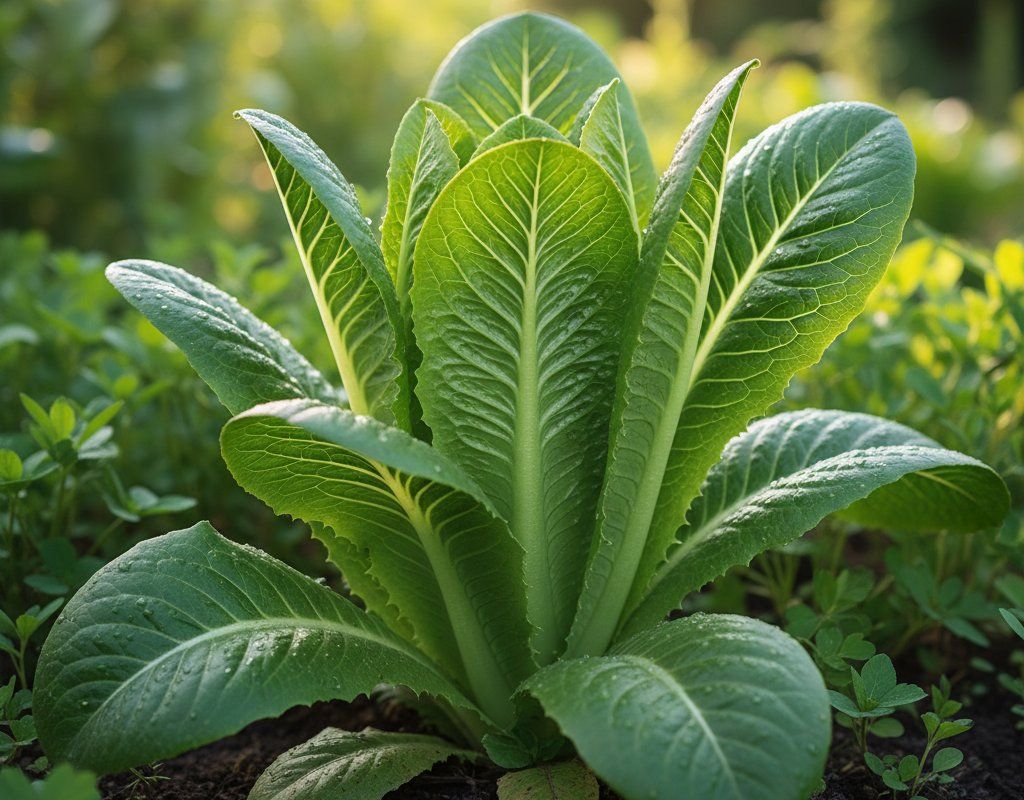

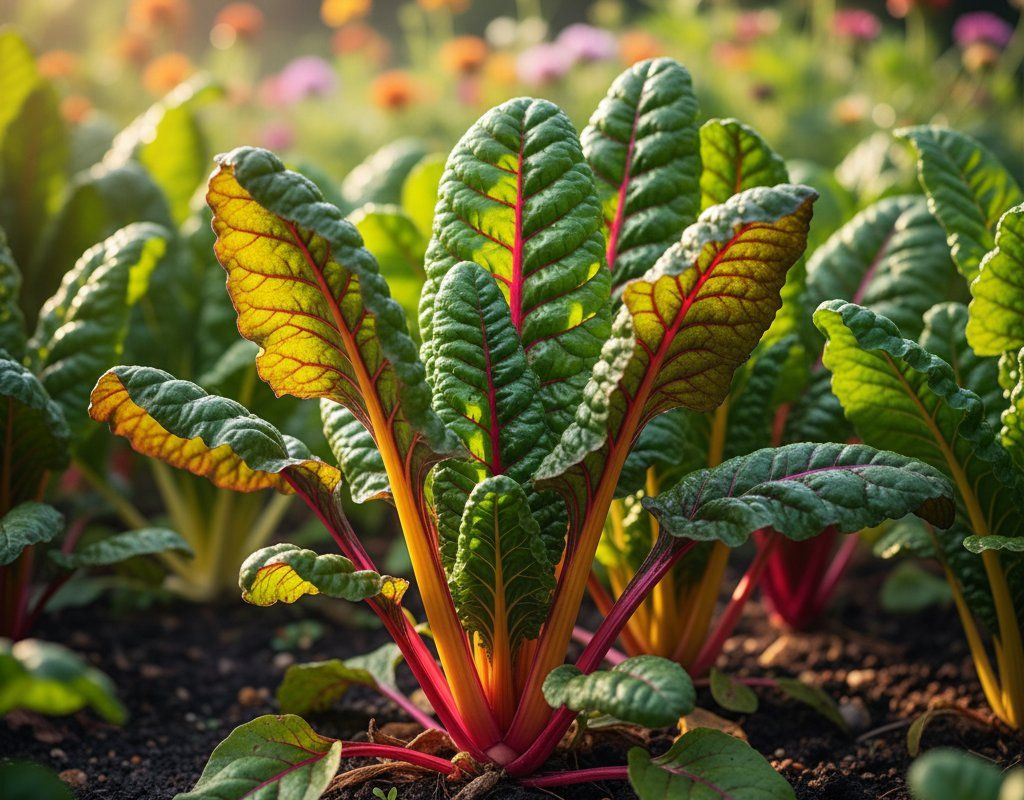
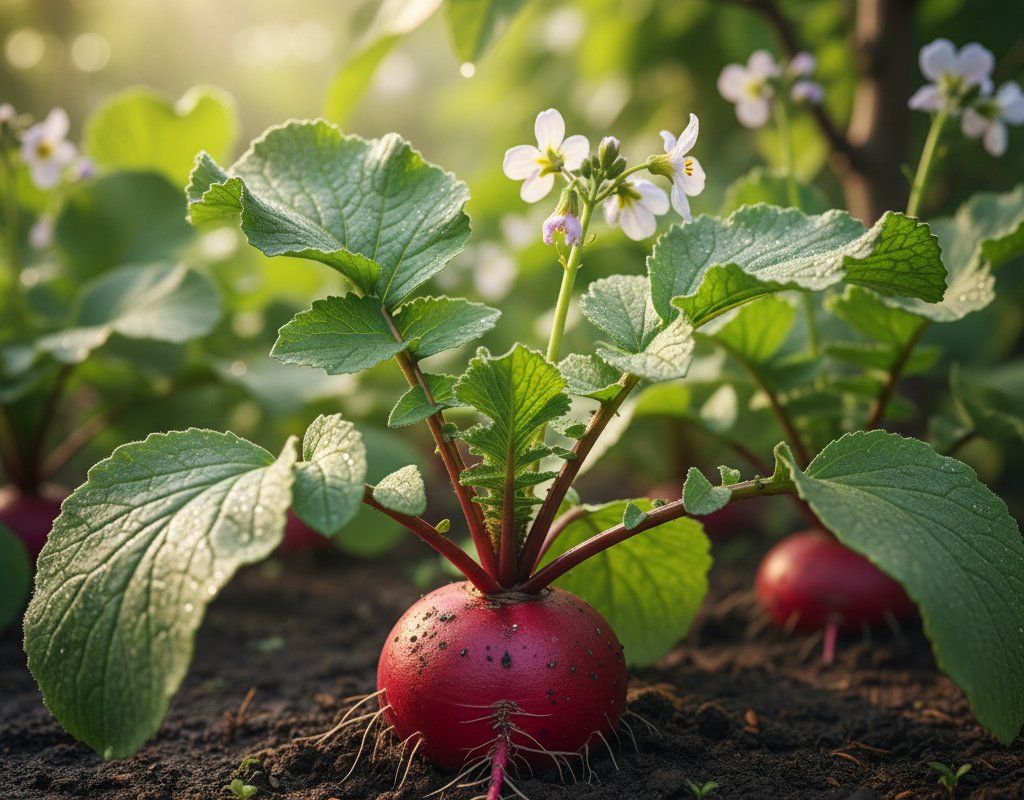
🥕Root Vegetables (4)


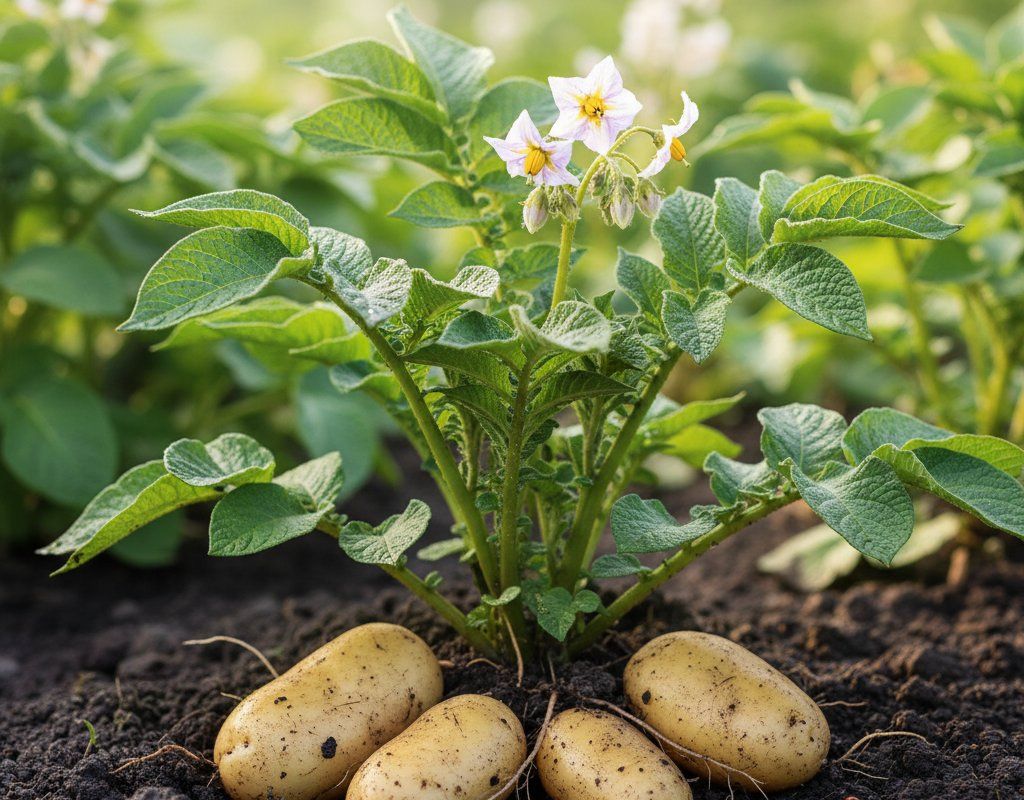
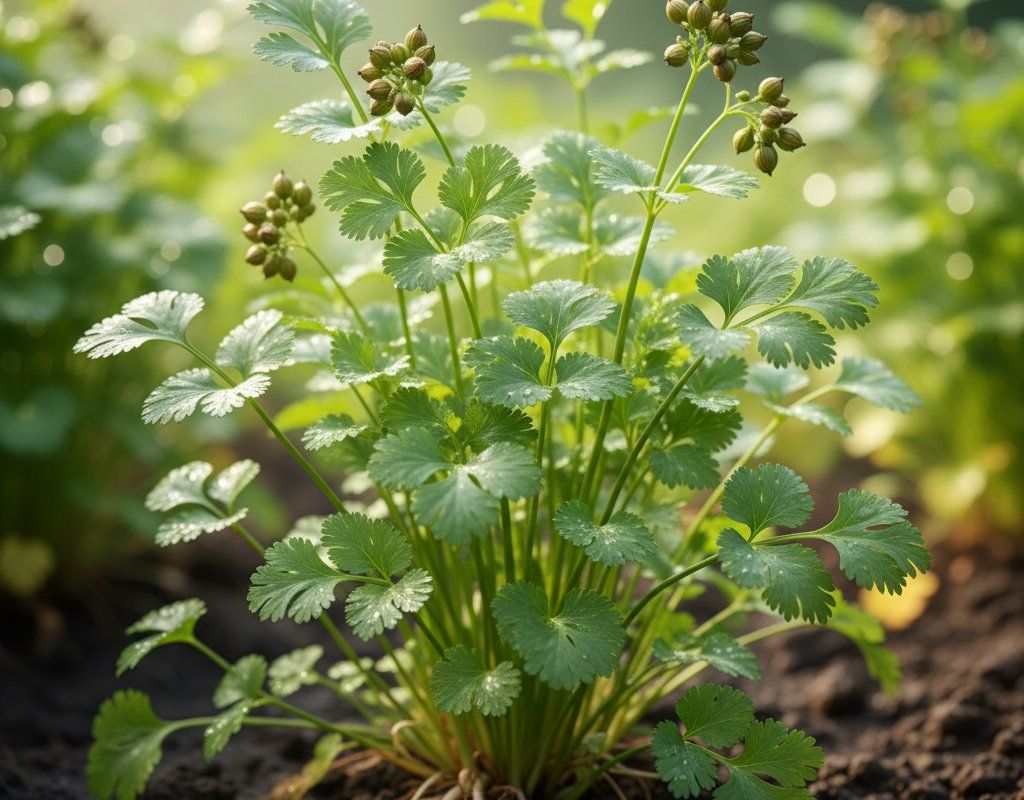
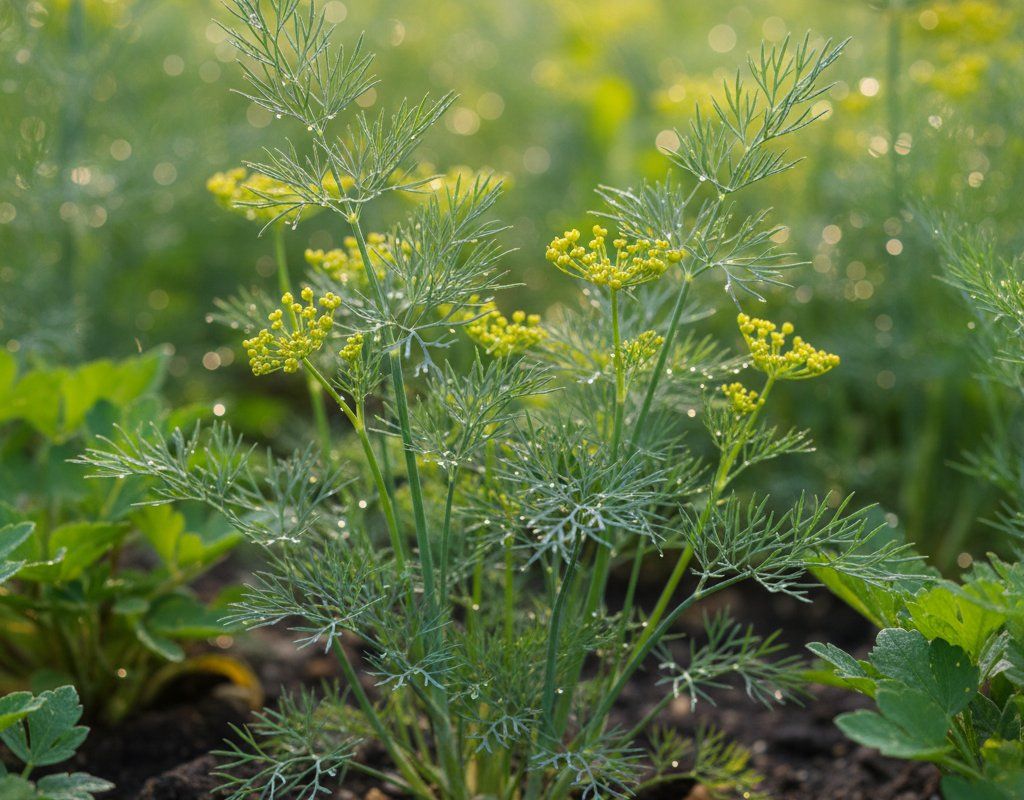
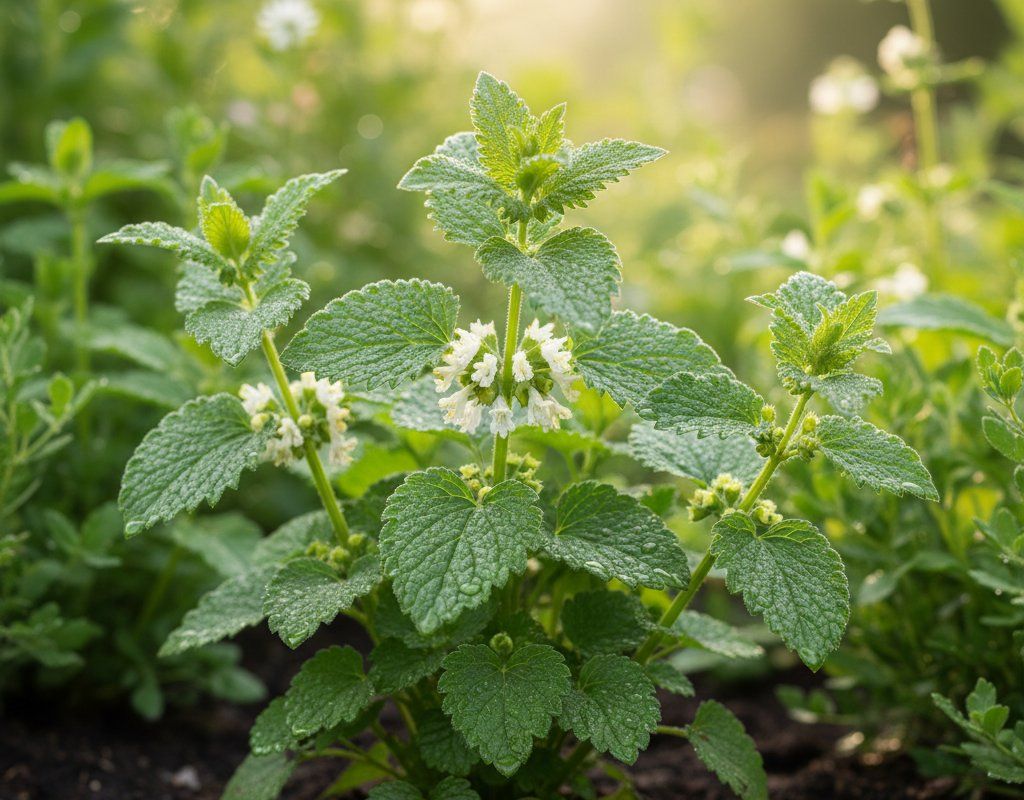
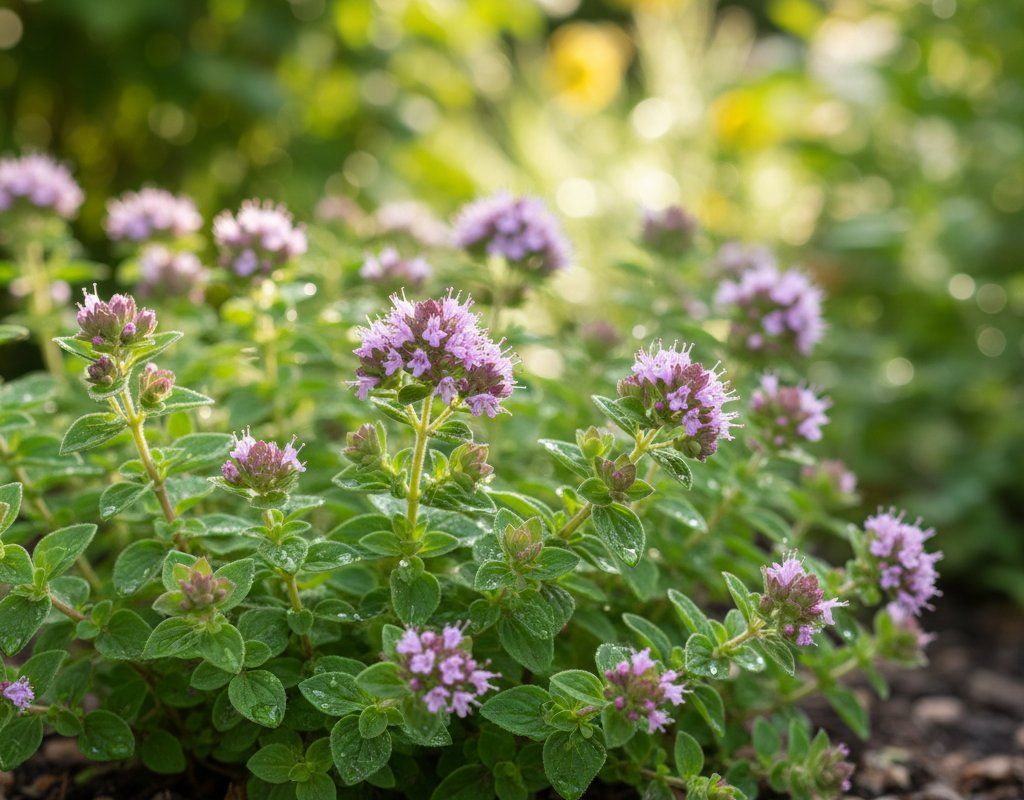
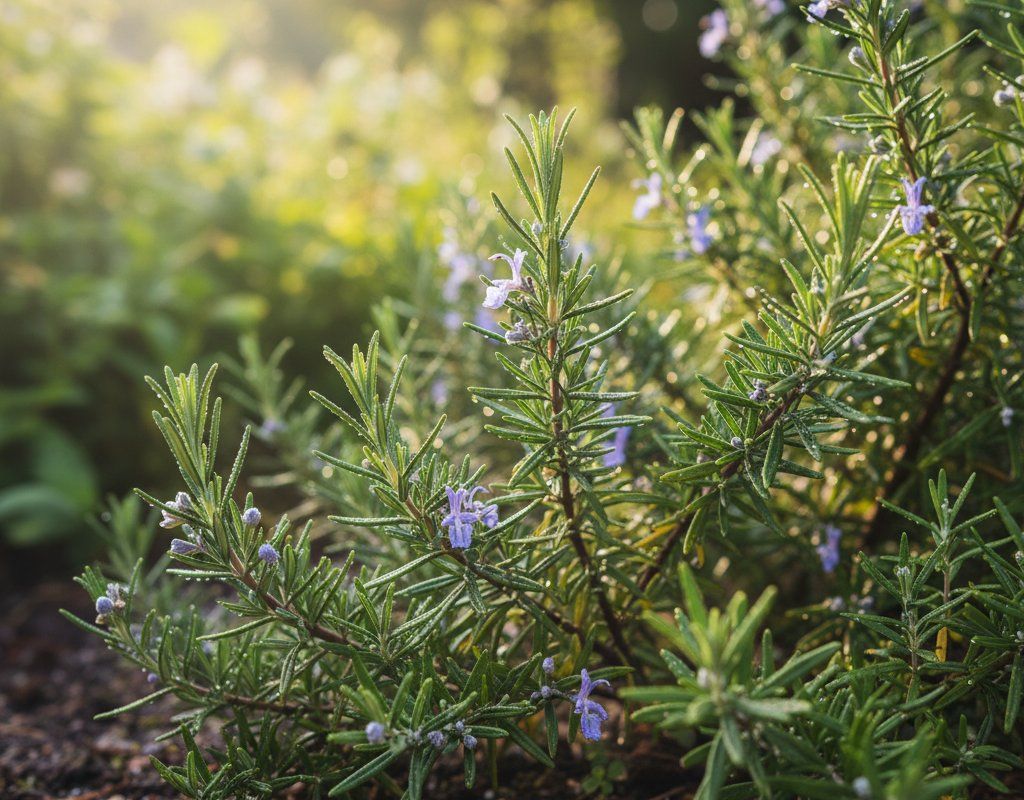
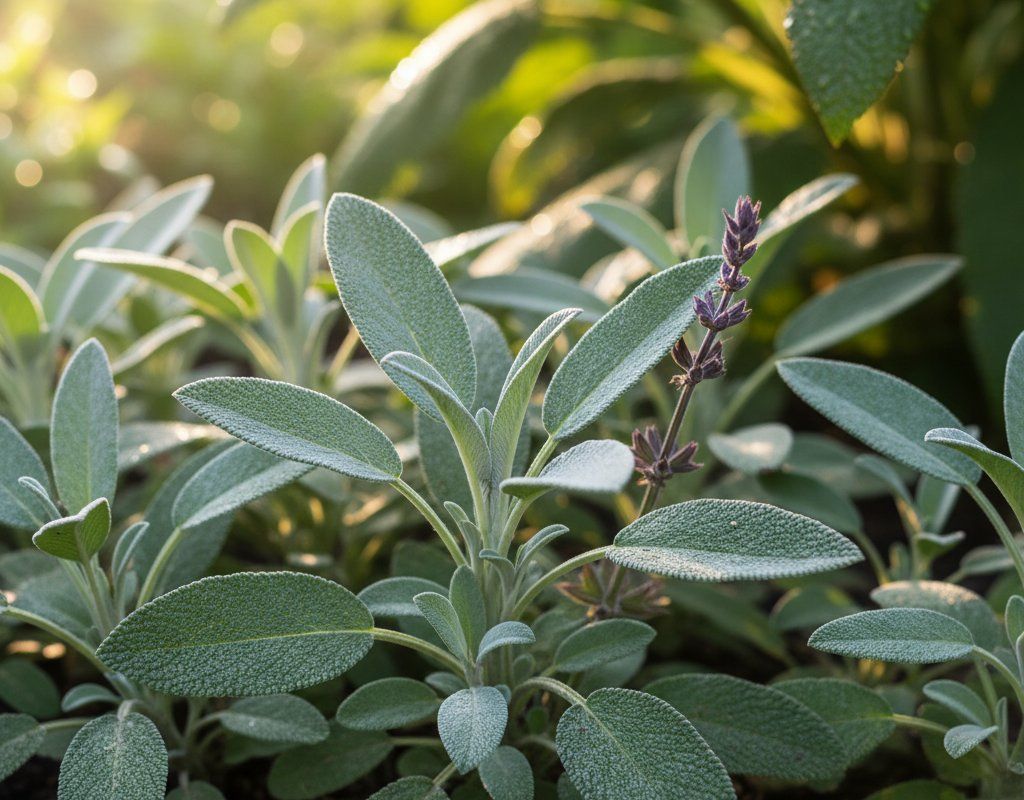
🌿Herbs (12)







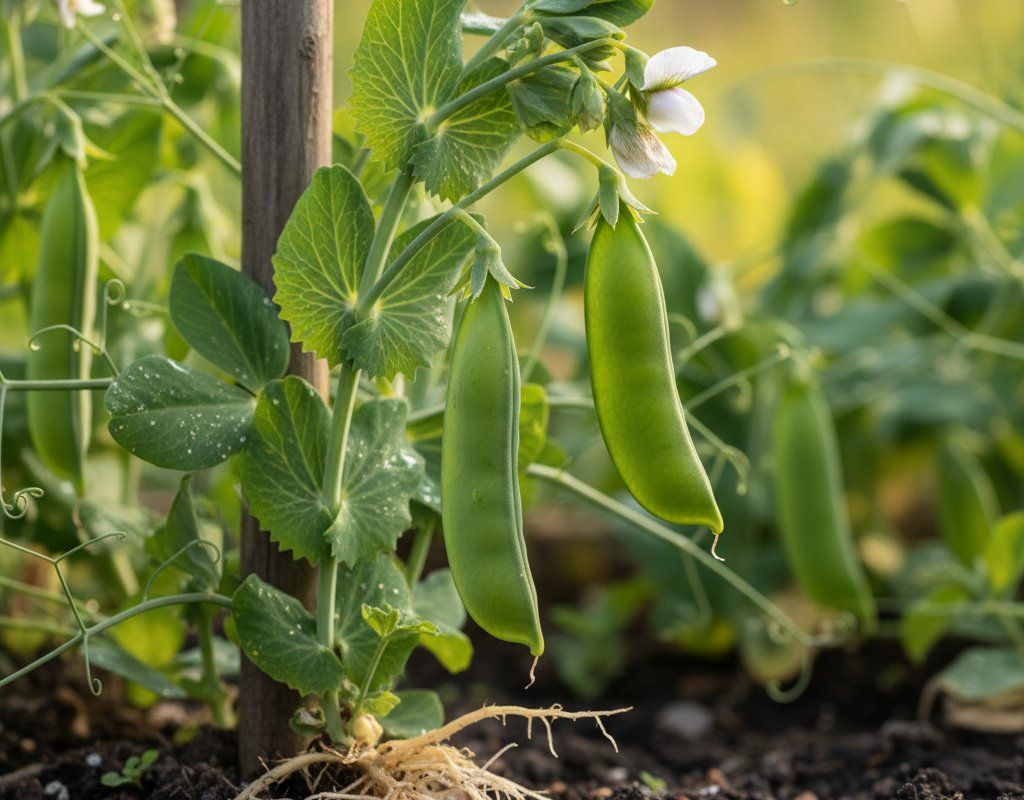
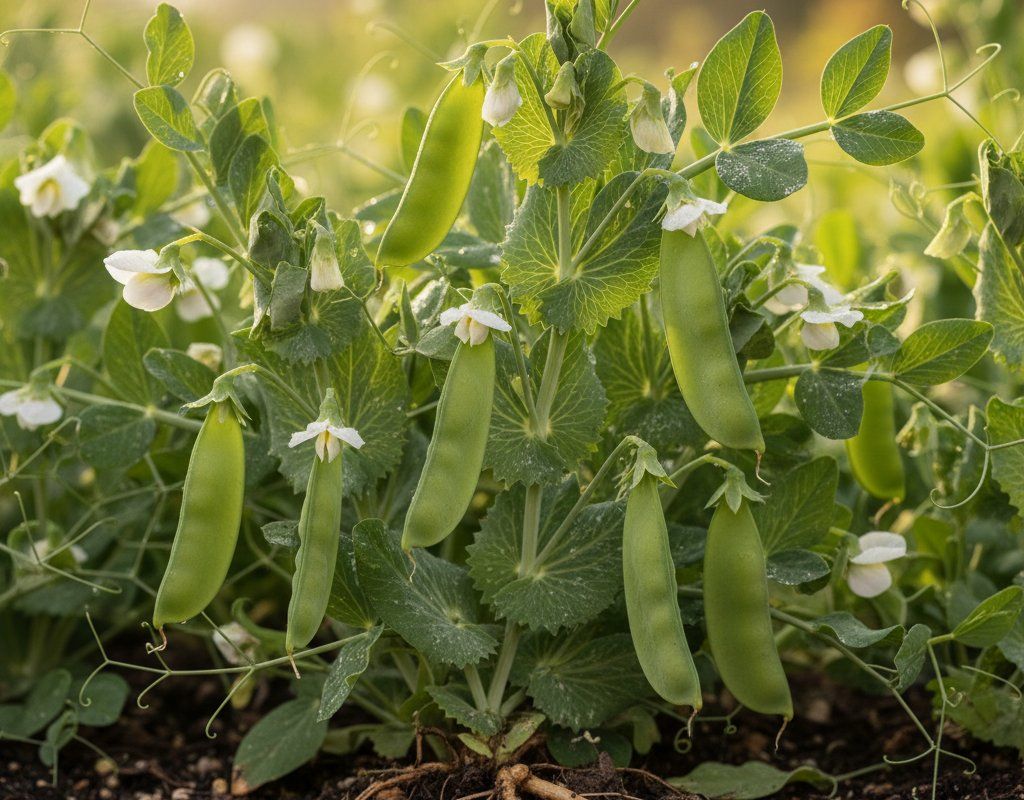
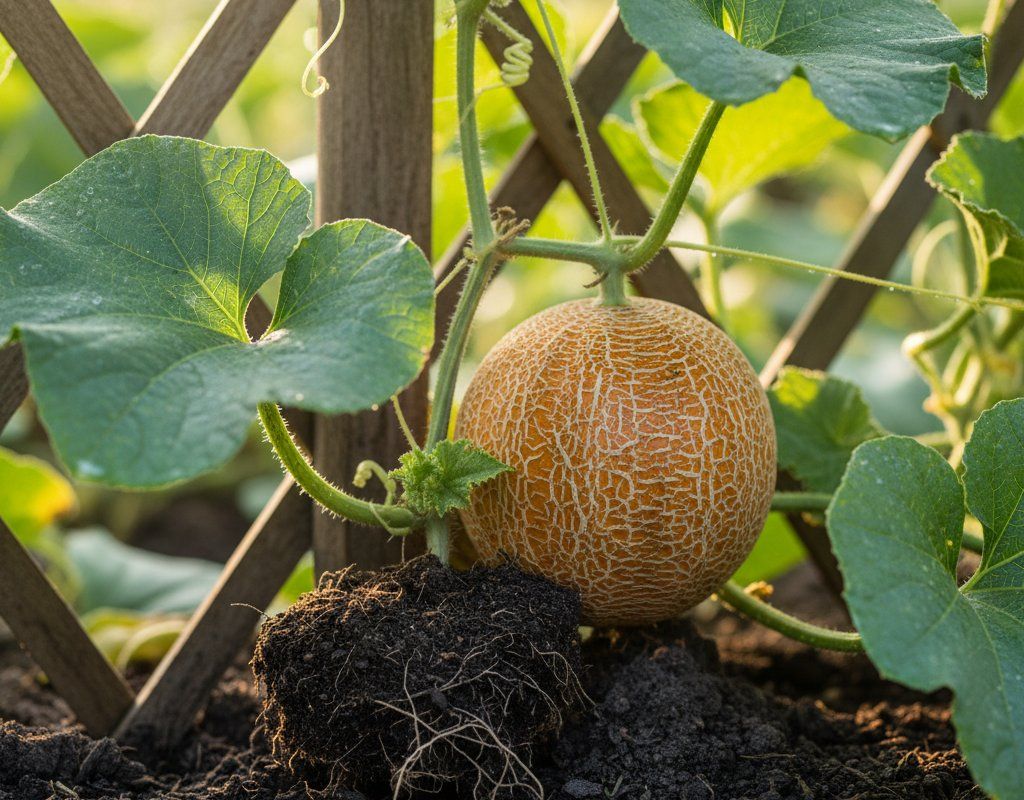
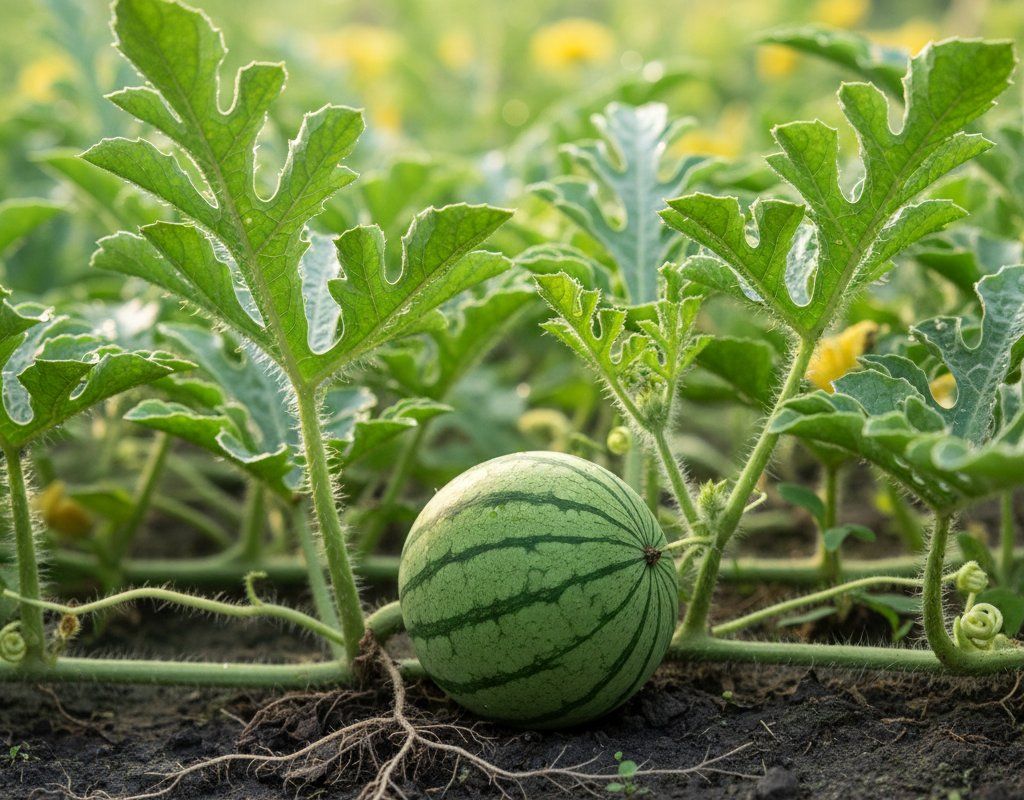
🍉Melons (2)
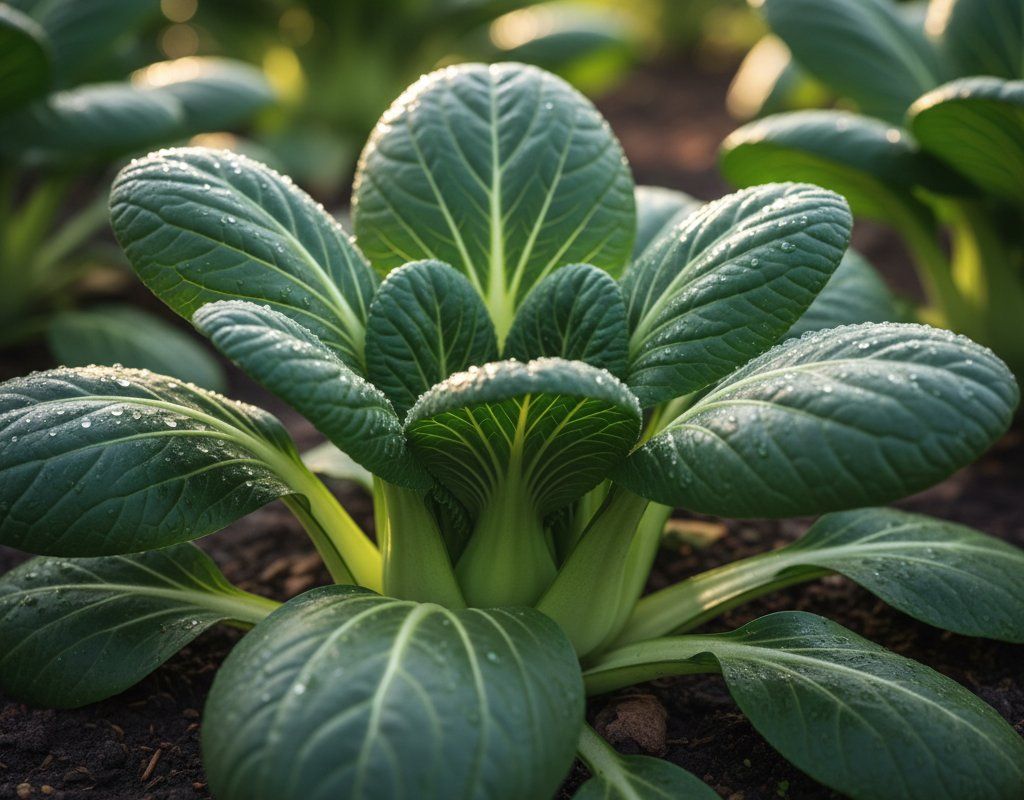
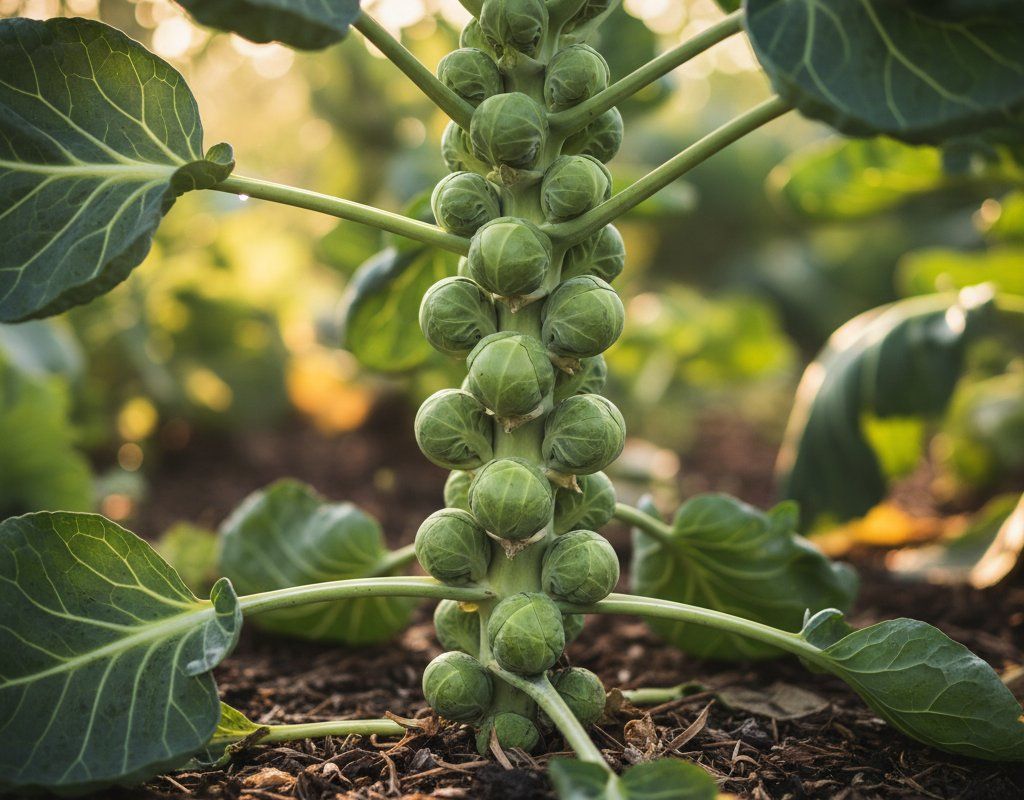
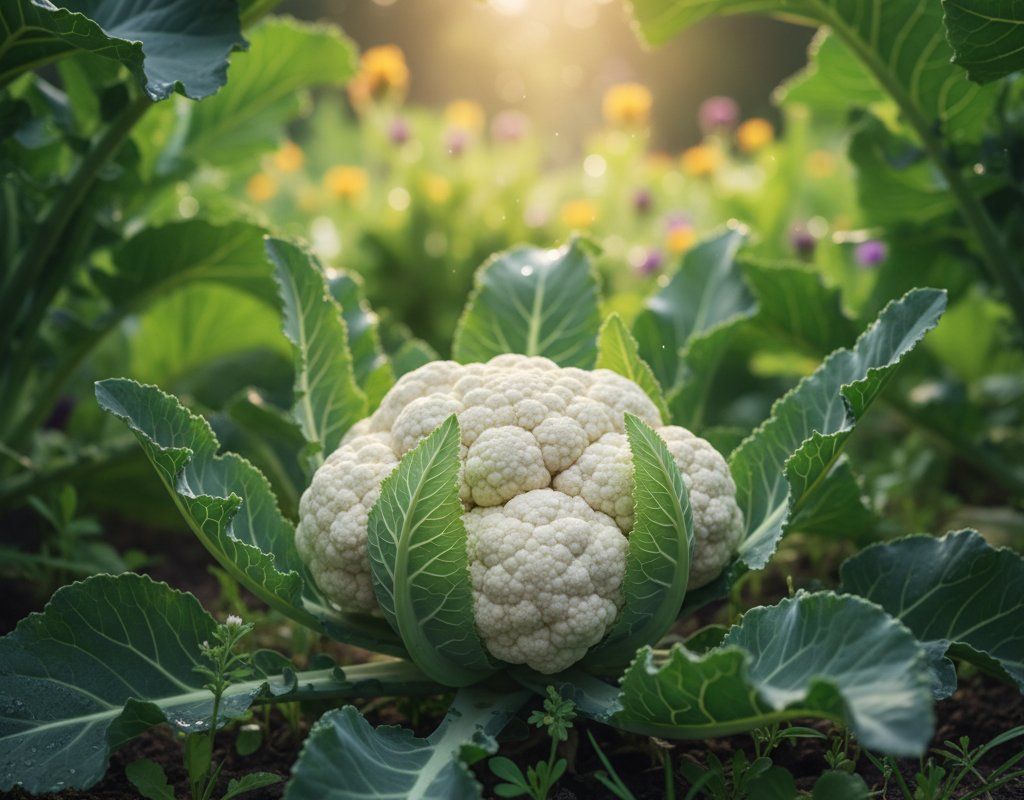
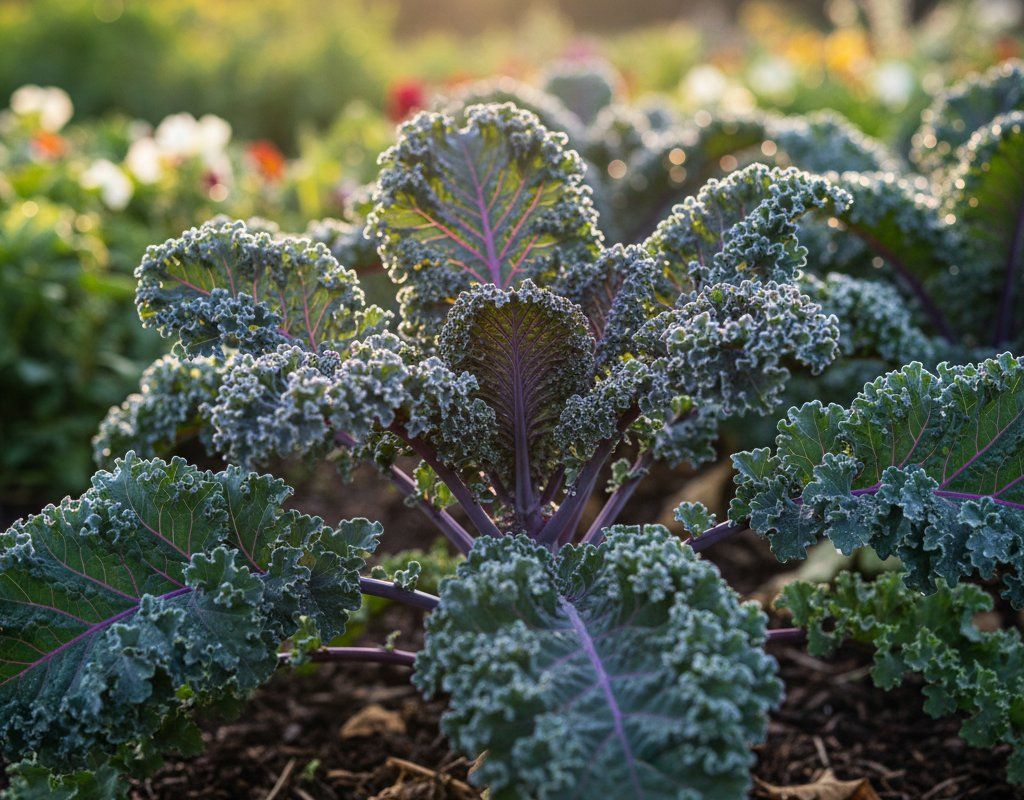
🥦Brassicas (6)


🌽Grains (1)

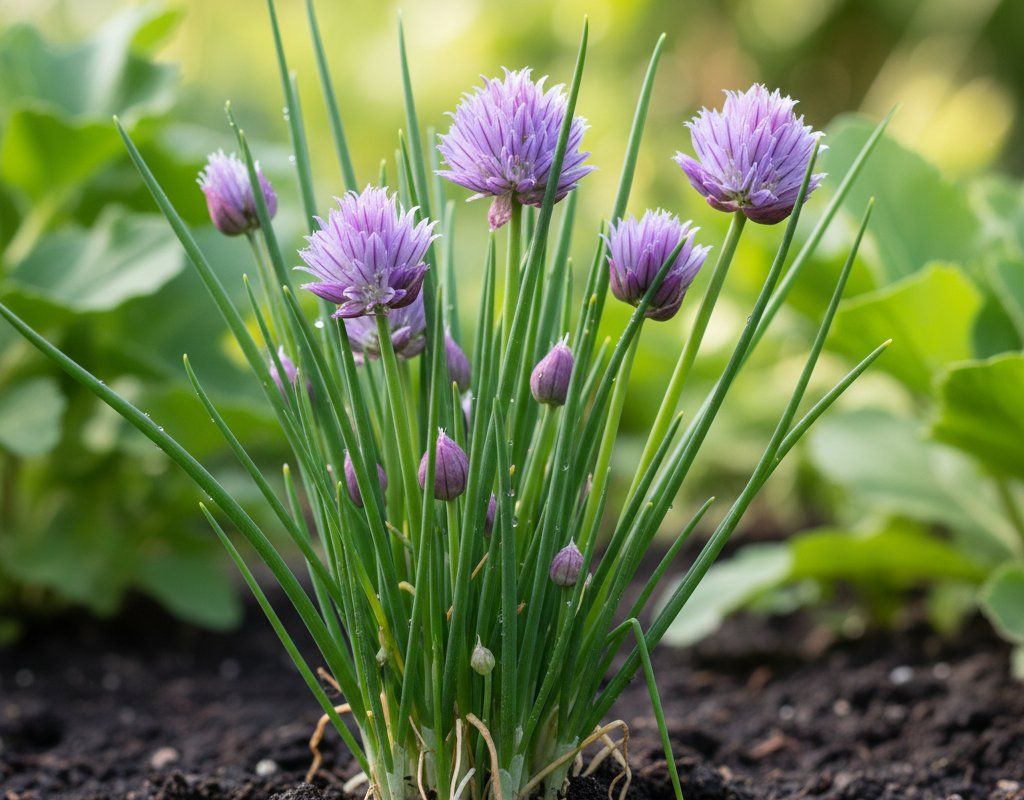
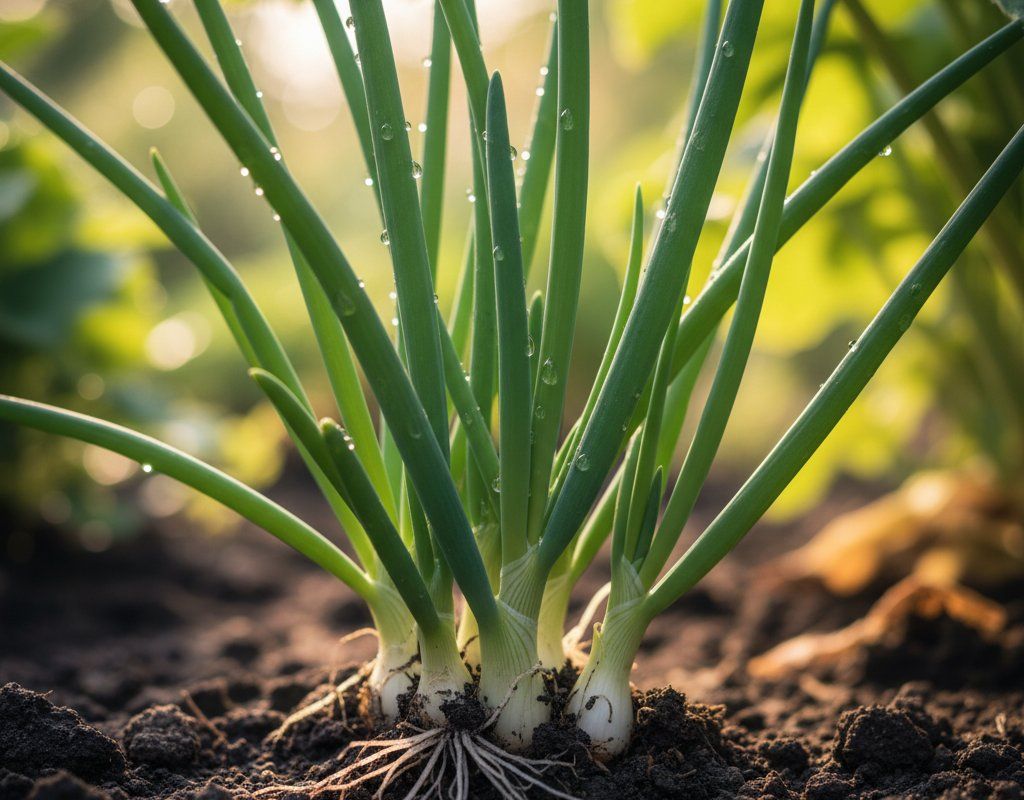
🧅Alliums (1)
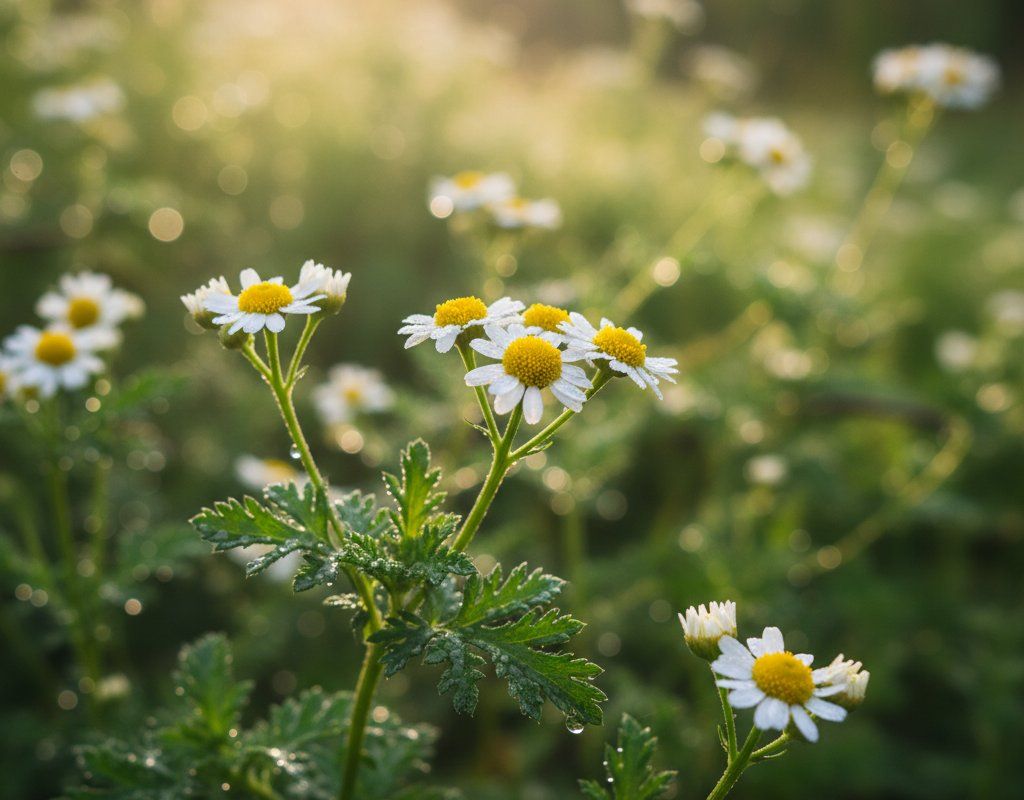
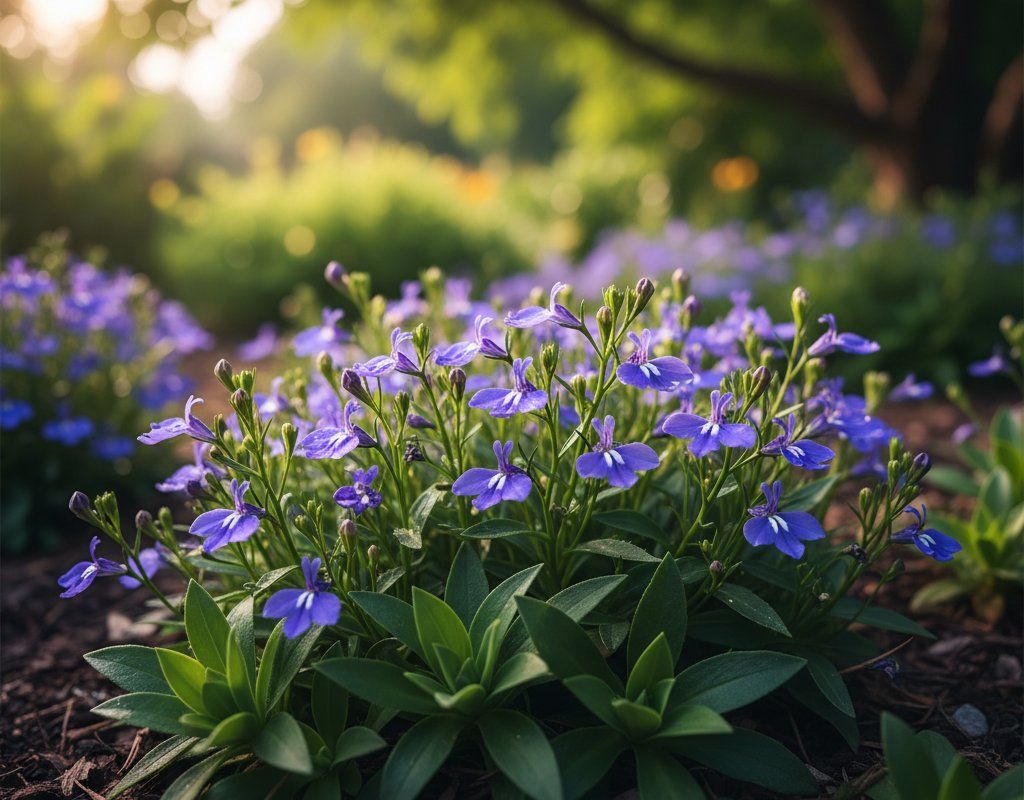
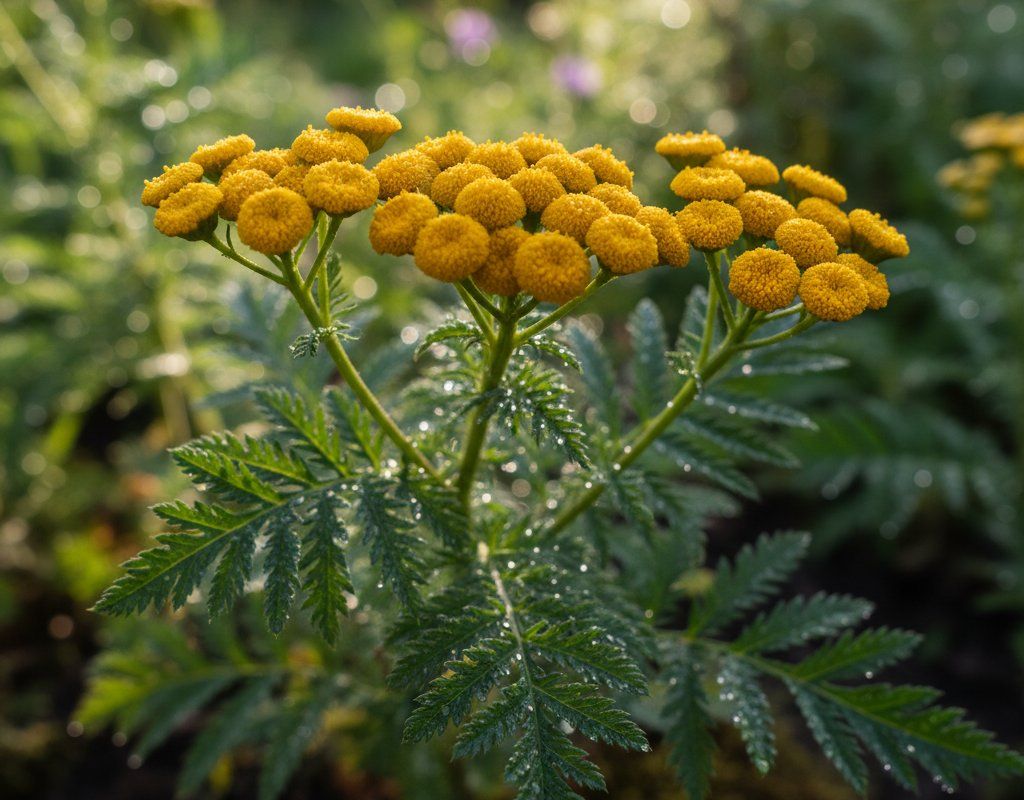
🌸Companion Flowers (20)














Month-by-Month Planting Calendar
What to do each month in your Zone 3A garden.
In January, Zone 3A gardeners are deep into seed catalog season, carefully selecting cold-tolerant varieties and planning their garden layout. Start reviewing your garden journal from last season, order seeds early, and begin mapping out your vegetable beds to maximize your short growing season.
February is prime seed-starting preparation time. Begin gathering your seed-starting supplies, sterilize your containers, and set up grow lights to give your seedlings a strong start before outdoor planting. This is also an excellent month to order any remaining seeds or gardening supplies.
As early March arrives, start seeds indoors for cool-season crops like broccoli, cauliflower, and cabbage. Check your seed-starting equipment, ensure your grow lights are functioning, and begin monitoring indoor temperature and humidity for optimal germination.
In early April, continue indoor seed starting for tomatoes, peppers, and other warm-season crops. Prepare your cold frames and low tunnels, and start hardening off any early seedlings. Check your soil temperatures and prepare for potential early planting of cold-tolerant crops.
May signals the real start of your gardening season. Watch for your last frost date, typically mid-month, and be prepared to protect tender plants. Begin transplanting cold-hardy vegetables like lettuce, spinach, and peas, and start preparing outdoor beds for warm-season crops.
June is full-scale planting month in Zone 3A. Transplant tomatoes, peppers, and other warm-season crops after danger of frost passes. Direct sow beans, corn, and squash, and ensure your garden is well-mulched to retain moisture during the short, intense summer.
Peak summer means maintaining your garden's health. Monitor watering carefully during potentially hot periods, support your tomato and pepper plants, and watch for any pest issues. Continue succession planting of quick-maturing crops to maximize your short growing season.
August is harvest time in Zone 3A. Begin preserving your vegetables through canning, freezing, and dehydrating. Continue monitoring your garden for ripening crops, and start planning your fall garden with quick-maturing, cold-tolerant varieties.
As September arrives, prepare for potential early frosts. Harvest remaining warm-season crops, cover sensitive plants on cold nights, and start cleaning up spent vegetable beds. Plant fall crops like spinach, kale, and quick-maturing root vegetables.
October is all about garden cleanup and preparation for winter. Remove spent plants, add compost to your beds, and consider planting cover crops. Protect any remaining crops with row covers and bring sensitive plants indoors or into greenhouses.
In November, complete your final garden winterization. Drain and store irrigation equipment, clean and sharpen gardening tools, and finish any soil amendments. Reflect on the past season's successes and challenges while planning next year's garden.
December is a time of rest and planning in Zone 3A. Review seed catalogs, update your garden journal, and start dreaming about next year's garden. Take time to maintain your gardening tools and equipment during the long winter months.
Common Challenges in Zone 3A (Mountain West)
With roughly 120 frost-free days, Zone 3A gardeners face the tightest growing window in the continental US. Your last spring frost often doesn't pass until mid-May, and the first fall frost can arrive by mid-September.
Late spring snowstorms aren't unusual, and soil stays frozen well into April. Wind chill and desiccating winter winds can damage perennials and overwintering crops.
Short-season varieties aren't just helpful here — they're a requirement for most warm-season crops.
Season Extension Tips
Season extension is essential in Zone 3A, not optional. Wall O' Water protectors let you transplant tomatoes and peppers 2-3 weeks early by creating a warm microclimate around each plant.
Unheated high tunnels or hoop houses can add 4-6 weeks to your season on both ends. Cold frames built against a south-facing wall extend fall greens well into November.
Black plastic mulch warms soil faster in spring — lay it down 2-3 weeks before planting to gain several degrees of soil temperature. Row cover (frost blanket) is your best friend for protecting transplants from late frost events.
Soil Preparation
Your soil thaws late and stays cold. In fall, add 2-4 inches of aged compost or well-rotted manure and work it into beds before the ground freezes — this gives amendments all winter to break down.
In spring, wait until soil temperature hits at least 50°F at 4 inches deep before working beds. Raised beds are a strong advantage here because they warm faster and drain better than in-ground plots.
A soil thermometer pays for itself quickly. If your soil is heavy clay (common in northern regions), add coarse sand and compost to improve drainage and prevent waterlogging during spring snowmelt.