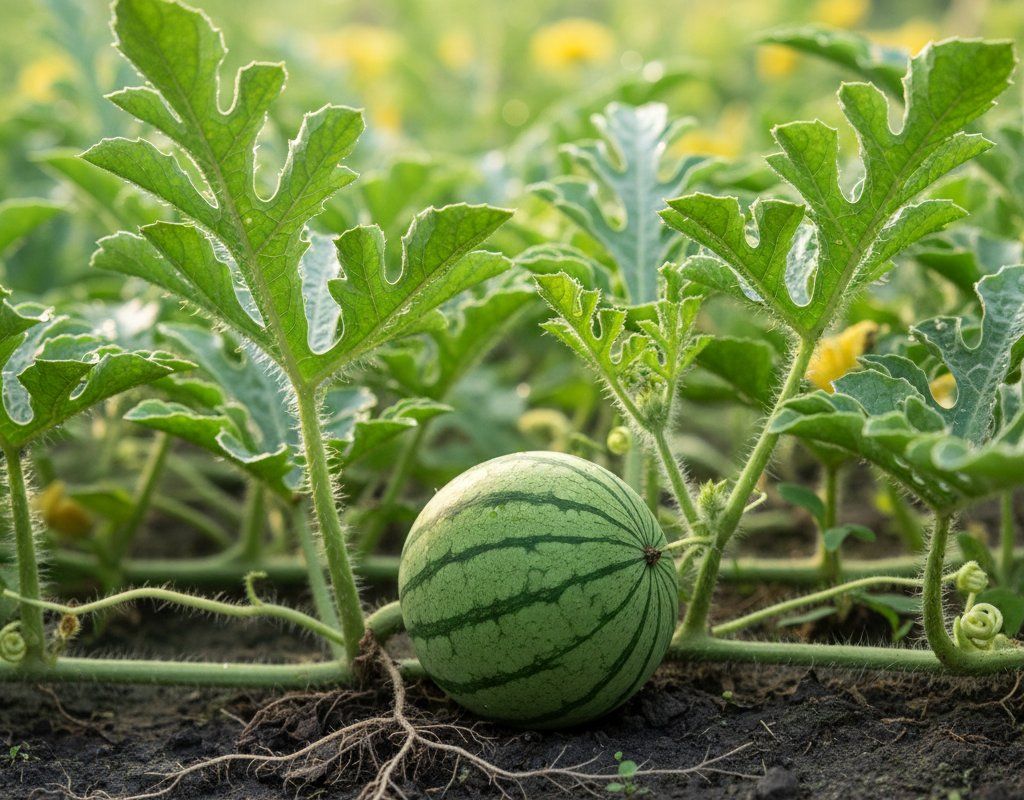
Watermelon in Zone 3B — Midwest
Citrullus lanatus · Your Complete 2026 Planting Guide
Planning Ahead — Great!
You’re ahead of the season. Here’s when to start.
Mark Your Calendar
How to Plant Watermelon in Zone 3B — Midwest
Here are all your options for getting watermelon in the ground, from the easiest method to more advanced approaches.
Direct Sow Seeds
RecommendedEarly June
around June 3
Direct sow as soon as conditions allow.
Needs warm soil. Direct sow works in zones 6+. Start indoors in colder zones.
Buy Starts
Works WellEarly June
around June 3
Plant purchased starts after last frost (May 20).
Start Seeds Indoors
Works WellEarly to late May
around May 13
Then transplant: Early June
Start seeds 3-5 weeks before transplanting outdoors.
Handle seedlings carefully — melons resent root disturbance.
Transplant Outdoors
Timing InfoEarly June
around June 3
Wait until nighttime temperatures stay above 50°F.
Plan to transplant within a few weeks of your target date.
Overview
Growing watermelon in Zone 3B brings the taste of summer right to your backyard with fruit that's worlds apart from anything you'll find at the grocery store. Here in the Midwest, our fertile soil and summer heat spells create perfect conditions for developing those deep, sweet flavors that make homegrown melons so satisfying. There's nothing quite like cutting into a sun-warmed watermelon you grew yourself during those hot August afternoons.
While our 118-day growing season might seem short for a crop that needs 85 days to mature, watermelons are absolutely doable with the right timing. The key is working with our Midwest weather patterns rather than fighting them. Start thinking about watermelons once the soil really warms up in early June, and you'll have plenty of time for a successful harvest before our mid-September frost arrives.
Starting Seeds Indoors
Starting watermelon seeds indoors makes sense if you want to maximize your growing season or try varieties that need every available day to mature. Start your seeds early to late May, about 3 weeks before you plan to transplant them outside in early June. This gives you a head start while avoiding the root disturbance that melons hate.
Set up your seed trays in a warm spot since watermelon seeds need soil temperatures around 70-75°F to germinate well. Bottom watering works best for melon seedlings – it keeps the soil evenly moist without encouraging damping-off diseases that can kill young plants. Our moderate-to-late spring start means you'll likely need grow lights or a sunny south window to get strong seedlings.
Handle the seedlings very carefully when transplanting. Melons have sensitive root systems that don't recover well from damage. If you're new to melons, direct sowing might be more forgiving than trying to manage transplants.
Transplanting Outdoors
Transplant your watermelon seedlings outdoors in early June when soil temperatures stay consistently above 65°F and nighttime lows don't drop below 55°F. In our variable spring weather, this timing usually coincides with when you're confident the last frost danger has passed. Wait until Memorial Day weekend has come and gone before even thinking about putting melons outside.
Harden off your seedlings gradually over a week by moving them outside for longer periods each day. Start with just a couple hours of morning sun, then work up to full days outdoors. This process prevents transplant shock and helps them adjust to outdoor conditions. Space your transplants 6-8 feet apart in all directions – watermelons need serious room to spread their vines.
Watch the weather forecast closely during early June. If a cool snap threatens, have row covers ready to protect your young plants. Those summer heat spells we get later will benefit the melons, but they're tender when young and need consistent warmth to establish well.
Direct Sowing
Direct sowing is the preferred method for watermelons in our area since it avoids root disturbance entirely. Wait until early June when soil temperatures reach at least 65°F consistently – this usually happens about two weeks after our average last frost date. Watermelon seeds simply won't germinate in cold soil, so patience pays off here.
Prepare your planting area by working compost into our typically heavy clay soil to improve drainage. Plant seeds 1 inch deep in hills spaced 6-8 feet apart each direction. Sow 4-5 seeds per hill, then thin to the strongest 2-3 seedlings once they're established. The wide spacing seems excessive, but watermelon vines can spread 10-12 feet in all directions.
Cover your newly planted area with row covers if cool weather threatens. Early June can still bring surprise temperature drops, and young watermelon plants will sulk or die if temperatures fall below 50°F. Remove covers once plants start flowering so pollinators can do their work.
Watering Watermelon in Zone 3B (Midwest)
Watermelons are thirsty plants that need consistent moisture throughout the growing season, but our Midwest climate helps with this more than you might expect. With our 30-40 inches of annual rainfall and moderate-to-humid summers, you won't be fighting constant drought like gardeners in drier regions. However, you'll still need to supplement during dry spells and manage moisture carefully as fruit develops.
Provide about 1-2 inches of water per week, including rainfall. Use the finger test – stick your finger 2 inches into the soil near the plants. If it's dry at that depth, it's time to water deeply. Water at the base of plants rather than overhead to prevent fungal diseases that thrive in our humid conditions. Soaker hoses work perfectly for this.
During our typical summer heat spells when temperatures climb into the upper 80s, increase watering frequency but don't overdo it. Watermelons growing in constantly soggy soil develop root problems and bland-tasting fruit. The goal is consistent moisture, not waterlogged conditions. Apply a 3-inch layer of straw mulch around plants to help retain moisture and keep weeds down.
About two weeks before harvest time in late August, reduce watering significantly. This concentrates the sugars in the fruit and prevents that watery taste that disappoints so many home gardeners. Your melons will taste noticeably sweeter with this final step.
🧪Fertilizing Watermelon
Feeding Schedule
Organic Fertilizer Options
Harvest Time
Your first watermelons will be ready for harvest from late August through mid-September, right in line with our 85-day growing season expectations. The timing works out perfectly since you'll finish harvesting before our typical mid-September frost arrives. Look for several signs of ripeness rather than relying on just one indicator.
The ground spot – where the melon sits on the soil – changes from white to creamy yellow or pale orange when ripe. Check the curly tendril nearest to where the fruit stem attaches; it turns brown and dry when the melon is ready. A ripe watermelon also sounds hollow when you thump it with your knuckles, though this takes some practice to distinguish from an unripe one.
Cut the stem with a sharp knife rather than trying to pull the fruit off the vine. Unlike some melons, watermelons don't continue ripening once harvested, so make sure they're truly ready before cutting. A properly ripe watermelon will have a dull, matte finish rather than a glossy shine.
As first frost approaches in mid-September, harvest any melons that show signs of ripening even if they're not perfect. A light frost will damage the vines and stop further ripening, so it's better to pick slightly underripe fruit than lose everything to cold weather.
Common Problems in Zone 3B (Midwest)
Fusarium Wilt This shows up as wilting on just one side of the plant initially, then spreads until the whole vine collapses. You'll see yellowing leaves starting on one side, and if you cut the stem open, there are brown streaks inside. Our warm summer soil temperatures unfortunately favor this soil-borne fungus that can persist for years once established.
Choose resistant varieties marked with 'F' on the seed packet, and rotate your melon crops to different areas of the garden each year. The fungus enters through root wounds, so be gentle during cultivation. Raising soil pH above 6.5 can help suppress the disease, which works well with our naturally alkaline Midwest soils.
Anthracnose Dark, sunken circular spots appear on fruit, stems, and leaves, sometimes with pink or orange fuzzy growth in the centers during humid weather. Our moderate-to-humid summers and wet-summer rainfall pattern create perfect conditions for this fungal disease to spread through rain splash.
Remove any infected plant parts immediately and avoid overhead watering. Apply copper fungicide as a preventative measure if you've had problems before. Space plants properly for good air circulation – this is especially important in our humid climate where fungal diseases thrive.
Poor Pollination Flowers bloom and fall off without setting fruit, or you get small, misshapen melons that don't develop properly. This often happens during extreme heat spells when it's too hot for effective pollination, or during cool, rainy periods when bees aren't active.
Plant flowers nearby to attract more pollinators, and avoid using pesticides during flowering. Hand-pollinate with a small brush if needed – transfer pollen from male flowers (on stems) to female flowers (with tiny fruits behind them). Do this in the morning when flowers first open.
Midwest Specific Challenges Our moderate-to-humid summers mean fungal diseases are your biggest concern with watermelons. The combination of warm temperatures, adequate moisture, and humidity creates perfect conditions for problems like anthracnose and powdery mildew. Focus on proper spacing, avoid overhead watering, and choose resistant varieties when possible.
Best Companions for Watermelon
Plant these nearby for healthier Watermelon and better harvests.

Keep Away From
Companion Planting Details
Watermelons pair beautifully with corn in the garden – the corn provides afternoon shade during our hottest summer heat spells while the melons spread along the ground beneath. Plant radishes around the edges of your melon patch; they mature quickly and help break up clay soil while deterring cucumber beetles that can damage young melon plants. Sunflowers make excellent companions too, attracting beneficial insects and providing windbreak protection during severe weather.
Avoid planting watermelons near potatoes since both crops attract similar pests and compete for nutrients in the same soil layer. Keep melons away from areas where you've grown other cucurbits recently to prevent disease buildup in the soil. The wide spacing watermelons need means you have plenty of room to tuck in beneficial companion plants around the edges.
🌸Best Flowers to Plant with Watermelon
These flowers protect your Watermelon from pests and attract pollinators for better harvests.


Get a Reminder When It's Time to Plant
We'll email you when key planting windows open for your zone.